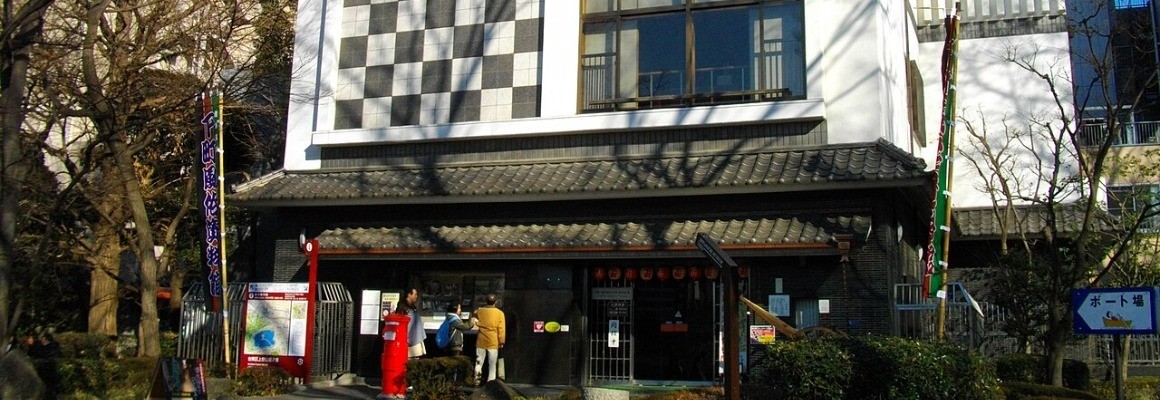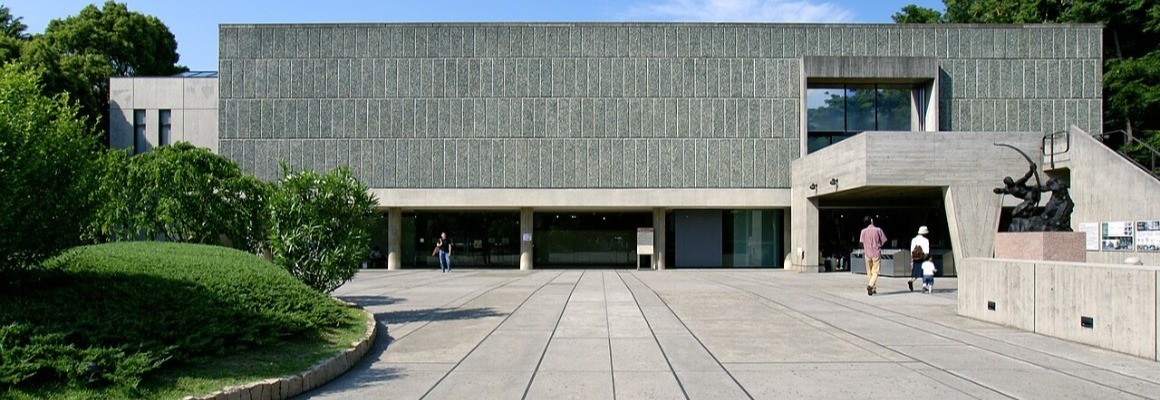

The Samurai Museum in Tokyo is not included in the mandatory tour program for tourists, but it is very important for those who want to unravel the mysterious Japanese soul. It will also be useful for those who are interested in history, especially military history. A small, cozy museum dedicated to the history of samurai is located in the trendy Shinjuku district of Tokyo, the Japanese capital.
History of creation
Before proceeding to the description of the Samurai Museum in Tokyo, it should be said that samurai are unusual warriors from the nobility. Many consider them to be real Japanese knights, ready to give their lives for their Homeland and their master. It is believed that they valued honor more than life, and washed away the shame with their own blood, making hara-kiri with their own hands. Such behavior caused horror and admiration among civilized Europeans and Americans, and the closeness of Japan until the end of the 19th century contributed to the preservation of an atmosphere of romantic mystery around these people. Visiting the Samurai Museum in Tokyo, you can experience the extraordinary beauty and hardness of the samurai spirit.
The exposition of the Samurai Museum in Tokyo
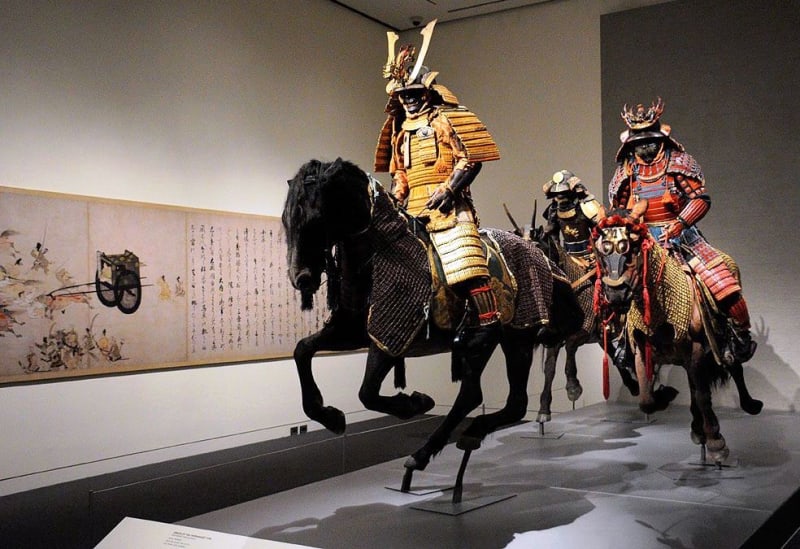
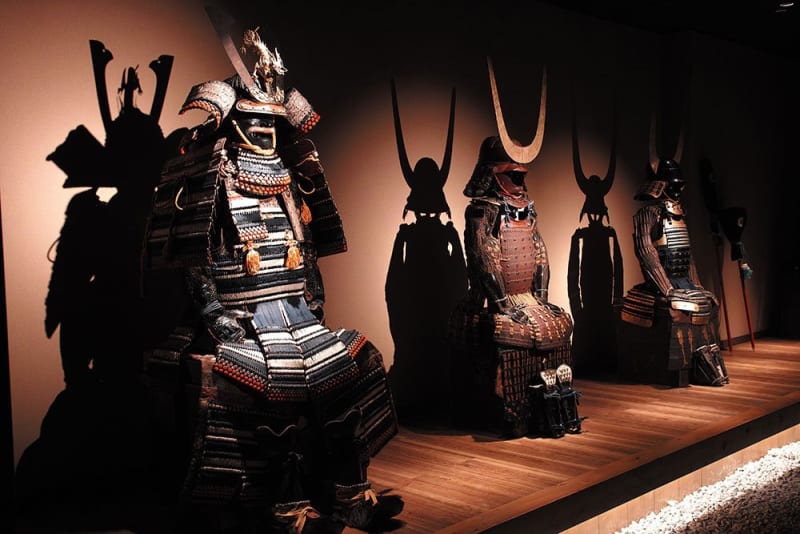
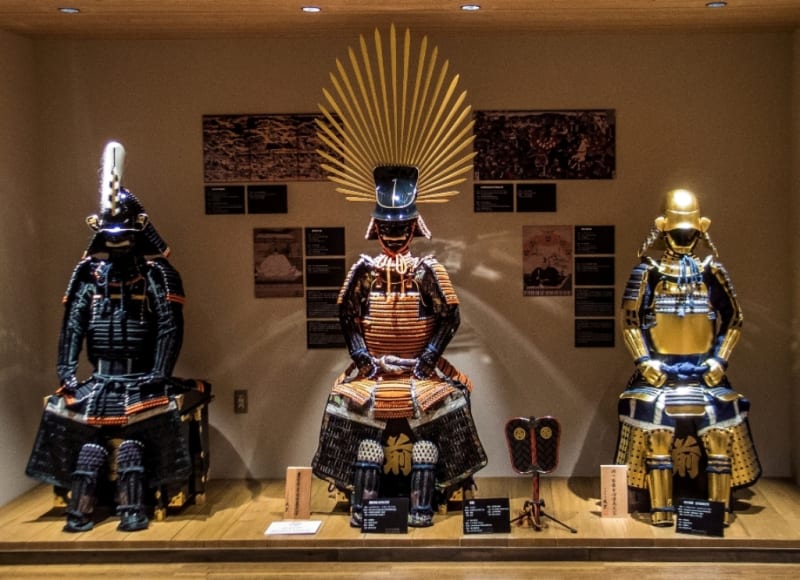
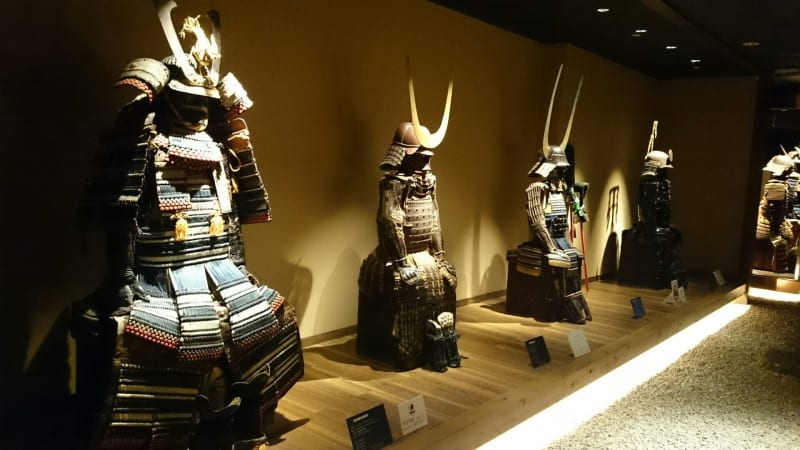
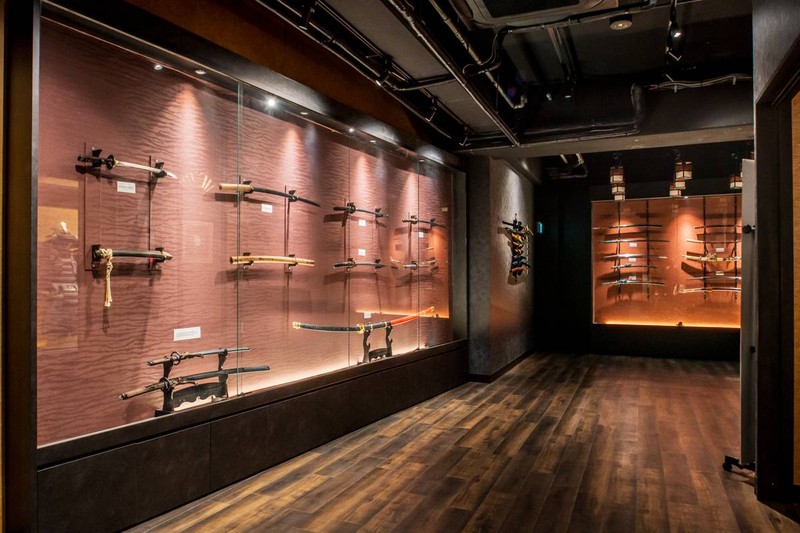
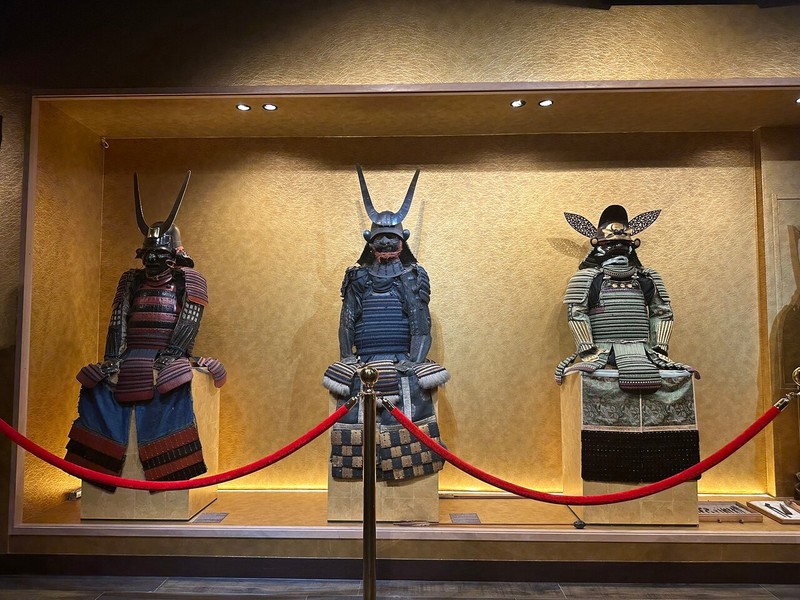
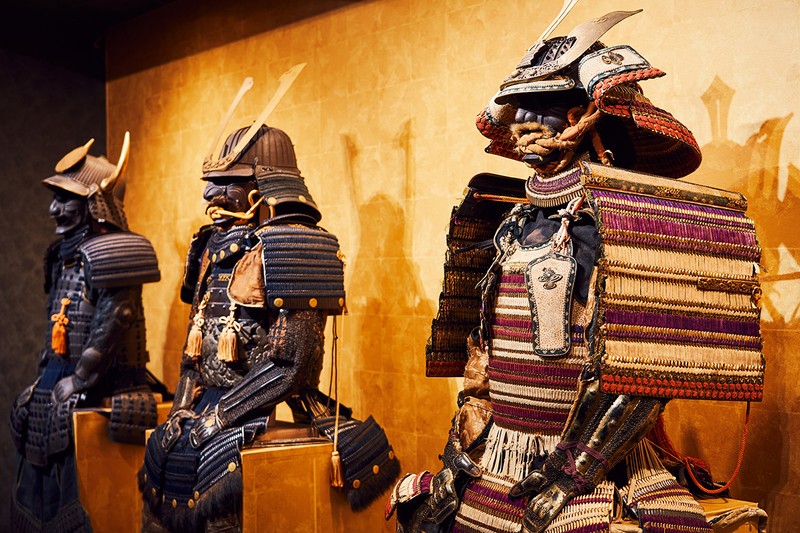
Most of the exhibits are located on the second floor. The guests are particularly interested in the gallery with clothes and protective equipment of the very first samurai. The ancestral distinctive signs of the samurai dynasties are also presented here. Please note that only authentic exhibits are presented in the museum.
From the era when the martial class was being formed, the story begins about the most striking samurai of that time, the swordsman Miyamoto Musashi. The exhibition ends with the Edo period, when the samurai gradually disappeared from the historical and political scene in the 19th century. Weapons and protective equipment are on display in the following halls of the Samurai Museum in Tokyo. These are ancient Japanese swords, helmets, firearms. The exhibition features authentic swords and armor made 700 years ago, and some of the exhibits can be tried on yourself. In the expositions, one can trace how the traditions and goals of the samurai changed, how their relations with the suzerains transformed.
Visitors are particularly enthusiastic about the 15-minute demonstration martial arts on katanas. Concerts of national music are also organized here, and master classes in Japanese calligraphy are held. Group tours take place every 10-20 minutes at the Samurai Museum in Tokyo, but keep in mind that lectures are held only in Japanese, English, Chinese and Korean. Those who wish can dress up in a samurai costume or a Japanese wedding kimono to take a souvenir photo. In the souvenir shop at the Samurai Museum in Tokyo, you can buy unique Japanese souvenirs: katana swords, fans, emblems and T-shirts with samurai symbols.
Gallery