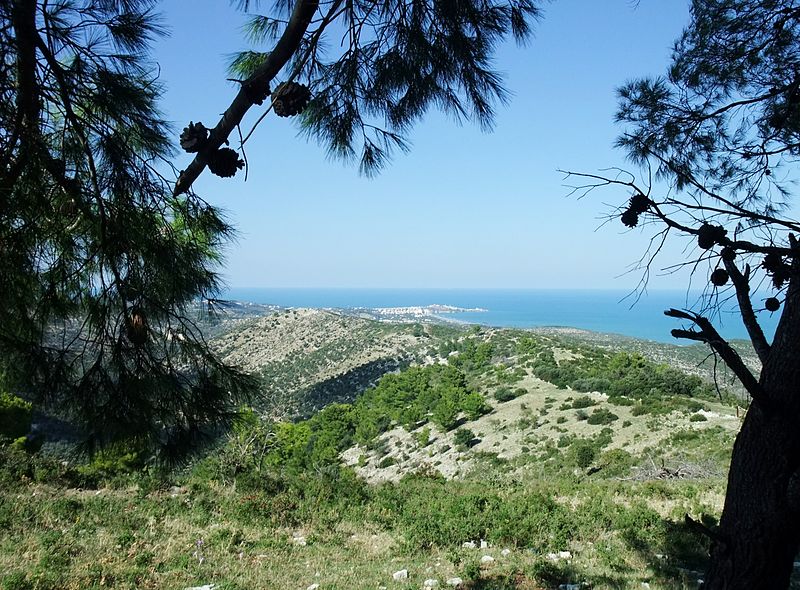
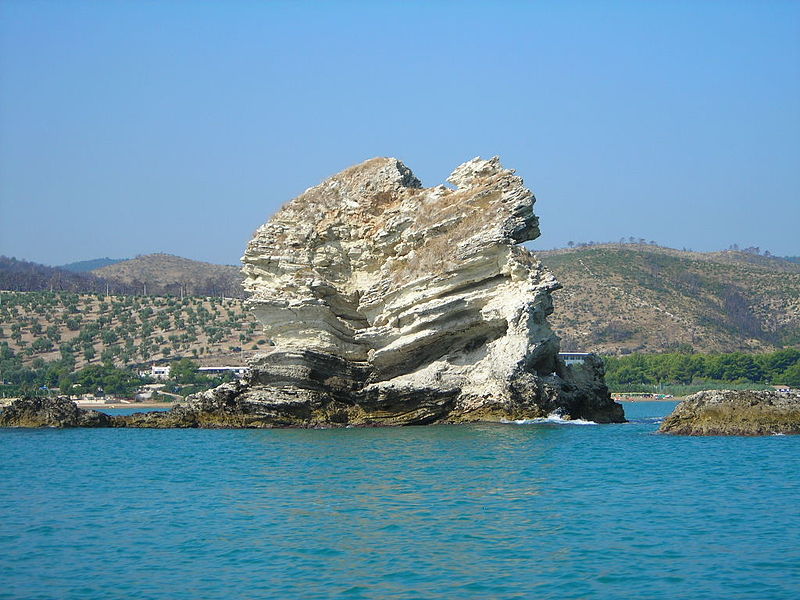
Gargano National Park lies in the Apulia region of southeastern Italy, on a peninsula projecting into the Adriatic Sea and often nicknamed the “spur of the Italian boot.” Its landscapes range from tall limestone cliffs and sea coves to wooded mountains, karst plateaus, agricultural valleys and coastal lakes. The protected area also includes the Tremiti Islands.
The park was established in 1995 and covers more than 118,000 hectares. It protects much of the Gargano Peninsula, Foresta Umbra, wetlands and marine environments. The area is rich in plant and animal life, while historic towns, ancient sanctuaries and traditional settlements add cultural depth to its natural scenery.
Foresta Umbra: the green heart of the park
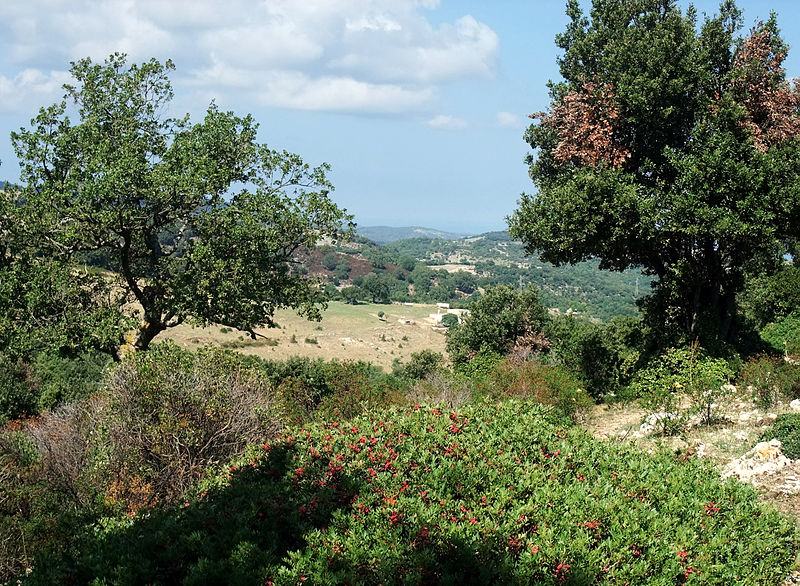
Foresta Umbra is a large woodland in central Gargano and one of the park’s main natural attractions. Its name comes from the Latin word umbra, meaning “shade.” Dense tree canopies provide coolness even in summer, and forest paths pass among beech, oak, hornbeam, maple and other trees.
The forest combines Mediterranean nature with plants more typical of cooler climates. In 2017, its ancient beech forests became part of the UNESCO World Heritage property “Ancient and Primeval Beech Forests of the Carpathians and Other Regions of Europe.”
The small Laghetto di Umbra pond lies beneath the trees and is a peaceful place for a short walk and nature watching. Information facilities near the trails help visitors learn about the ecosystem and available routes.
The coast and sea views
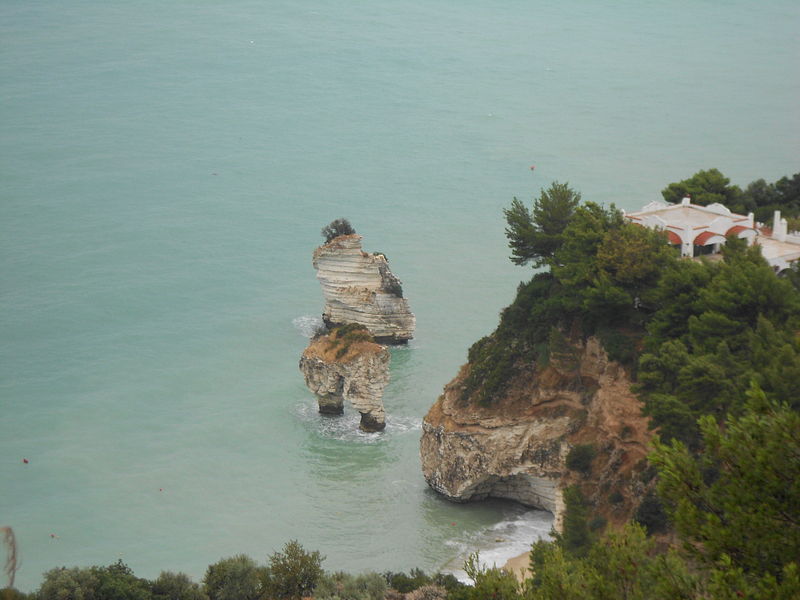
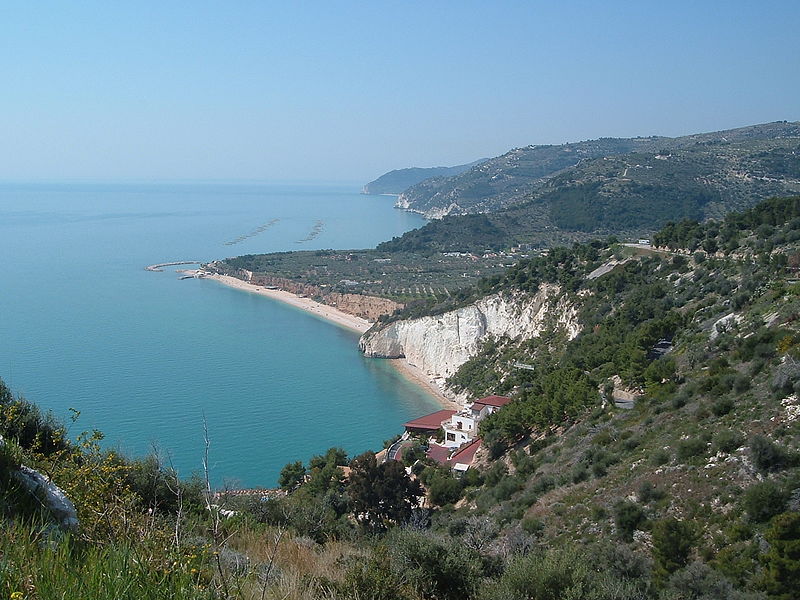
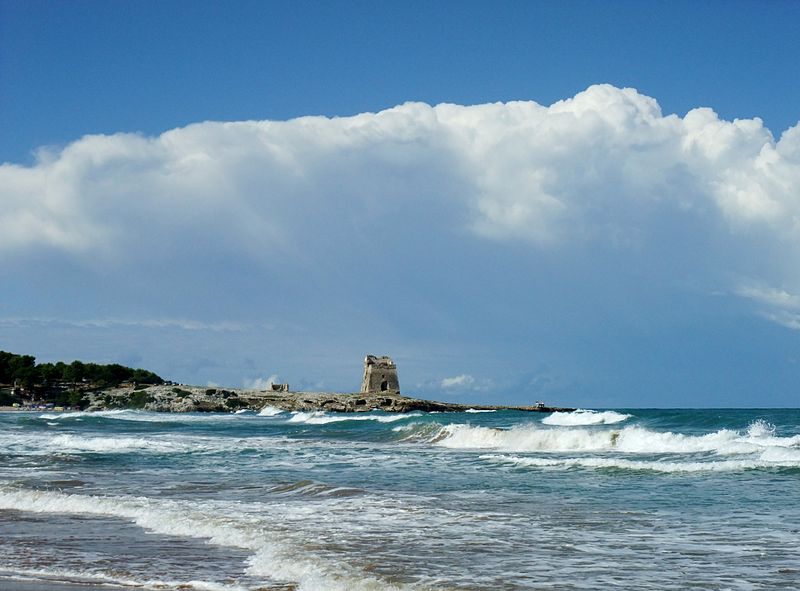
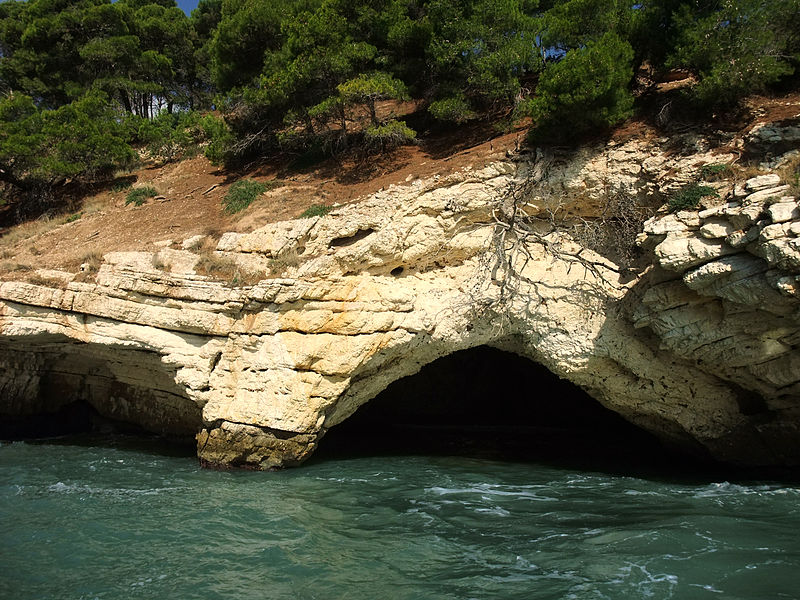
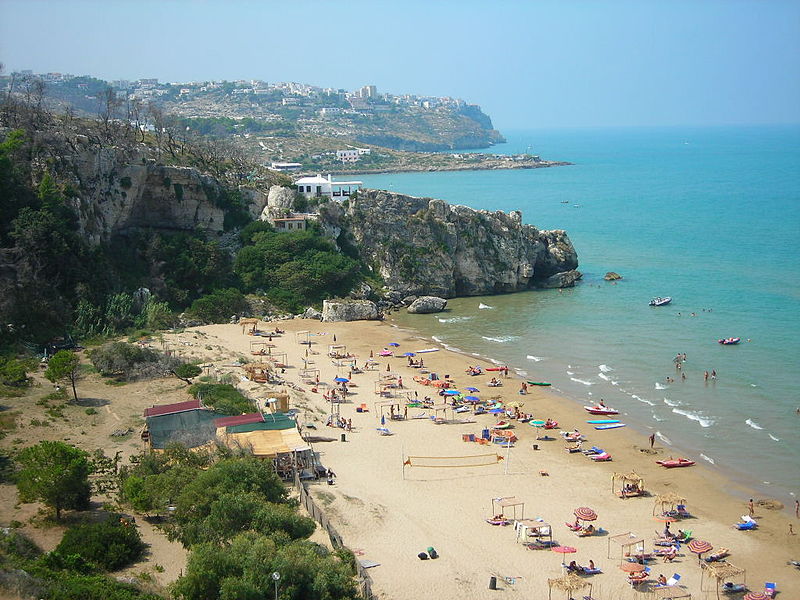
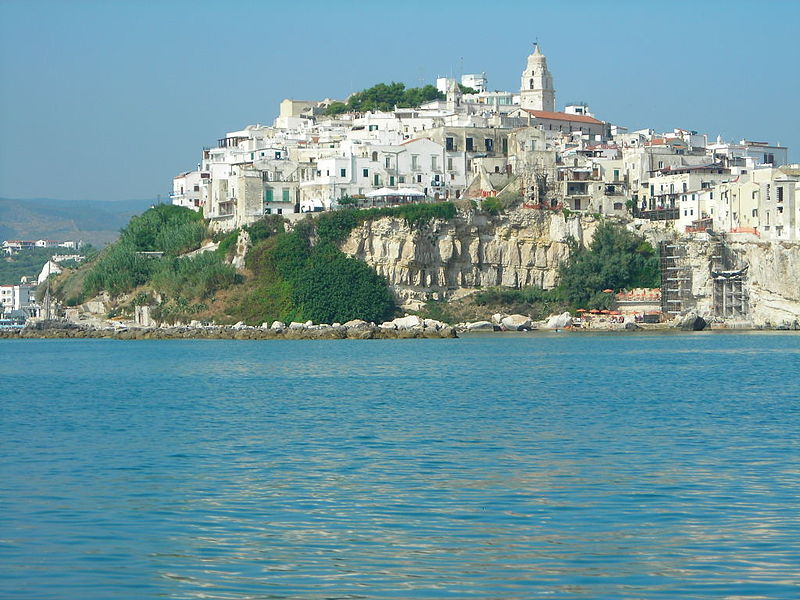
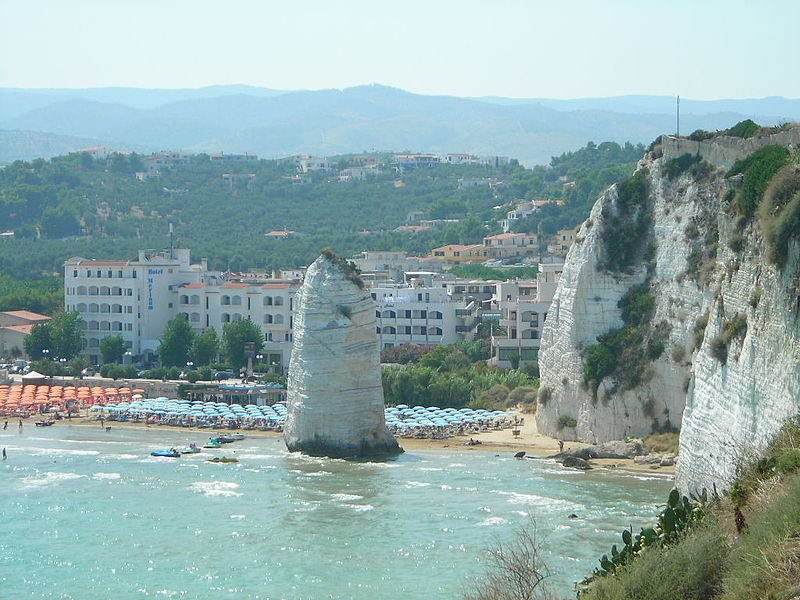
Gargano’s coastline features white limestone cliffs, small beaches, sea caves and sheltered coves with clear water. The coastal town of Vieste stands on a rocky promontory above the sea. Nearby, Pizzomunno is a tall isolated rock beside the beach and one of the best-known symbols of the Gargano coast.
Peschici sits on a rise overlooking the Adriatic. Its old houses, narrow streets and sea views attract visitors interested in history as well as beaches. Along the coast, traditional fishing structures built on wooden stilts, known as trabucchi, recall local fishing traditions.
The Tremiti Islands
The Tremiti archipelago lies in the Adriatic Sea north of the Gargano Peninsula and forms part of the region’s protected natural environment. Its main islands are San Domino, San Nicola and Capraia. They are known for clear water, rocky shores, sea caves and underwater scenery.
San Domino features pine woods and sheltered coves, while San Nicola is known for its historic fortifications and monastic buildings. Boat trips, snorkelling and diving are popular around the islands, although access to some areas may be regulated to protect nature.
Passenger boats generally connect the islands with coastal ports on seasonal schedules. Check departures and marine protection rules in advance, as services depend on the time of year and sea conditions.
The Lesina and Varano Lakes
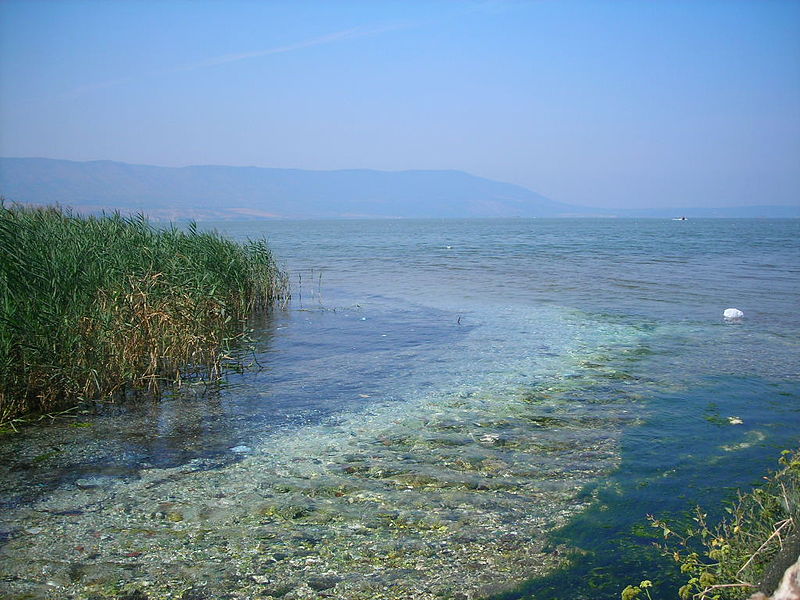
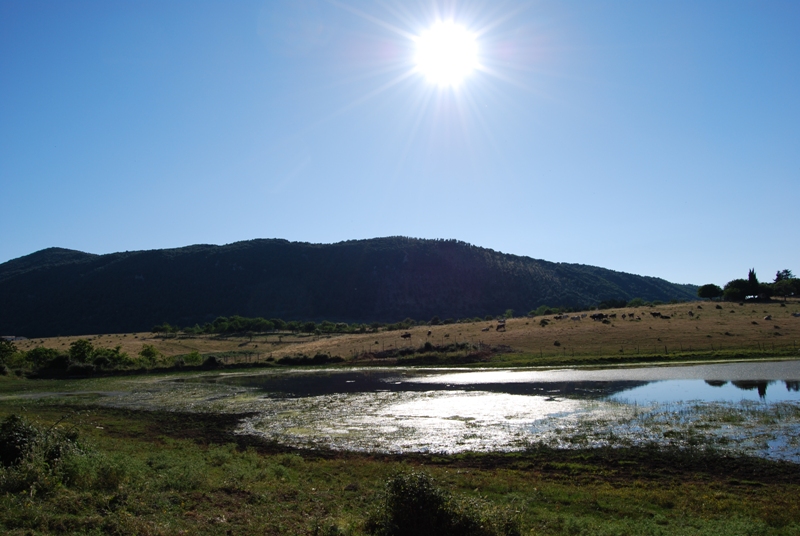
Two large coastal lakes, Lesina and Varano, lie on the northern side of Gargano. Narrow strips of land separate them from the Adriatic Sea. Reeds, wetlands and lagoon habitats around the lakes provide feeding and resting places for many birds.
The area is especially interesting for birdwatching. Herons, cormorants, ducks and other waterbirds can be seen, with greater variety during migration seasons. Fishing is also important to local communities.
Flora and fauna
Gargano’s varied landscapes support a rich plant life. Beech, oak, hornbeam and other broad-leaved trees grow in the forests, while Mediterranean shrubs and pine woods are found in drier areas and near the coast. Spring is a good time to look for wild orchids, of which the region has many species.
The park is home to roe deer, wild boar, foxes, badgers, wildcats and other mammals. Woodpeckers, owls and birds of prey inhabit forests and rocky areas. Wildlife is often easier to spot early in the morning or near dusk, when visitors move quietly.
Hiking trails
Foresta Umbra has a network of marked forest paths totalling around 54 kilometres. The routes pass through beech and oak woods, near small lakes and across areas shaped by karst geology. Signs at many trailheads show directions and approximate walking times.
Inland routes explore forests and hills, while coastal paths offer views of cliffs, coves and the Adriatic Sea. Some trails include steep climbs and rocky sections, so sturdy footwear and drinking water are essential, especially in warm weather.
Historic towns and cultural heritage
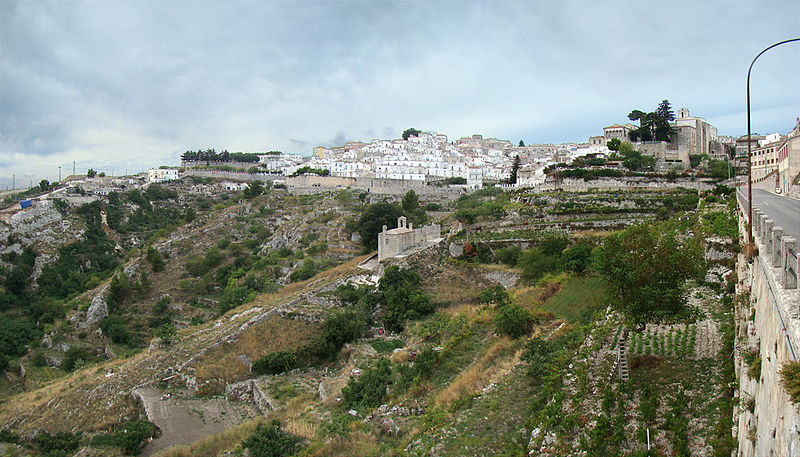
Monte Sant’Angelo is famous for the Sanctuary of Saint Michael the Archangel, an important pilgrimage site with a history dating back to the early Middle Ages. The sanctuary is part of the UNESCO World Heritage property “Longobards in Italy: Places of the Power.”
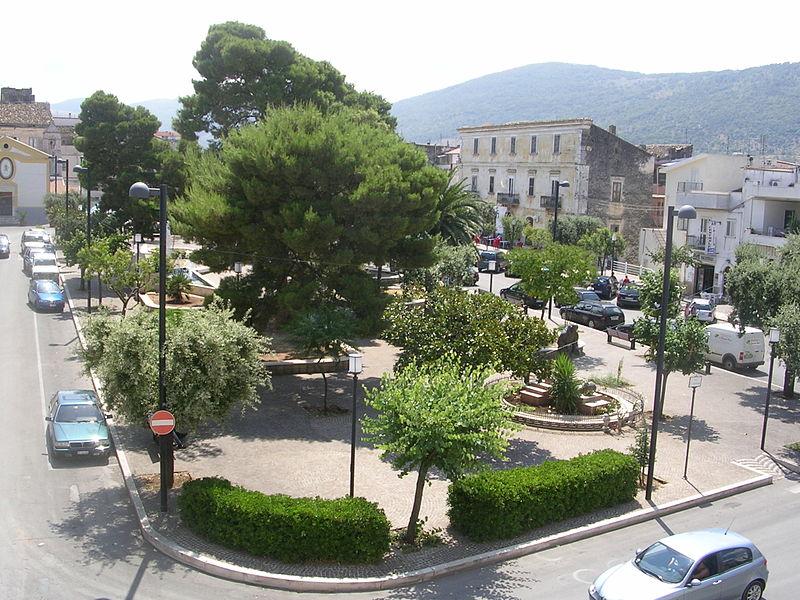
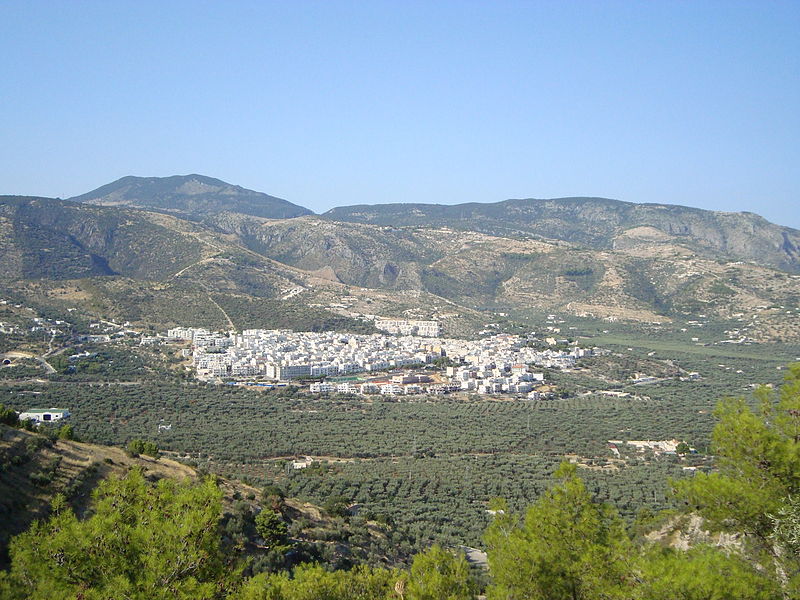
San Giovanni Rotondo is associated with Padre Pio and attracts pilgrims throughout the year. Coastal towns such as Vieste and Peschici preserve historic architecture, while smaller settlements offer opportunities to discover local crafts and traditional food.
How to get there
Foggia and Manfredonia are common starting points for trips to Gargano. The region can be reached by train or bus, followed by local transport or a car. A car is often the most convenient way to reach Foresta Umbra, remote coves and smaller villages.
Roads cross hills, forests and coastal towns. In high season, traffic near popular beaches can be heavy and parking in historic centres is limited. For the Tremiti Islands, choose a departure port and check boat schedules in advance.
When to visit
Spring is ideal for woodland walks and seeing flowering plants, with generally comfortable temperatures. Summer is the main season for beaches and boat trips, but popular resorts can be crowded. Autumn offers quieter scenery and mild weather, although rain becomes more likely.
Allow several days to explore the forest, coast and historic towns. If you plan to visit the Tremiti Islands, account for ferry timetables and possible changes caused by rough seas. Check the forecast and local restrictions before hiking or taking a boat trip.
Visitor guidelines
Gargano National Park protects valuable natural and cultural landscapes. Stay on marked trails, take rubbish with you, avoid damaging plants and do not disturb wildlife. In forest areas, follow fire-prevention rules and never light fires except where explicitly permitted.
In marine protected areas, follow regulations for swimming, diving and boating. Do not collect marine animals or damage underwater vegetation. Responsible behaviour helps preserve the park’s forests, lakes, islands and Adriatic coastline.
Gargano National Park is one of southern Italy’s most varied natural destinations. Visitors can walk beneath ancient beech trees, admire white cliffs above turquoise water, explore coastal lakes and travel to the Tremiti Islands. Its distinctive character comes from the close connection between nature, history and traditional local life.
Gallery