Komodo National Park is one of Indonesia's most remarkable natural areas, located between the islands of Sumbawa and Flores in East Nusa Tenggara. It is famous for Komodo dragons, the largest living lizards, which occur naturally only in a limited part of the Indonesian archipelago. Yet the park offers much more than encounters with these reptiles. Its volcanic islands feature rolling savannas, dry forests, secluded bays, sandy beaches, and exceptionally rich marine ecosystems.
The park protects interconnected terrestrial and marine environments and is one of Indonesia's most valuable conservation areas. The contrast between dry island hillsides and the bright blue water surrounding coral reefs creates striking scenery. Visitors come to observe wildlife, hike with rangers, snorkel, dive, and discover the distinctive landscapes of the Lesser Sunda Islands.
History of the National Park
Komodo National Park was officially established on March 6, 1980. Its original purpose was to protect the Komodo dragon and preserve its habitat. The protected area was later expanded to include additional islands and extensive marine areas. In 1991, UNESCO added the park to the World Heritage List in recognition of its exceptional natural value and importance for biodiversity conservation.
The area is also scientifically significant. It lies in Wallacea, a biogeographic transition zone between Asian and Australian natural regions. Species with different evolutionary origins occur here, and the isolation of the islands has helped shape distinctive ecological communities. The combination of unusual terrestrial wildlife and rich marine life makes the park an important research destination.
The Komodo Dragon
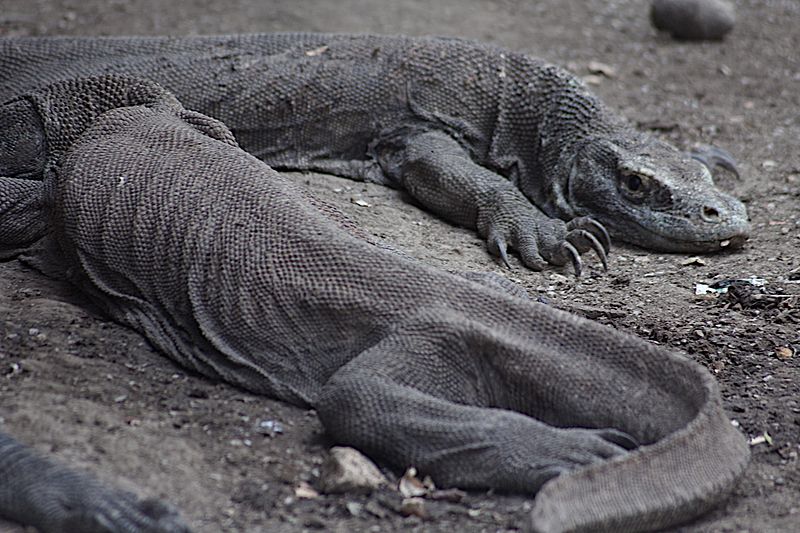
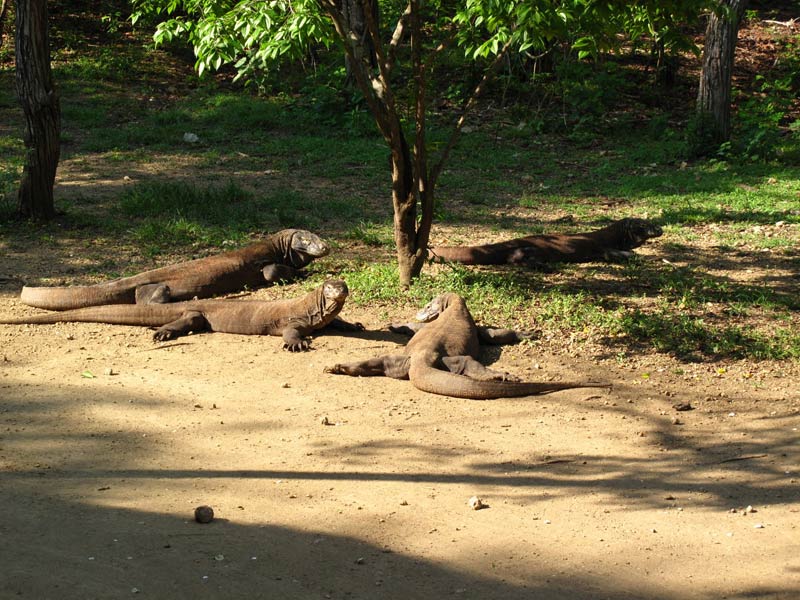
The park's best-known inhabitant is the Komodo dragon, the largest living lizard. Adults commonly reach around two to three metres in length. Their heavy bodies, powerful limbs, long tails, and sharp claws give them an imposing appearance. These reptiles are predators and play an important role in island food webs.
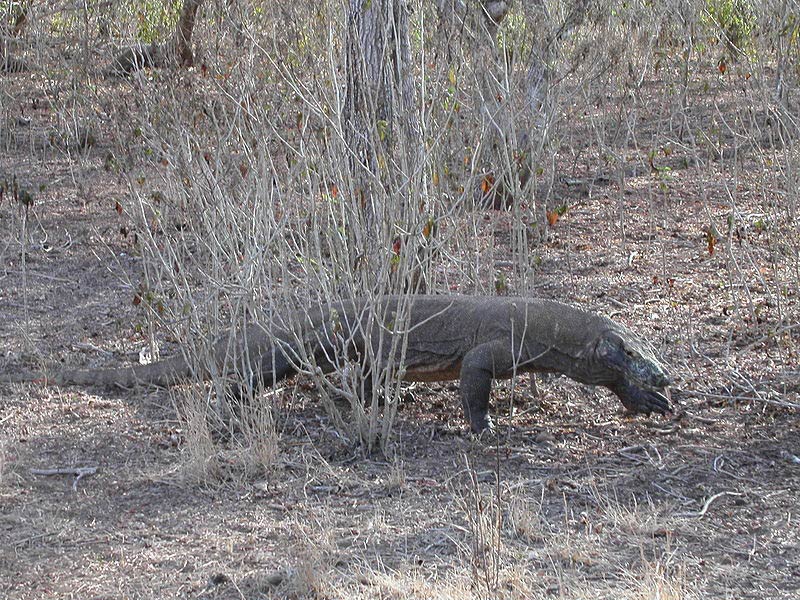
Komodo dragons live on Komodo and Rinca and on several other islands and nearby areas. Their natural range is limited, making the protection of their populations particularly important. They are adapted to hot, relatively dry conditions and inhabit savannas, open woodland, and other areas where they can find shelter and prey.
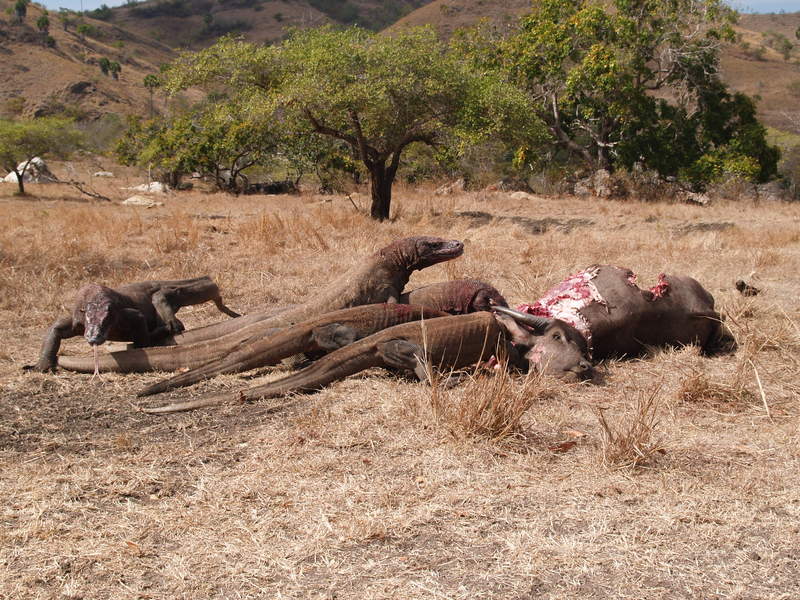
Despite their seemingly slow movements, Komodo dragons can move quickly over short distances. They hunt various animals, including deer and wild pigs, and also feed on carrion. Visitors should observe them only from a safe distance and with an authorized ranger or naturalist. Approaching, touching, or feeding the animals is prohibited.
Komodo, Rinca, and Padar Islands
Komodo Island gave its name to the entire park. Its landscape consists of hills, rocky ridges, dry valleys, and savanna. Depending on the season, the slopes change colour: vegetation becomes greener after rain, while golden and brown tones dominate during the dry months. Guided walks follow designated routes, and rangers explain dragon behaviour and the local environment.
Rinca is another important island with a population of Komodo dragons. Its scenery resembles Komodo, with hills, dry savannas, open woodland, and valleys. Guided walks introduce visitors to the animals' hunting behaviour, use of shelter, and adaptation to seasonal changes. Timor deer, wild pigs, and many bird species also occur on the island.
Padar is famous for panoramic views of its hills, winding coastline, and bays that curve around narrow headlands. Trails lead to viewpoints across exposed slopes, sometimes with little shade. Comfortable shoes, drinking water, and sun protection are essential. In the wet season the hills turn green, while dry-season grasses take on yellow and golden hues.
Beaches and Marine Landscapes
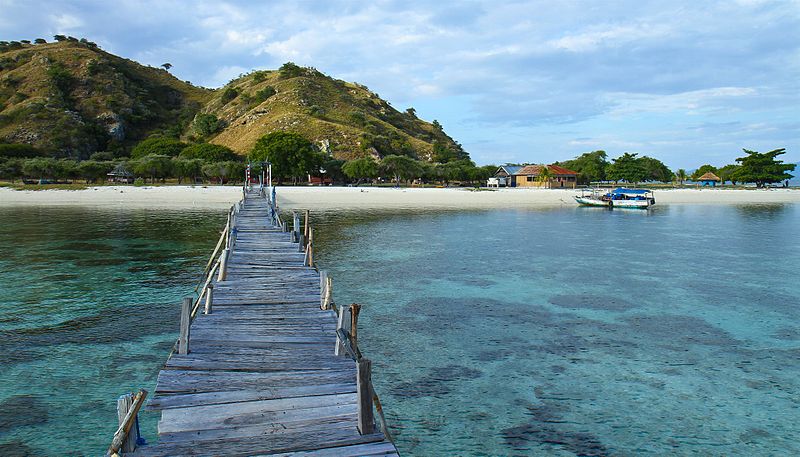
The park's coastline is highly varied, with pale sandy beaches, darker sand, rocky shores, small bays, and steep headlands. One of the best-known locations is Pink Beach, where the sand can appear softly pink due to fragments of red organisms associated with coral reefs mixed with lighter sand. The intensity of the colour varies with the light and the condition of the shore.
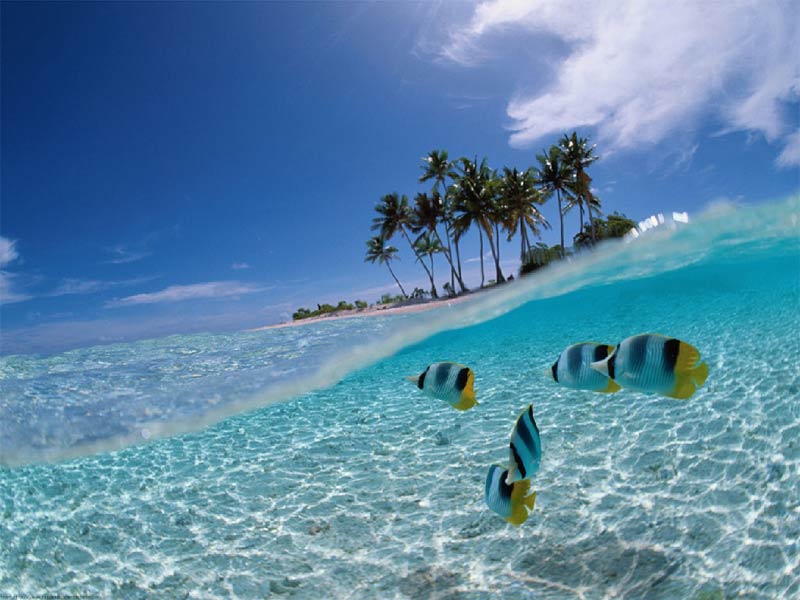
The marine park includes coral reefs, seagrass beds, and mangrove habitats. These environments support a wide variety of fish and other marine organisms. Snorkellers may see colourful reef fish, molluscs, and starfish, while other areas are known for manta rays, sea turtles, and some shark species.
Komodo is a world-renowned diving destination, but strong and changing currents occur in some channels and passages. Dive sites should be chosen according to experience, weather, and professional guidance. Visitors should never stand on or touch coral or chase marine animals for photographs.
Wildlife and Vegetation
Beyond the Komodo dragon, the park supports Timor deer, wild pigs, macaques, other reptiles, and many birds. Notable regional birds include the yellow-crested cockatoo and megapodes, which use heat from the ground to incubate their eggs. Some species are vulnerable because of habitat loss and other pressures.
The vegetation is adapted to a relatively dry climate. Many slopes are covered by savanna grasses and scattered trees, while more sheltered areas support seasonal forest and dense thickets. During the wet season, the hills become green; in the dry season, grasses dry out and the landscape becomes more open.
Climate and Best Time to Visit
Komodo has a tropical climate with distinct wet and dry seasons. During the dry months, the hills are often covered in yellow grass, and the sea can be especially clear when conditions are favourable. In the wet season, the islands become greener, but rain and sea conditions can affect boat schedules and access to particular routes.
Morning is generally a good time for hiking, before the sun heats the exposed slopes. Bring water, a hat, and shoes with good grip. Conditions for boat trips and diving should be checked shortly before departure because wind and currents can change.
How to Reach the Park
Labuan Bajo on Flores is the main starting point for most visitors. Boats and tour vessels travel from there to the islands of the national park. Options include day trips and multi-day voyages with overnight accommodation on board. Journey times depend on the vessel, weather, and distance to the planned stops.
Before travelling, check current park regulations, ticket and permit costs, available routes, and any access restrictions. Conditions can change to protect the environment. Choose responsible operators and confirm whether ranger guidance and necessary safety equipment are included.
Responsible Visitor Guidelines
During walks, stay on authorized trails, follow ranger instructions, and keep away from Komodo dragons. Feeding or touching wildlife, leaving litter, collecting plants, or damaging natural features is prohibited. On marine trips, follow safety instructions and avoid harming coral reefs.
Komodo National Park combines encounters with the world's largest lizards, the panoramas of Padar Island, unusual beaches, and a rich underwater world. Its value lies not only in spectacular scenery but also in the protection of rare species and interconnected land and marine ecosystems. Responsible tourism helps preserve this unique natural heritage for future generations.
Gallery