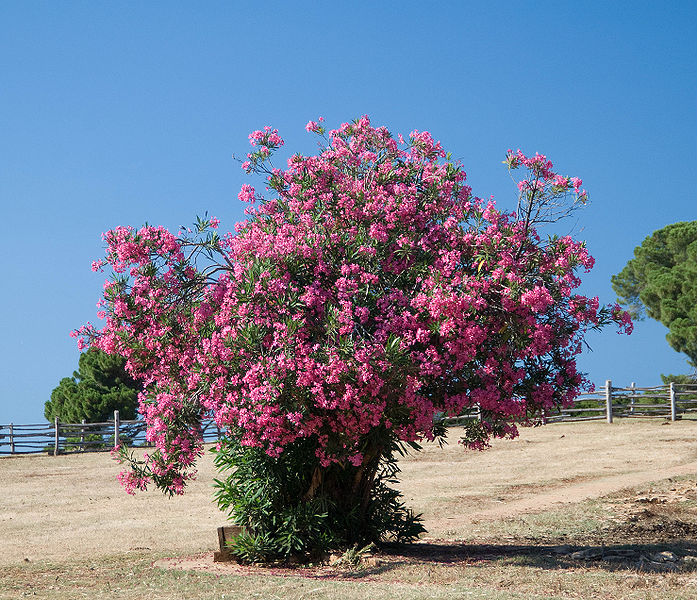
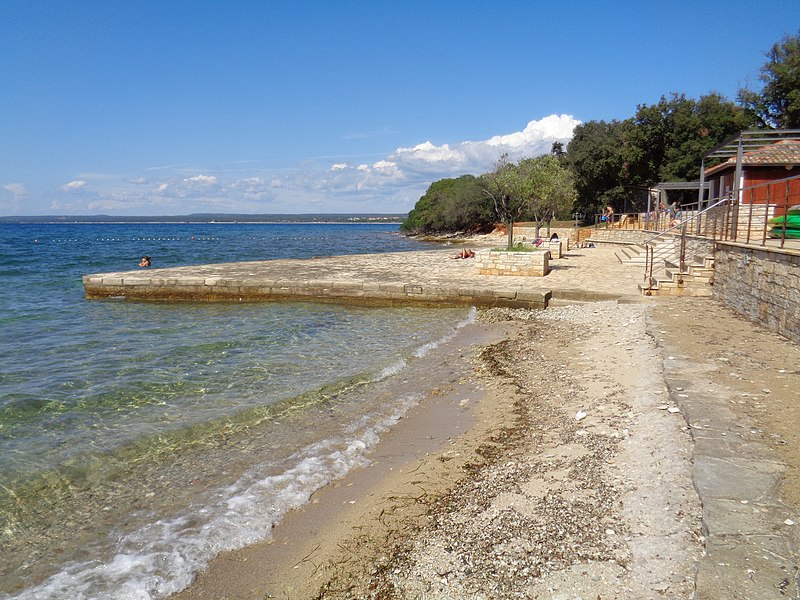
Brijuni National Park is a distinctive destination on Croatia’s coast, where Mediterranean nature meets archaeological sites and historic residences. The archipelago lies off the western coast of the Istrian Peninsula, near Pula. Visitors can walk among pine and oak trees, see animals in the safari park, explore ancient ruins and enjoy views of the Adriatic Sea.
Brijuni consists of 14 islands and islets. Veliki Brijun is the largest and most visited island, and most visitors arrive here to discover the archipelago’s natural and historical heritage. It makes an excellent day trip for travellers exploring Istria.
Where is Brijuni National Park?
The archipelago lies in the Adriatic Sea off southwestern Istria. The Fažana Channel separates the islands from the mainland, and the coastal town of Fažana is the main departure point for boat transfers. It is close to Pula and easy to include in an Istrian itinerary.
The national park includes the islands and surrounding marine area. Its landscapes feature Mediterranean vegetation, bays and varied habitats, alongside traces of human activity from several historical periods.
History of the islands
People lived on Brijuni in prehistoric times. Archaeological discoveries reveal a long history of settlement, including remains of Roman villas and other structures. In the late nineteenth century, industrialist Paul Kupelwieser developed the islands as an exclusive holiday destination, creating landscaped grounds and visitor facilities.
During the twentieth century, Brijuni became widely known as a residence used by Yugoslav leader Josip Broz Tito. Foreign political leaders and other prominent guests visited the islands. Today, this history remains an important part of the archipelago’s identity, although access to some areas may be restricted.
Veliki Brijun, the main island
Veliki Brijun is the largest island and the centre of most visitor facilities. Its landscape combines woodland, meadows, landscaped parks, bays and historic buildings. One popular way to explore it is by tourist train, which connects several attractions during a single excursion.
Visitors with the appropriate ticket can also explore the island independently on foot or use transport options offered by the park. Check current visitor rules, opening arrangements and restrictions before travelling.
Safari park and wildlife
The safari park is one of Brijuni’s best-known attractions. Animals introduced to the island during the last century live in open areas, including deer and mouflon. The archipelago is also home to many birds, while its woodland, meadows and coastline support a variety of wildlife.
Observe animals quietly and from a distance, and do not feed them. The safari park is best enjoyed as part of a wider island visit that also includes historic landscapes and natural scenery.
Dinosaur footprints
Fossilised dinosaur footprints are another remarkable feature of Brijuni. These traces were left by ancient reptiles millions of years ago and reveal a geological history far older than the islands’ human settlements and Roman remains.
The footprints are located at specific sites, so follow the signs and park rules. Do not touch or attempt to clean the surfaces, as these traces are fragile and need protection.
Roman ruins and archaeology
Archaeological heritage is one of the main reasons to visit Brijuni. Veliki Brijun contains remains of Roman villas, farm buildings and other structures from antiquity. Verige Bay is particularly notable for the remains of a large Roman residential complex associated with the coast.
The islands also preserve evidence of later periods, including Byzantine structures and medieval churches. Visitors interested in history may prefer a guided excursion or can read the national park’s information before arriving.
Nature and vegetation
Brijuni is known for Mediterranean vegetation, mature woodland, meadows and landscaped parks. Evergreen oaks, pines, olive trees and shrubs adapted to the mild climate grow across the islands. Some areas retain a natural appearance, while others reflect centuries of landscaping.
Veliki Brijun is home to an ancient olive tree believed to be around 2,000 years old. It is one of the island’s natural symbols. The marine part of the park is also ecologically important, so visitors should follow navigation rules and avoid leaving waste behind.
Mali Brijun and the other islands
Although most visitor programmes focus on Veliki Brijun, the archipelago includes other islands with distinct landscapes. Mali Brijun is known for its more natural scenery, Mediterranean scrub and historic sites. Visits may be available only through specific programmes and are subject to access arrangements.
Not every island is open for unrestricted visits. Check permitted routes and current rules with the national park before planning a boat trip.
How to get to Brijuni
The main route to the islands starts in Fažana on the western coast of Istria. Boats operate from here to Veliki Brijun, and the crossing takes about 15 minutes. Total travel time depends on the boat schedule and the excursion you choose.
Fažana can be reached by car from Pula and other towns in Istria. Parking is available in the town, and public transport from Pula is another option. Advance booking is recommended for popular excursions, especially during the summer season.
Best time to visit
Spring, summer and early autumn are the most popular periods. In spring, the islands are especially green. Summer allows visitors to combine sightseeing with time by the sea, although it can be busier. Early autumn often brings milder weather and fewer visitors. Boat schedules and services may change outside the main season.
How much time should you allow?
A half-day is a convenient choice for a first visit. It allows time for the boat crossing, the main excursion stops and a walk around accessible areas. Travellers who want to explore archaeological sites and natural landscapes in more detail should plan a longer stay.
Practical tips
Check boat times, visitor rules and the availability of attractions before travelling. Bring comfortable shoes, drinking water, a hat and sun protection. Do not leave rubbish, damage archaeological remains, feed animals or stray from permitted routes.
Why visit Brijuni National Park?
Brijuni National Park brings together Mediterranean nature, dinosaur footprints, Roman ruins, historic buildings and the safari park. It is an excellent day trip from Istria for travellers who want to experience Croatia’s natural and cultural heritage beyond its beaches and coastal towns.
Gallery