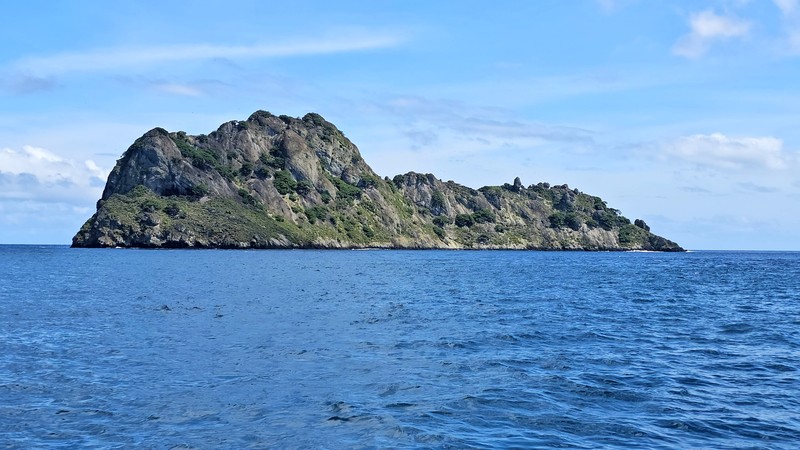
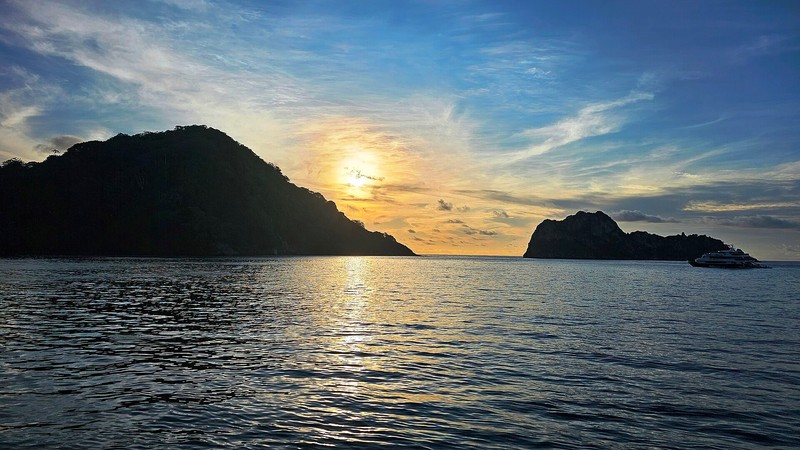
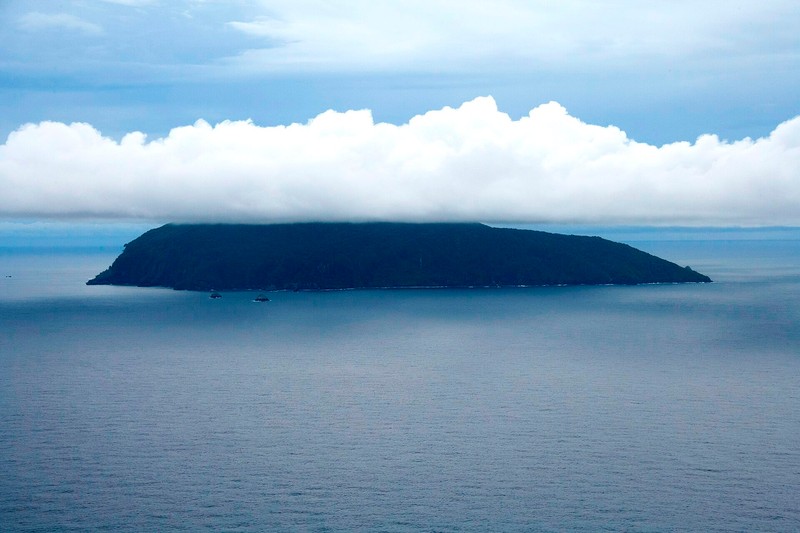
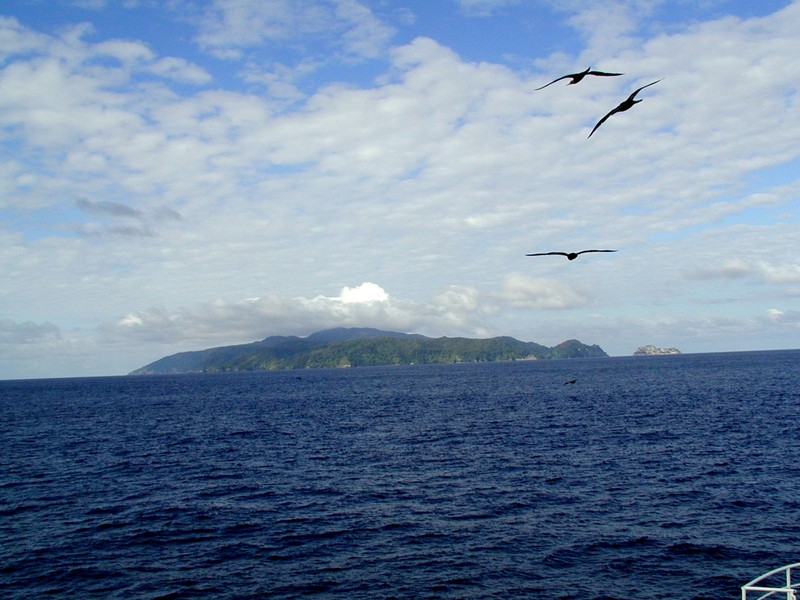
Cocos Island National Park is a unique protected area in the eastern Pacific Ocean belonging to Costa Rica. The island lies about 500–550 km from the country's mainland coast and is known for dense tropical forests, waterfalls, rocky shores and exceptionally rich underwater life. Its remoteness has helped preserve valuable natural ecosystems, while the surrounding waters have become one of the world's best-known places to observe large marine animals.
Where Cocos Island Is Located
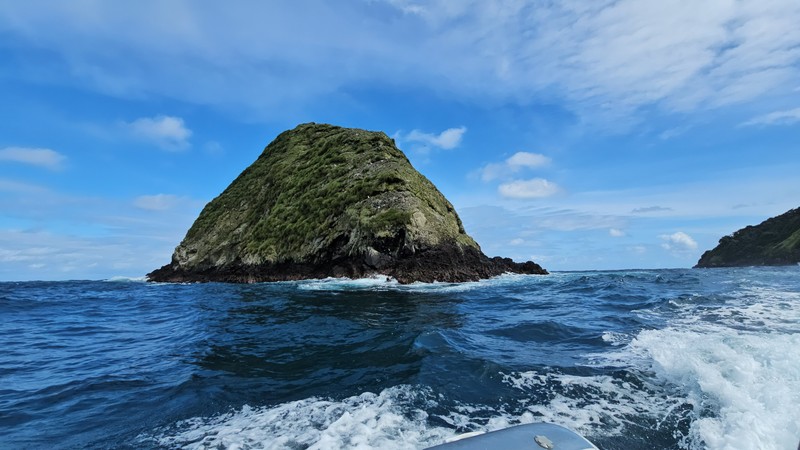
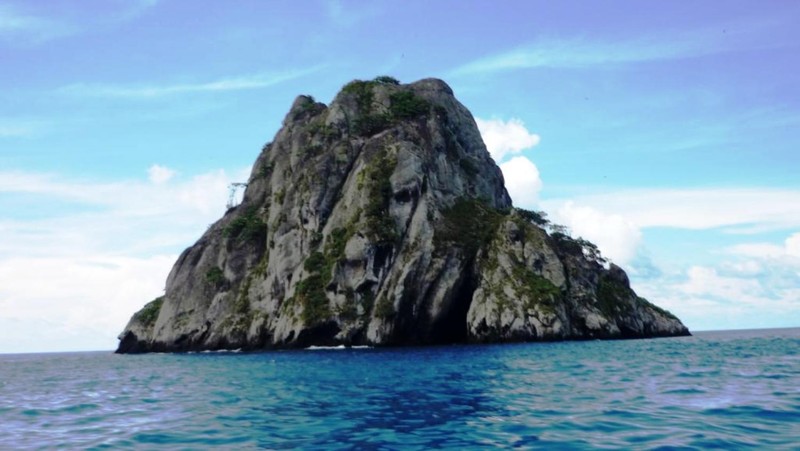
The island lies in the Pacific Ocean, southwest of the Nicoya Peninsula, and administratively belongs to Costa Rica's Puntarenas Province. It is a volcanic oceanic island surrounded by small rocky islets and an extensive protected marine area. Its position where ocean currents meet supports high marine productivity and attracts many migratory species.
The national park was established in 1978 to preserve the island's natural environment and marine ecosystems. In 1997, the area became a UNESCO World Heritage Site, and in 1998 it was recognized as a wetland of international importance under the Ramsar Convention.
Tropical Forests, Rivers and Waterfalls
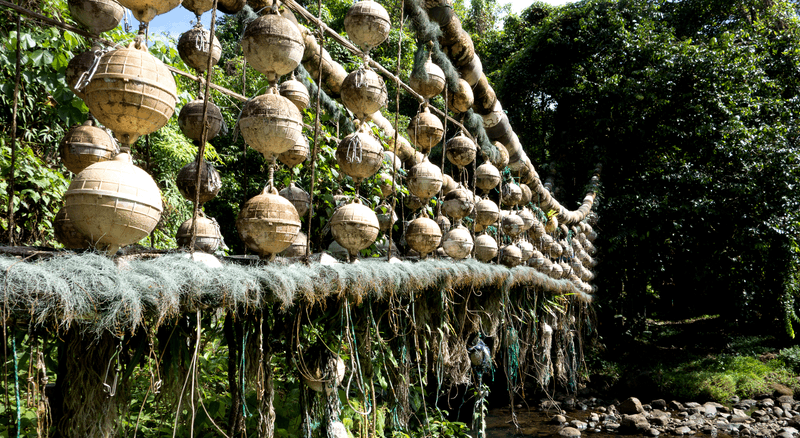
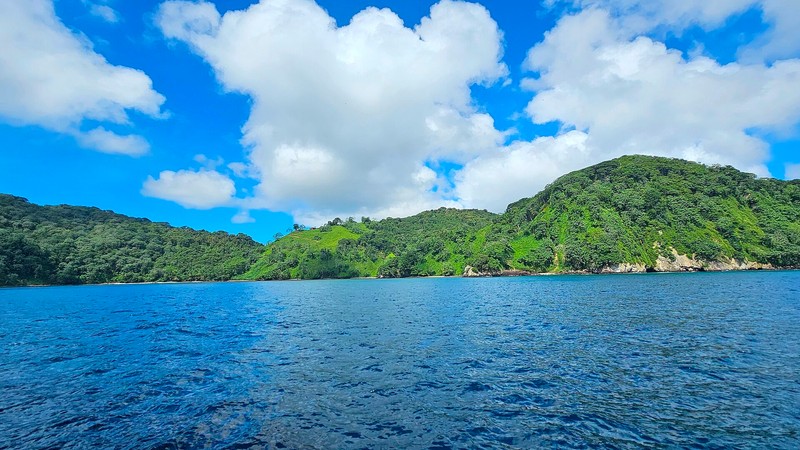
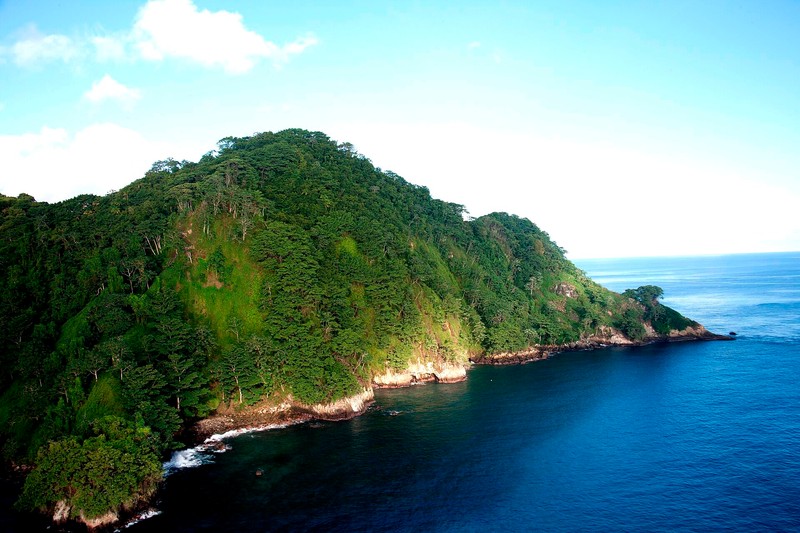
Cocos Island is covered by humid tropical forest, considered unique among oceanic islands in the tropical eastern Pacific. Cloud forests cloak the higher elevations in mist and moisture. Ferns, bromeliads, palms and other plants adapted to the humid climate grow here.
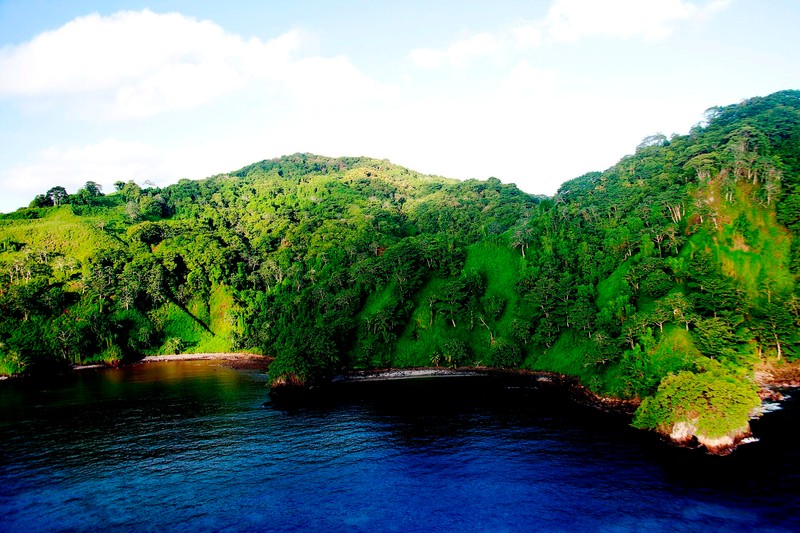
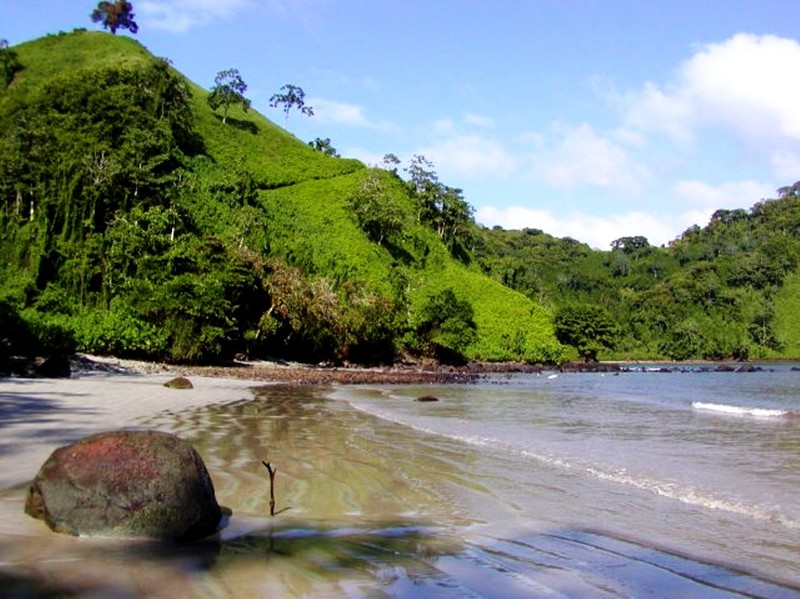
The island's rugged terrain includes steep slopes, deep valleys, cliffs and rocky shores. Numerous streams and rivers form picturesque waterfalls. Small bays and rocky headlands appear among the greenery, while frequent tropical rain sustains dense vegetation throughout the year.
Marine Biodiversity
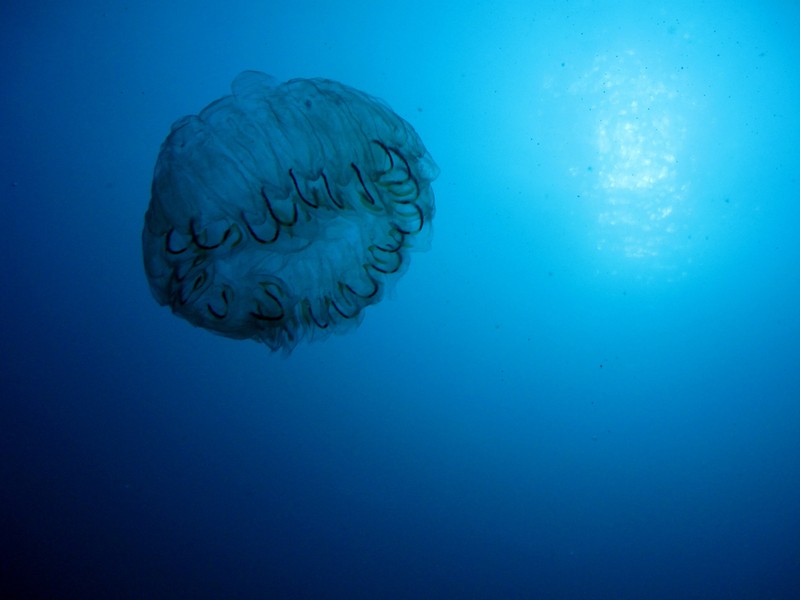
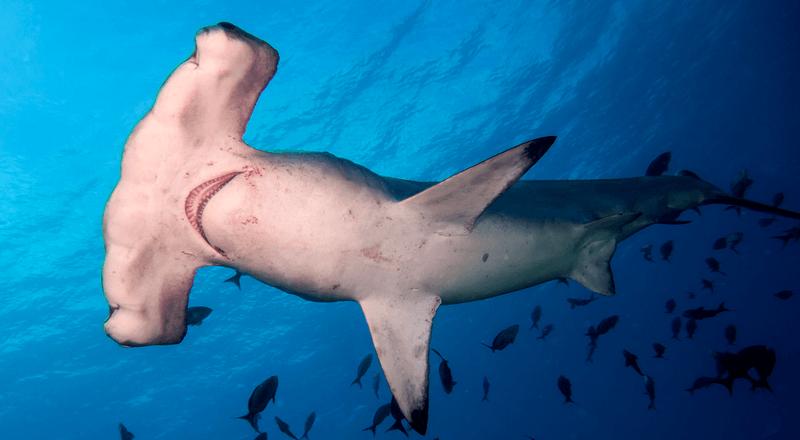
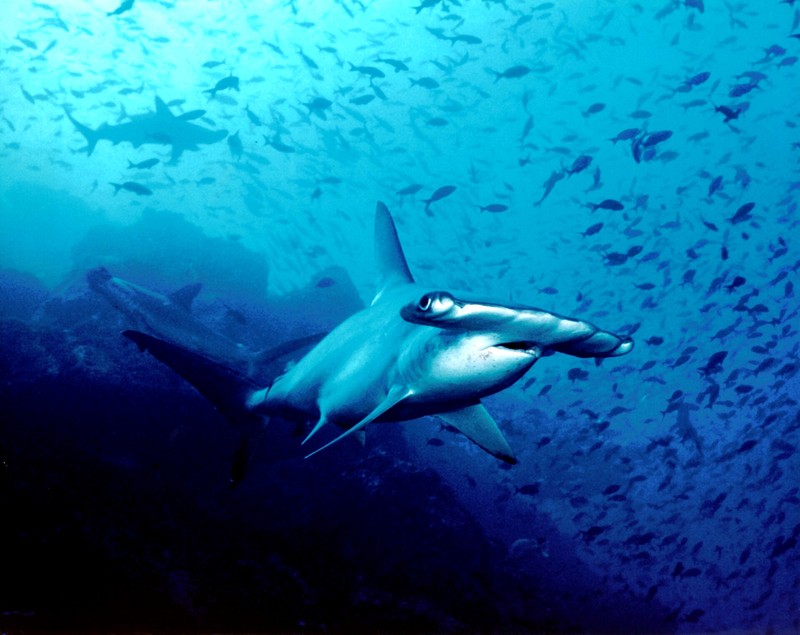
The national park's greatest natural asset is its rich marine life. Waters around the island are home to hammerhead sharks, whitetip reef sharks, Galápagos sharks, rays, tuna, dolphins and many species of tropical fish. Ocean currents carry nutrients and create conditions that attract large pelagic animals.
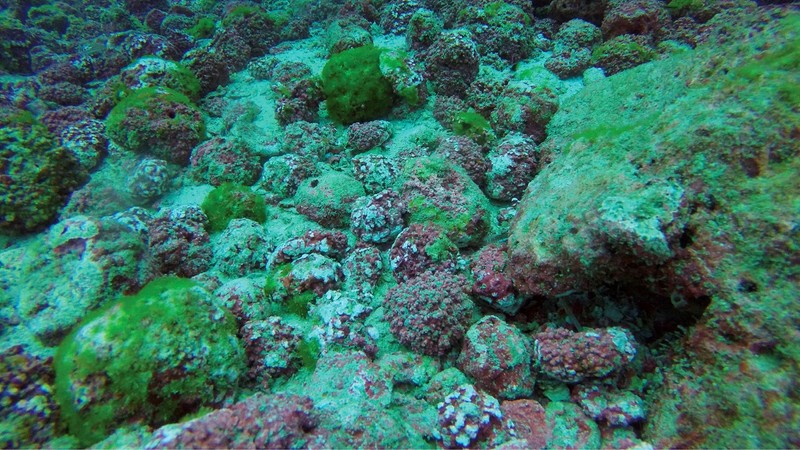
The protected area contains coral communities, underwater pinnacles and small islets where fish and marine predators gather. The island's isolation has also encouraged endemic plants and animals to evolve. Rare birds, reptiles and freshwater fish live on land, including species found nowhere else but Cocos Island.
Diving and Wildlife Watching
Cocos Island is particularly famous among divers. Underwater excursions offer opportunities to observe large sharks, rays, schools of fish and other marine animals in their natural environment. Underwater landscapes include rocky formations, reefs and areas with strong currents, so diving conditions can be challenging and require appropriate experience, equipment and qualified guides.
In addition to diving, visitors can explore authorized trails, see waterfalls and tropical forest, and enjoy coastal scenery. Land-based activities are limited by national park regulations and the need to protect the fragile natural environment.
Bays and Coastal Attractions
Wafer Bay and Chatham Bay are among the main visitor areas. They serve as landing points and starting places for exploring the island with park staff and authorized operators. The coastline combines small beaches, rocks, cliffs and dense vegetation that in places grows almost to the water's edge.
The island has no ordinary tourist towns or permanent settlement. Human presence is limited to conservation staff, scientists, volunteers and organized visitors. This remoteness helps preserve the area's natural character but makes careful trip planning essential.
How to Reach the National Park
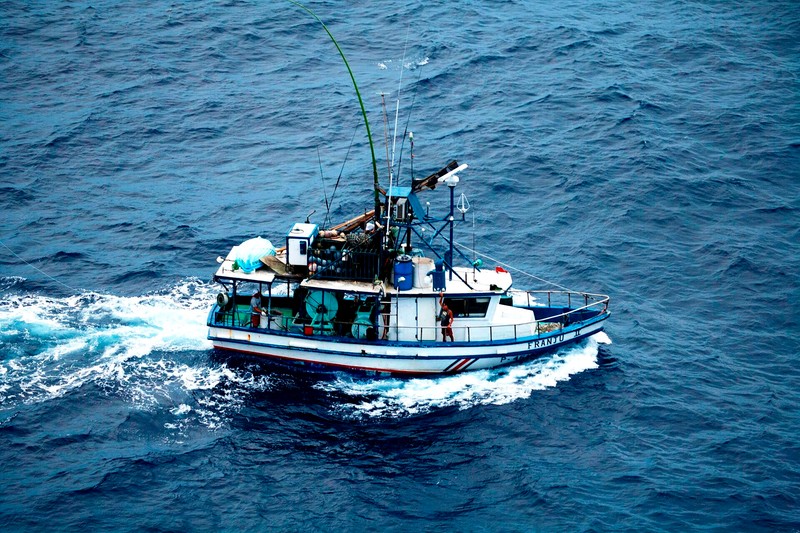
Cocos Island can be reached only by sea from Costa Rica. Trips usually begin near the port of Puntarenas, and the boat journey takes approximately 30–36 hours depending on the route and weather. Many visits are organized as multi-day expeditions, including trips designed for divers.
Because of the distance, ocean conditions and strict conservation rules, travel should be arranged in advance with the park authorities or a licensed operator. Before departure, confirm permits, landing procedures, available routes and requirements for divers.
Visitor Rules and Conservation
Cocos Island National Park is important for protecting marine species and unique island ecosystems. Visitors must follow staff instructions, avoid disturbing wildlife, never touch corals, refrain from collecting plants or natural objects, and take all litter away. Divers should be especially careful and never approach marine animals for photographs.
The island has a humid climate, frequent heavy rain and rapidly changing weather. Suitable footwear and rain protection are essential for walks, while marine activities require strict attention to safety. Visiting this remote area offers a chance to experience one of Costa Rica's most remarkable natural regions and understand the importance of conserving ocean biodiversity.
Gallery