Cahuita National Park is one of the major natural attractions on Costa Rica’s Caribbean coast. Located in Limón Province near the village of Cahuita, it is known for its combination of tropical forest, white-sand beaches, turquoise water, and coral reefs. It is an excellent destination for hiking, wildlife watching, and discovering the underwater world of the Caribbean Sea.
History and features of the park
Cahuita has a close relationship with its local community: nature conservation involves both government services and residents. This shared management model helps combine ecosystem protection with sustainable development of local tourism.
The park protects coastal tropical forest, beaches, and an extensive marine area. Its coral reef is considered one of the most developed along Costa Rica’s Caribbean coast. The name Cahuita is associated with local words “Kawe,” referring to the sangrillo tree, and “Ta,” meaning a cape or point of land.
Coral reef and marine life
The park’s main natural feature is its coral reef, home to a wide range of marine organisms. Different corals, tropical fish, sea cucumbers, lobsters, and sea turtles can be found here. Notable underwater species include brain corals, elkhorn corals, and sea fans.
Snorkelling excursions operate in designated parts of the marine area. Visitors can observe coral formations and fish in their natural habitat. These trips depend on weather, sea conditions, and reef protection rules, so availability should be checked in advance. Do not stand on or touch corals, or remove marine organisms.
Tropical forest and wildlife
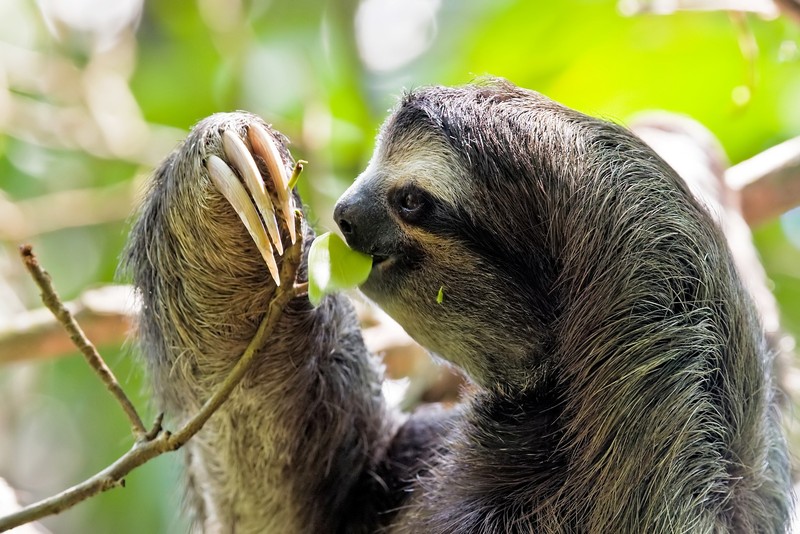
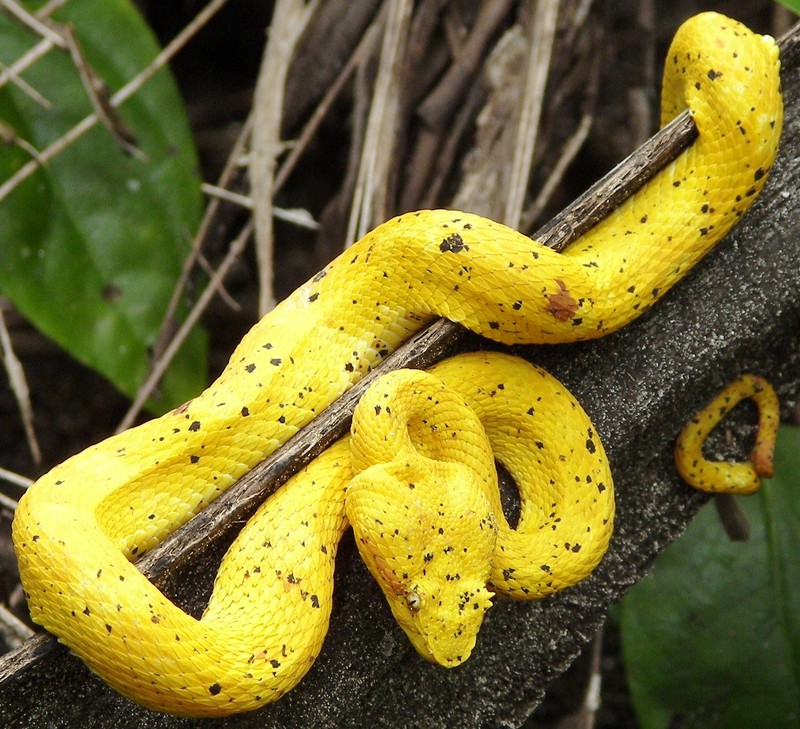
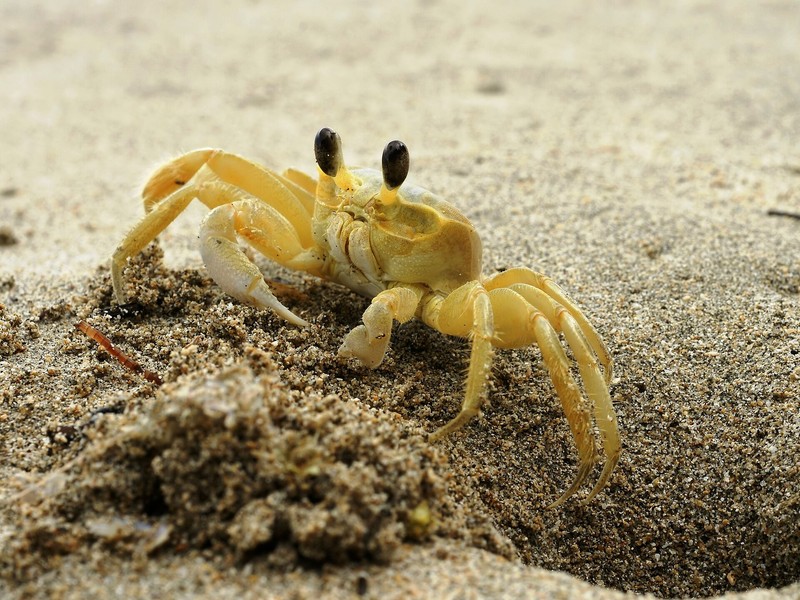
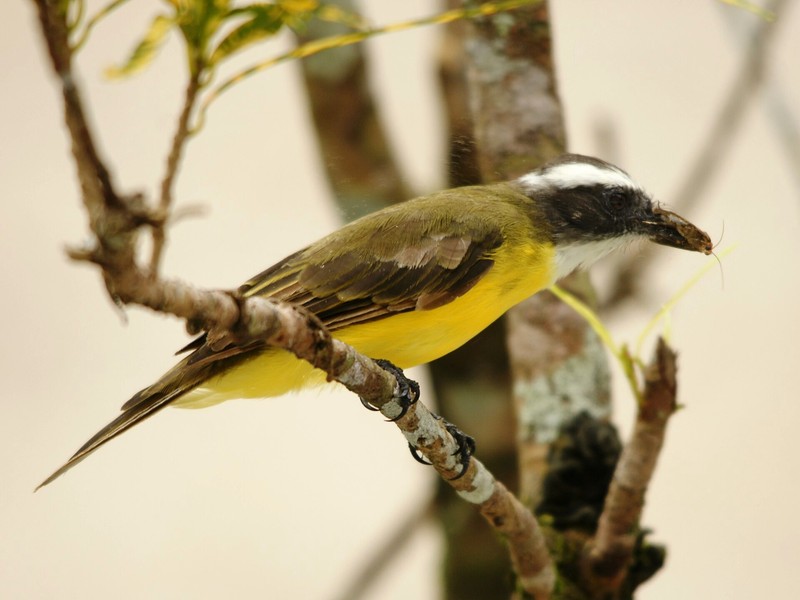
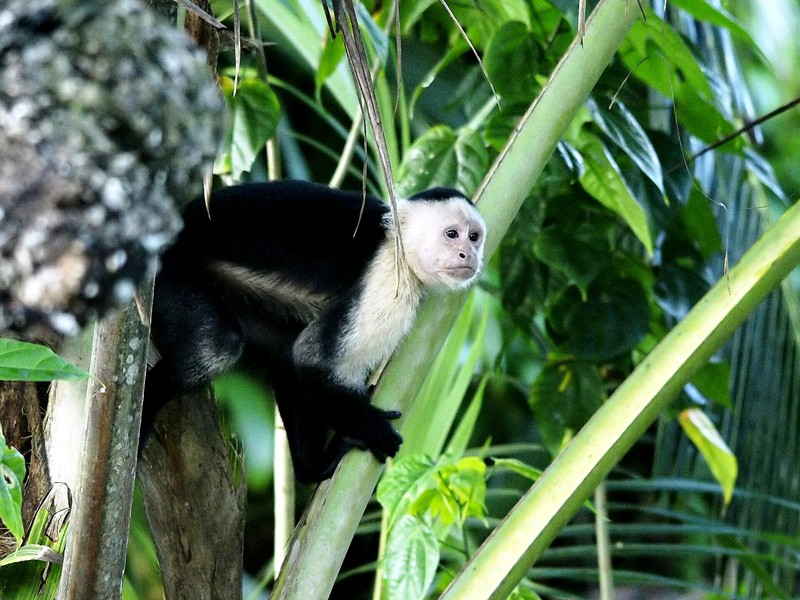
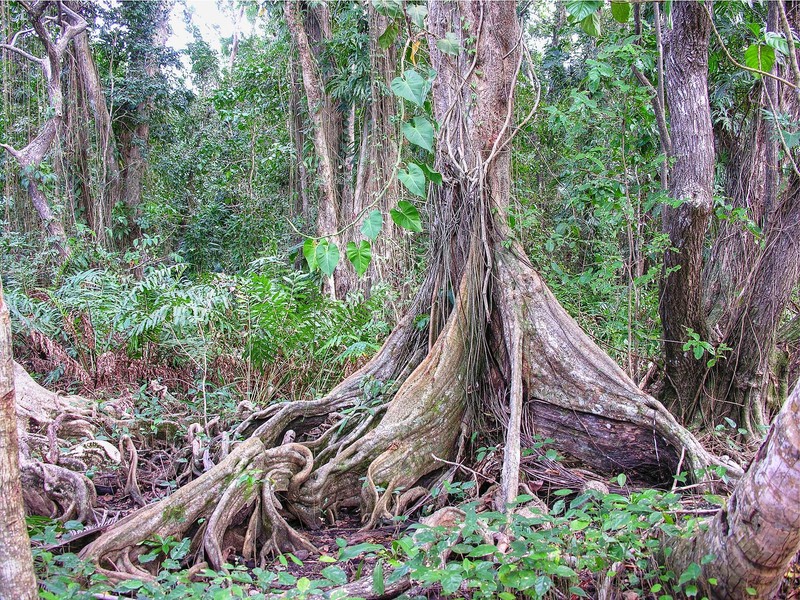
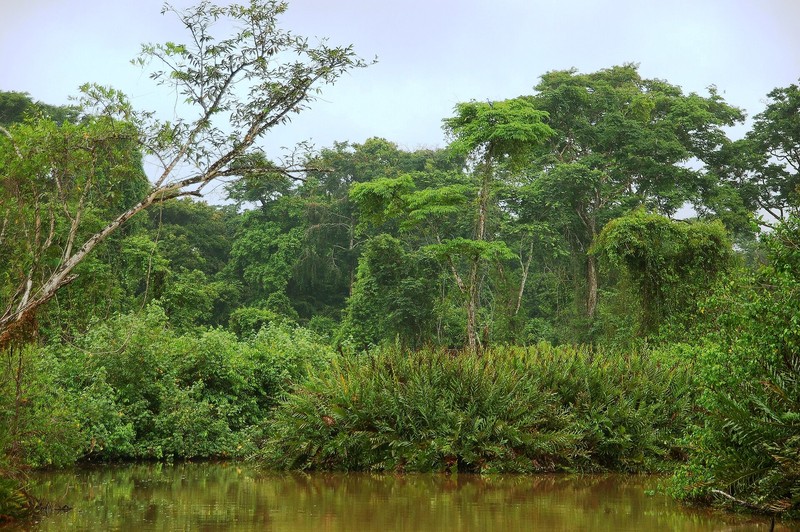
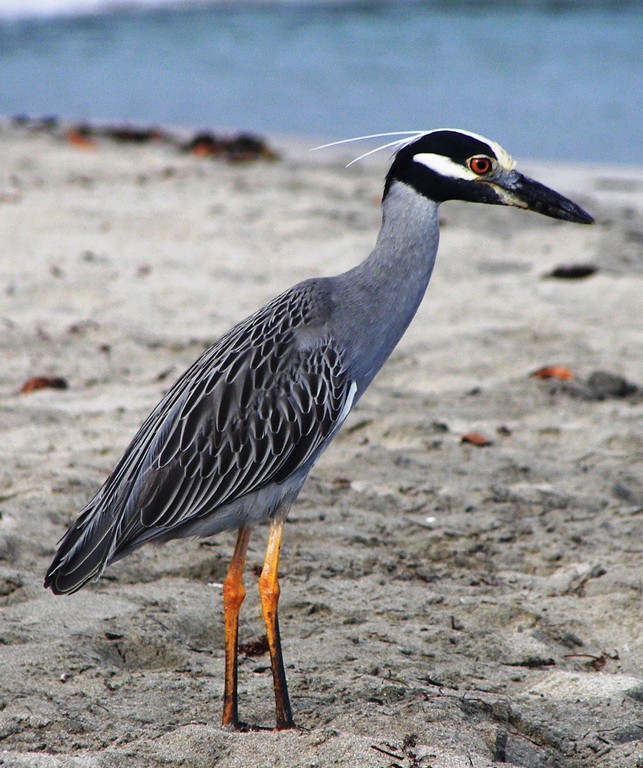
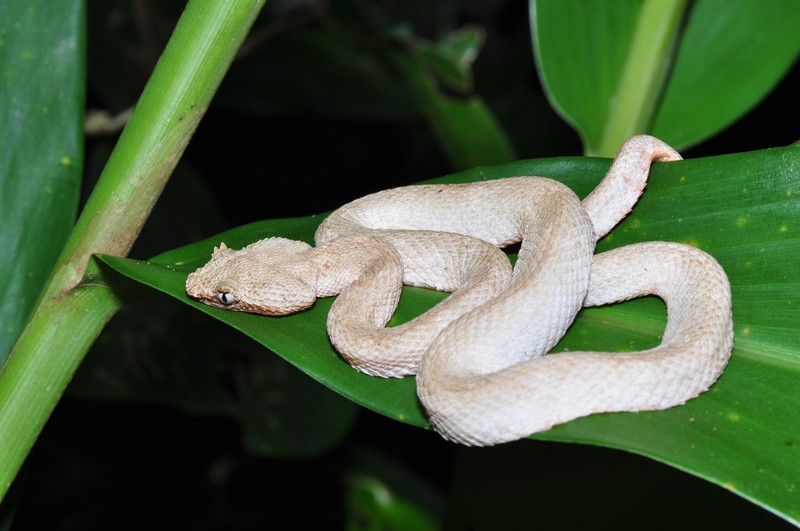
The park’s land area consists of humid tropical forest extending toward the coast. Wildlife may include sloths, white-faced capuchins, howler monkeys, coatis, raccoons, iguanas, and lizards. Birds found in the area include toucans, trogons, night herons, and common black hawks.
Animals often remain among trees and shrubs near the trails, so walk quietly and look carefully around you. Observe wildlife from a distance, do not feed it, and never try to attract animals with food.
Cahuita’s beaches
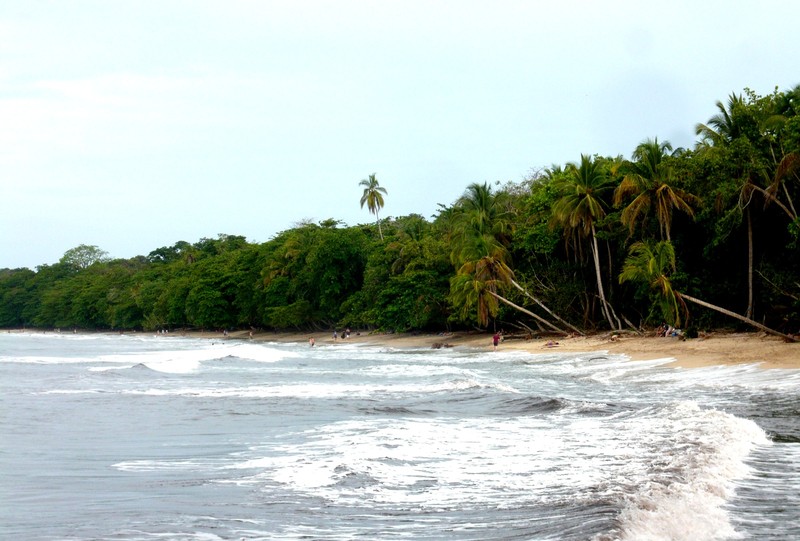
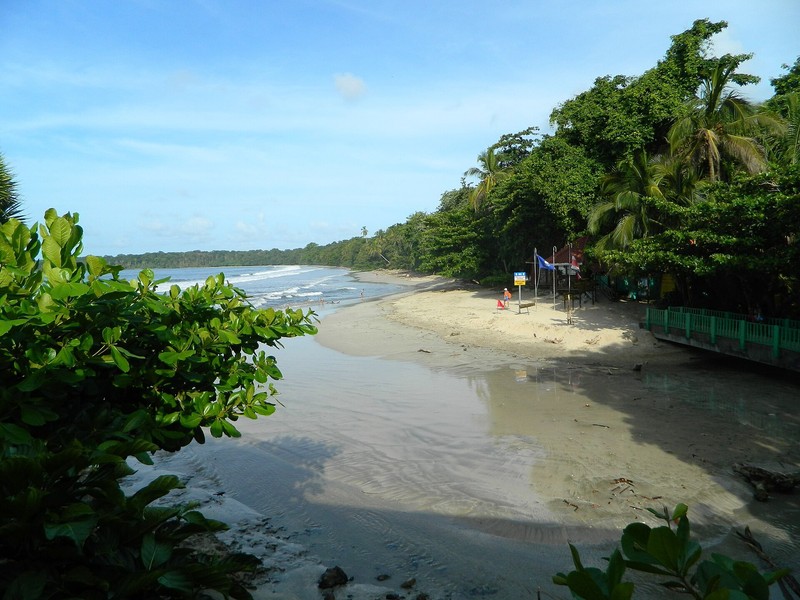
The park is known for white-sand beaches, tropical vegetation, and views of the Caribbean Sea’s turquoise waters. Visitors can relax by the shore, sunbathe, and swim in permitted areas. However, currents and waves can be dangerous, so follow local warnings and stay out of restricted swimming zones.
Coastal trails connect sections of the beach. Along the way, visitors can enjoy views of the sea, palms, and forest, and sometimes spot animals in their natural habitat. Cahuita’s scenery is especially appealing to photographers and travellers seeking a peaceful outdoor experience.
Walking trails
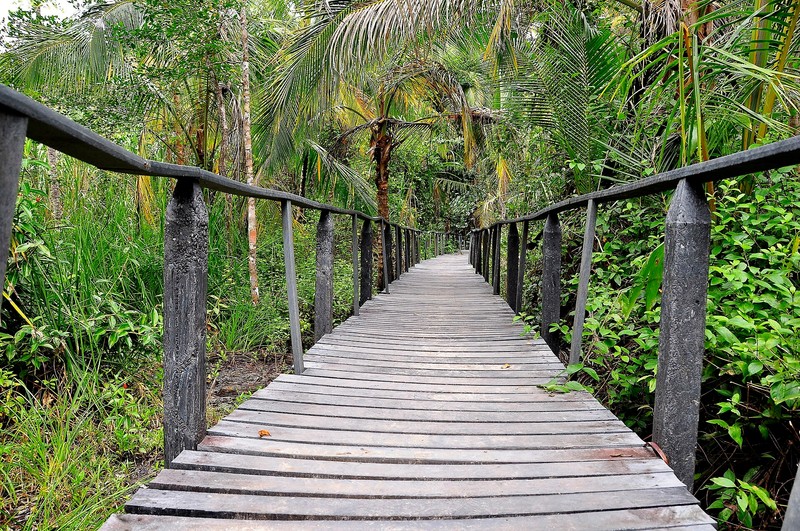
Trails follow the coastline and pass through sections of tropical forest, connecting beaches and natural attractions. During a walk, visitors can explore coastal vegetation, watch birds, and look for signs of wildlife. The length of a route depends on the park entrance and which sections are accessible.
Some parts may cross small streams, and trail conditions can change after rain. Wear comfortable shoes and bring water and insect repellent. A local guide can explain the forest ecosystem and help visitors notice animals that are easy to miss.
How to get there
The national park lies near the village of Cahuita on the southern Caribbean coast of Costa Rica. From San José, travellers usually take Route 32 through the mountainous region and the Zurquí Tunnel toward Puerto Limón, then continue to Cahuita. The park has several entrances, including the Playa Blanca sector near the village and the Puerto Vargas sector farther south.
Before travelling, check the current opening hours and entry conditions for your chosen sector. Hours and rules may vary by entrance and season.
Best time to visit
The park can be visited throughout the year, although weather conditions on the Caribbean coast vary. When the sea is relatively calm, snorkelling can be especially rewarding because underwater visibility may improve. Strong winds, rough seas, or rain can lead to the cancellation of marine excursions.
Morning is a comfortable time for wildlife watching and hiking, before the hottest part of the day. Before entering the marine area, confirm conditions with official staff or licensed local guides.
Visitor tips
Bring drinking water, lightweight clothing, sun protection, and insect repellent. Stay on marked trails, take all rubbish with you, and do not remove shells, corals, or other natural objects. Pets, alcohol, and weapons are not permitted inside the park.
Cahuita National Park combines Caribbean beaches, tropical forest, and rich marine life. It is a wonderful place to discover Costa Rica’s natural heritage, walk scenic trails, observe wildlife, and appreciate the beauty of coral reefs.
Gallery