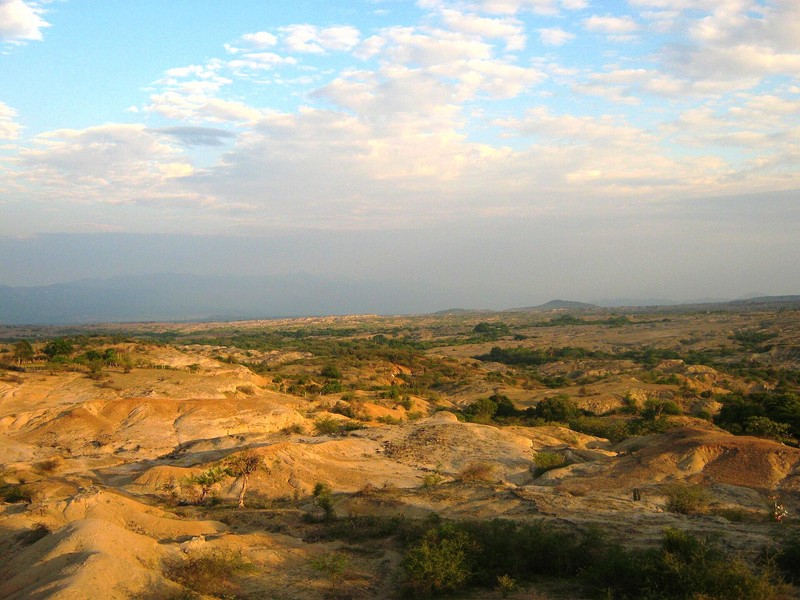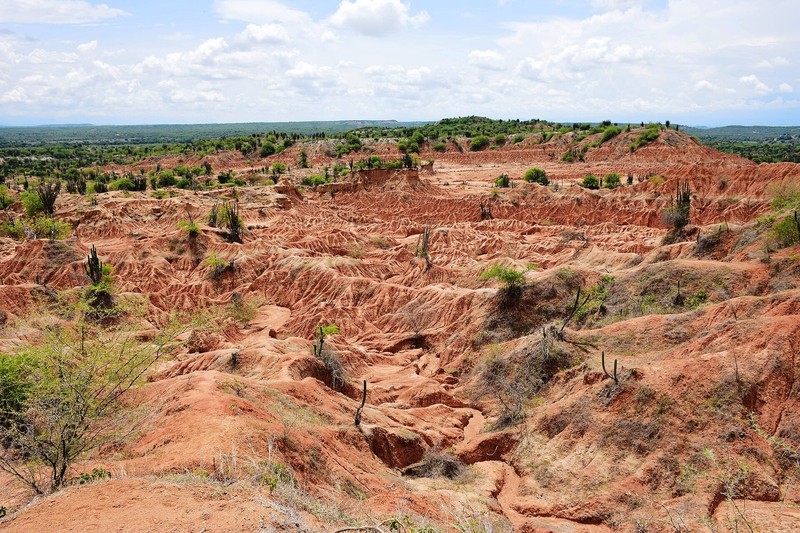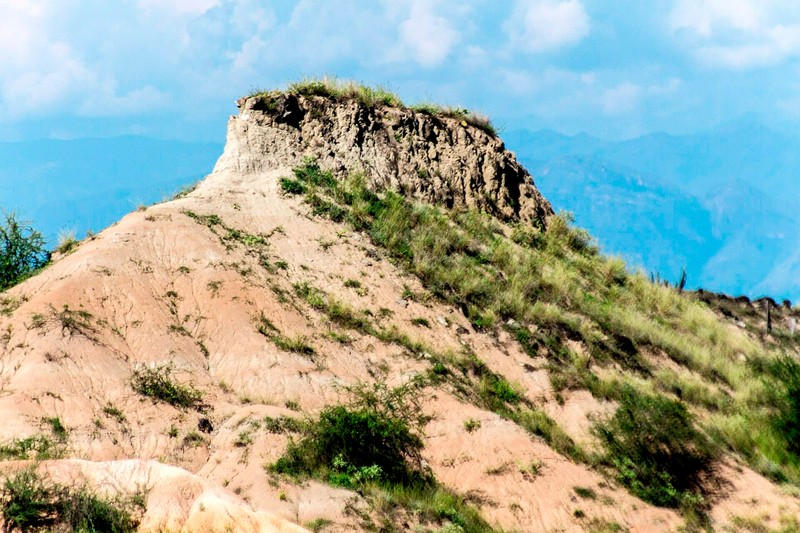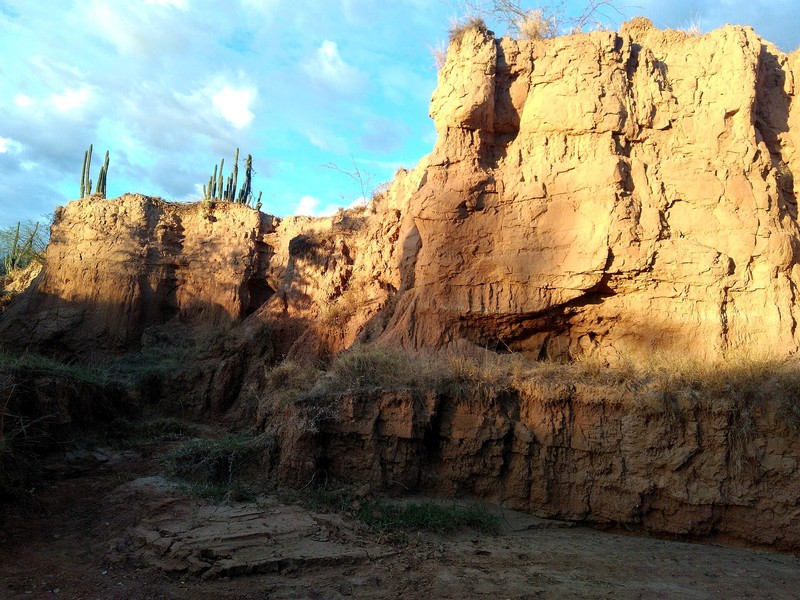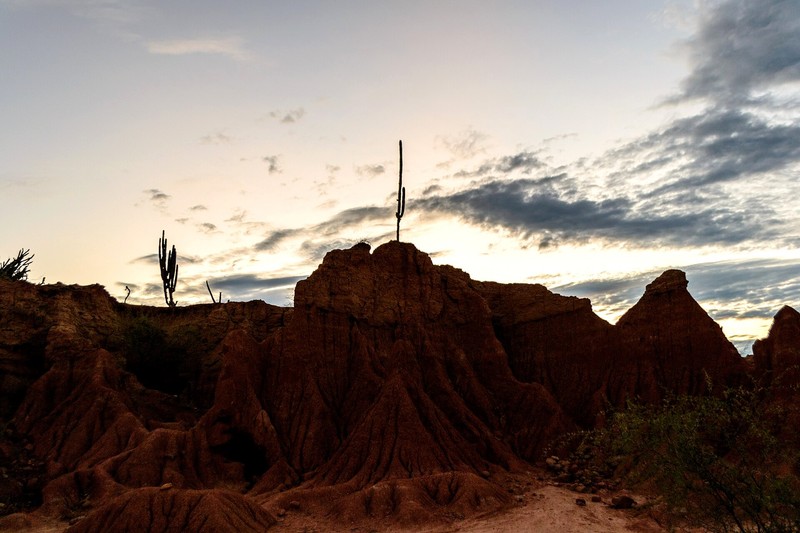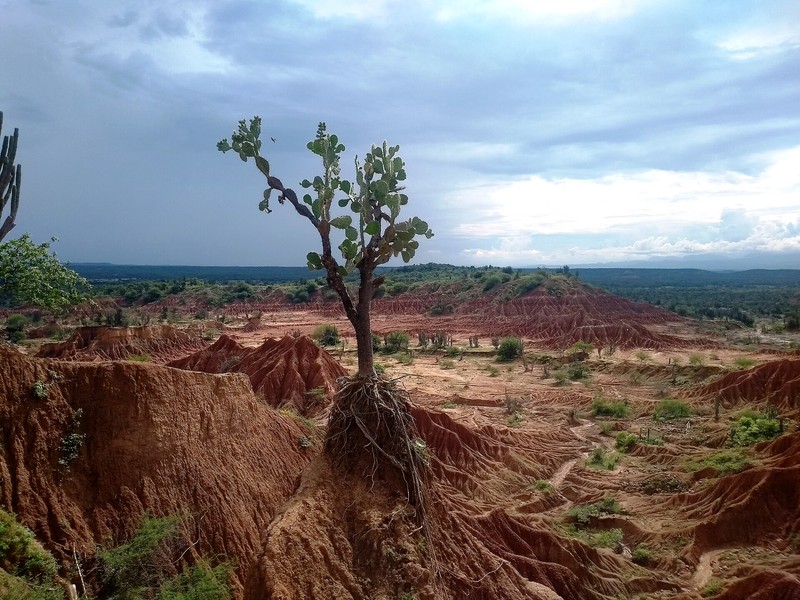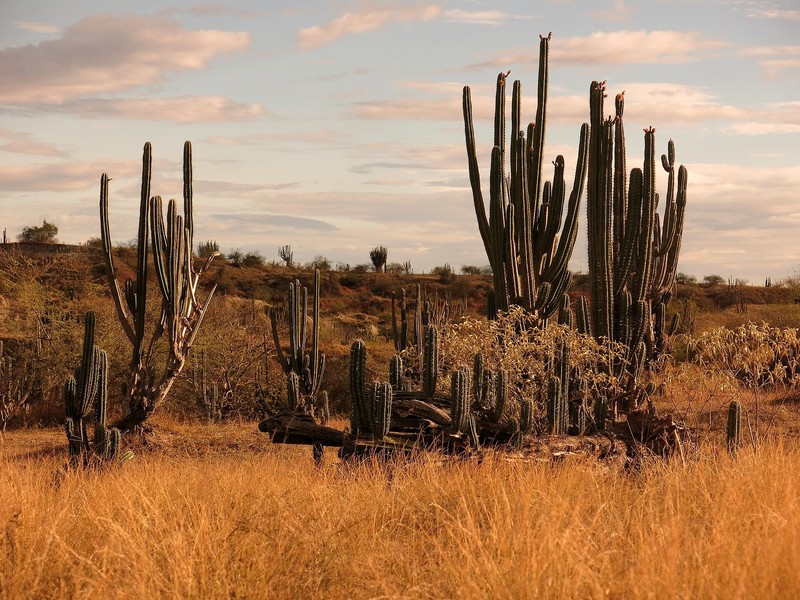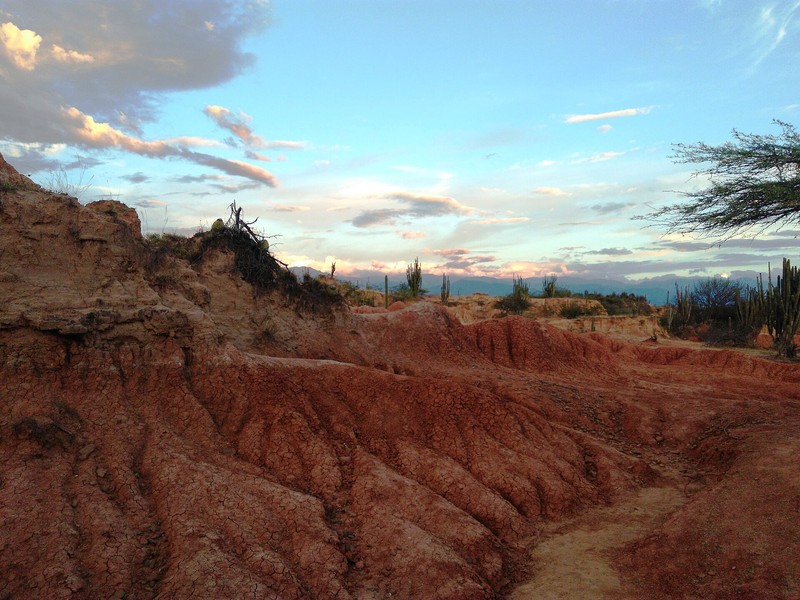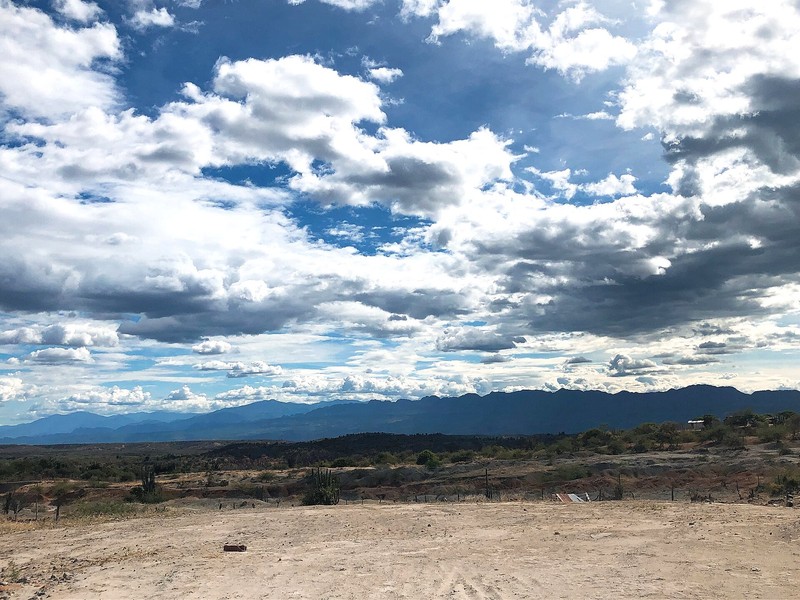

The Tatacoa Desert is an unusual arid region in southern Huila Department, Colombia, near the town of Villavieja and the Magdalena River valley. Despite its name, Tatacoa is not a classic sandy desert but a tropical semi-arid landscape of clay soils, deep ravines, rocky labyrinths and sparse vegetation. Its scenery resembles the surface of another planet, making it one of Colombia's most distinctive natural destinations.
Red and grey landscapes
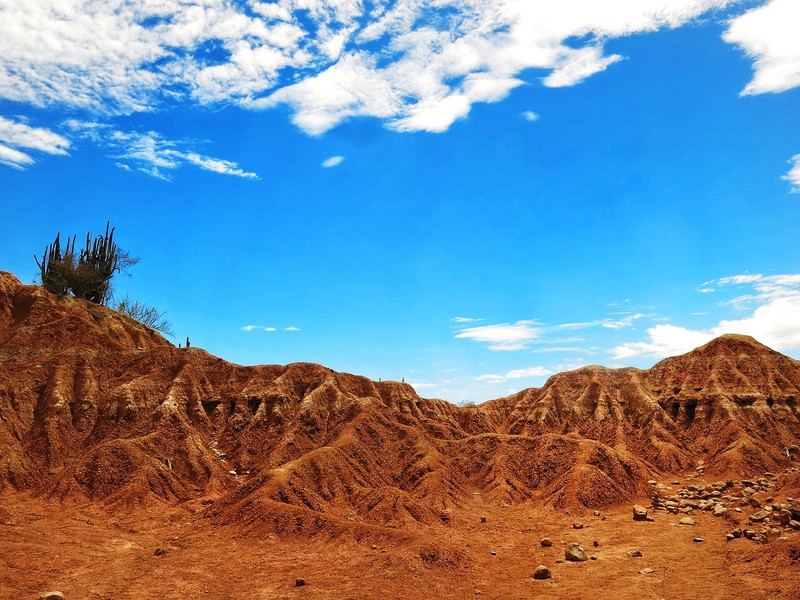
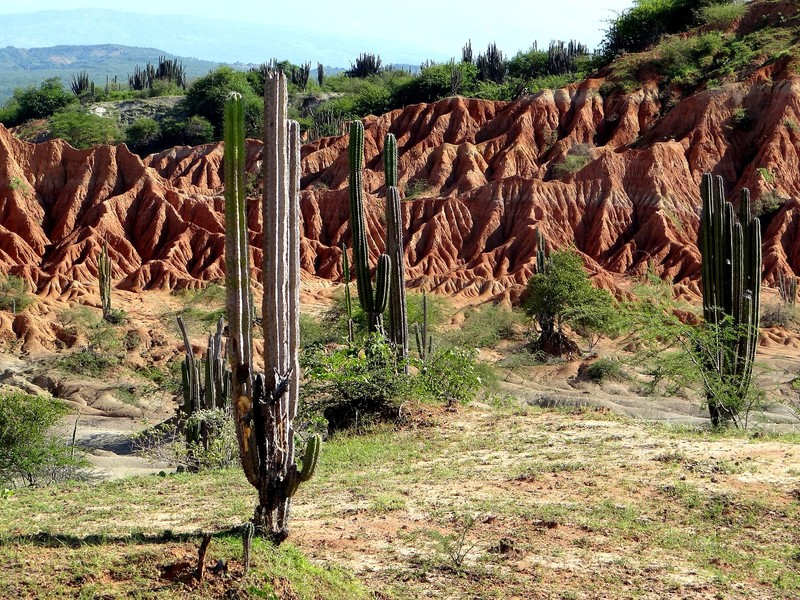
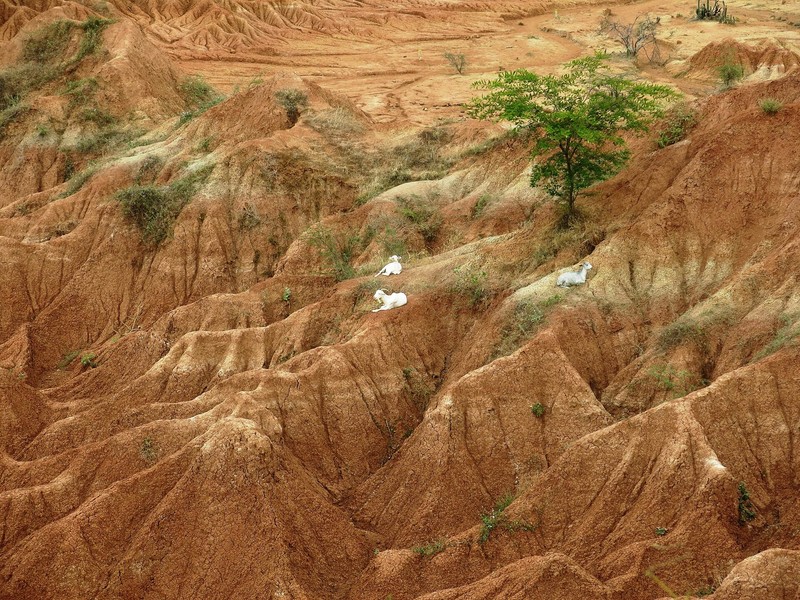
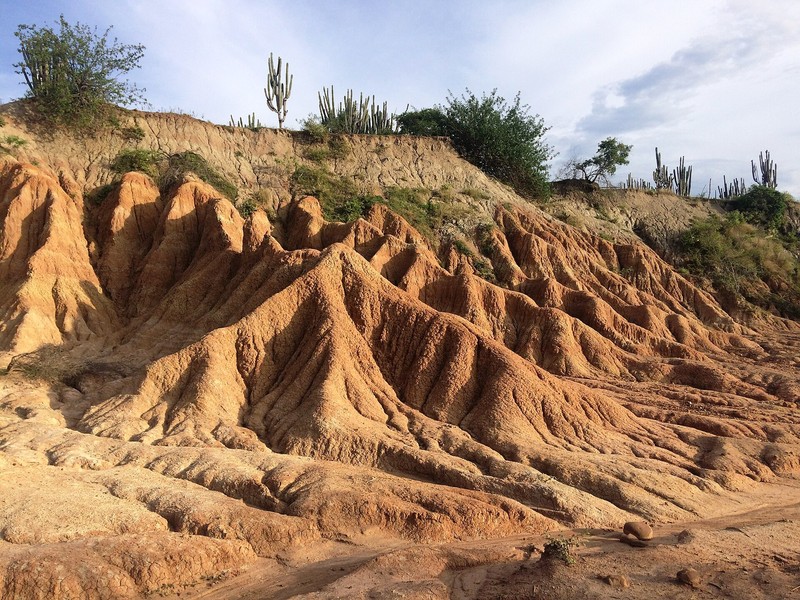
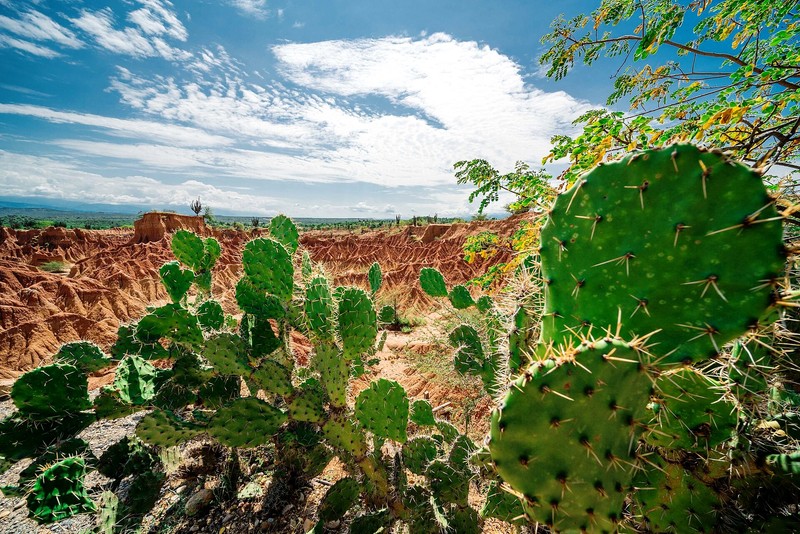
Tatacoa is known for two particularly striking areas. The Red Desert, or El Cuzco, features ochre and brick-red clay formations, narrow passages and winding ravines. These shapes developed through prolonged erosion caused by wind and occasional intense rainfall. Cacti and other drought-adapted plants grow between the rocky walls.
The Grey Desert of Los Hoyos has lighter, ash-grey and silvery tones. Its landscape includes unusual clay hills, deep gullies and winding paths. The contrast between the two areas is especially vivid under bright sunlight, when the red and grey surfaces appear more intense.
Climate and wildlife
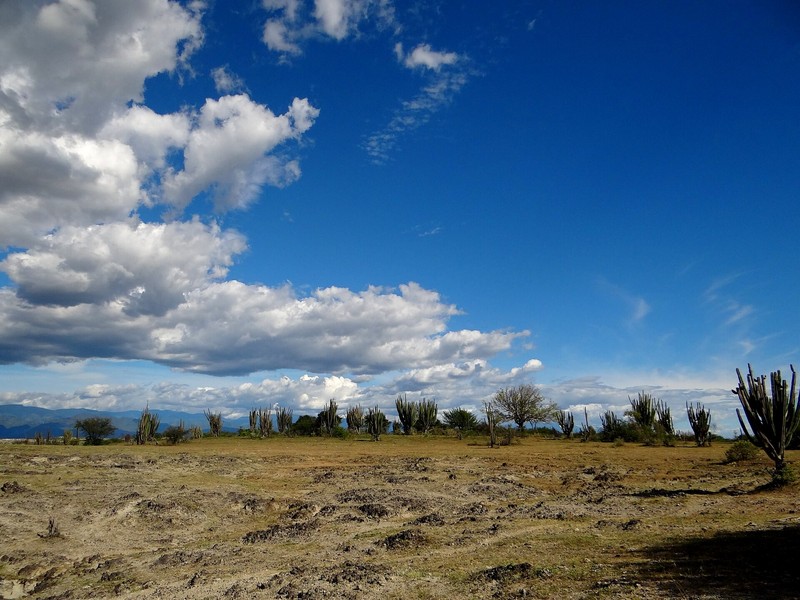
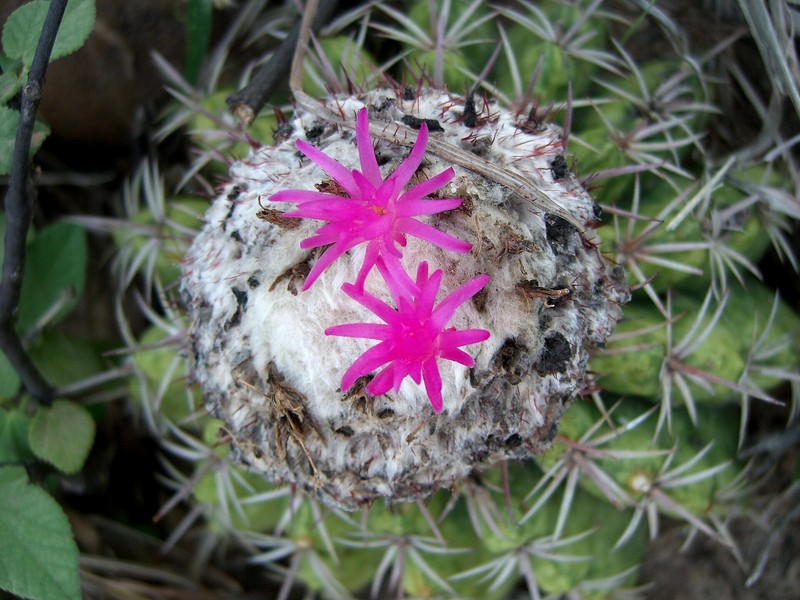
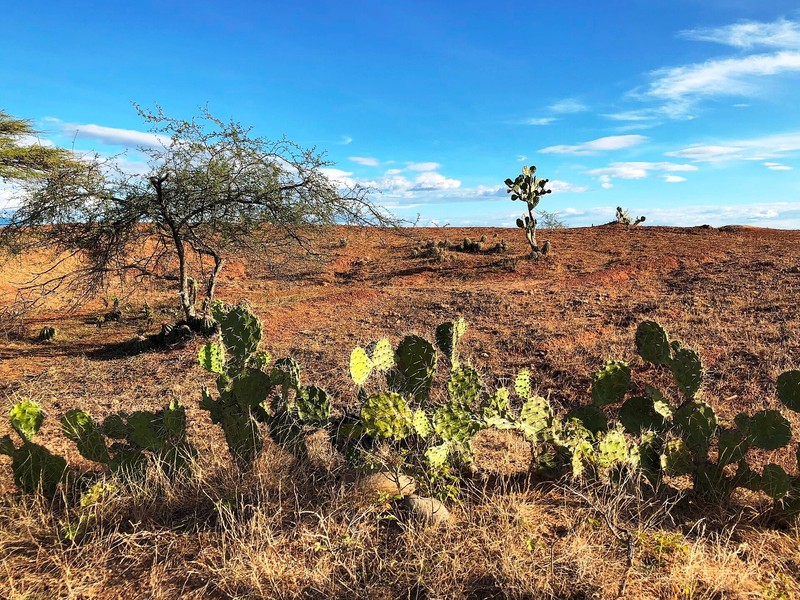
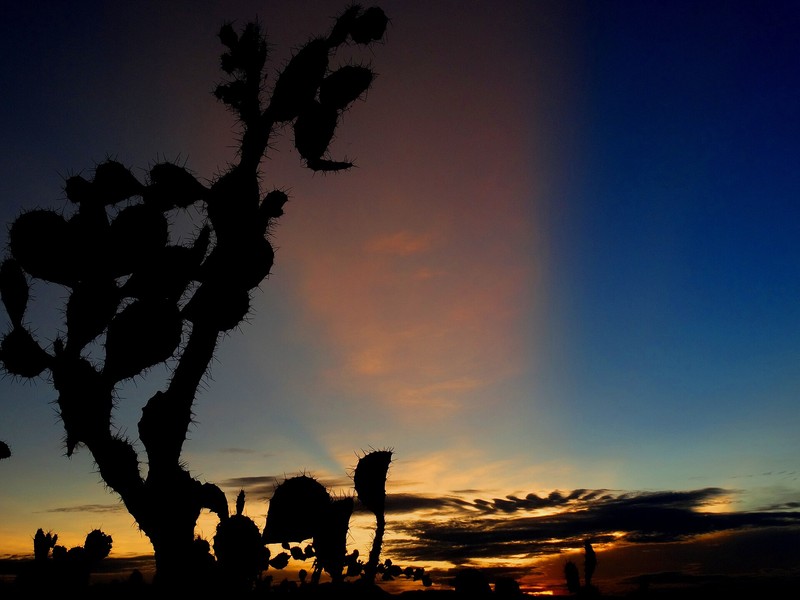
Tatacoa is one of Colombia's driest regions. Rainfall is limited, sunny days are frequent, and daytime temperatures often exceed 30°C. Yet the area is not lifeless: cacti, shrubs, small trees, reptiles, birds and other animals adapted to heat and scarce water can be found here.
Erosion continues to reshape the landscape. During heavy showers, water cuts new channels into the soft clay, while wind gradually smooths and alters the slopes. As a result, Tatacoa's terrain looks intricate and almost maze-like.
Stargazing
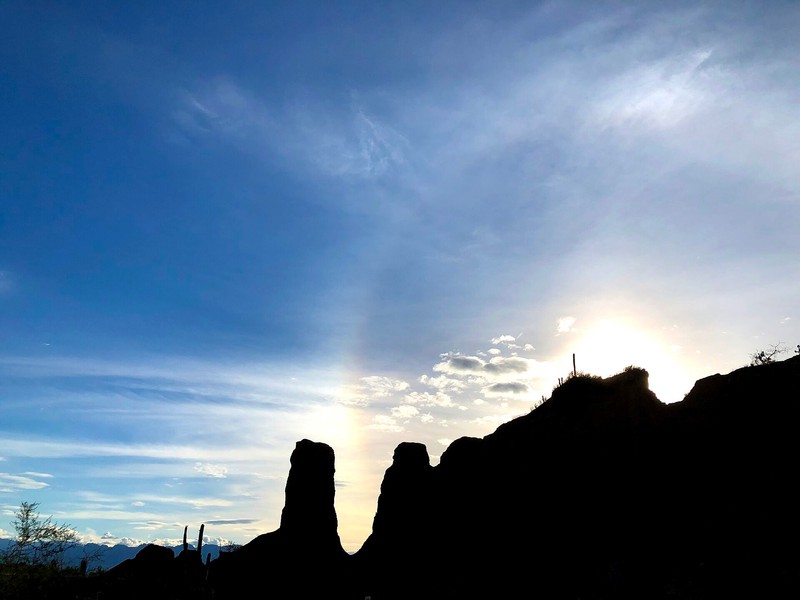
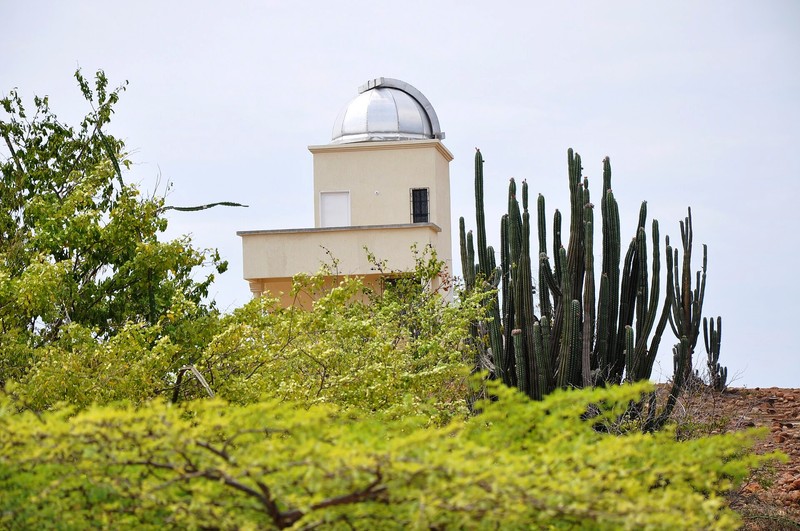
One of the main reasons to visit Tatacoa is its exceptionally dark night sky. Low population density and relatively little light pollution create favourable conditions for observing stars, planets and the Milky Way. Astronomical observatories operate in the region, and guided sessions with telescopes and explanations of constellations are also available.
Plan observations for a clear night, taking the Moon's phase and the cloud forecast into account. Many stars are visible even without special equipment, although professional observations and night-sky photography depend on weather and lighting conditions.
Things to see in Tatacoa
The main natural attractions are the red clay labyrinths of El Cuzco and the grey formations of Los Hoyos. Trails lead between rocky walls, allowing visitors to examine unusual erosion patterns and take photographs. Stay on safe routes: ravine edges can be unstable, and the ground becomes slippery after rain.
Some parts of the desert have natural pools and swimming areas, including a pool in the Los Hoyos area. Access depends on the site's condition, weather and local rules. It is also worth visiting Villavieja, a small town that serves as a starting point for trips around the region. Visitors can learn about local history and paleontological discoveries connected with the area's ancient inhabitants.
Palaeontological heritage
The Tatacoa region is important for the study of South America's ancient natural history. Its sedimentary rocks contain fossils of animals that lived millions of years ago, including early mammals and reptiles. These discoveries help scientists reconstruct ecosystems that existed long before the modern arid landscape developed.
Fossil exhibits and collections can be seen in Villavieja and other regional institutions. Visitors should avoid collecting fossils themselves or damaging geological formations.
How to get there and when to visit
Most trips to Tatacoa begin in Neiva, the capital of Huila Department. From there, travellers can reach Villavieja and continue to different parts of the desert by car, mototaxi or with a local guide. Because attractions are spread out and shade is limited, it is best to plan the excursion in advance.
Tatacoa can be visited throughout the year, although weather conditions affect roads and trails. Early morning and late afternoon are more comfortable for walking because the heat is usually less intense. Bring plenty of drinking water, a hat, sunscreen and closed shoes. For stargazing, consider staying overnight and check the cloud forecast beforehand.
The Tatacoa Desert combines unusual red and grey landscapes, a rich palaeontological heritage and excellent opportunities for astronomical observation. It is an ideal destination for travellers who want to discover a different side of Colombia, far from tropical rainforests, high mountains and Caribbean beaches.
Gallery