
Gorgona Island is one of the most remarkable natural places on Colombia’s Pacific coast. Covered in humid tropical rainforest and surrounded by ocean waters and coral reefs, it has a history linked both to scientific research and to a former high-security prison. Today, the island forms part of Gorgona National Natural Park and is important for the conservation of marine and terrestrial biodiversity.
Location
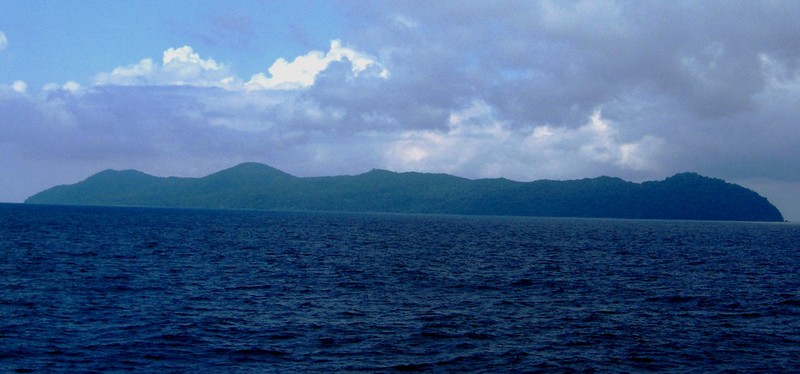
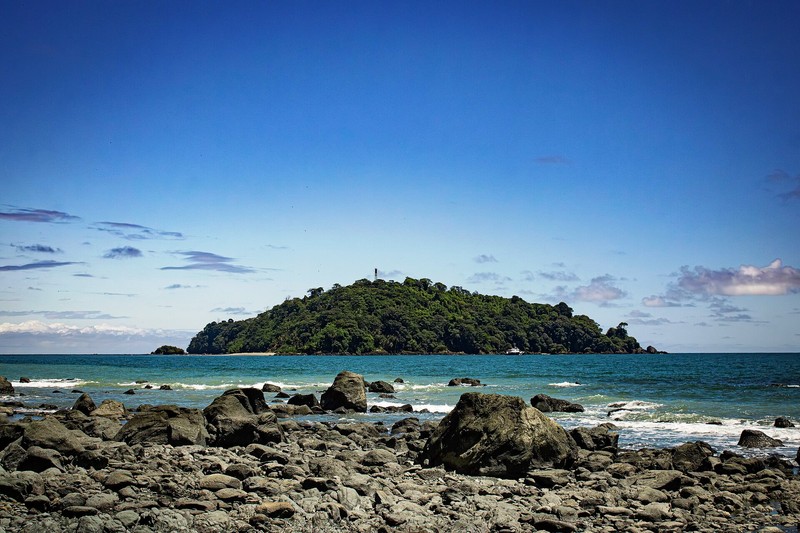
Gorgona lies in the Pacific Ocean off the coast of Cauca Department in southwestern Colombia. Together with the smaller nearby island of Gorgonilla, it forms the island portion of Gorgona National Natural Park. The protected area covers approximately 60,503 hectares, including about 1,850 hectares of land and a much larger marine area.
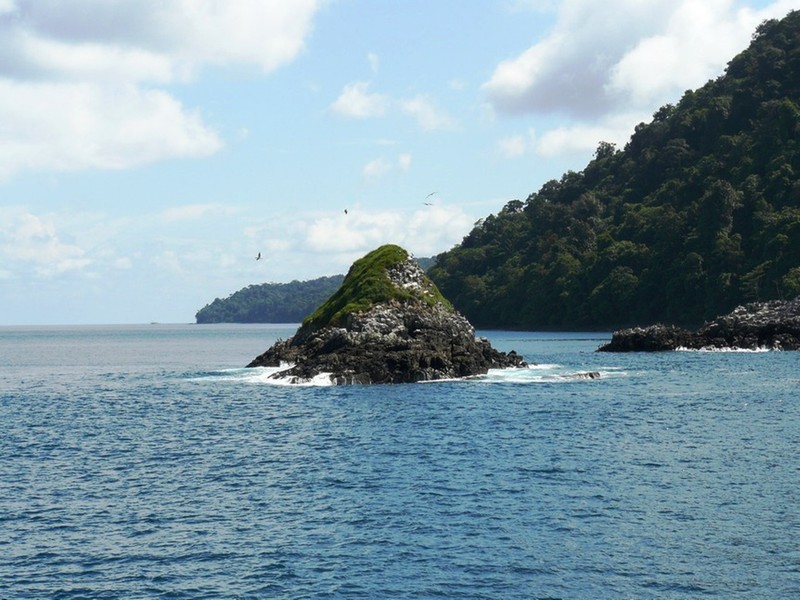
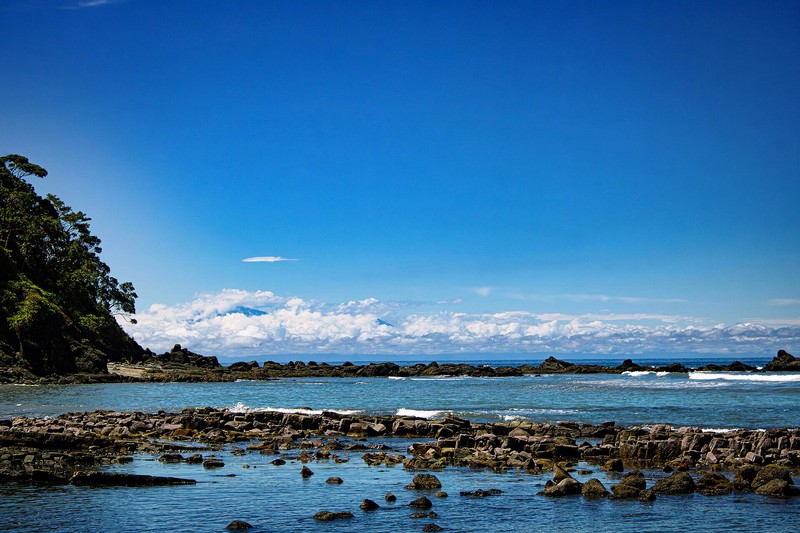
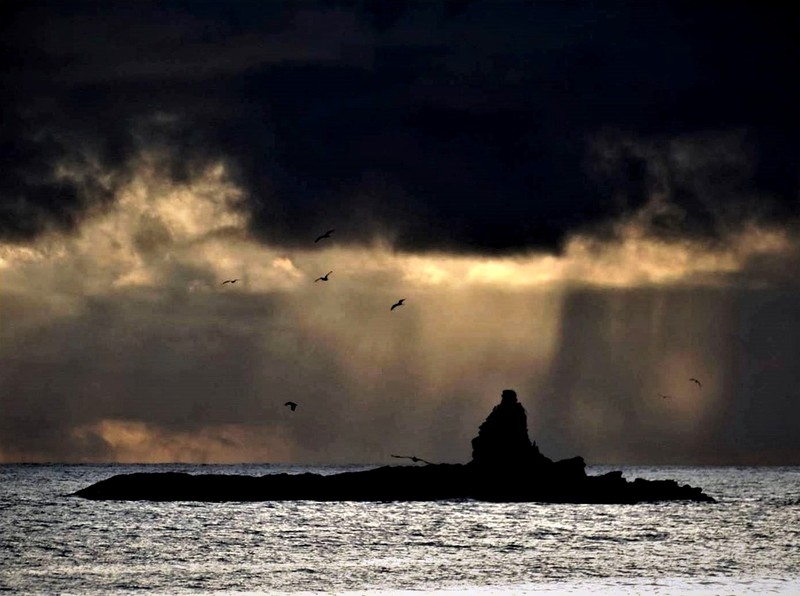
The island is separated from the mainland by ocean waters. Dense forests, rocky shores, sandy beaches, and coral formations create a distinctive landscape. Its protected status makes Gorgona an important place for studying tropical Pacific ecosystems.
Island history
The island received the name Gorgona in 1527, when Spanish conquistador Francisco Pizarro visited it. Because of the many snakes found there, he compared the island to the Gorgons of ancient Greek mythology. Before European arrival, the region was connected with pre-Columbian cultures of the Pacific coast.
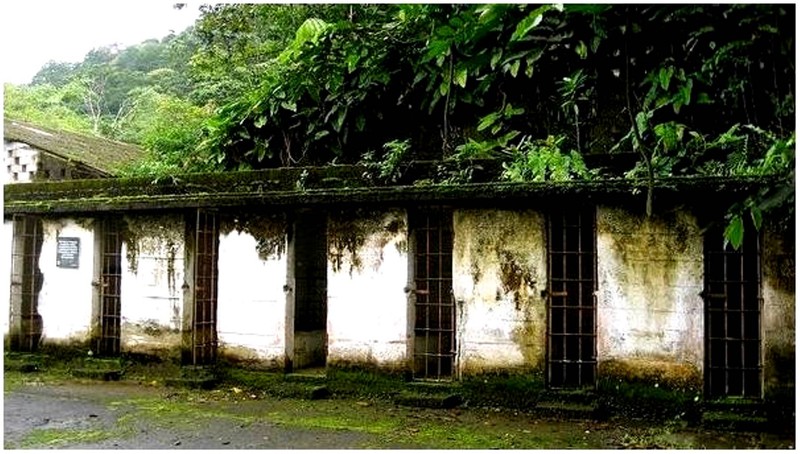
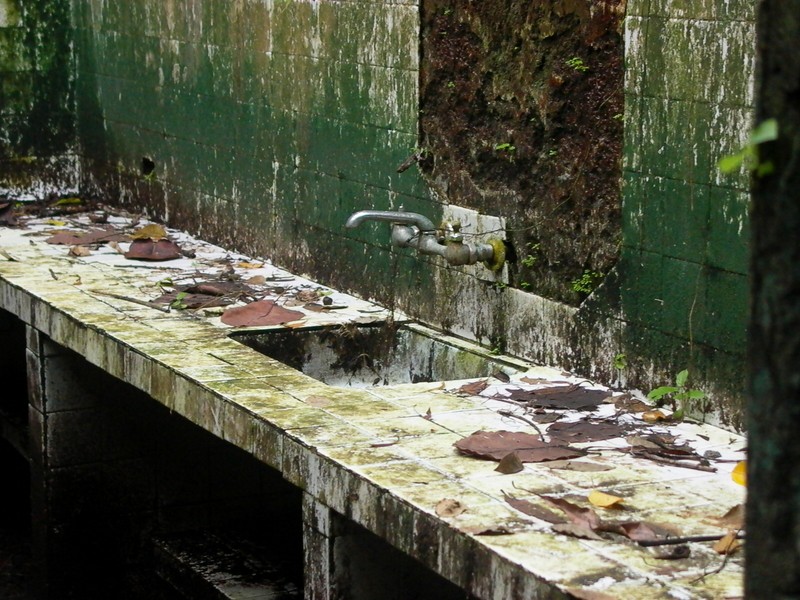
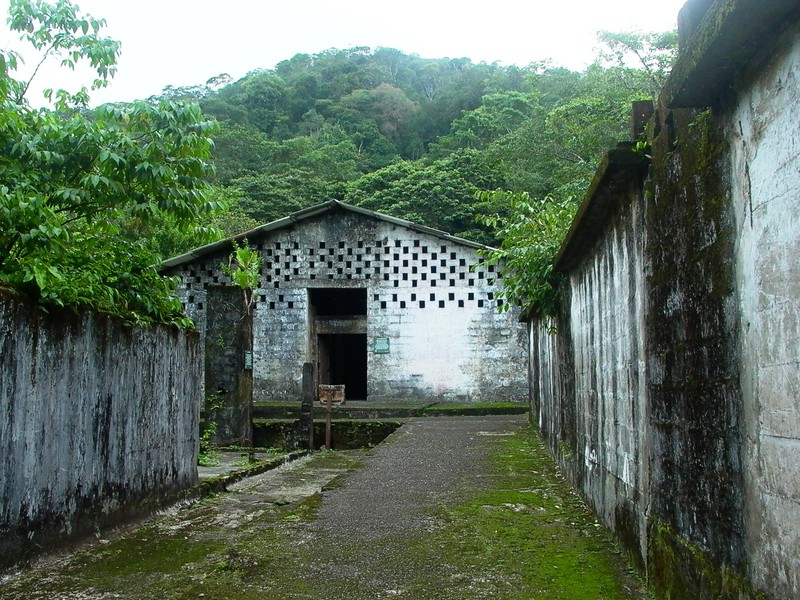
The darkest chapter in the island’s history was its high-security prison, which operated from 1960 to 1984. After the prison closed, the island and surrounding marine waters were declared a national natural park on July 19, 1984.
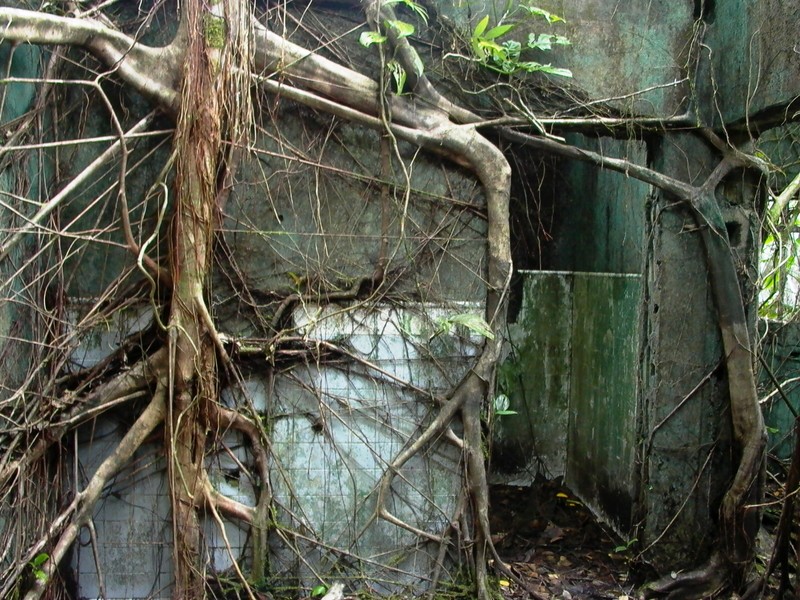
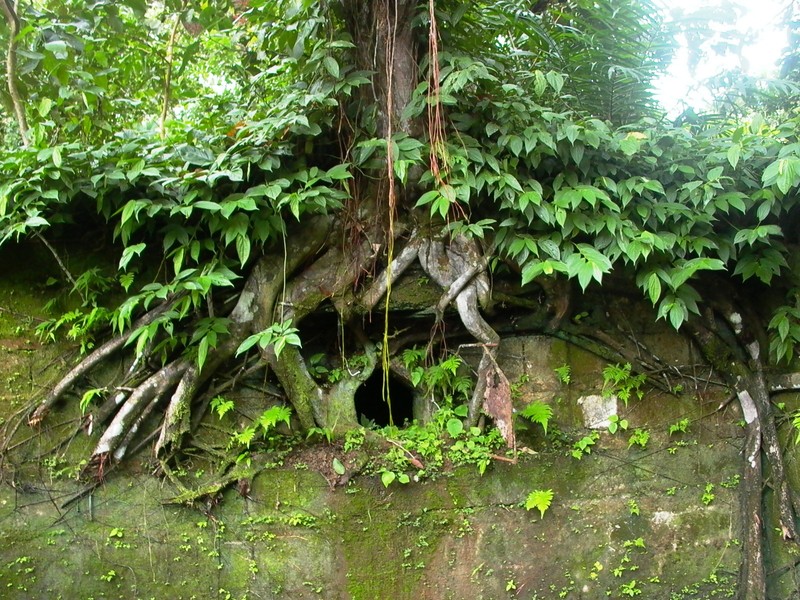
Gorgona is now often called the Island of Science. Researchers study its rainforest, marine organisms, coral reefs, and migratory wildlife. The former prison ruins remain a reminder of the island’s past, while forest regeneration shows how nature can gradually recover.
Tropical rainforest and landscapes
Humid tropical rainforest dominates the island’s terrestrial environment. High humidity supports a rich variety of trees, palms, vines, ferns, and epiphytes. Dense vegetation covers the hills and descends toward the ocean.
The island also has sandy beaches, rocky coastlines, and small areas of mangrove vegetation. Coastal ecosystems are closely connected to the marine environment, with nutrients from the forest helping sustain complex food webs.
Many plant and animal species have been recorded on the island and in its surrounding waters, including endemic species found only in this region. Protected habitats are especially valuable because tourism and other human impacts are limited.
Wildlife
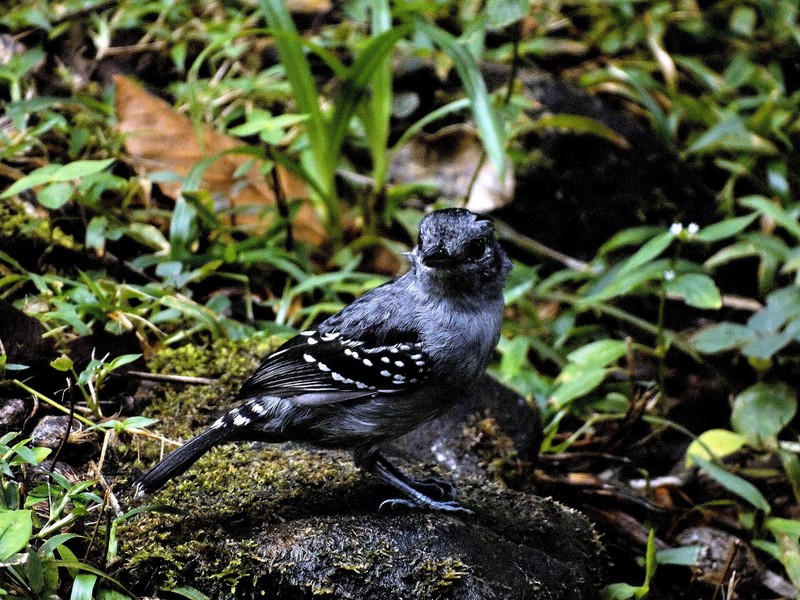
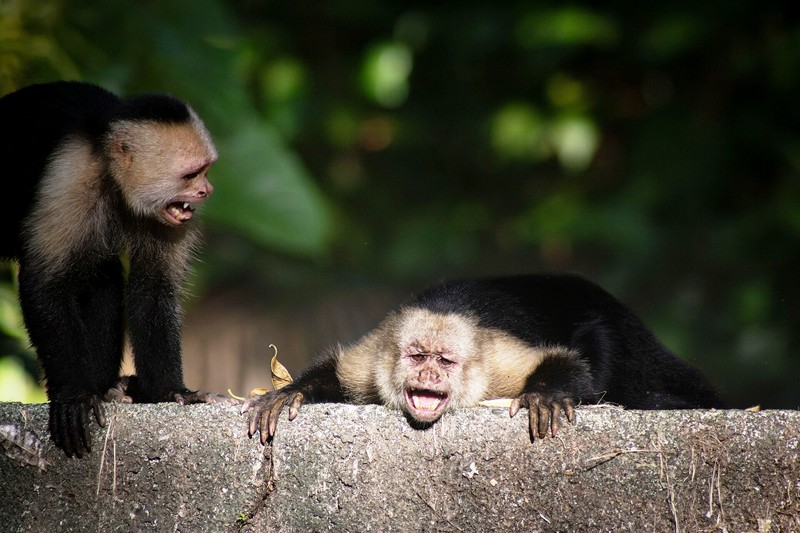
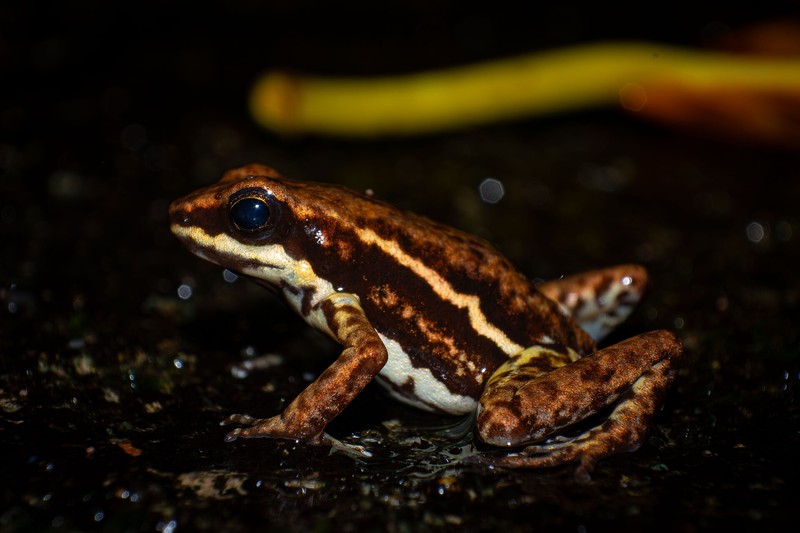
Gorgona is known for its diverse terrestrial and marine wildlife. Monkeys, sloths, reptiles, amphibians, and many bird species inhabit its forests. More than 150 bird species have been recorded on the island, along with dozens of terrestrial reptile and amphibian species.
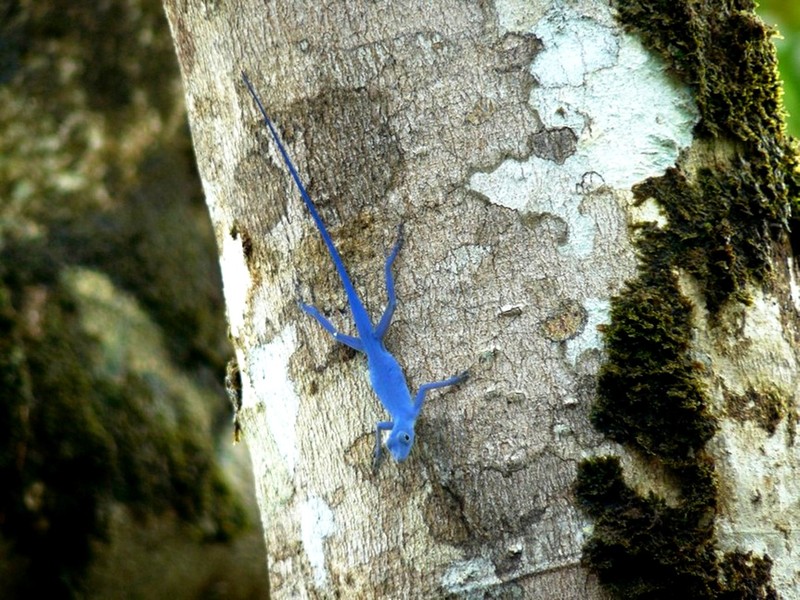
One of the island’s most notable inhabitants is the endemic blue anole, Anolis gorgonae, which has become a symbol of local wildlife. Its striking colour contrasts with the forest greenery, although sightings are not guaranteed.
Three-toed sloths and other animals adapted to the humid tropical climate also live in the forests. Birds use the island for feeding, resting, and nesting. Visitors should remain quiet and avoid approaching animals for photographs.
Marine life and coral reefs
The marine area of Gorgona National Natural Park accounts for most of its total area. It includes coral reefs, rocky underwater habitats, and other environments that support a wide variety of fish and invertebrates. These ecosystems are important to marine life in the southern Colombian Pacific.
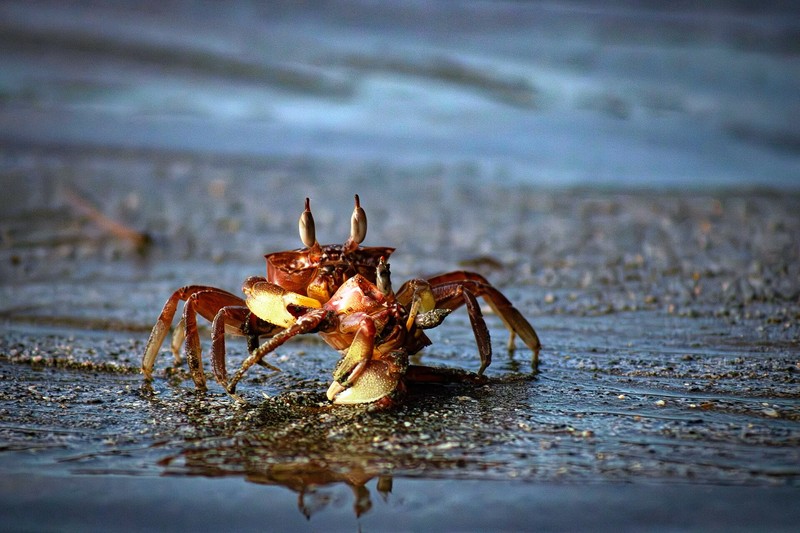
Sea turtles, several shark species, large fish, mollusks, and crustaceans inhabit the surrounding waters. Coral communities provide shelter and feeding grounds for many organisms. Reef conservation depends on water quality, ocean temperature, and other environmental factors.
When conditions permit, visitors can explore the underwater world through authorized snorkeling or diving activities. Permitted sites depend on park regulations, weather, and sea conditions. Coral must not be touched, wildlife must not be pursued, and rubbish must never be left underwater.
Humpback whales and sea turtles
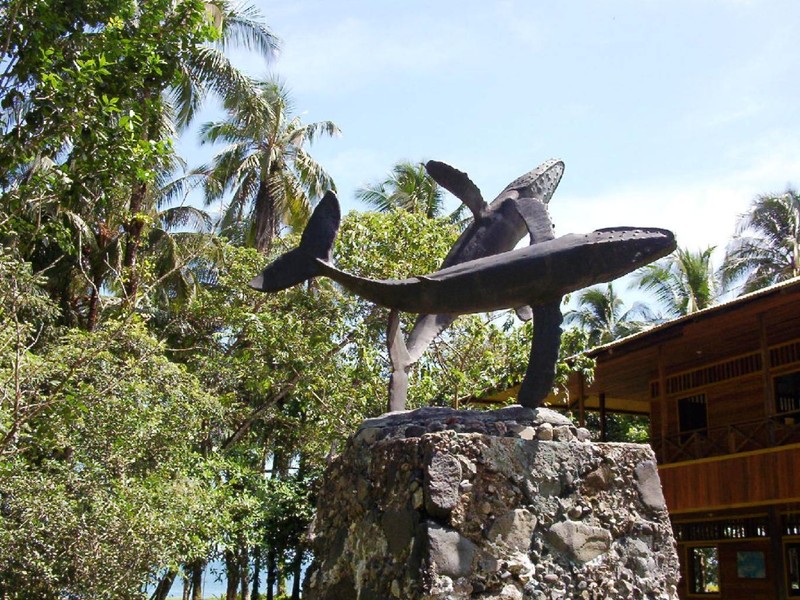
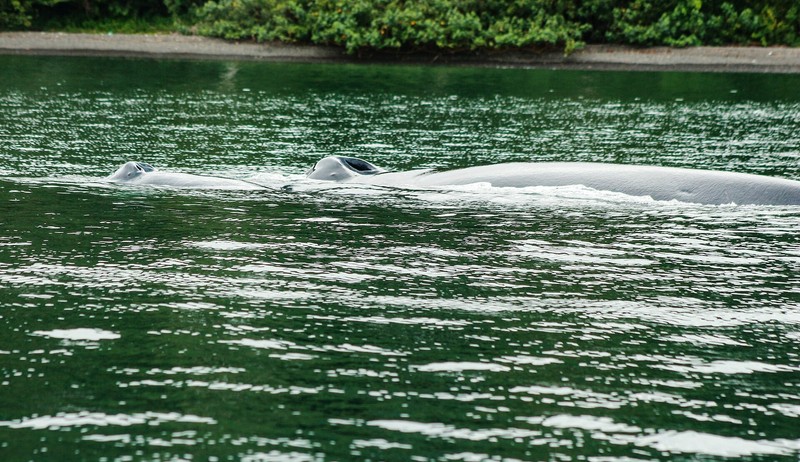
The waters around Gorgona are important for humpback whale migration. These marine mammals travel from southern latitudes to Colombia’s Pacific coast during their breeding season. They are generally present from June to November, with sightings often most likely in August and September.
Whale watching depends on the season, weather, and animal behaviour. Whales may be seen from shore or during boat excursions, but sightings cannot be guaranteed. Chasing whales with boats or attempting to approach them closely is not acceptable.
The island’s sandy beaches and surrounding waters are also important for sea turtles, which use coastal habitats for nesting, feeding, or resting. Visitors should never disturb animals at nesting sites.
Things to see and do
The main activity on Gorgona is exploring its natural environment. Visitors can walk along authorized forest trails, watch birds, learn about the vegetation, and discover how ecosystems have recovered since the prison closed. One known route leads to Palmeras Beach through humid forest.
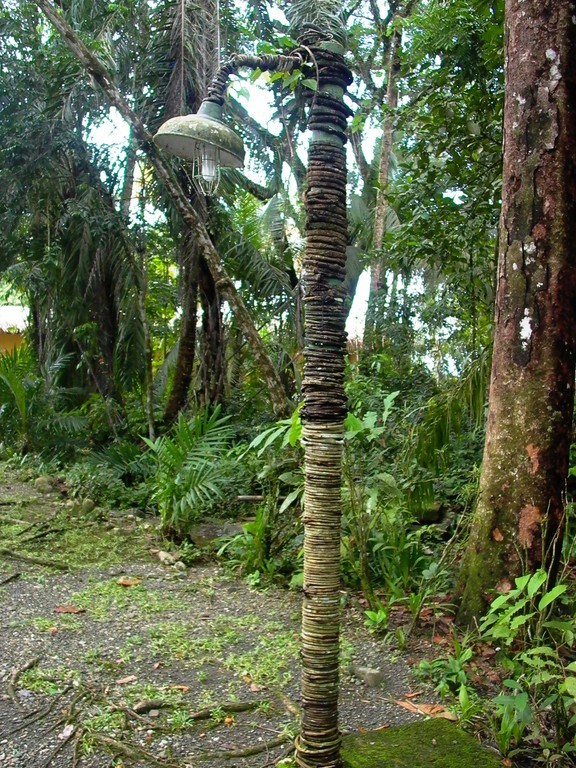
The Yundigua trail offers opportunities to explore forest habitats and watch birds, while the Estero Grande trail introduces visitors to coastal vegetation and mangrove ecosystems. Near the former prison, the remains of the historic complex can be seen gradually being overtaken by tropical vegetation. Access to individual trails depends on current rules and conditions.
Authorized activities in the marine area include scuba diving, snorkeling, and boat excursions. Nature enthusiasts also visit to watch whales, photograph birds, and explore underwater landscapes. Activities must be arranged through authorized operators and follow park regulations.
Climate and best time to visit
Gorgona has a hot, humid tropical climate. The average temperature is about 26°C, and relative humidity often approaches 90%. Rain falls throughout the year, making forest trails slippery and boat trips dependent on ocean conditions.
July to October is generally a good period for humpback whale watching, although the season can begin earlier and continue into November. During other months, visitors can explore rainforest, birdlife, and marine ecosystems. Check the weather forecast and trail access before travelling.
How to get to Gorgona Island
The island can only be reached by sea. One common option is to take a domestic flight to Guapi, travel to the tourist pier, and board a fast boat to the island. Another option involves sea transport from the Buenaventura area, sometimes with a transfer in Guapi. Travel time depends on the route, vessel, and weather.
Visits must be planned in advance. Access is coordinated with the park administration, and entry and excursions are arranged through registered, authorized operators. Before booking, confirm available dates, transport, insurance, and visitor rules.
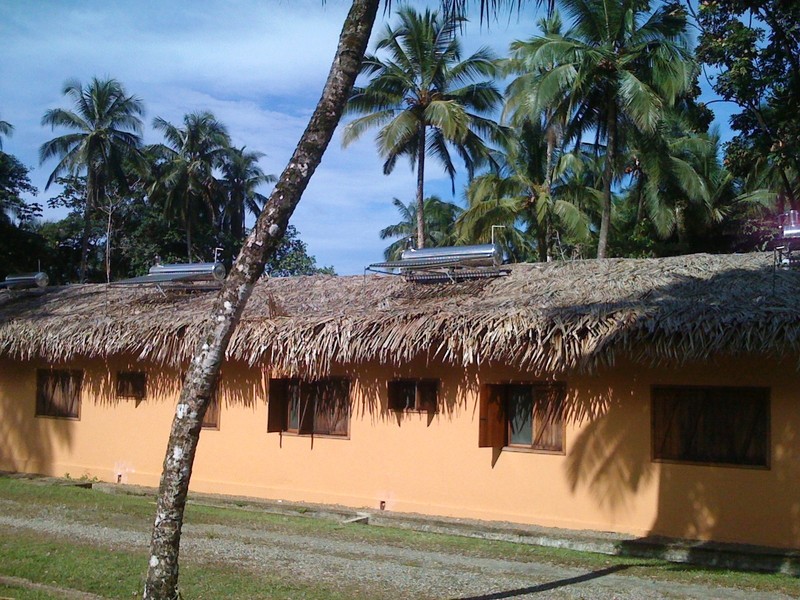
Accommodation and visitor services may change. Do not assume that independent arrival and unrestricted travel around the island are possible. Obtain current information about access and permitted routes from Gorgona National Natural Park administration.
Visitor tips
Bring lightweight clothing, sturdy footwear for wet trails, rain protection, insect repellent, and a waterproof case for electronic devices. Protect belongings from spray on boats and check baggage restrictions in advance.
Stay on authorized trails, follow guide instructions, do not feed wildlife, and do not collect plants or other natural objects. Take all rubbish with you. For swimming and diving, use only permitted areas.
Why visit Gorgona Island
Gorgona combines rich wildlife, a compelling history, and opportunities for ecotourism. Tropical forests, endemic species, coral reefs, sea turtles, and seasonal encounters with humpback whales make it one of the most interesting nature destinations on Colombia’s Pacific coast. It is ideal for travellers who want to experience wild nature and learn about science and history while respecting the island’s fragile ecosystems.
Gallery