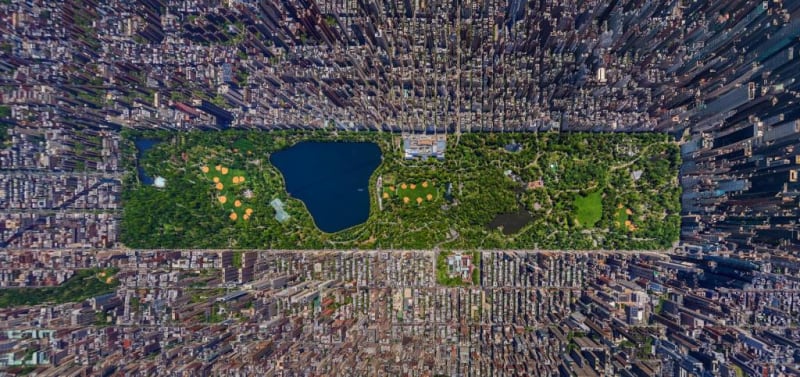
Central Park is one of the world's best-known urban parks, located in the heart of Manhattan, New York City. This vast green space among skyscrapers has become a symbol of the American metropolis and a favourite place for residents and visitors alike. Its landscape combines picturesque lakes, wooded areas, broad lawns, gardens, rocky hills, historic bridges and cultural attractions.
The History of Central Park
Central Park was created in the nineteenth century, when New York was expanding rapidly and needed a large public space for recreation. In 1853, the city approved the park's creation, and work on the design by landscape architects Frederick Law Olmsted and Calvert Vaux began in 1858. Their vision was to create a natural-looking landscape where residents could escape the noise and dense development of the city.
The project required extensive changes to the terrain. Hills and paths were created, trees were planted, water features were formed and bridges were built. The park gradually opened to visitors and became an essential part of urban life. Today, it continues to embody the idea of a public space accessible to people regardless of their wealth or social position.
Size and Natural Landscapes
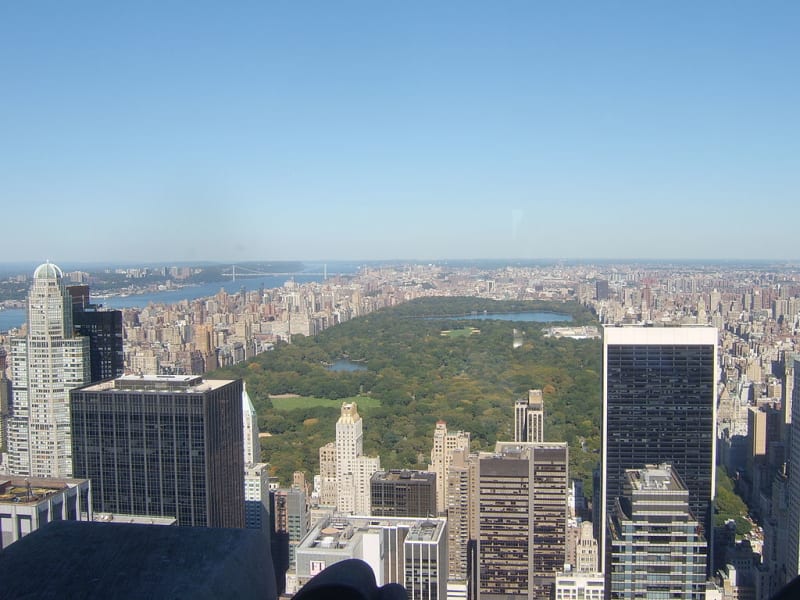
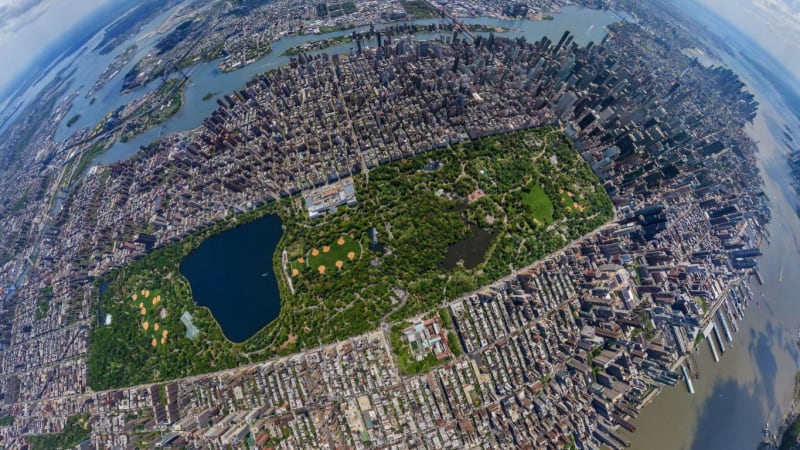
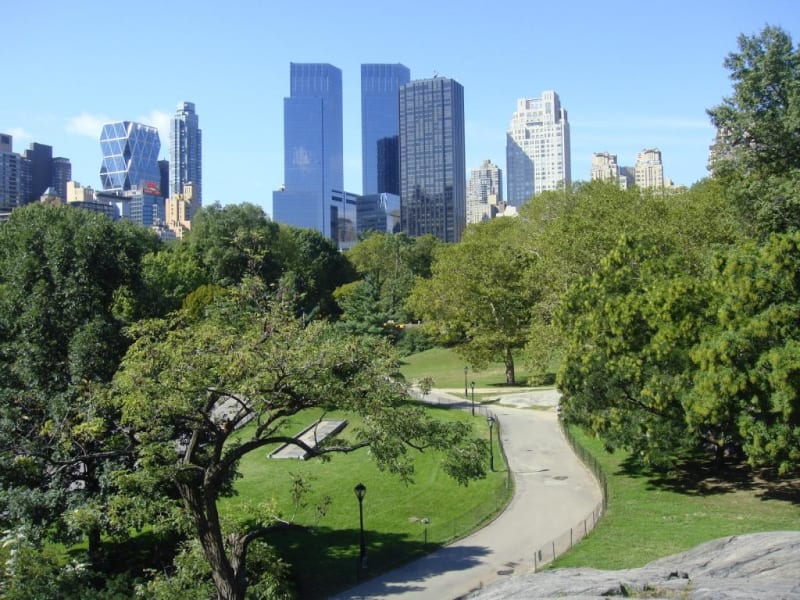
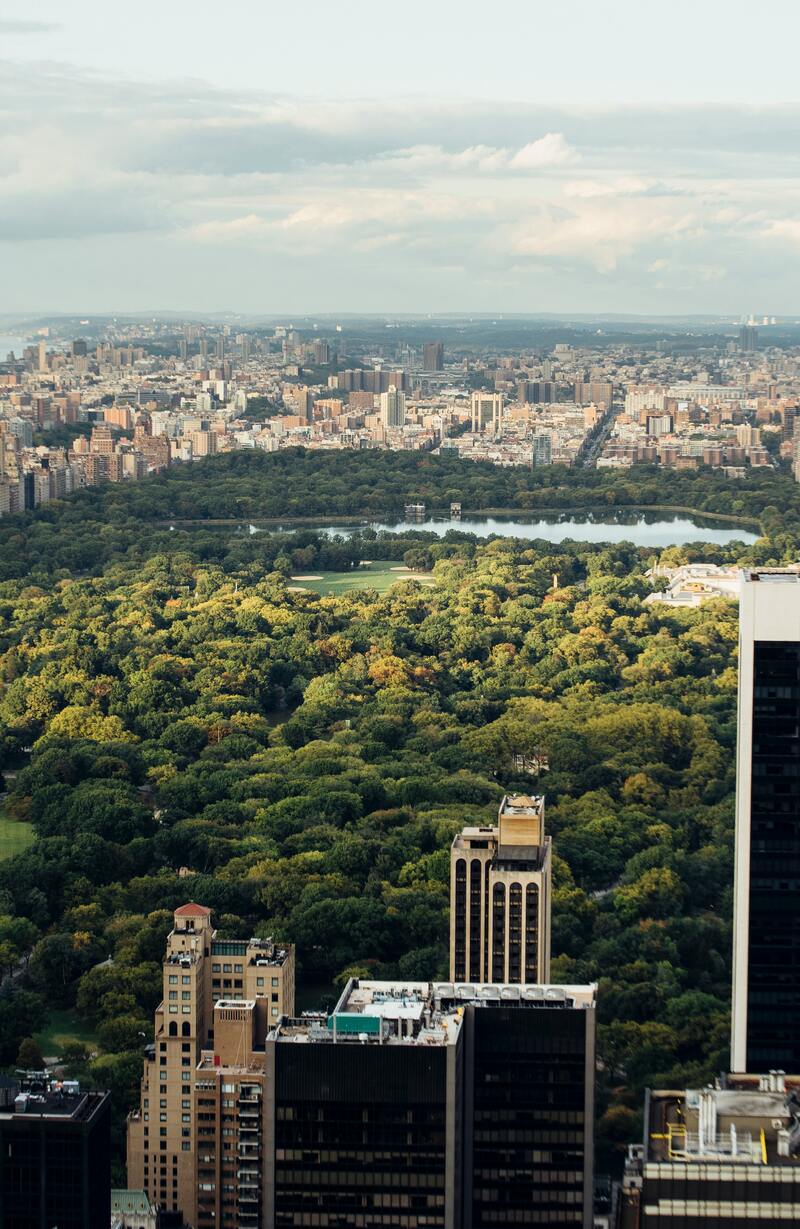
Central Park covers approximately 341 hectares. It stretches about four kilometres from north to south and occupies a substantial part of Manhattan between Fifth and Eighth Avenues. Despite the surrounding streets and tall buildings, there are places inside the park where the noise of the city fades away.
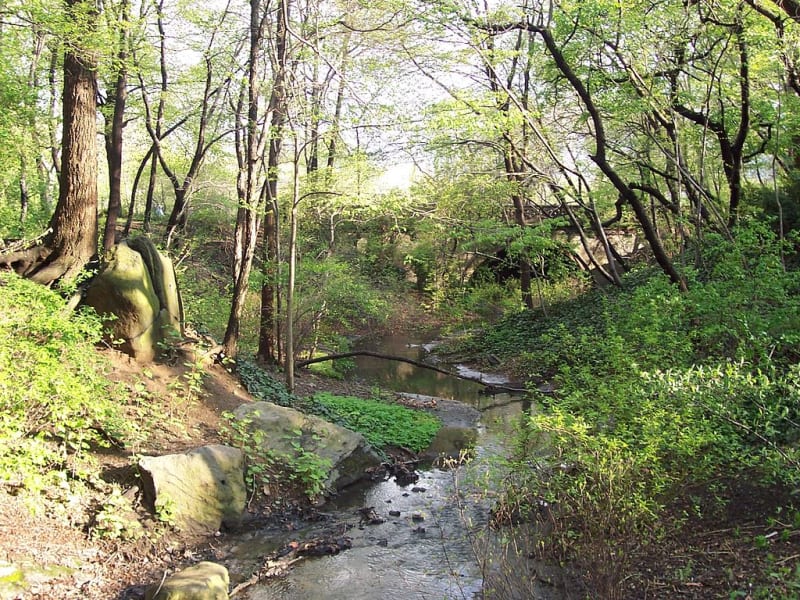
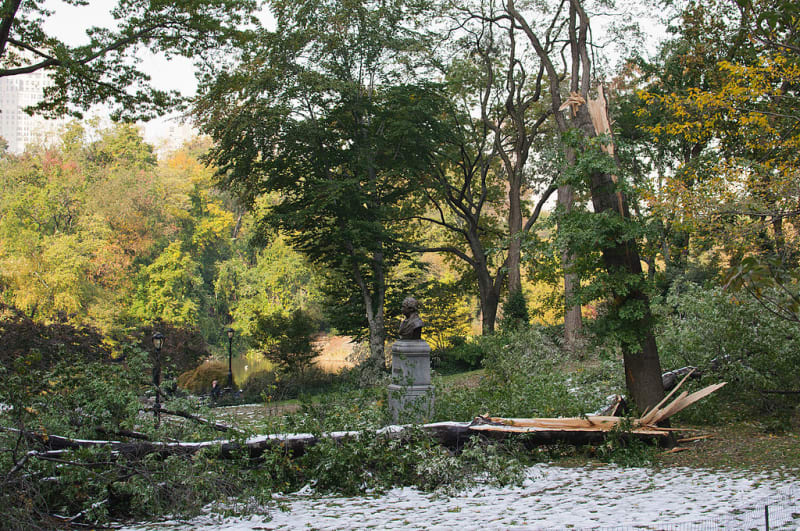
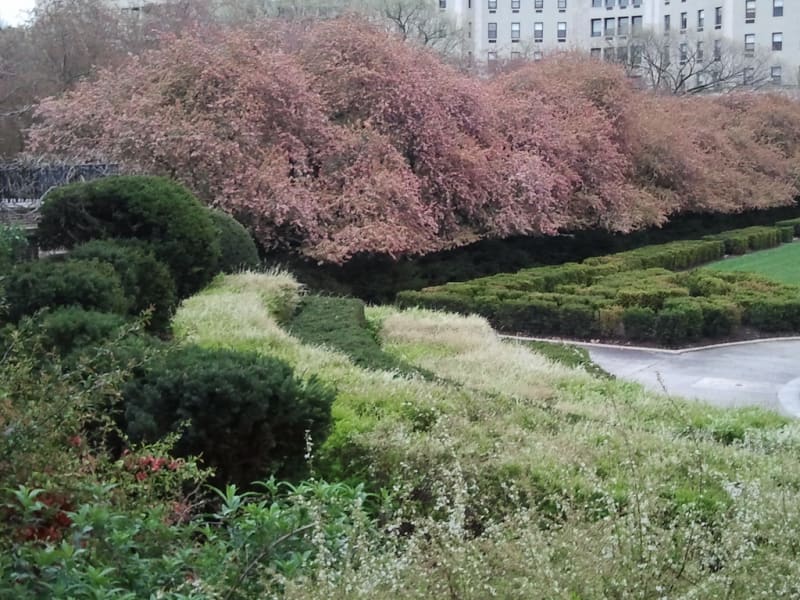
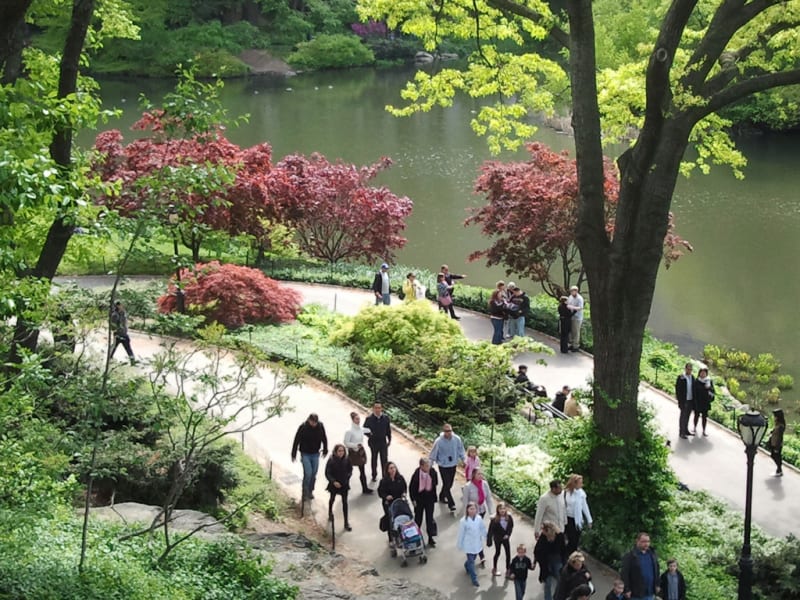
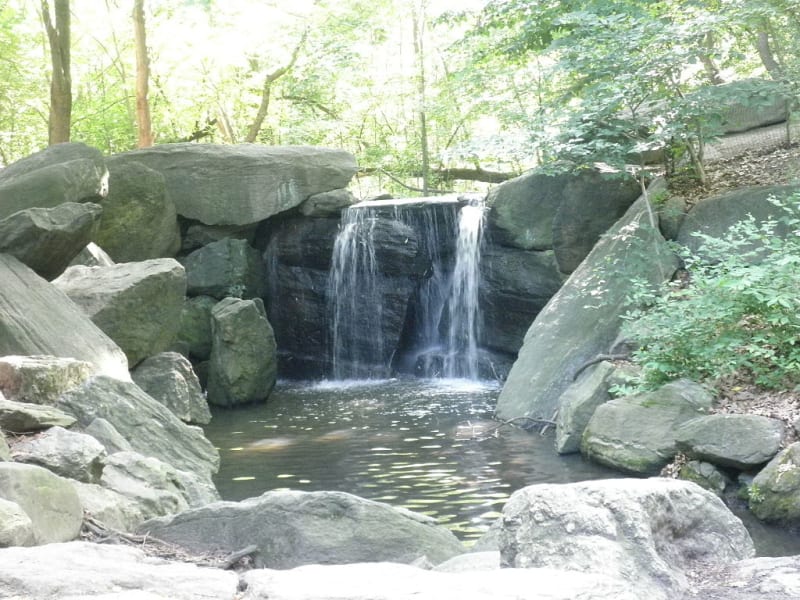
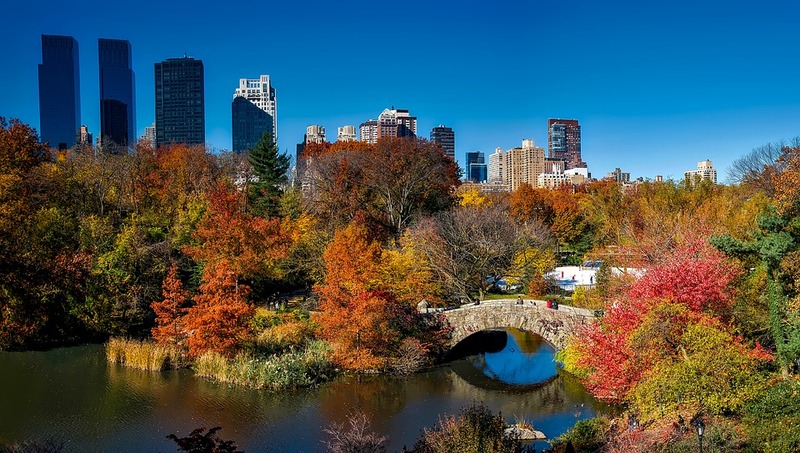
The landscape includes woodland, open lawns, rocky elevations, ponds and artificial lakes. Thousands of trees grow throughout the park, and seasonal changes give it a different appearance throughout the year. Trees and ornamental plants bloom in spring, visitors relax on the grass in summer, paths turn golden and red in autumn, and some areas become snowy walking routes in winter.
Bethesda Terrace and Fountain
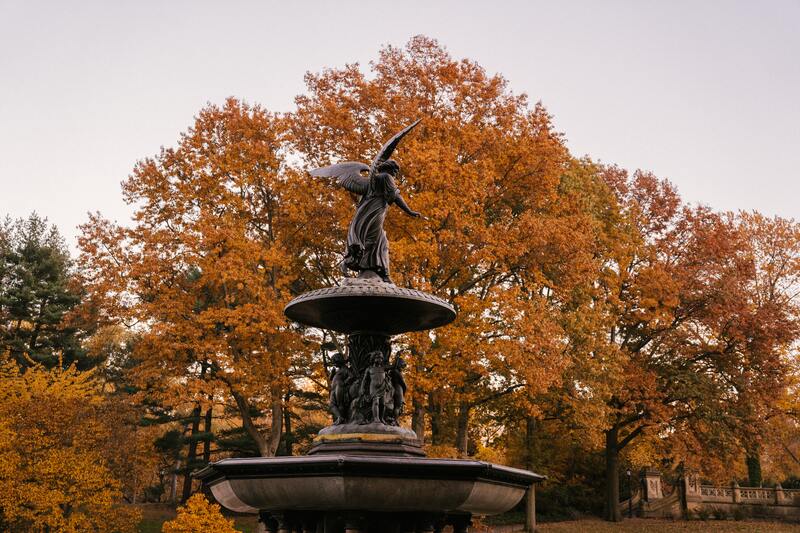
One of Central Park's most recognisable landmarks is Bethesda Terrace, beside Bethesda Fountain. The architectural ensemble stands near the lake and features arches, staircases, carved details and decorative elements. At its centre is the bronze sculpture Angel of the Waters by Emma Stebbins, installed in 1873.
The terrace is popular with photographers, musicians and travellers. It offers attractive views of the water and surrounding trees. Street performers often appear beneath the arches, and the space serves as a meeting point and place to relax. It is one of the best places to experience the atmosphere of the park and see how historic architecture blends with nature.
The Lake and Bow Bridge
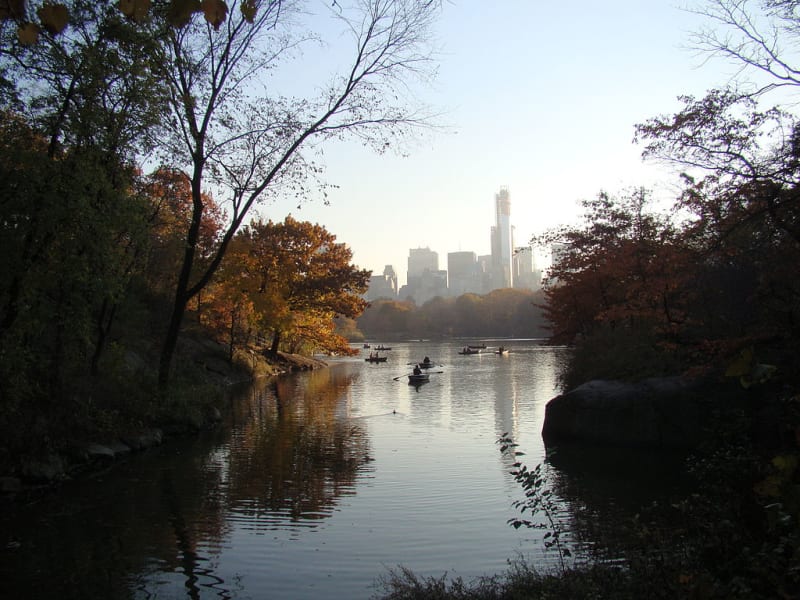
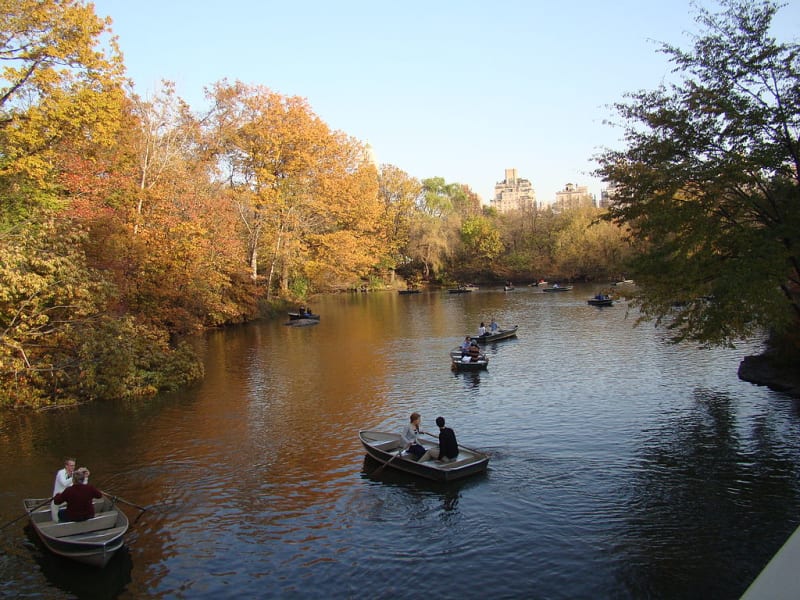
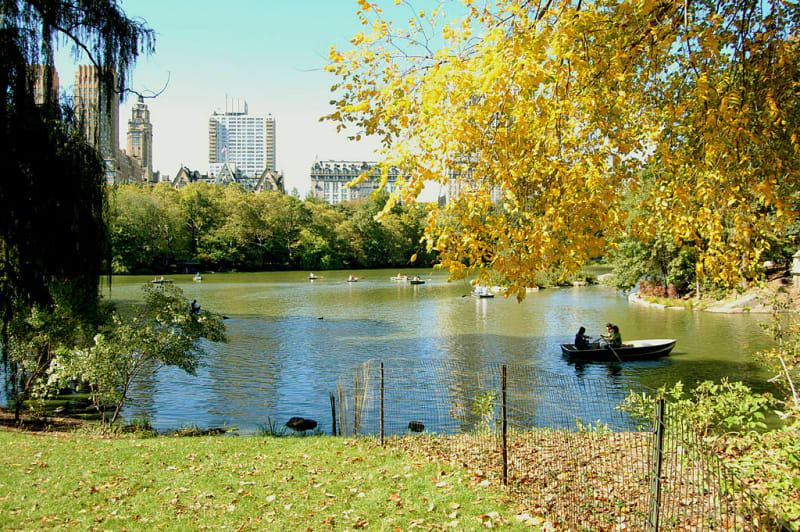
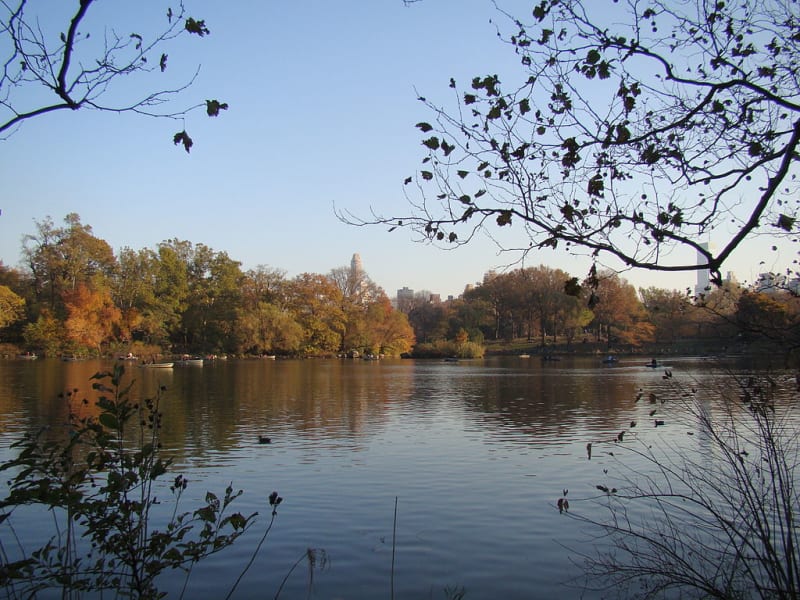
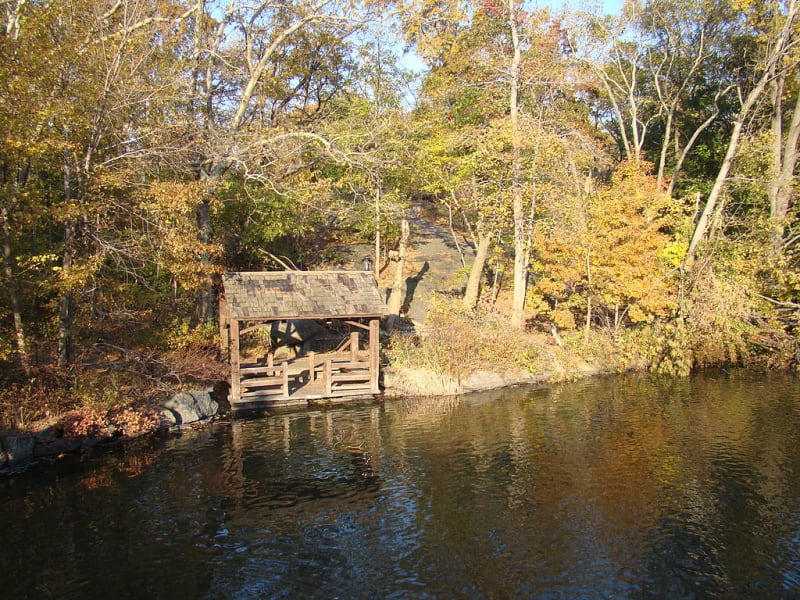
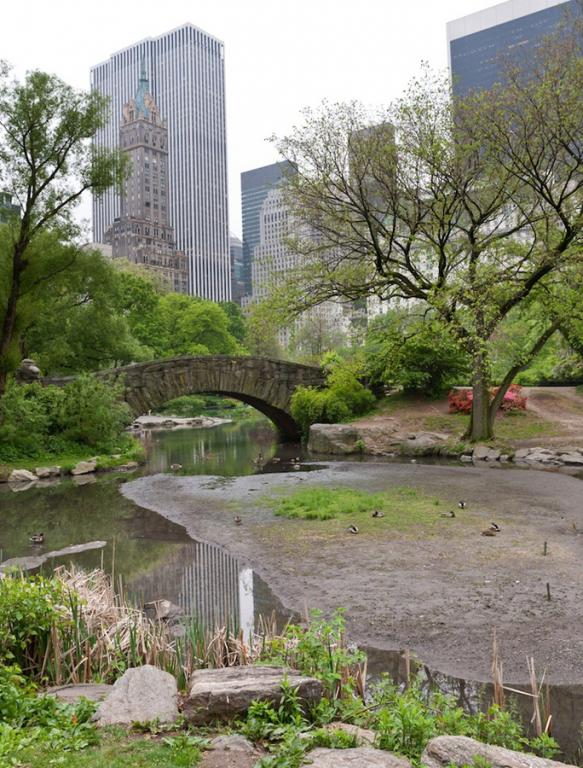
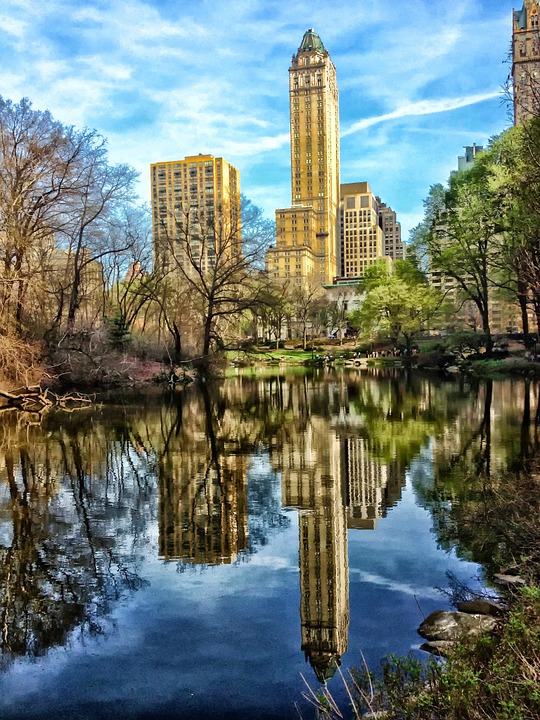
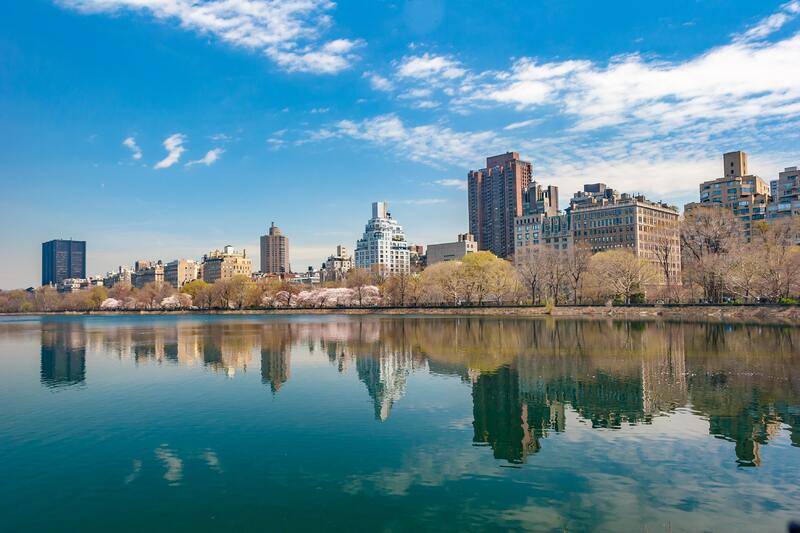
Not far from Bethesda Terrace lies the picturesque body of water known as The Lake. During warmer months, visitors can rent a small boat and admire the park from the water. Trees, rocky outcrops and secluded paths line the shores, while reflections of bridges and greenery create especially beautiful views.
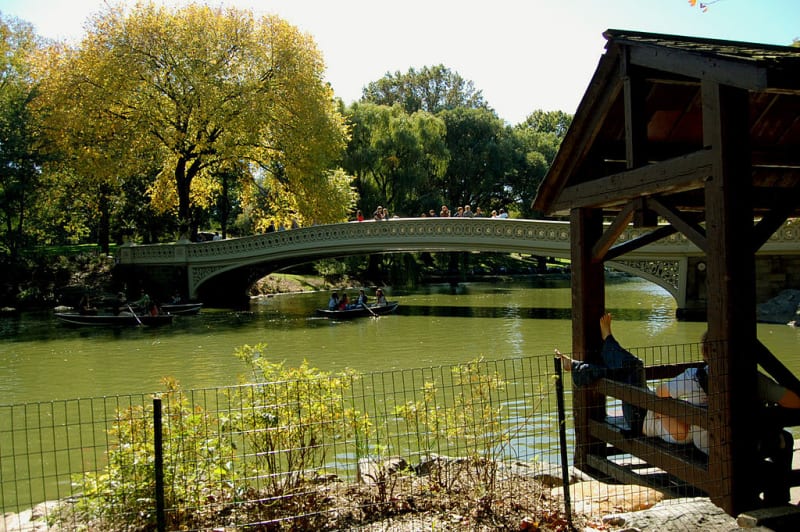
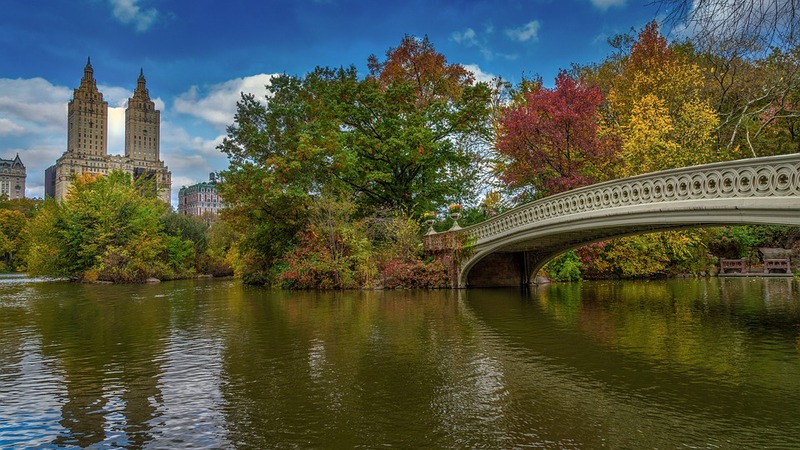
Bow Bridge crosses the lake and is considered one of the most romantic corners of Central Park. Its graceful curve and decorative railings frequently appear in photographs and films. The bridge connects walking routes on both sides of the lake and offers lovely views of the water and Manhattan's surrounding buildings.
Belvedere Castle
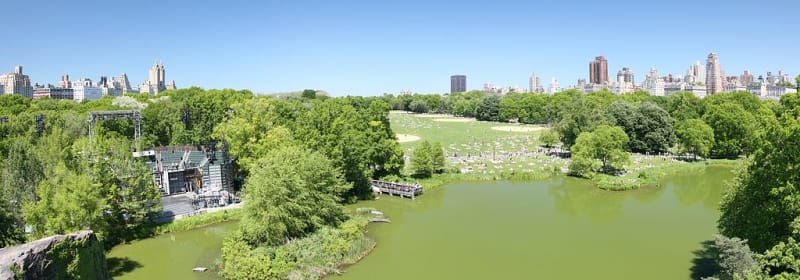
Belvedere Castle stands atop Vista Rock and is a small stone structure built in the nineteenth century. Its name comes from an Italian word meaning “beautiful view,” an apt description of its purpose. The castle is one of the park's best-known viewpoints, overlooking trees, lawns and the surrounding city neighbourhoods.
Today, Belvedere also serves as a visitor centre and a place to learn about the park's natural environment. Depending on the season, visitors can discover information about local plants and wildlife, watch birds and observe the landscape. The stone architecture is especially striking against summer greenery and bright autumn foliage.
Strawberry Fields and the Memory of John Lennon
Strawberry Fields is a memorial area in the western part of Central Park dedicated to musician John Lennon. It lies near the Dakota building, where he lived and outside which he was killed in 1980. The name refers to The Beatles song “Strawberry Fields Forever.”
At the centre of the memorial is a mosaic bearing the word Imagine, created in honour of Lennon's famous song. It has become a place of remembrance for fans from around the world. Visitors often leave flowers and other tributes, and the atmosphere is usually quieter than on the park's busy central paths.
Central Park Zoo
Central Park is also known for its zoo, located in the southeastern part of the grounds. The modern zoo introduces visitors to animals from different parts of the world. Its inhabitants include Arctic species, tropical birds, reptiles and other animals. Some exhibits focus on the diversity of natural habitats and wildlife conservation.
The zoo is suitable for families and can be a separate highlight, particularly for visitors travelling with children. Before visiting, check opening hours, exhibit availability and visitor rules, as these may vary by season.
Walking, Sports and Recreation
Central Park is not just a tourist attraction but an important part of everyday life in New York. People run, cycle, walk their dogs, practise yoga and enjoy picnics here. Numerous pedestrian paths cross the grounds, while cyclists have designated routes with specific rules.
The park also contains sports fields, tennis courts, baseball areas and other facilities for active recreation. Concerts, theatre performances and public events take place on some lawns. In warmer months, boating is popular, while in winter, weather permitting, visitors can skate at specially equipped rinks.
Flora and Fauna
Despite being located in one of the most densely populated parts of the United States, Central Park plays an important role in urban biodiversity. Many species of trees, shrubs and flowers grow here. Migratory birds are regularly spotted, along with squirrels, turtles and other animals adapted to city life.
The park is especially interesting during spring and autumn bird migrations. Its wooded areas and bodies of water provide resting places for birds travelling between northern and southern regions. For wildlife watching, choose quieter paths, keep a respectful distance from animals and avoid feeding them unsuitable food.
When to Visit Central Park
Central Park is open throughout the year, and each season offers a different experience. Spring brings flowering trees and gardens. Summer is popular for picnics and outdoor events. In autumn, foliage turns red, yellow and orange, while winter may bring snow-covered paths and frozen water features.
Allow at least two to three hours to see the main landmarks for the first time. If you plan to visit the zoo, rent a boat, explore nearby museums and stroll through different sections of the park, set aside half a day or longer. Mornings are usually quieter, while popular areas can become crowded on weekends and holidays.
How to Get to Central Park
Central Park is located in Manhattan and is well connected to the rest of New York City. Subway trains and buses provide access to its various entrances. The best station depends on which part of the park you want to visit: the southern section with the zoo and walking paths, the central area around Bethesda Terrace, or the quieter green spaces in the north.
Walking is a convenient way to explore the park because many major attractions are connected by paths. A bicycle can help cover more ground in less time, although restrictions apply on some routes. Central Park is a rare combination of nature, architecture, history and urban culture, offering a different perspective on New York and a peaceful green escape without leaving Manhattan.
Gallery