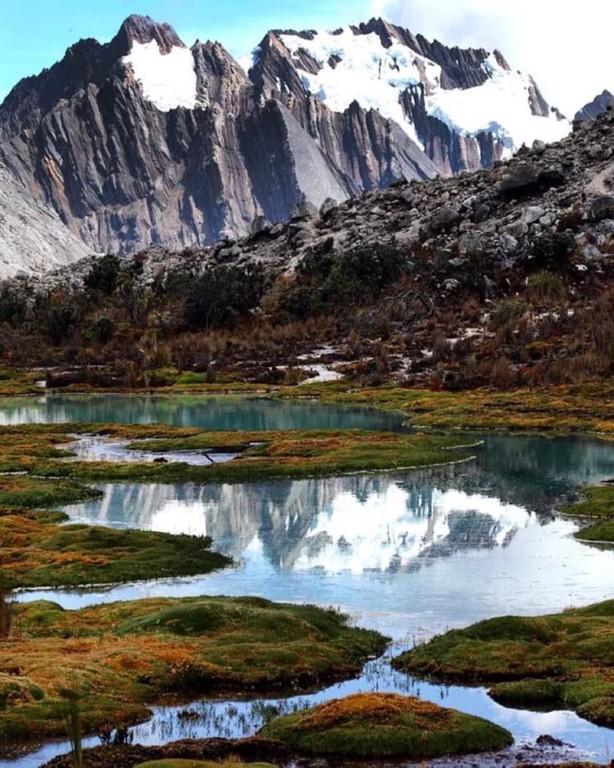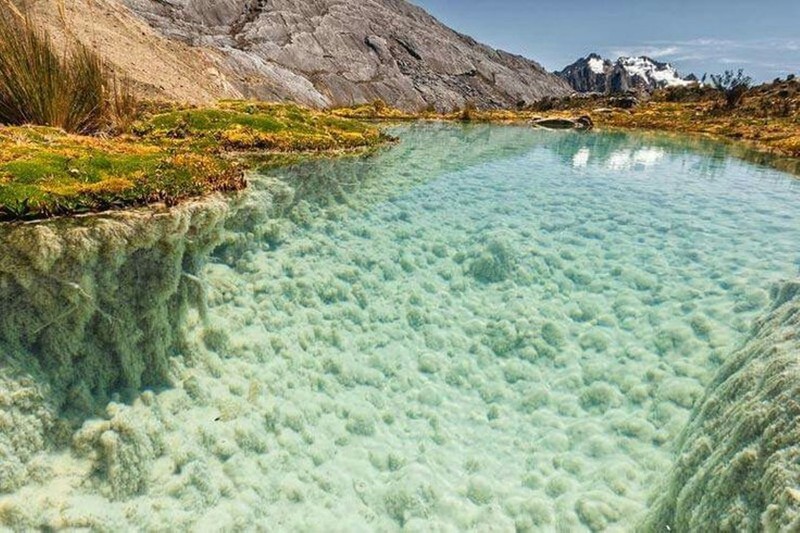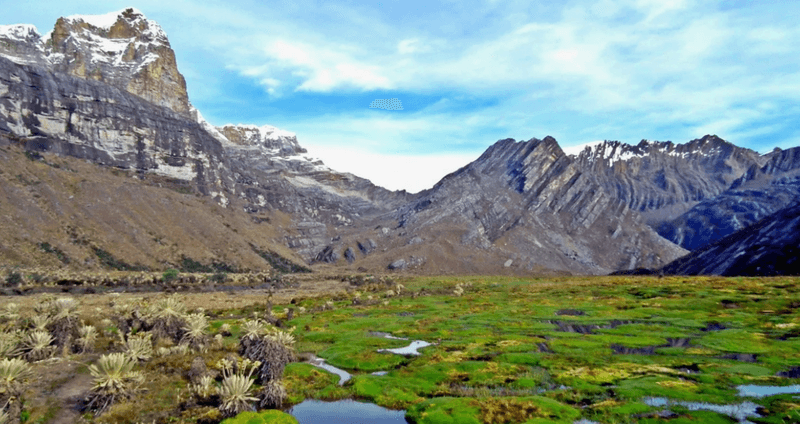

El Cocuy National Natural Park is one of Colombia’s most impressive protected areas. It lies in the eastern Andes across the departments of Boyacá, Arauca, and Casanare. The park is known for the snow-covered peaks of the Sierra Nevada del Cocuy, glaciers, high-altitude lakes, deep valleys, and diverse mountain ecosystems.
The park covers approximately 306,529 hectares. Its elevation ranges from about 600 metres above sea level in the foothills to more than 5,300 metres on the highest summits. Tropical forests, Andean forests, high-altitude páramo, and glacial landscapes occur within this broad range.
The Sierra Nevada del Cocuy Mountain Range
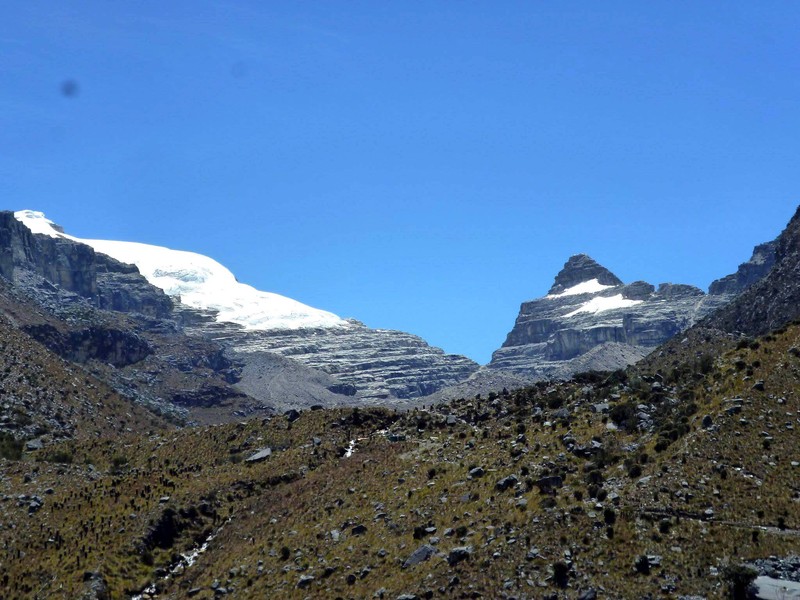
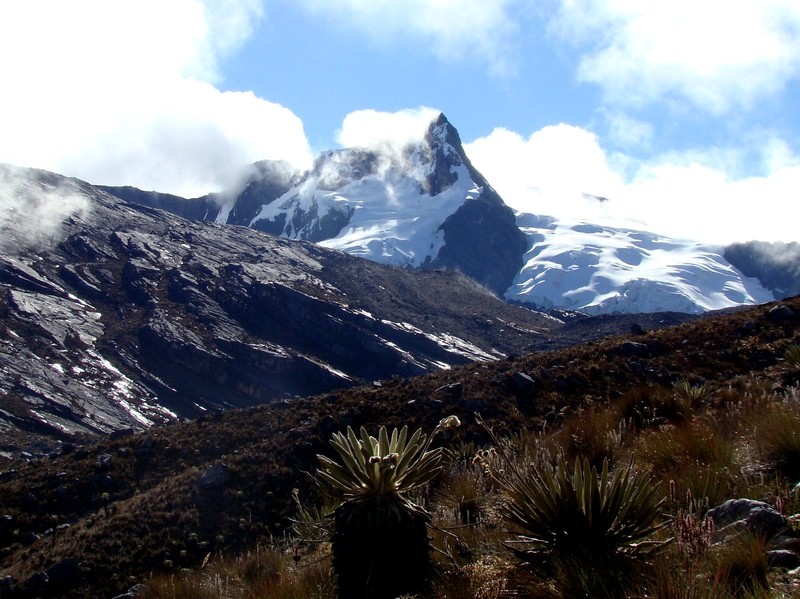
The park’s main natural landmark is the Sierra Nevada del Cocuy, also known as the Sierra Nevada de Güicán. Sharp rocky ridges and dozens of high peaks stretch along the range. The highest summit, Ritacuba Blanco, reaches approximately 5,380 metres.
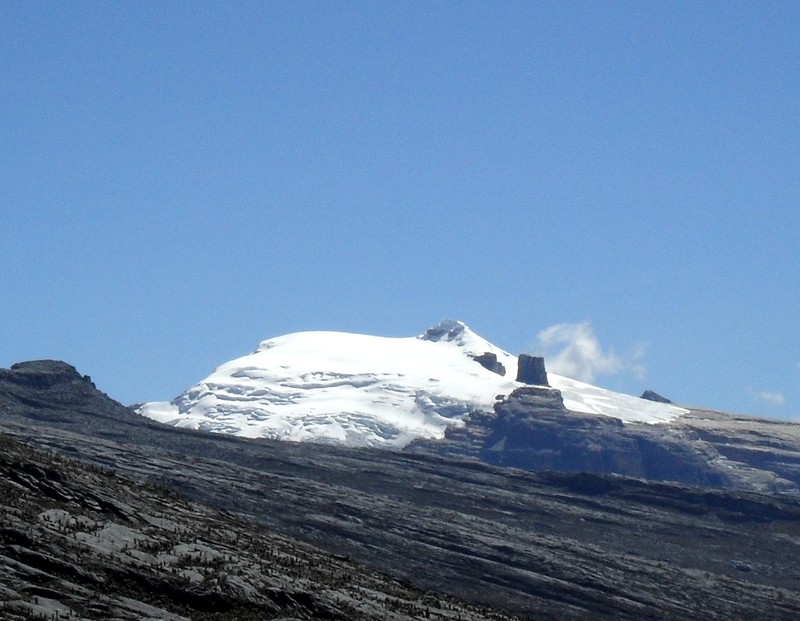
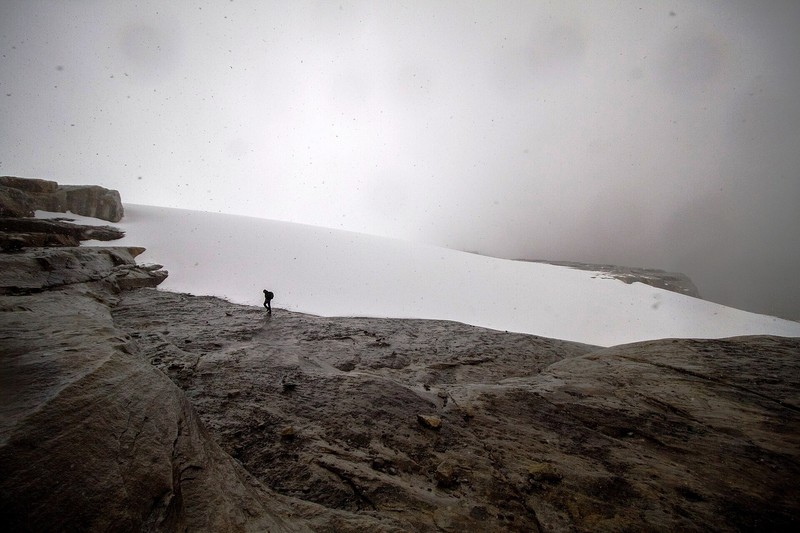
Snow and ice cover the upper slopes, while glacial lakes and streams occupy the valleys. The range contains Colombia’s largest remaining glacial area, although its ice cover is steadily shrinking as the climate changes.
Glaciers, Lakes, and Mountain Scenery
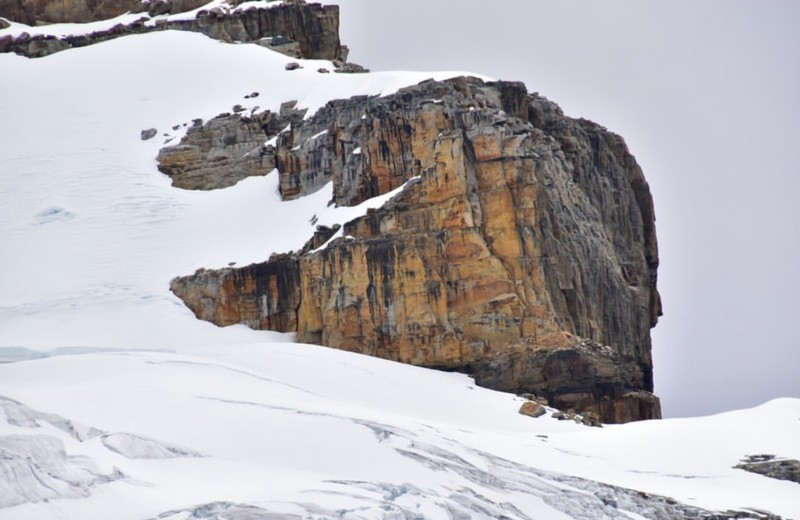
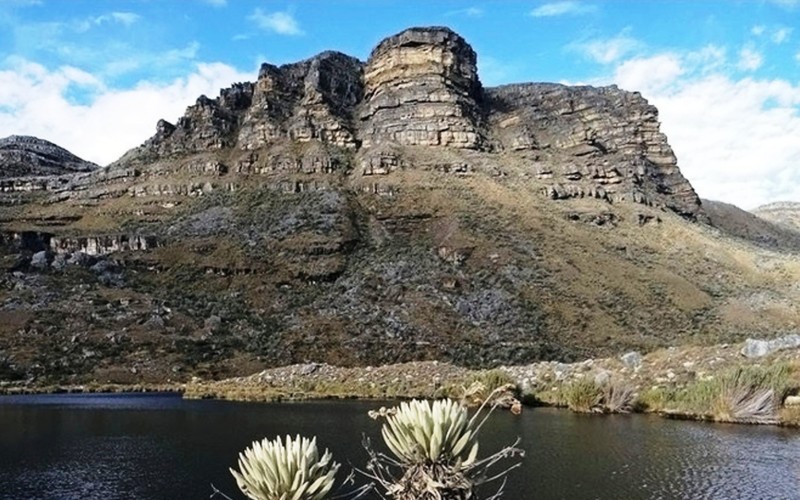
El Cocuy draws travellers with its spectacular high-mountain panoramas. Notable features include the peaks of Ritacuba, Pan de Azúcar, and Cóncavo, as well as the unusual rock formation known as Púlpito del Diablo, which resembles a huge stone pedestal amid the mountains.
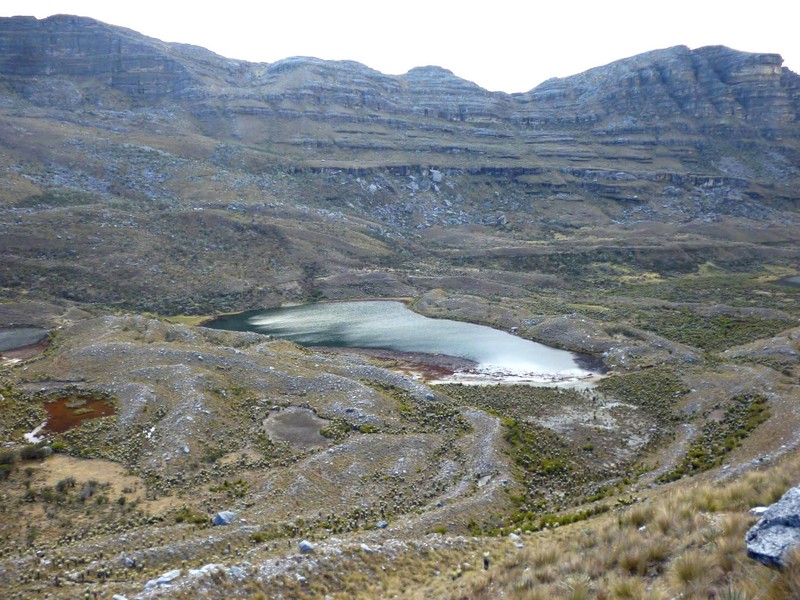
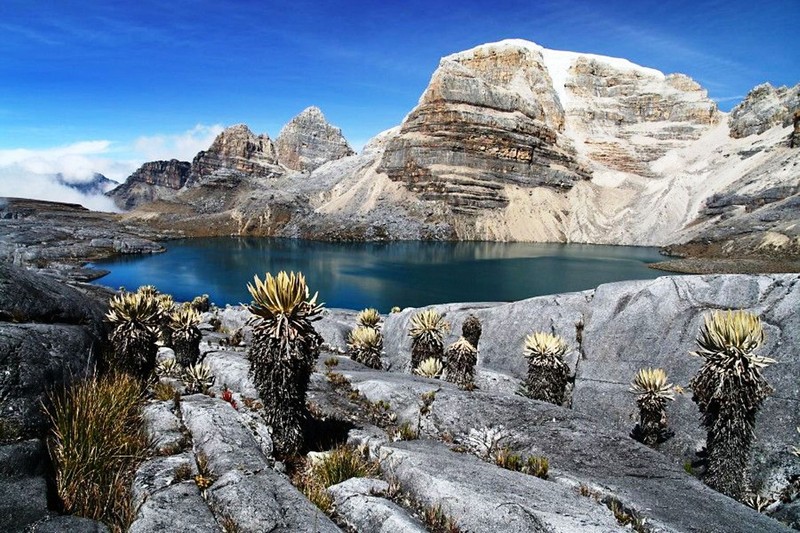
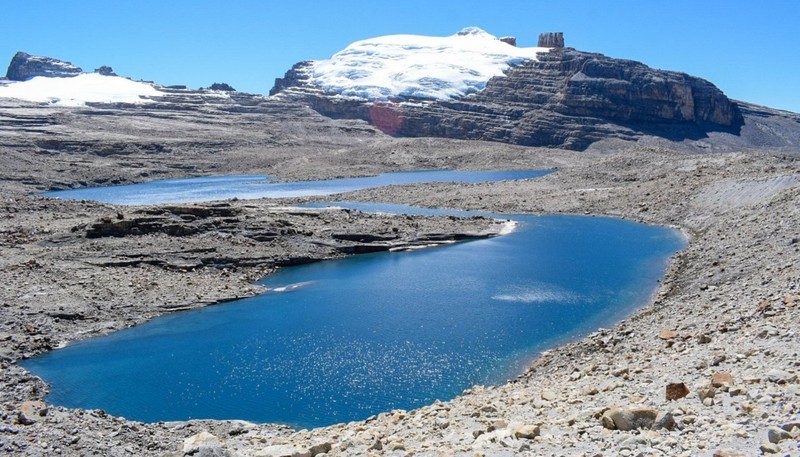
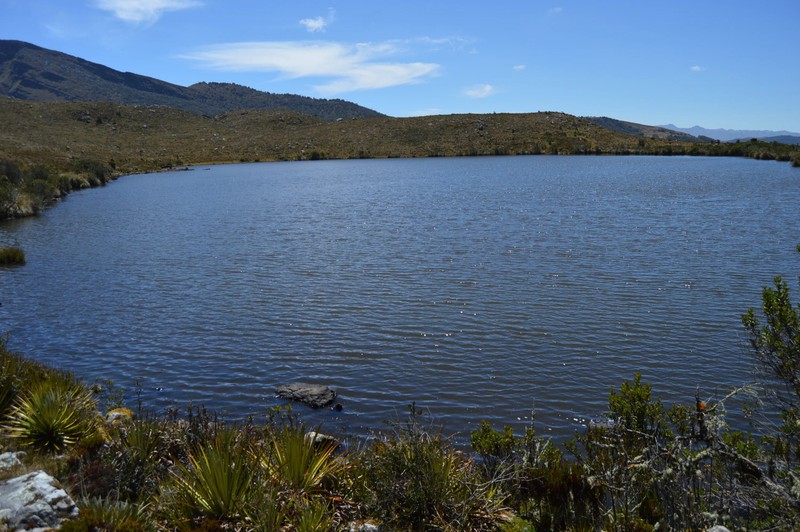
The park contains numerous high-altitude lakes. One of the best known is Laguna Grande de la Sierra, surrounded by rugged mountain slopes. These lakes feed streams and rivers, while the mountain system plays an important role in regulating regional water resources.
Flora and Fauna
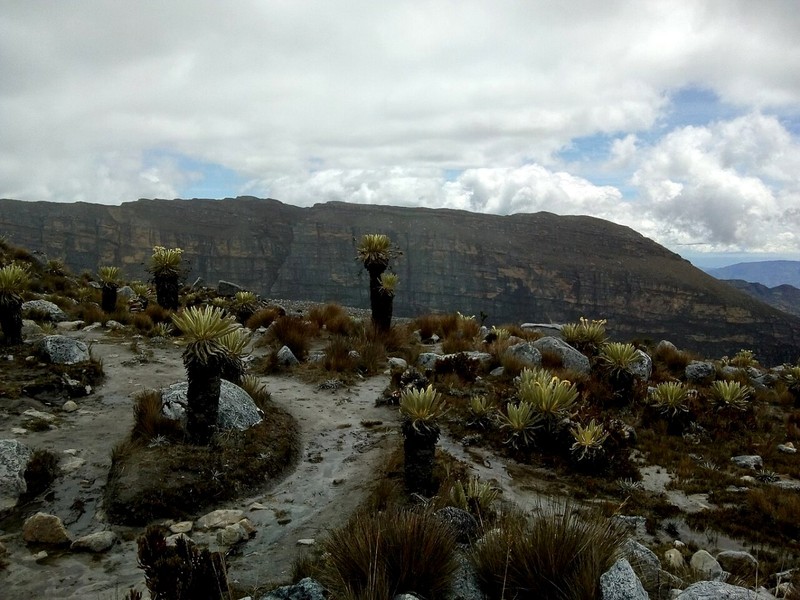
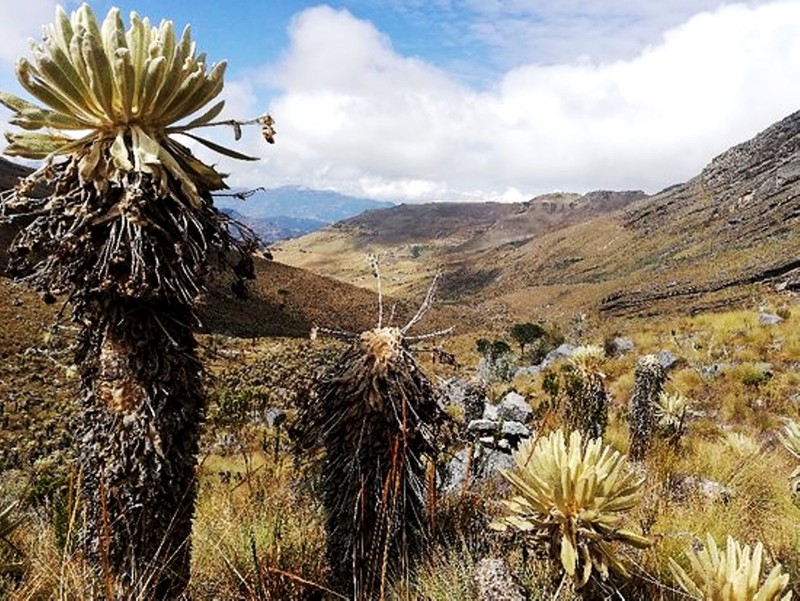
The park’s vegetation changes with elevation. High-altitude páramo is home to frailejones, characteristic Andean plants adapted to cold conditions and intense sunlight. Andean forests grow at lower elevations, while wetter tropical ecosystems occur on the eastern slopes.
Wildlife in the region includes the Andean spectacled bear, white-tailed deer, small wild cats, and many bird species. Protecting these habitats is important for biodiversity and ecological connections between the Andes and the Orinoco lowlands.
Cultural Significance and the U’wa People
El Cocuy is important not only for its natural landscapes but also for its cultural heritage. The Indigenous U’wa people know the mountain range as Zizuma and regard it as sacred. Their traditional worldview emphasises the relationships among mountains, water, living beings, and the spiritual world.
The park brings together Andean natural heritage, Indigenous traditions, and the lives of rural highland communities. Conservation therefore involves protecting glaciers and forests while respecting the cultural values of local people.
Hiking Trails
Visitors may use designated trails in the western part of the mountain range. Well-known routes include Lagunillas–Púlpito del Diablo, Laguna Grande de la Sierra, and Ritacuba. These trails cross high-altitude landscapes and lead to authorised viewpoints near the glaciers.
Routes reach elevations of around 4,000 metres and above, requiring good physical fitness and gradual acclimatisation. Weather can change rapidly, bringing cold, fog, intense sunlight, and poor visibility. Entering the glaciers themselves is prohibited, and leaving authorised trails can endanger both visitors and fragile ecosystems.
How to Reach El Cocuy National Park
The towns of El Cocuy and Güicán de la Sierra in Boyacá are major starting points for visiting the park. From Bogotá, travellers can take an intercity bus or drive via Tunja and Duitama, then continue along roads towards El Cocuy or Güicán. Some sections may be unpaved.
Before travelling, check the current access rules, available permits, and trail conditions on the official Colombian national parks website. Advance booking, registration, an orientation briefing, and accompaniment by an authorised guide or nature interpreter are required. Visitor conditions may change.
Tips for Travellers
Bring warm layers, a waterproof jacket, sturdy hiking boots, sun protection, and sufficient drinking water. Take the effects of altitude seriously, avoid overexertion, and descend promptly if persistent dizziness, severe headache, or breathing difficulties occur.
Strict conservation rules apply within the protected area: do not leave litter, light fires, stray from authorised routes, or stay overnight in prohibited areas. Visiting El Cocuy requires care for the environment and respect for the sacred significance of the mountains to the U’wa people.
Gallery