
Chingaza National Natural Park is one of Colombia’s most important protected areas, located in the Eastern Cordillera of the Andes northeast of Bogotá. It is known for its high-mountain scenery, cloud forests, extensive páramo landscapes, mountain lakes, and rich wildlife. Chingaza offers nature lovers an opportunity to explore characteristic Colombian Andean ecosystems and learn about the cultural heritage of Indigenous peoples.
The park was established on 6 June 1977 and covers approximately 76,600 hectares. It extends across the departments of Cundinamarca and Meta, with elevations ranging from about 800 to 4,020 metres above sea level. These differences in altitude create a variety of natural zones, from mountain forests to open high-altitude plains.
High-Altitude Páramo and Mountain Scenery
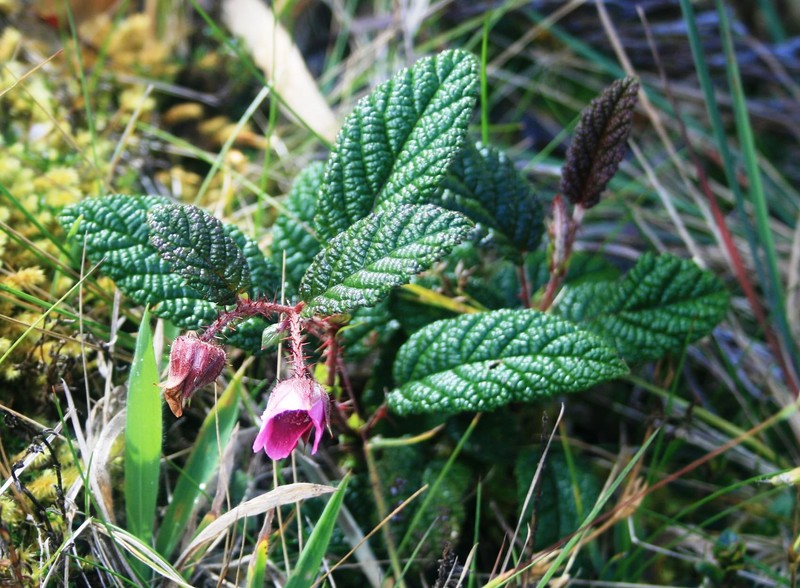
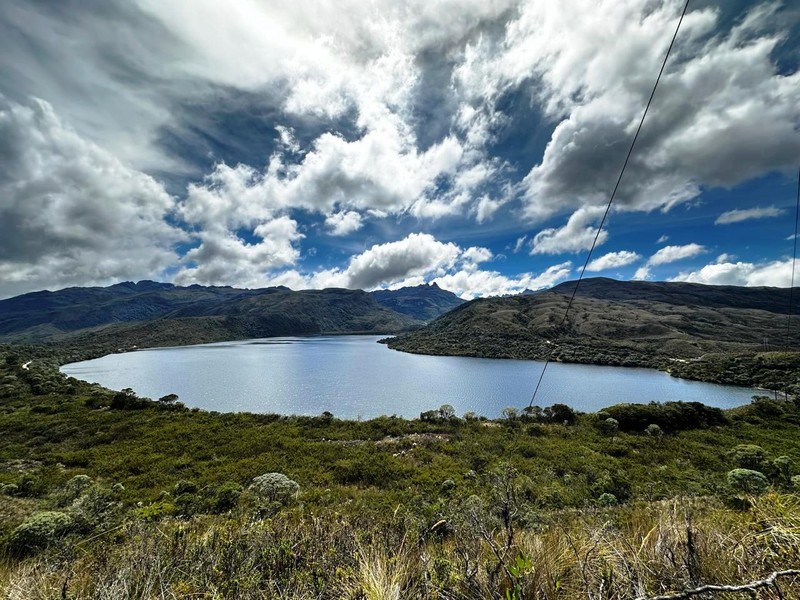
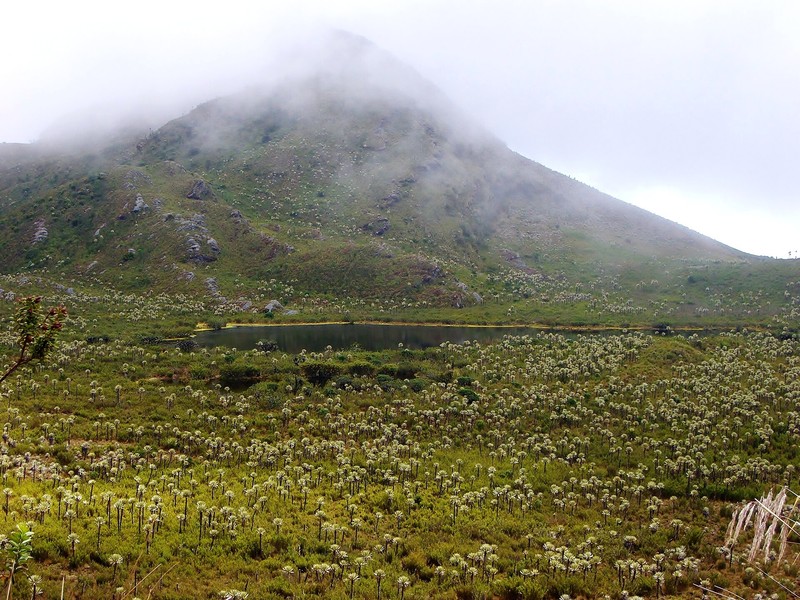
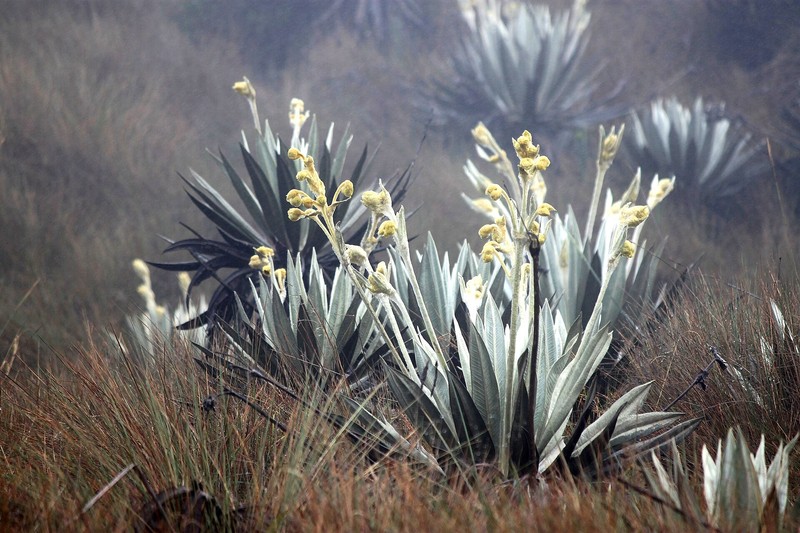
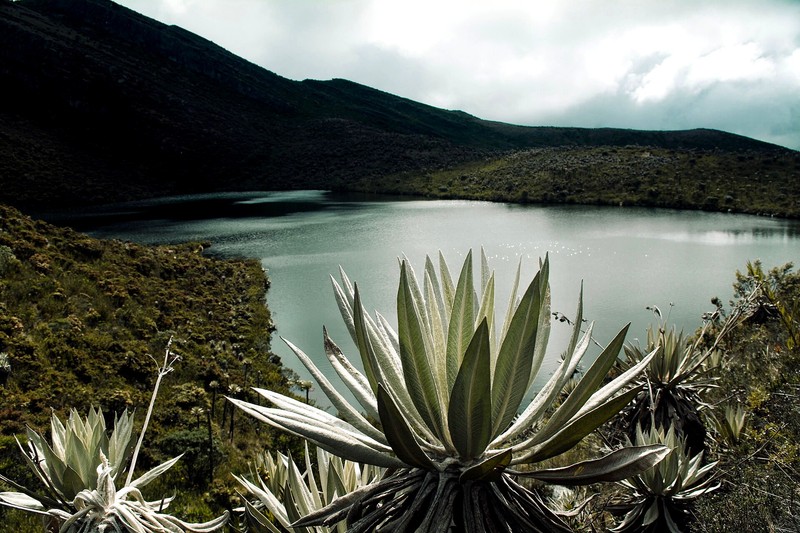
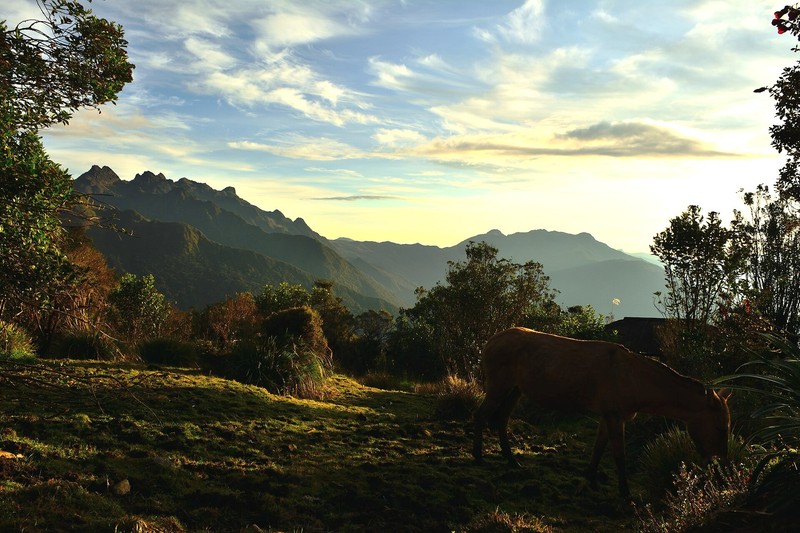
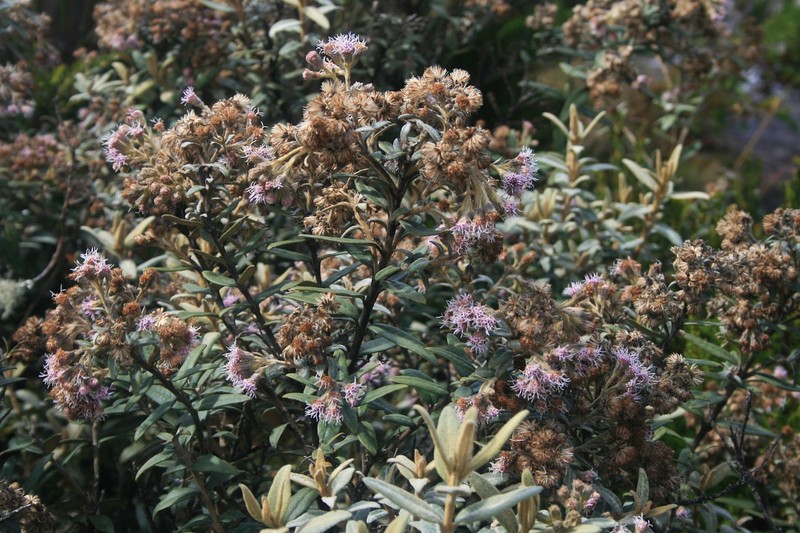
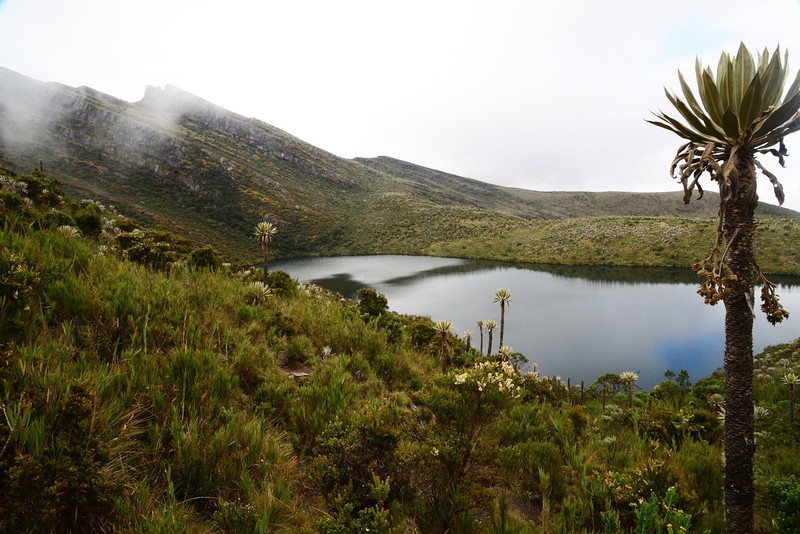
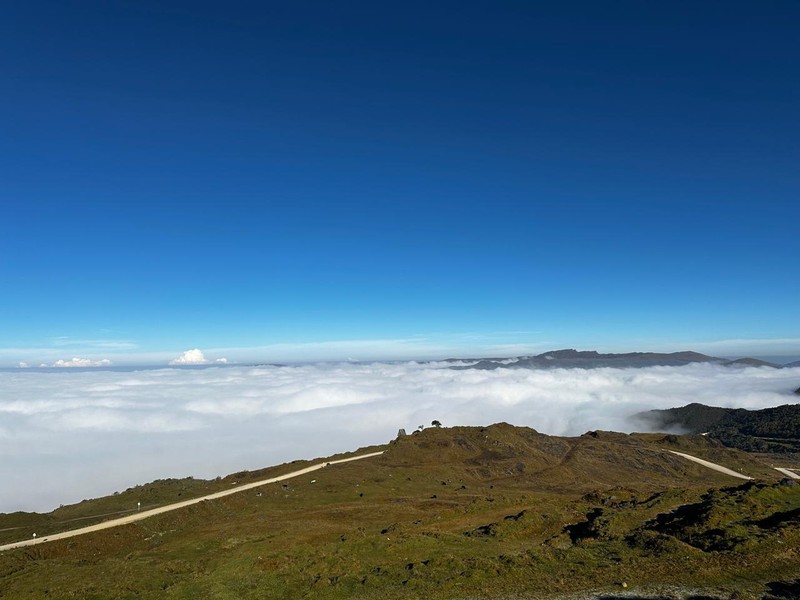
Chingaza’s defining feature is the páramo ecosystem, characteristic of the high tropical Andes. These open landscapes have a cool, humid climate, low-growing vegetation, mosses, wetlands, and numerous bodies of water. On clear days, mountain ridges can be seen in the distance, while mist often envelops the slopes and creates a distinctive atmosphere.
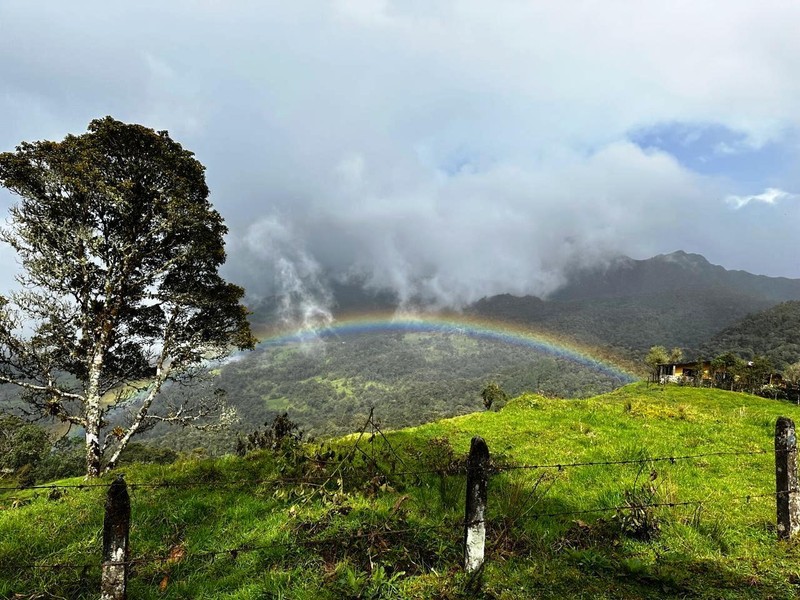
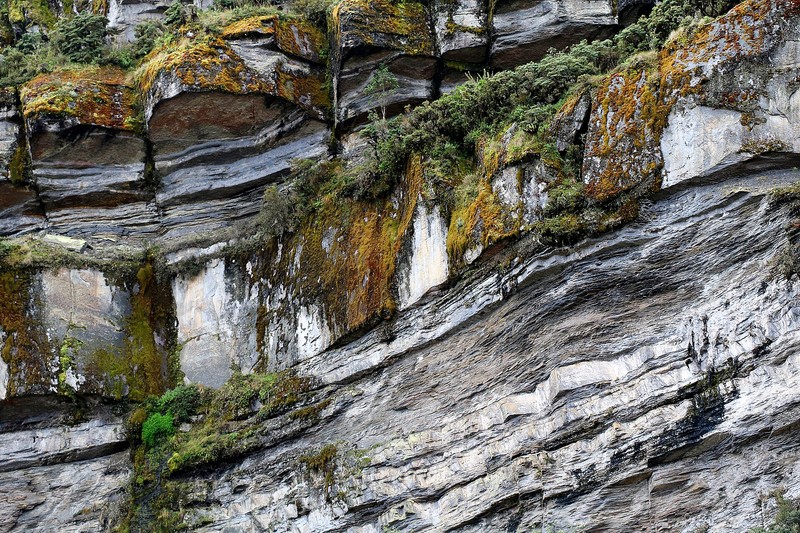
Andean and high-Andean forests grow in the lower parts of the park. Trees, shrubs, ferns, mosses, and other plants thrive in the cool, humid conditions. The transition from forest to páramo clearly illustrates how vegetation changes with altitude and local environmental conditions.
Lakes and Water Resources
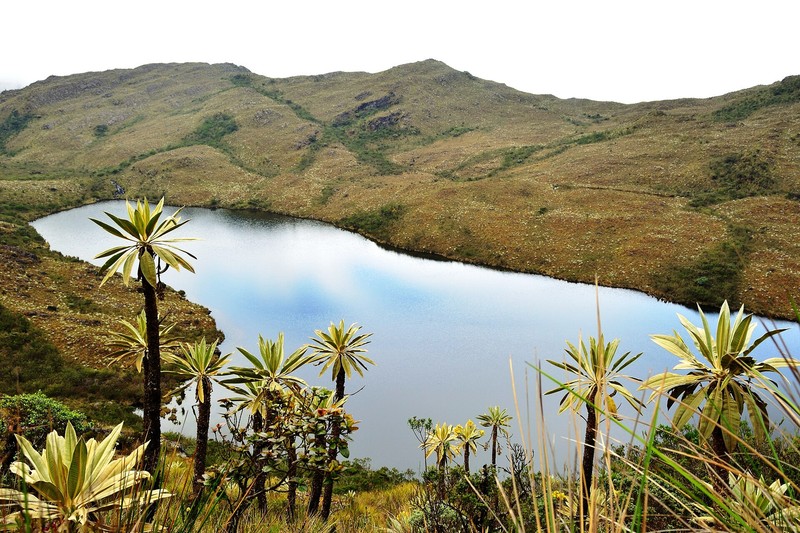
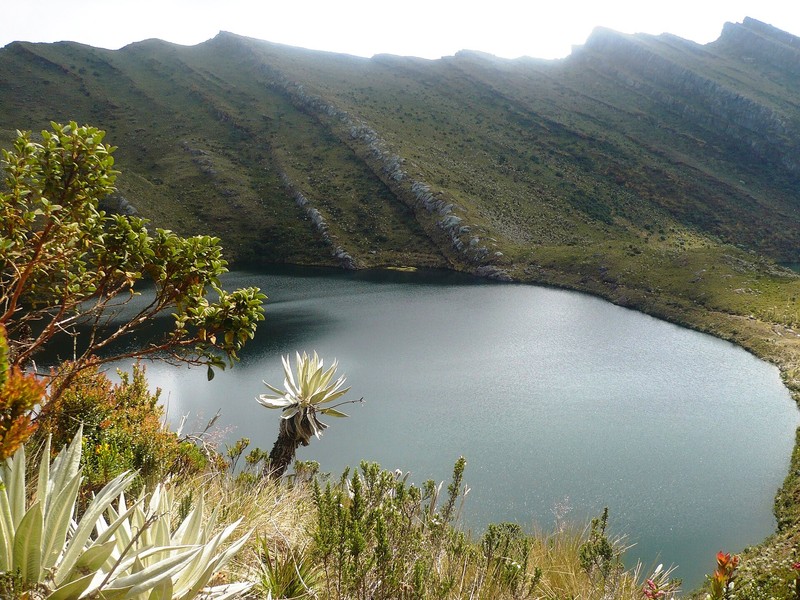
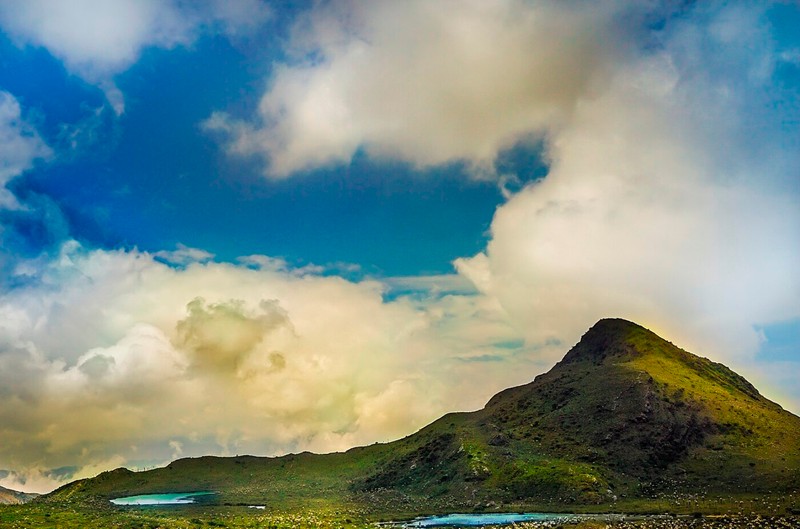
The park contains a network of high-altitude lakes and wetlands. One of its best-known features is Chingaza Lagoon, surrounded by mountain slopes and páramo vegetation. The Siecha Lakes are also important; they lie in a separate sector and can be visited along authorised trails.
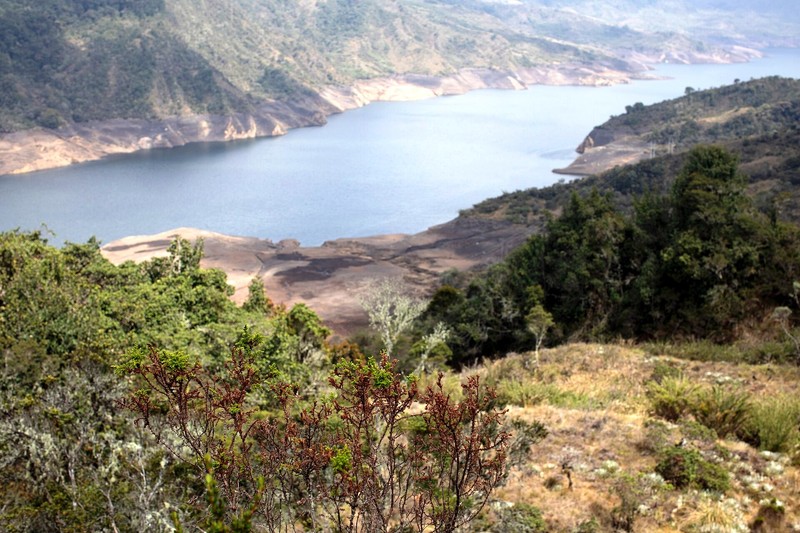
Chingaza is essential to the water supply of central Colombia. Its ecosystems collect, store, and gradually release water into rivers and reservoirs. The Chingaza water system is a major source of water for Bogotá and nearby communities. Protecting wetlands, mosses, forests, and mountain lakes is therefore vital not only for nature but also for millions of people.
Flora and Fauna
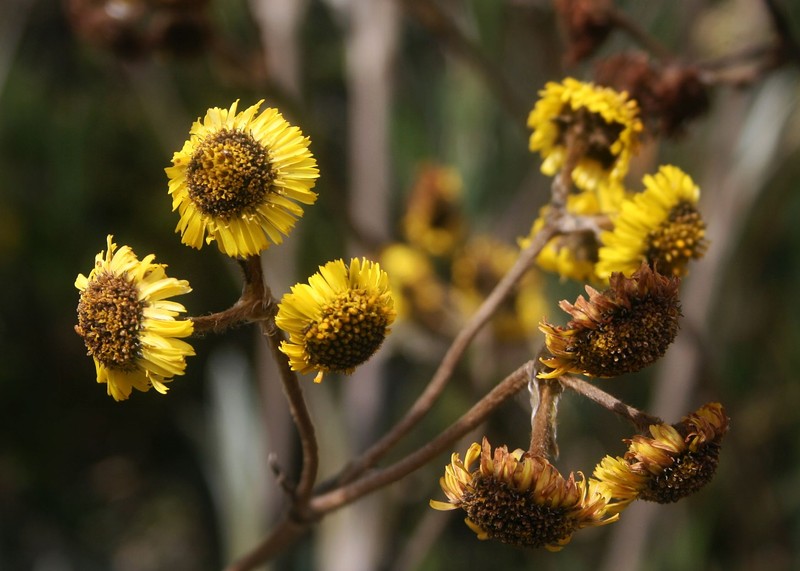
The park’s flora includes more than 1,400 plant species. Páramo areas are home to frailejones, distinctive Andean plants with leaf rosettes that help retain moisture. High-altitude grasses, mosses, and wetland plants also occur here. The forests contain species adapted to humid conditions and significant changes in elevation.
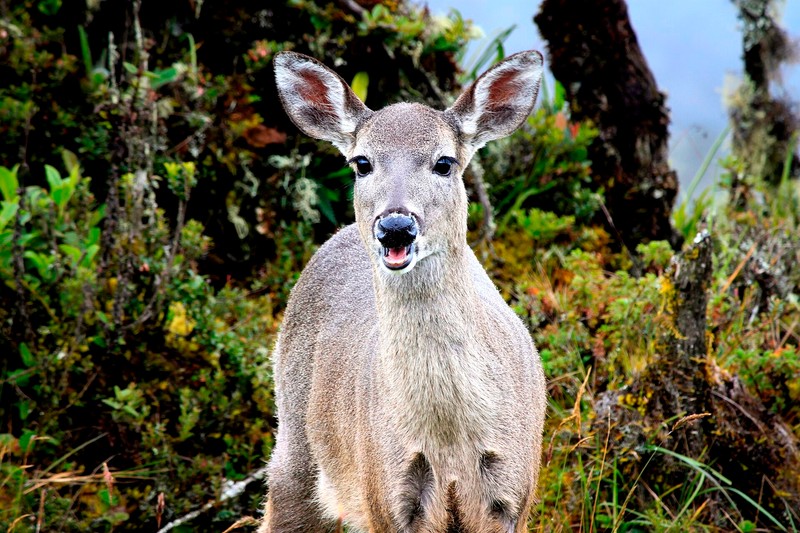
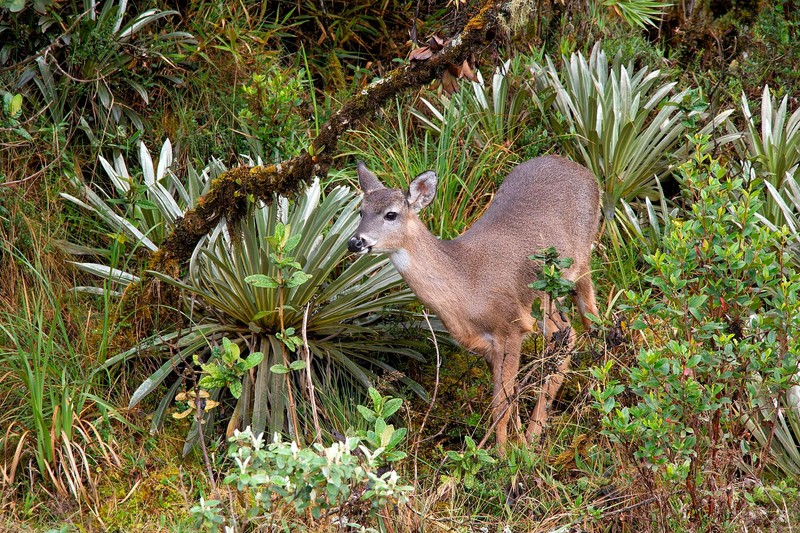
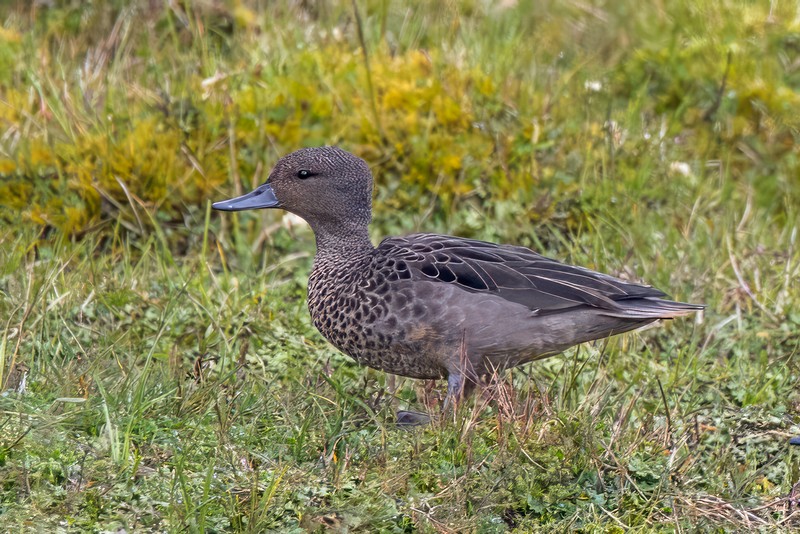
One of Chingaza’s best-known animals is the Andean spectacled bear, a rare mammal of South America. The park is also home to white-tailed deer, pumas, small wild cats, and numerous bird species. Wildlife sightings are not guaranteed because many animals avoid people and stay in dense vegetation. Visitors should keep their distance and never feed wild animals.
Cultural Heritage of Chingaza
The Chingaza mountain range has historical and spiritual significance for Indigenous peoples, including the Muisca and Guayupe. These peoples lived in the region and connected the surrounding mountains, bodies of water, and natural phenomena with their traditions and worldviews. This cultural heritage is important for understanding the history of central Colombia.
Today, the park combines the protection of natural ecosystems with respect for the region’s cultural values. Local rural communities also play an important role through conservation initiatives and the development of responsible tourism.
What to See in Chingaza National Park
Several authorised routes allow visitors to explore different parts of the park. Well-known trails include Siecha, Suasie, Laguna Seca, the Plants Along the Path–Chingaza Lagoon trail, and routes to the Buitrago Lakes. Access to individual trails depends on current regulations, weather conditions, and available spaces.
The trail to the Siecha Lakes crosses high-altitude landscapes and offers views of lakes surrounded by hills and páramo vegetation. Routes around Chingaza Lagoon introduce visitors to wetlands and mountain ecosystems. Some sections feature wooden walkways, viewpoints, and information panels explaining the local environment.
How to Reach Chingaza National Park
The park lies northeast of Bogotá. Main access points are located in the areas of La Calera, Fómeque, and Guasca. Visitors can travel from the capital by car and continue along roads to the relevant entrances at Piedras Gordas, La Paila, or Siecha. Roads leading to some sectors are unpaved, so their condition should be checked before departure.
Public transport may not reach the park’s visitor entrances directly, so visitors generally use a private vehicle or arrange transport in advance. Check availability, booking requirements, entrance fees, and guide rules before travelling. A registered guide or nature interpreter is required on authorised trails, and visitors receive an orientation briefing before starting their walk.
Best Time to Visit
Chingaza has a cool, humid high-mountain climate. Conditions can change quickly during the day, with sunshine giving way to fog, rain, and strong winds. December to February is generally a relatively less rainy period, although dry weather cannot be guaranteed.
Check the forecast and current visitor conditions before travelling. Bring a waterproof jacket, warm clothing, comfortable shoes with good grip, and sun protection. The combination of altitude and humidity can make even a short walk tiring, so follow the recommended pace.
Visitor Rules and Nature Conservation
Chingaza is a protected natural area, and visitors must stay on authorised routes and follow park staff instructions. Littering, lighting fires, disturbing wildlife, collecting plants, and feeding wild animals are prohibited. Pets are generally not allowed, and drone use is forbidden.
Mobile phone coverage may be unreliable or unavailable in some high-altitude areas. Tell your guide about your plans, carry water and essential supplies, and follow the guide’s recommendations. Responsible visits help preserve water resources, unique vegetation, and habitats for rare wildlife for future generations.
Gallery