Torres del Paine is a national park in southern Chile, in the Patagonian Andes. It is famous for its granite peaks, turquoise lakes, glaciers, waterfalls and extensive hiking trails. The park is one of South America's best-known natural destinations, bringing together rugged mountains, Patagonian steppe and Magellanic forests.
Located in Chile's Magallanes and Chilean Antarctica Region near Puerto Natales, the park covers approximately 227,298 hectares. In 1978, it was designated a UNESCO Biosphere Reserve. Visitors come for multi-day treks, wildlife watching and dramatic mountain scenery.
The Torres granite towers
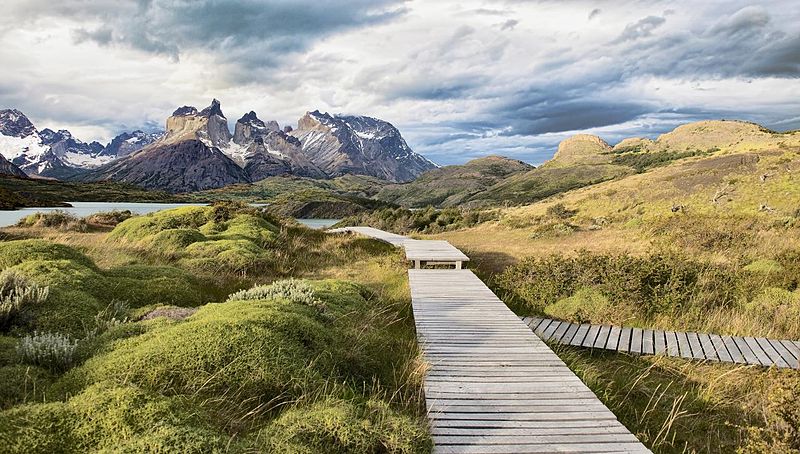
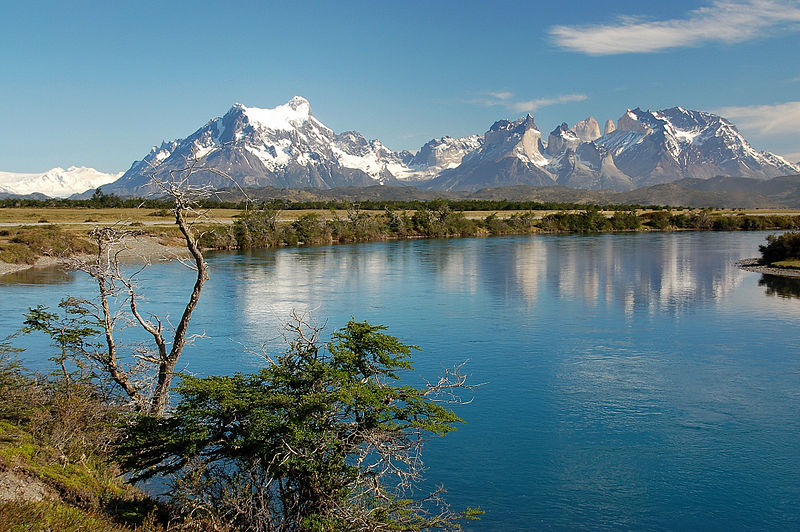
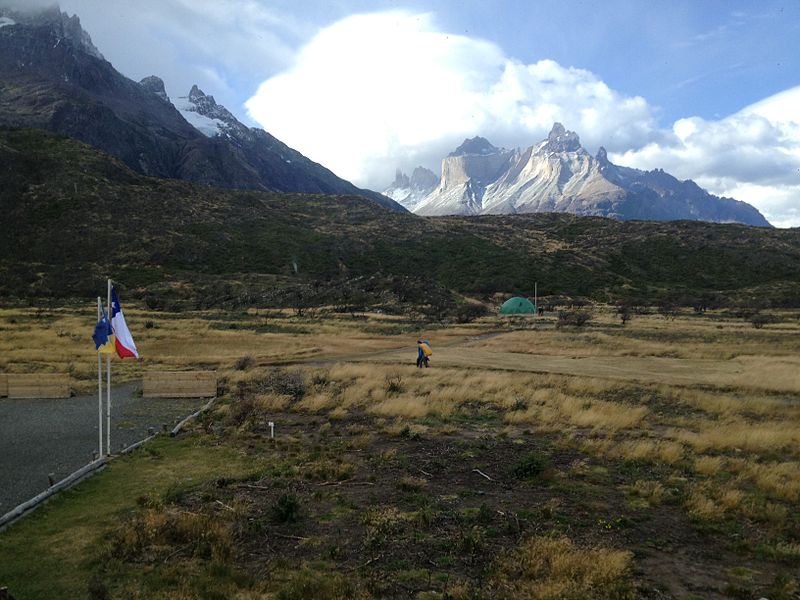
The park's most recognizable landmark is its trio of towering granite spires, which gave Torres del Paine its name. They rise above the Paine massif and are particularly striking at sunrise, when the rock faces can glow pink and red. A small glacial lagoon lies beneath the towers, surrounded by steep rocky slopes.
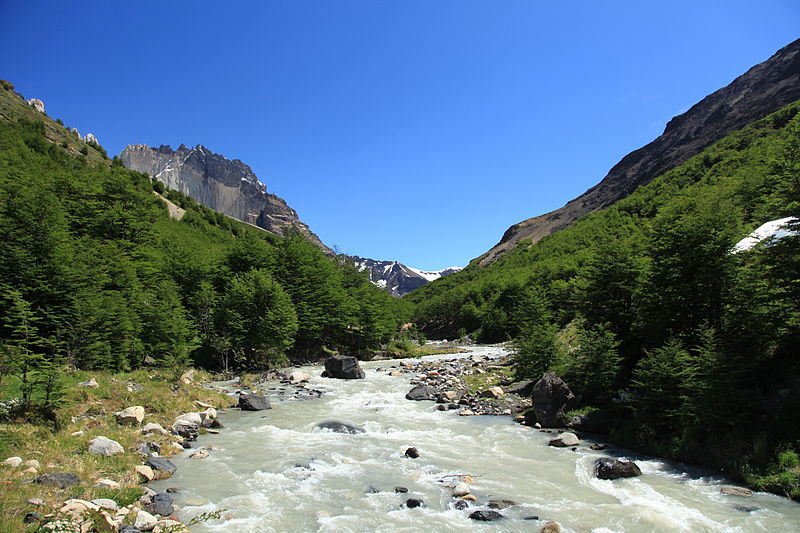
The popular Base Torres hike leads through the Ascencio Valley and forest before reaching a steep, rocky final climb. It requires good fitness, suitable footwear and careful attention to weather conditions, which can change rapidly in Patagonia.
The Paine massif and mountain valleys
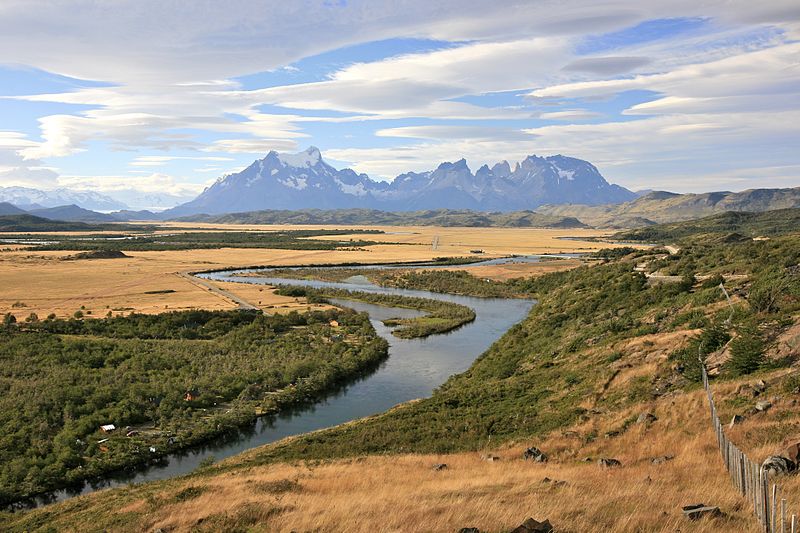
Beyond the famous towers, the Paine massif features sharp peaks, sheer cliffs and distinctive geological formations. Its highest summit reaches approximately 3,050 metres above sea level. The French Valley, the Británico viewpoint and Ascencio Valley offer views of mountain walls, glacial valleys and surrounding summits.
Lakes, rivers and waterfalls
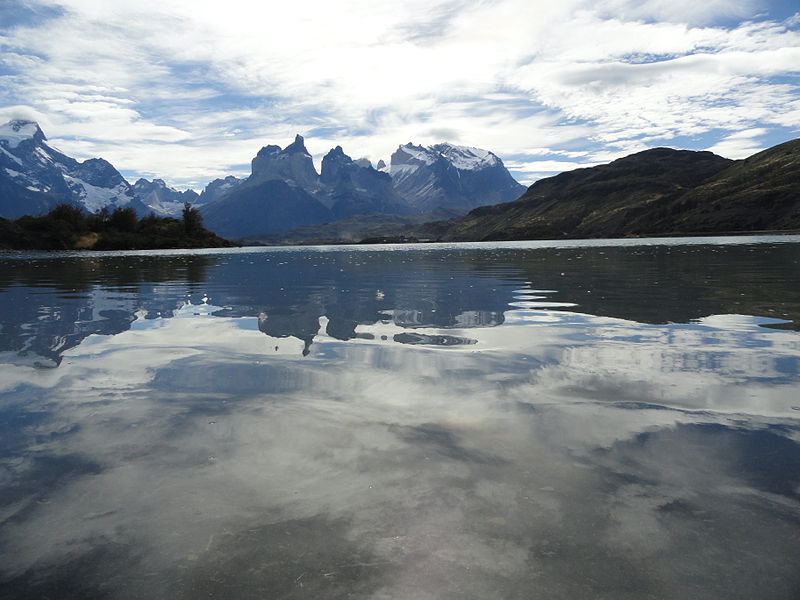
Lake Pehoé is known for its clear turquoise water and mountain reflections. Lake Nordenskjöld is framed by slopes and forests, while Lake Sarmiento offers broad open views. One of the park's best-known waterfalls is Salto Grande, where water flows between Lakes Nordenskjöld and Pehoé. A relatively short walk reaches the viewpoint, but strong winds and slippery ground require caution.
Grey Glacier
Grey Glacier is one of the park's major natural attractions. It forms part of the Southern Patagonian Ice Field, one of the largest ice masses outside Antarctica and Greenland. The glacier extends into Grey Lake, where blue-tinged icebergs can often be seen. Depending on conditions, boat trips may operate on the lake, but schedules depend on weather and water conditions.
Plants and wildlife
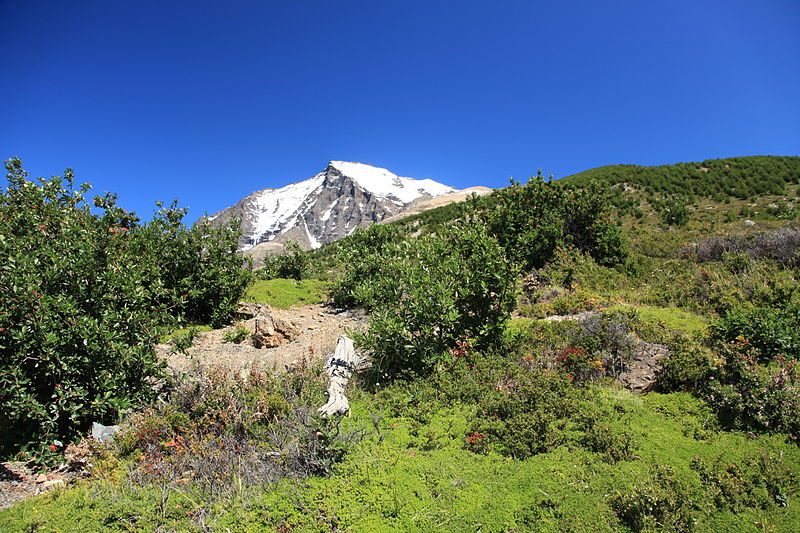
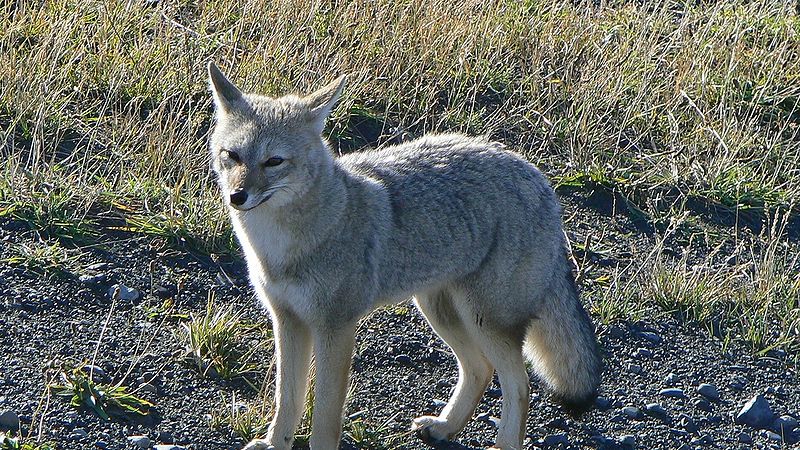
The park contains Patagonian steppe, shrubland, deciduous forest and high-altitude vegetation. Lenga, a southern beech, is characteristic of the forests. Wildlife includes guanacos, pumas, Andean condors, Patagonian foxes and Darwin's rheas. Guanacos are often seen grazing on open plains, while condors soar above the mountain slopes.
Wildlife should always be observed from a safe distance. Visitors must not feed animals, approach them for photographs or block their movement.
The W and O trekking circuits
The best-known multi-day trek is the W Circuit, named for the shape it forms on a map. It links several popular areas, including Base Torres, the French Valley and the Grey Glacier sector. Most hikers allow several days for the route. The longer O Circuit loops around the Paine massif and requires greater endurance, careful preparation and advance reservations for authorized overnight sites.
Trail closures and seasonal restrictions can change, so check official information before setting out. Shorter walks lead to Salto Grande, lakes and selected viewpoints. When choosing a route, consider elevation gain, wind, trail conditions and daylight hours, not just distance.
History and conservation
The national park was established on 13 May 1959. In 1978, UNESCO included the area in its World Network of Biosphere Reserves. Its steppe, forests, lakes and glaciers form a fragile ecosystem. Visitors should stay on marked trails, carry out their rubbish, avoid collecting plants or rocks and camp only in authorized areas. Fires and drone use are subject to strict rules.
When to visit Torres del Paine
The busiest season is the Southern Hemisphere summer, from December to February. Days are longer and most hiking routes are generally accessible, but visitor numbers are higher and winds can be intense. Spring and autumn are quieter, although weather is less predictable. Winter may bring snow, ice, short days and trail closures.
In every season, bring layered clothing, a waterproof jacket, sun and wind protection, sturdy hiking boots and enough water. Check official alerts before travelling, especially if planning a winter hike.
Getting there and planning a visit
Puerto Natales is the main base for visiting the park, with seasonal buses running to its entrances. The town can be reached overland from Punta Arenas, and regional flights may be available depending on the season. If driving, check road conditions and allow enough time for the journey.
Before entering the park, check current entry requirements and purchase a ticket through the official service. Multi-day hikers should reserve authorized campsites or refuges in advance. Services are limited in remote areas, and emergency assistance can take time to arrive. Torres del Paine rewards visitors with granite towers, glaciers, mountain lakes and remarkable Patagonian wildlife, whether they come for a short visit or a demanding trek.
Gallery