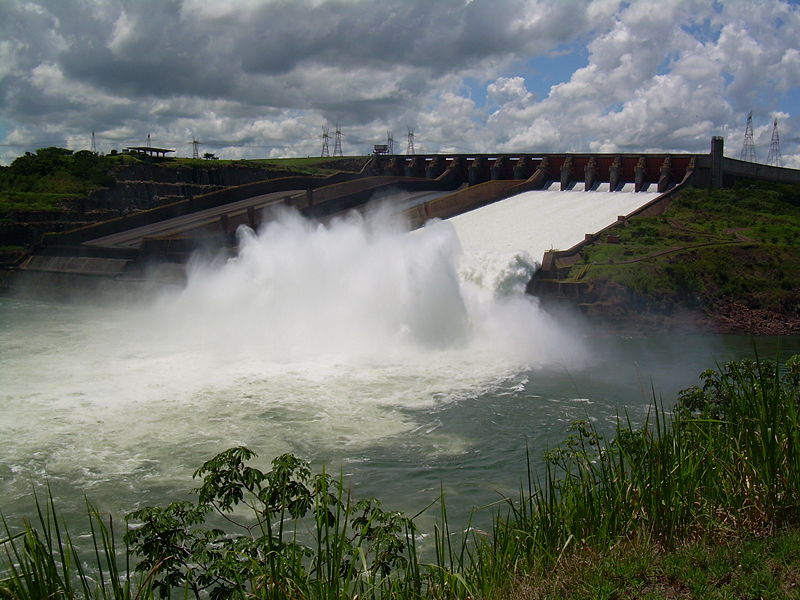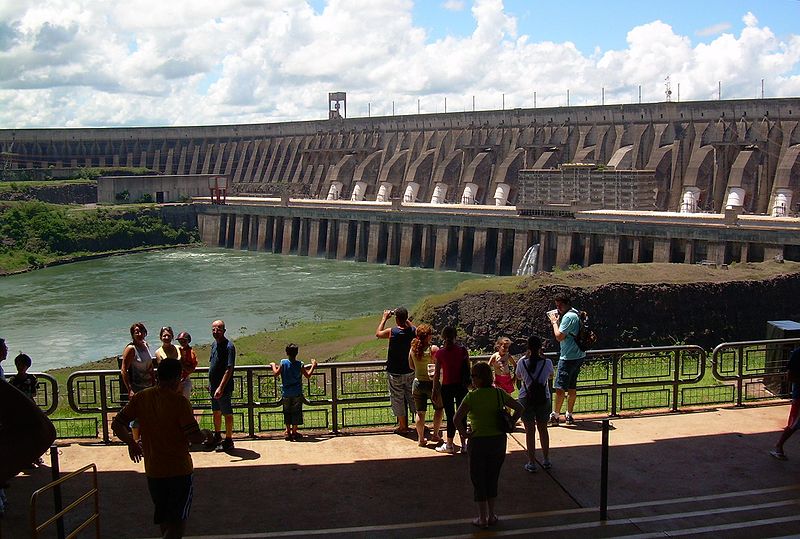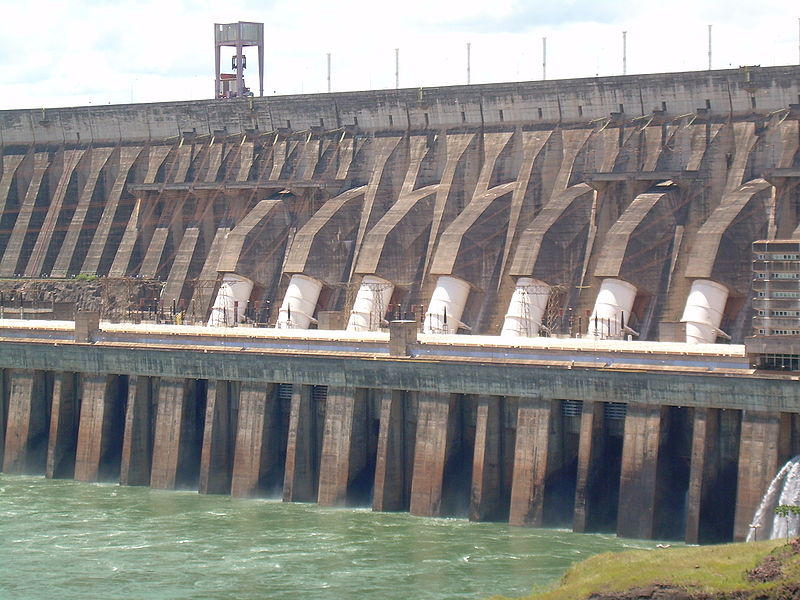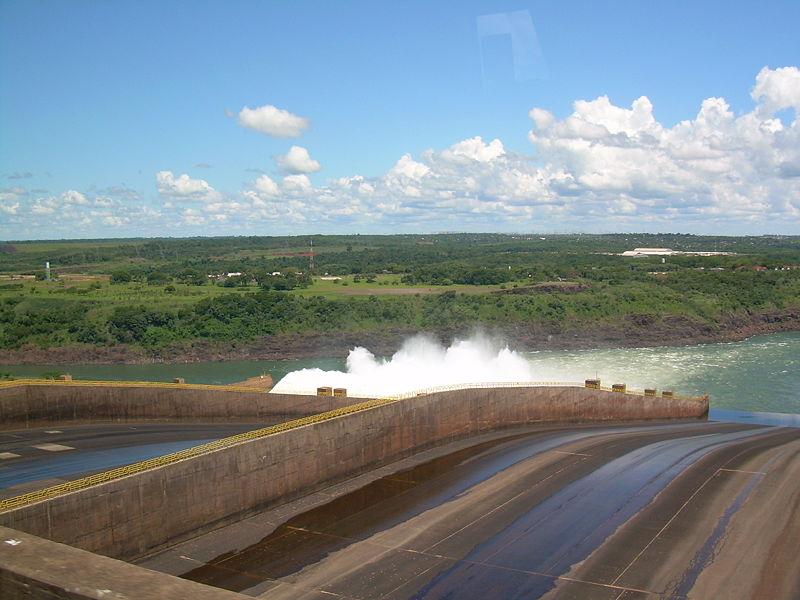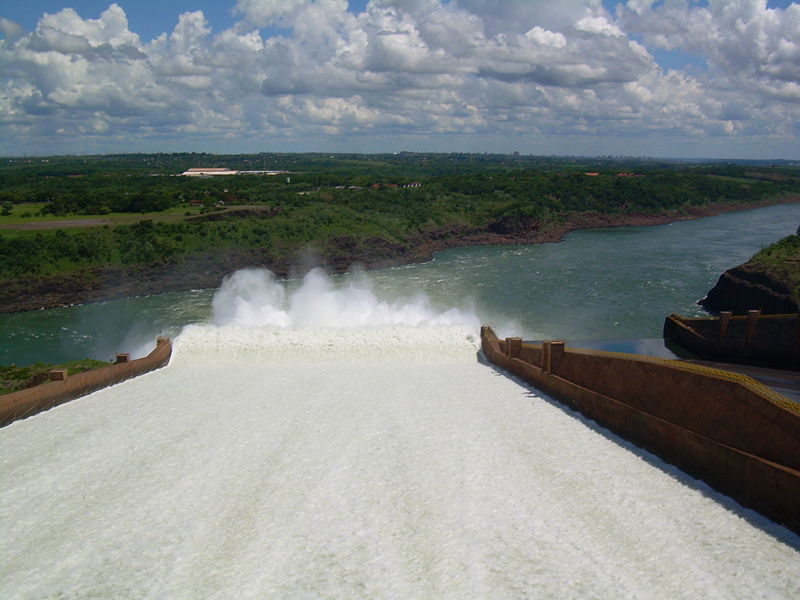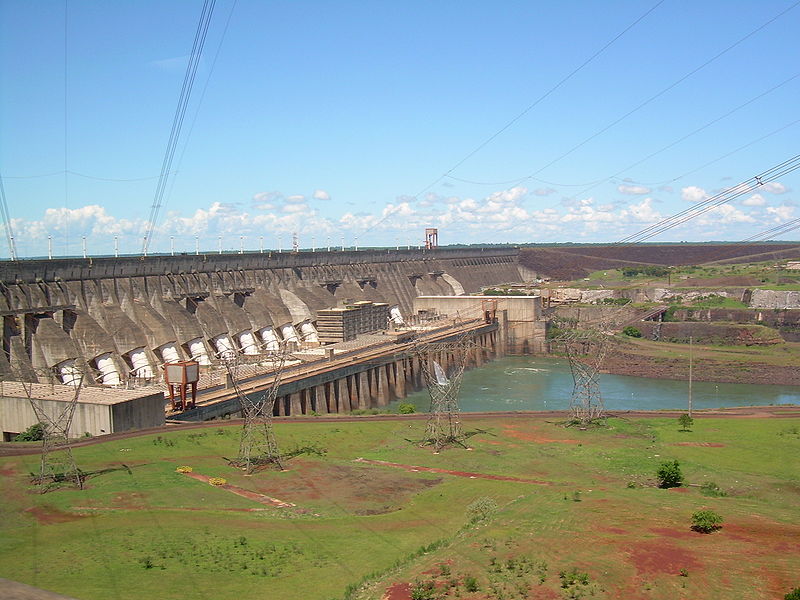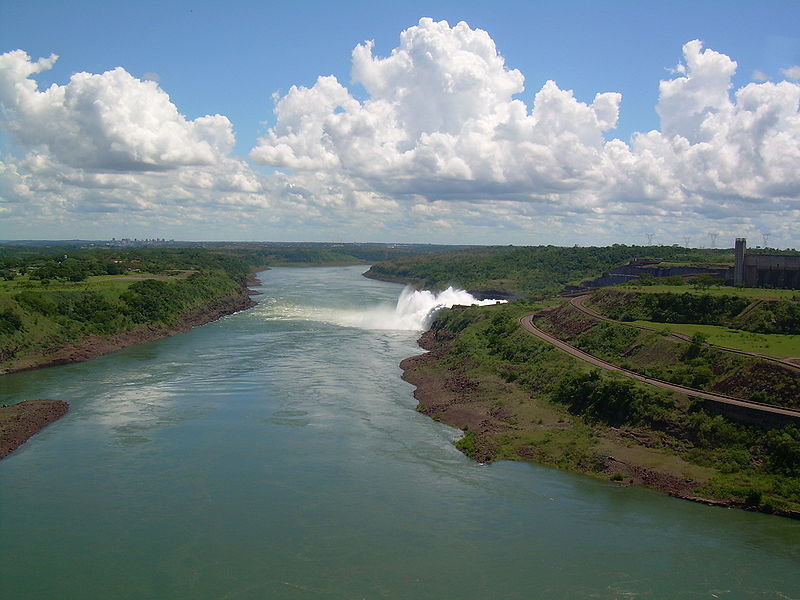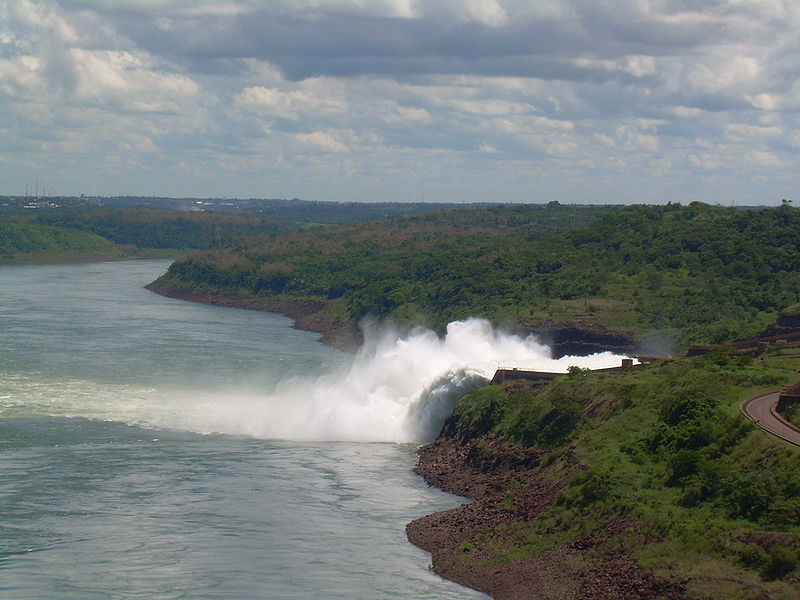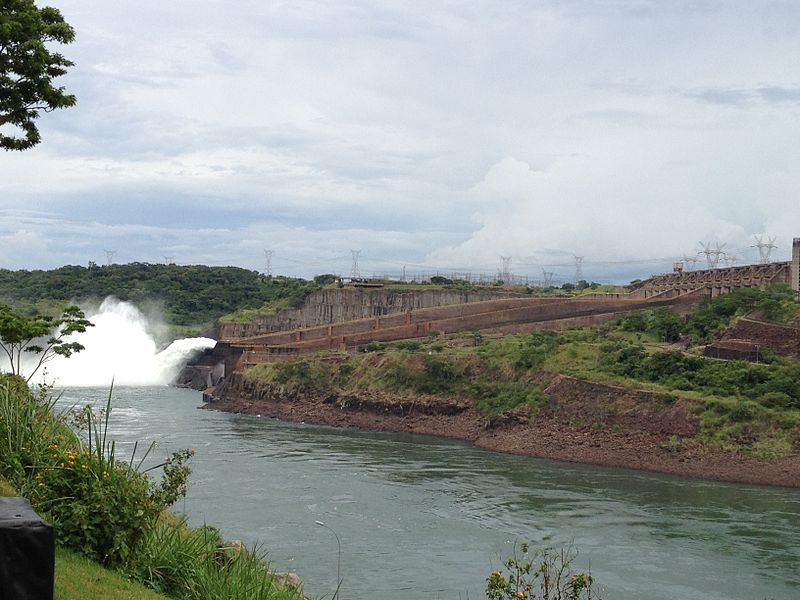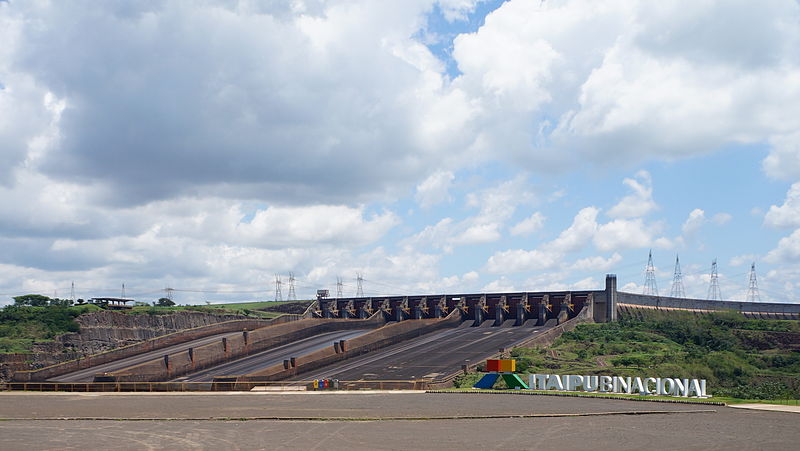

The mighty Paraná River, which runs through Brazil, was blocked by the huge Itaipu dam in 1982. The Paraná River means "Mother of the Sea" in Russian, and it stretches for 4,880 km, flowing out of Brazil.
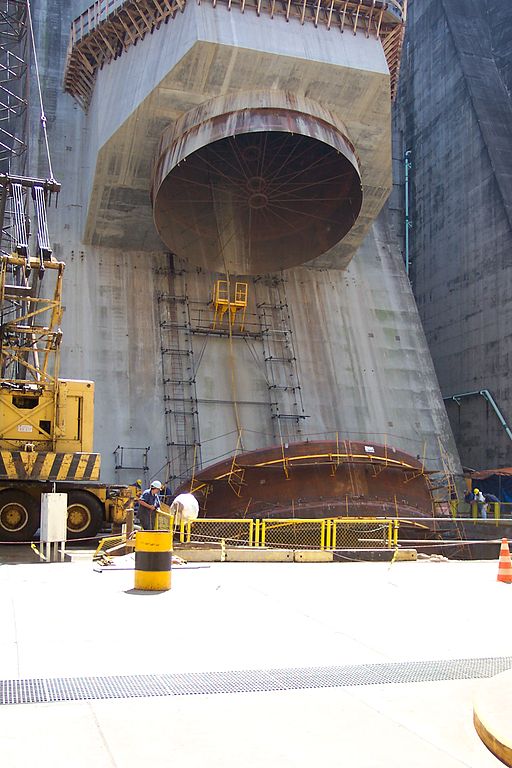
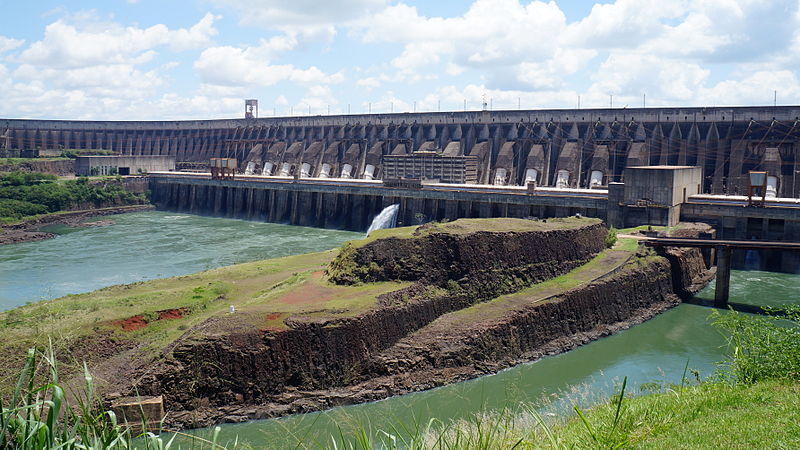
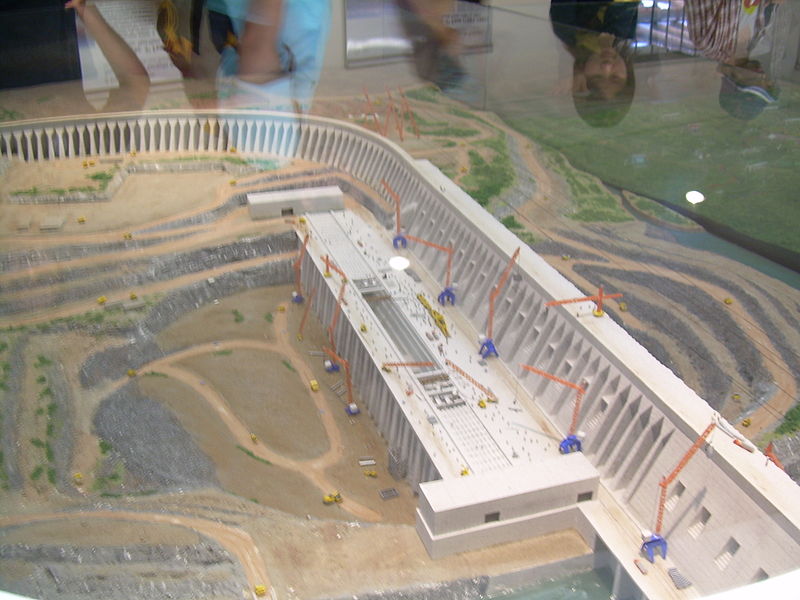
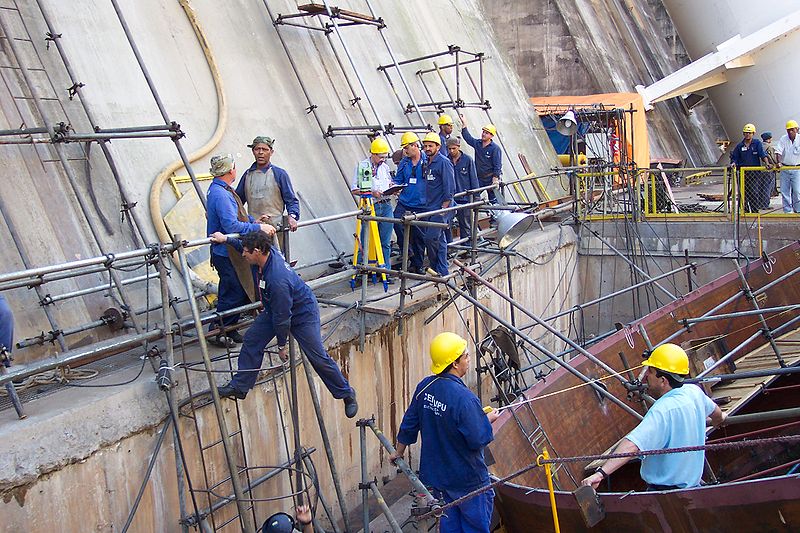
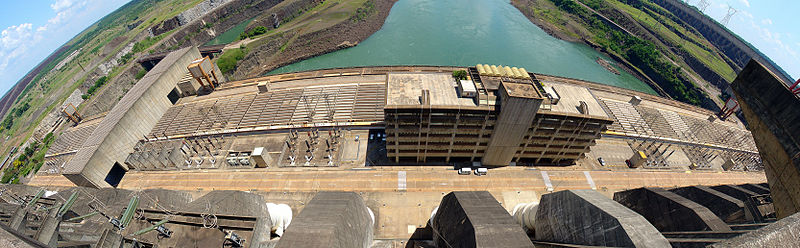
The immense concrete structure was built 20 km from the city of Foz do Iguazu. The Itaipu dam stretches as much as 8 km, and its height reaches 196 m. in height. For clarity, you can compare it with a 75-storey building. The width of this structure on the river is 400 meters. To build a dam on the Paraná River, the natural riverbed, which is 150 meters wide, had to be diverted in the other direction. For this procedure, a special channel was cut into the rocks, 2 km long. The construction of the canal was completed in 1978, but after the river was diverted, it took some time for the entire riverbed to dry up. Thus, all preparatory work was completed in 1979, when this important process of implementing brilliant engineering ideas began. During the construction, the most powerful generators of the power unit were used, which can produce 700 thousand kW each.
The Itaipu dam blocks the strong current of a large river, as a result of which an artificial reservoir with a total area of 1,340 square kilometers was formed in front of it. Of course, the lake flooded the entire surrounding area, from which all valuable sculptures of national importance were removed in advance. Some archaeological sites, which are included in the number of resettlement from the flooded area, are 8 thousand years old.
For the construction of the dam, Itaipu had to sacrifice the magnificent natural resources in the surrounding area. Previously, this area could boast of the magnificent Guaira waterfall, which attracted with its beauty, as well as the power of water flows. But, as it turned out, the economy is the most important factor that, in a sense, rules the world.
There were many different animals in the flooded area, which went in search of a better fate, fleeing from the flood.
The area near the flooded lake has been improved by planting trees, of which there are about 20 million.
Gallery