Madidi National Park
Madidi National Park and Integrated Management Natural Area lies in northwestern Bolivia, in the Department of La Paz. Established on September 21, 1995, the protected area covers approximately 18,957.5 square kilometres and is known for its exceptional ecological diversity.
From the Andes to the Amazon
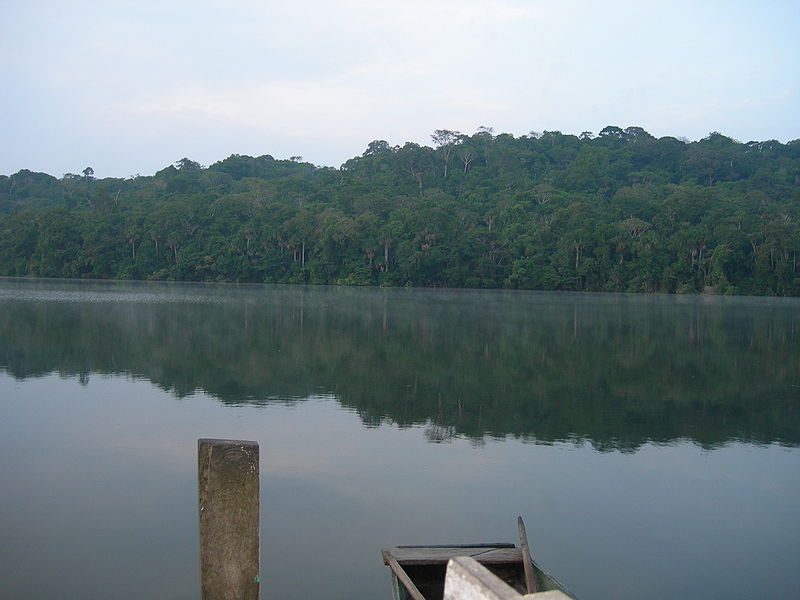
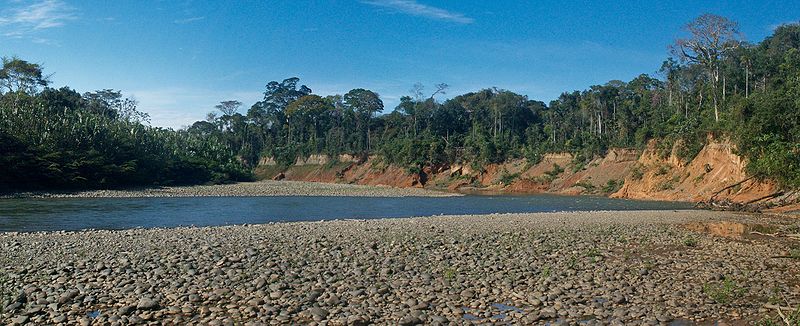
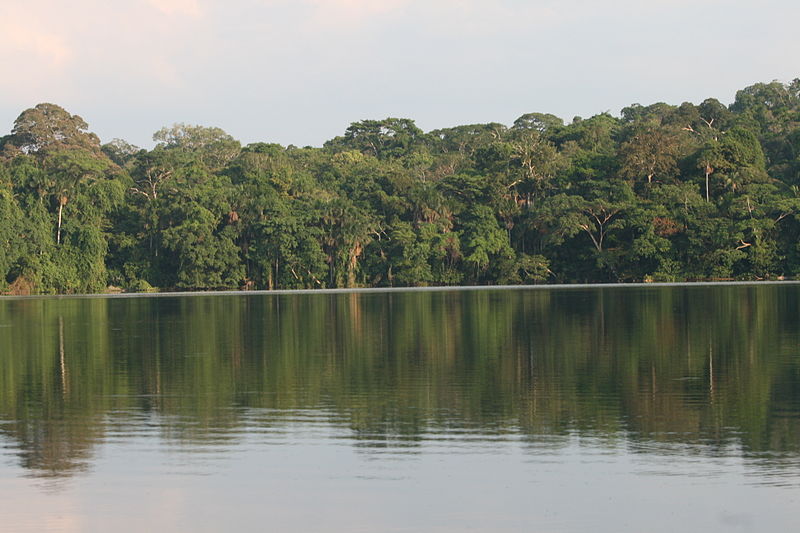
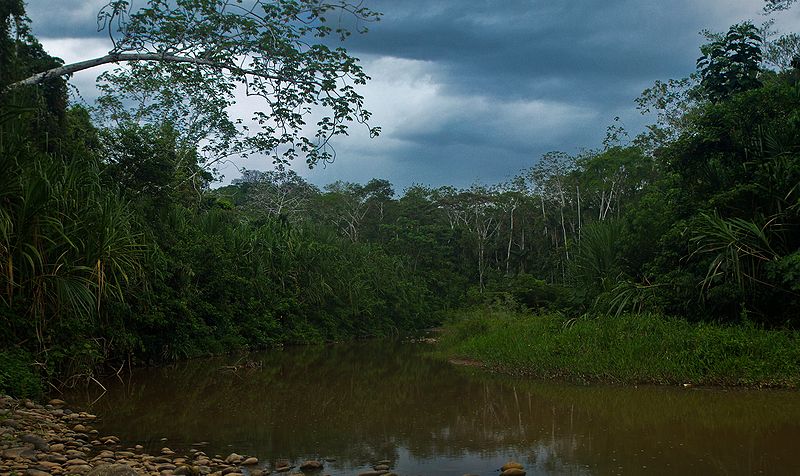
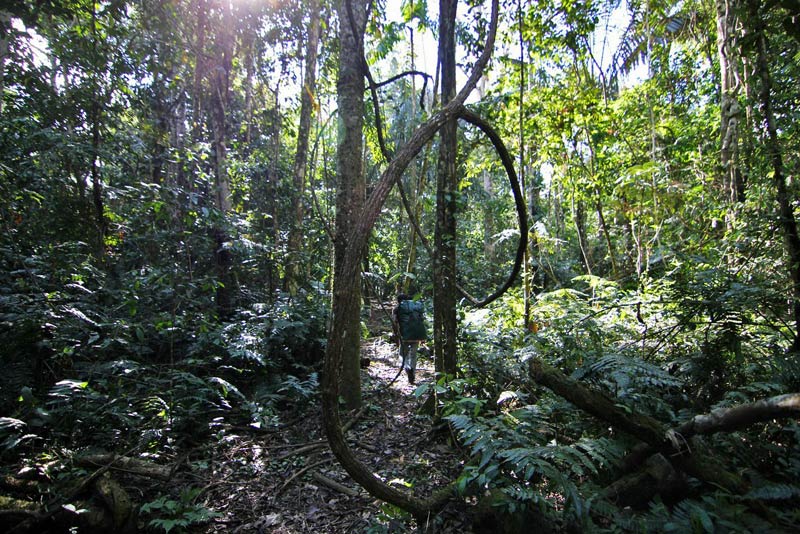
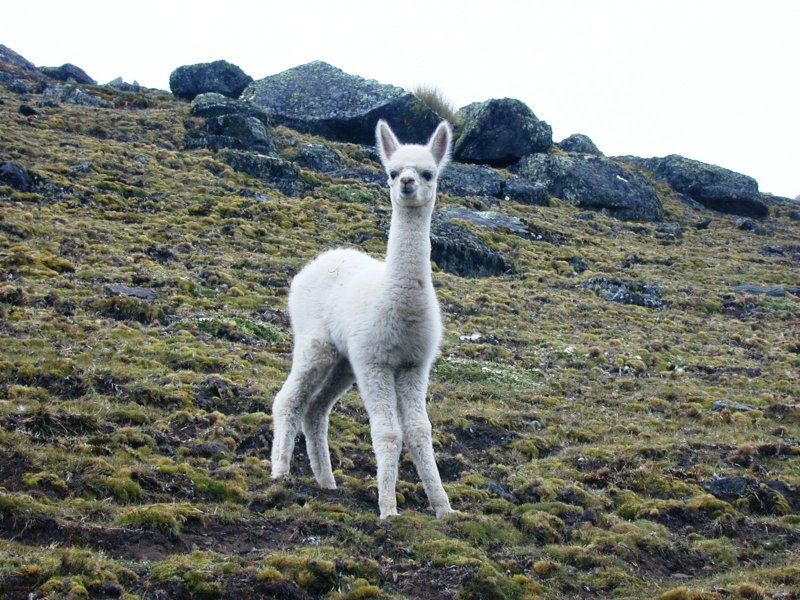
Madidi stretches across a remarkable range of elevations, from high Andean landscapes and mountain wetlands to cloud forests, savannas and lowland Amazon rainforest. This change in altitude creates many habitats, each with its own climate, plants and wildlife.
Wildlife
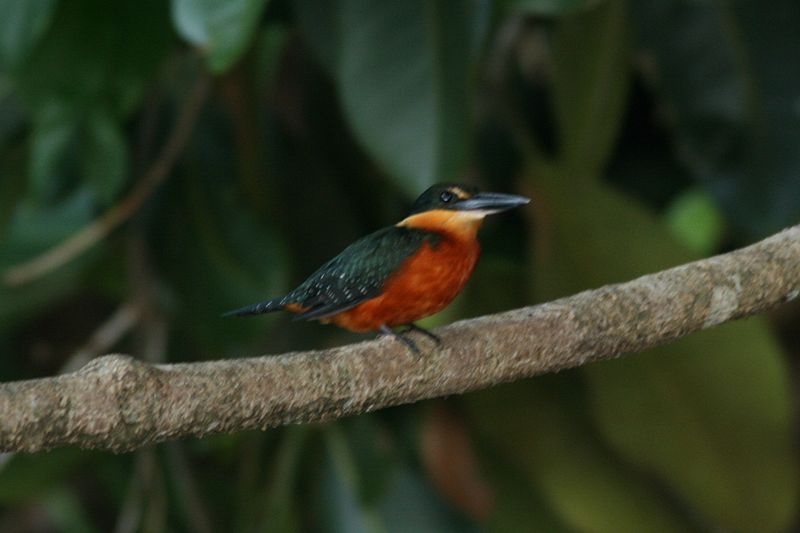
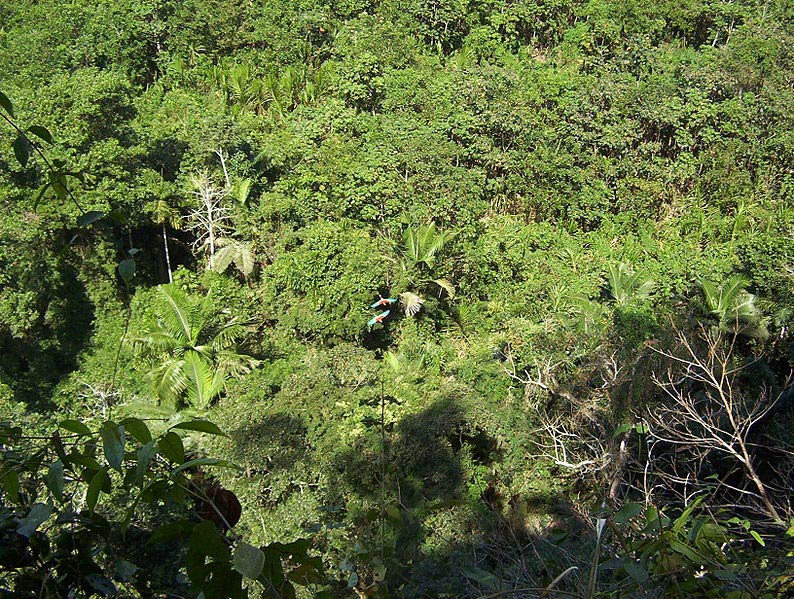
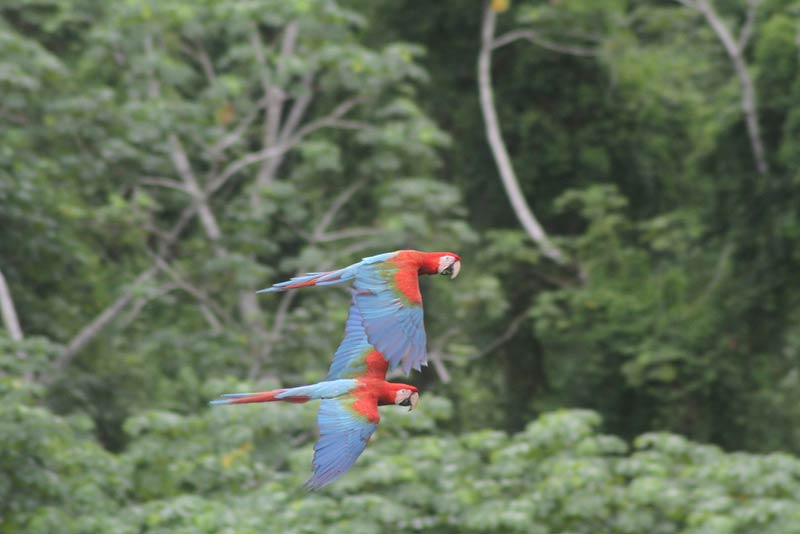
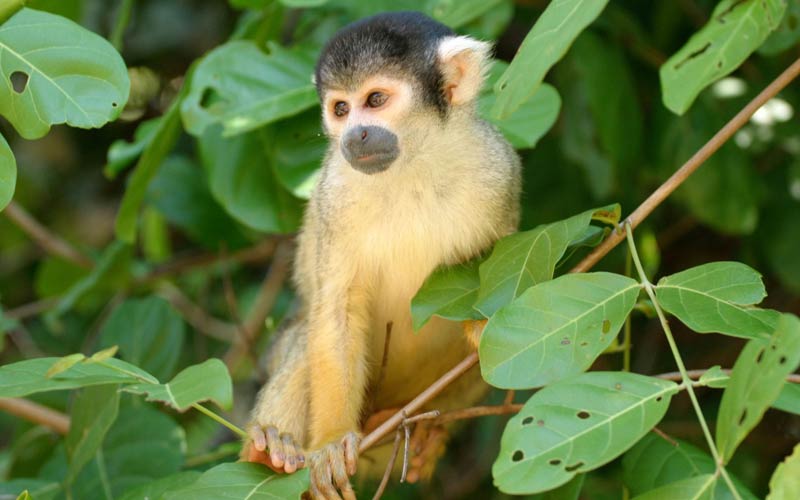
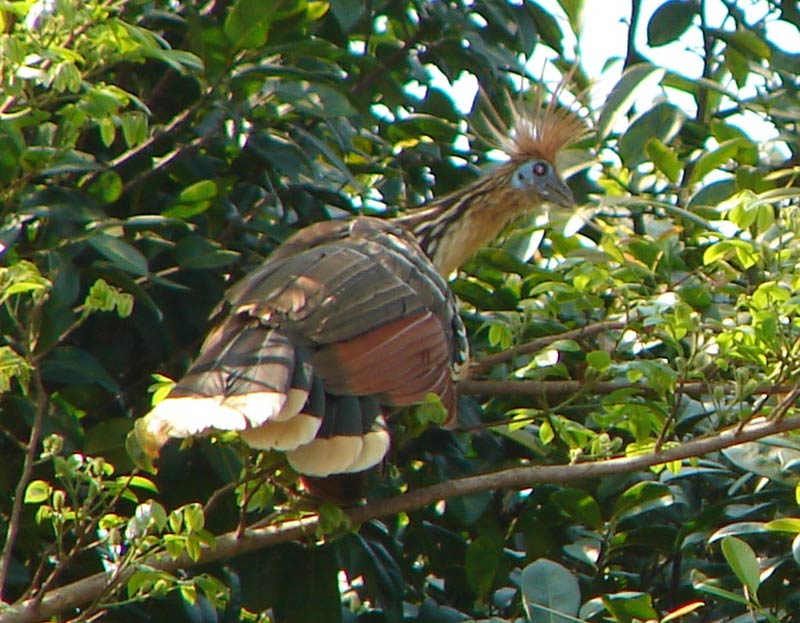
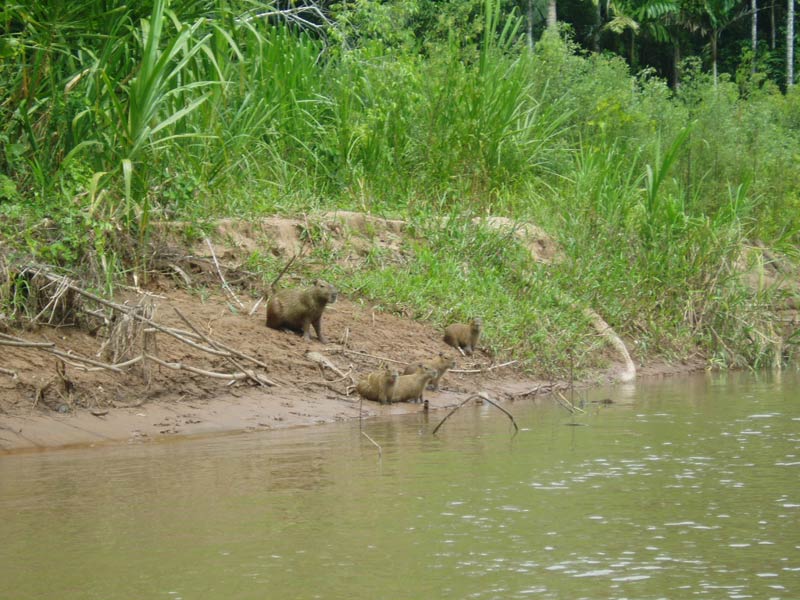
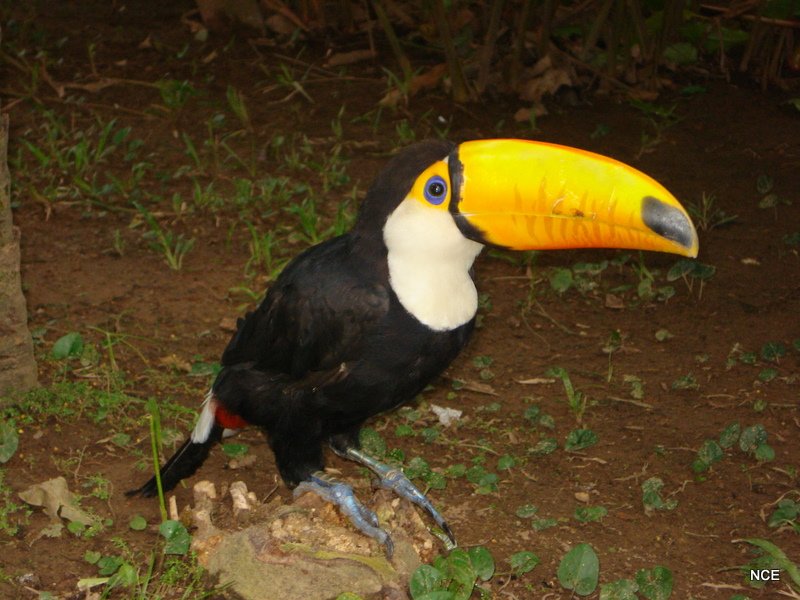
The park provides habitat for jaguars, Andean spectacled bears, giant otters, tapirs, monkeys, caimans and numerous reptiles. Tropical forests support parrots, toucans and many other birds, while rivers and wetlands contain a rich variety of fish and aquatic life.
Plants, birds and butterflies
Thousands of plant, vertebrate and butterfly species have been recorded in Madidi. Orchids, ferns, vines and forest trees vary with elevation and moisture. Scientific expeditions continue to improve knowledge of the area, recording additional species and expanding understanding of its ecosystems.
Indigenous communities
Madidi overlaps with traditional territories associated with the Tacana, Leco and other Indigenous peoples and local communities. Their knowledge of forests, rivers, plants and seasonal cycles is an important part of the region's cultural heritage and conservation efforts.
Ecotourism
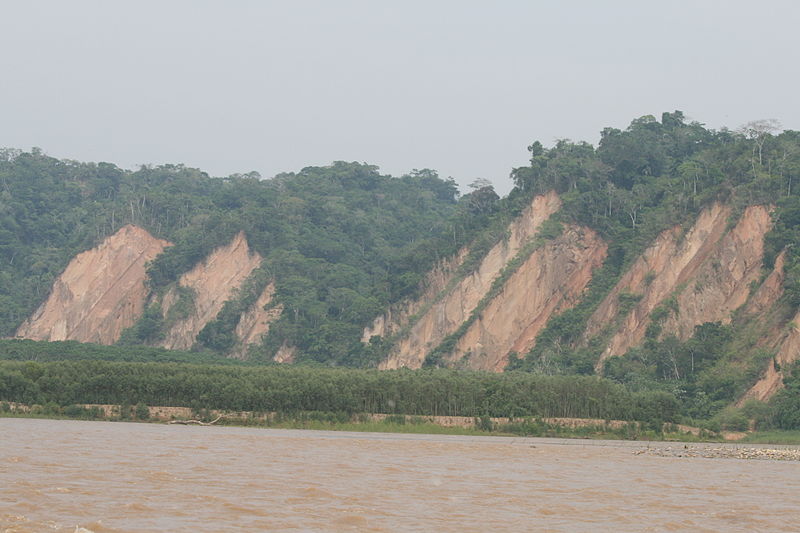
Rurrenabaque is a common starting point for trips into the surrounding rainforest and river landscapes. Visitors can join guided walks, watch birds and wildlife, explore tropical vegetation and learn about local cultures. Community-based initiatives such as Chalalán and San Miguel del Bala link tourism with conservation and local livelihoods.
Visiting responsibly
The region is remote and often hot, humid and rainy. Travellers should plan transport and accommodation in advance, use responsible local operators, follow guide instructions and respect protected-area rules. Visitors should never feed or approach wildlife and should carry out all waste.
Protecting Madidi
Madidi is important for safeguarding South American biodiversity, but forests face pressure from land-use change, illegal resource extraction and climate change. Research, protected-area management and community participation all contribute to conserving its ecosystems.
Gallery