Halong Bay
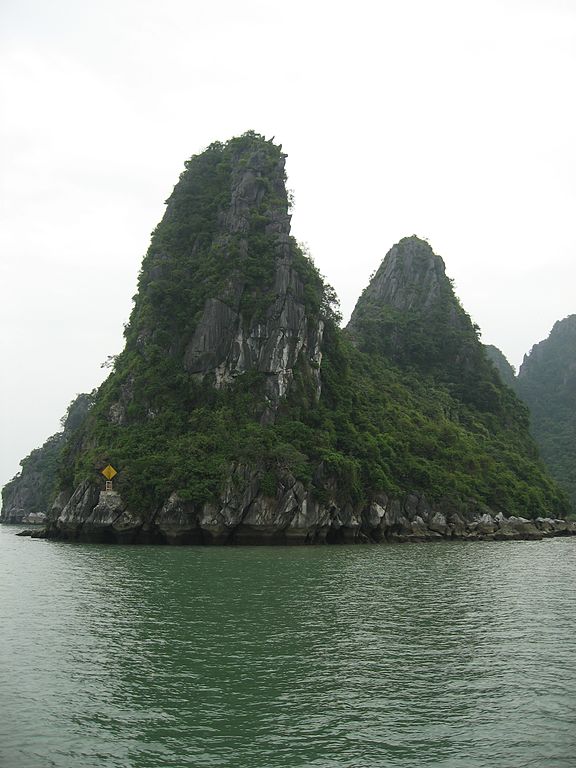
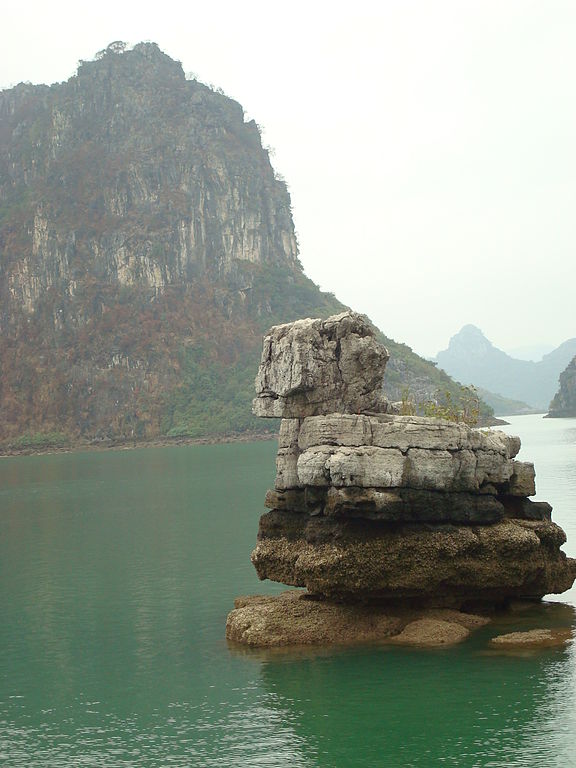
Halong Bay is the famous bay of the Gulf of Tonkin, which is located on the northern side of Vietnam. The bay contains a large number of steep cliffs, various cliffs and, of course, caves. Its total area is more than 1,500 km2.
By the same name, there is a city to which this natural beauty belongs. The city of Halong itself has no attractions, and tourists who purposefully cruise to the bay often stay there.
If you literally translate the name of Halong Bay from Vietnamese, then the essence will be something like this: the bay where the dragon sinks.

This natural landmark of Vietnam was included in the UNESCO list in 1994, and in 2011 it acquired the title of a new wonder of the world. And this is not for nothing, because the landscapes of this area are so charming, especially if you take a boat trip between the rocks.
The colorful numerous islands of Halong Bay are represented in the form of rocks in which caves are located. Cave formations have different shapes and sizes, stalactites are placed in them, some of them form waterfalls. Some caves in the rocky islands are illuminated, making them look like underground palaces. Such caves are organized as additional places of entertainment for tourists.
Tourists mostly stay in Halong Bay for 1-2 days. There is a hotel on Katba Island where you can stay or spend the night. It is also worth noting some danger of such excursions. There have been cases when entire tour groups have died, but the fact is that the boats on which tourists take a walk have long served for fishing purposes. These old ships have been converted and are used for similar walks in the bay, but they are not at all designed for these purposes.
The most favorable time to visit is from April to May, as well as from September to October. But considering that there are no frosts in Vietnam, tours of Halong Bay are held all year round. If you want to go on a trip to the bay in winter, then be prepared for the cold, biting winds that blow from the ocean. The beach season in this area opens in April, which ends in November.