Lake District
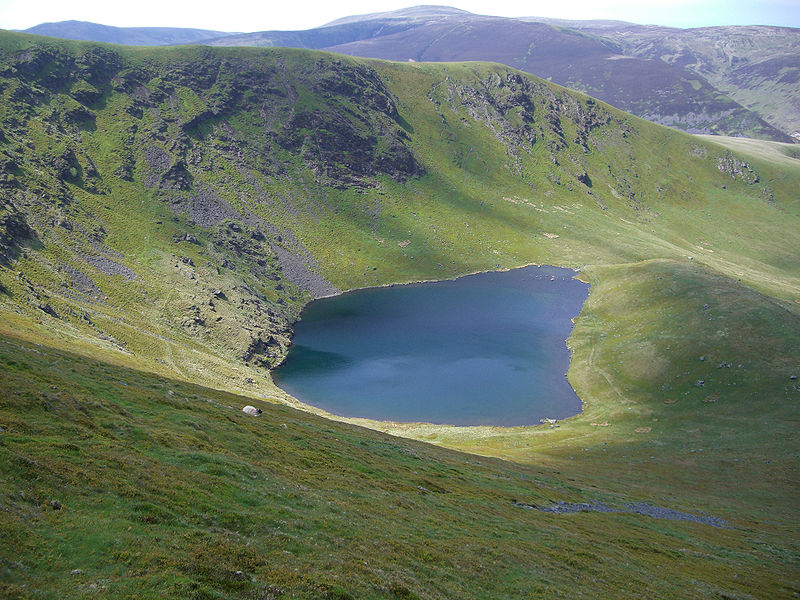
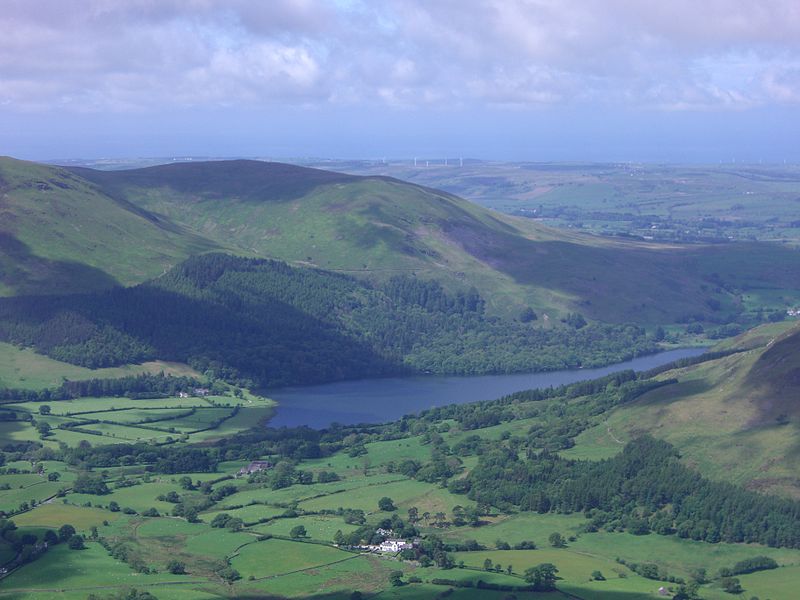
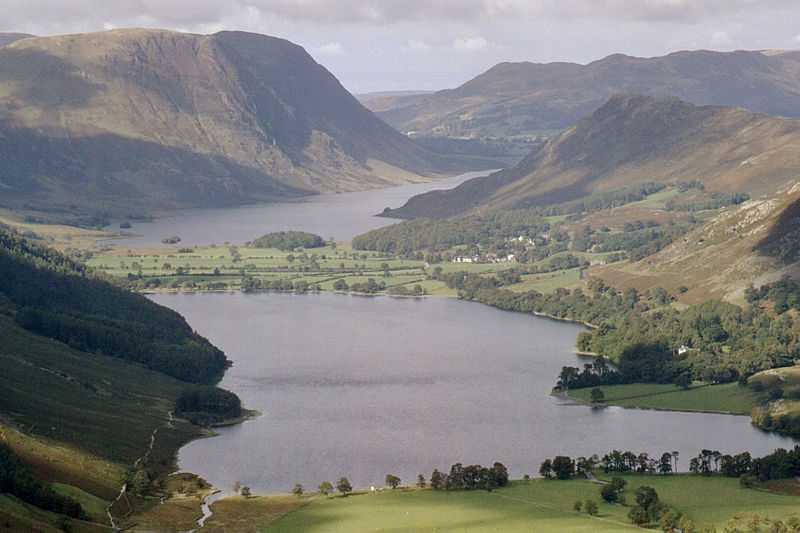
The Lake District is a region in England, located in the county of Cumbria and known for its picturesque mountain landscapes with many lakes. These places have inspired painters and poets over the years.
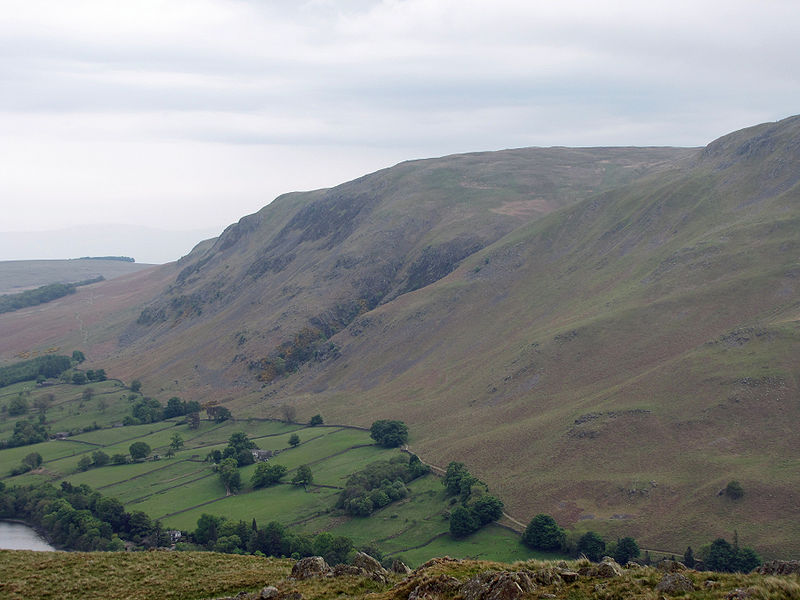
This area appeared after the last ice age, which ended 15,000 years ago. Glaciers made their way, lifting tons of rocks. After the melting of the glaciers, valleys appeared, mountain lakes with the purest water. The largest lakes are Derwent Water, Windermere, Bassenthwaite, and Alswater. There is also the highest mountain in England, Scofell Pike, and the Lake District National Park of the same name. The Lake District covers an area of 2,362 km2.
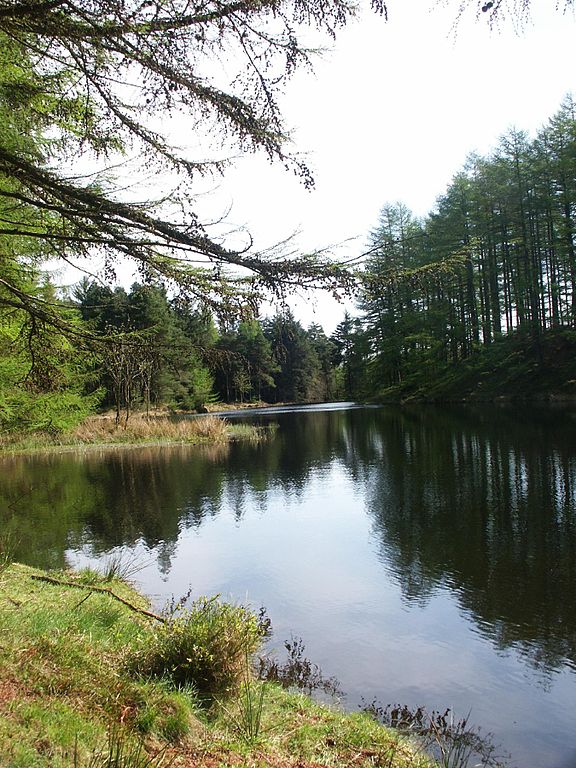
Due to the abundance of rains, there are many lakes in the Lake District, and the hills are covered with heather plants. There are many centuries-old oaks and pines growing in the forests. In the 18th century, tourists began to flock to the Lake District, for whom "Lake Guides" were published, and viewing platforms were built from which one could admire the beauty of our days. In 1810, The Guide to the Lakes, written by William Wordsworth and reprinted 5 times, was published. In 1846, a railway was built to the city of Kendal to noticeably increase the flow of travelers, and at the same time steamboat transport was being developed in the Lake District, taking tourists along the lakes.
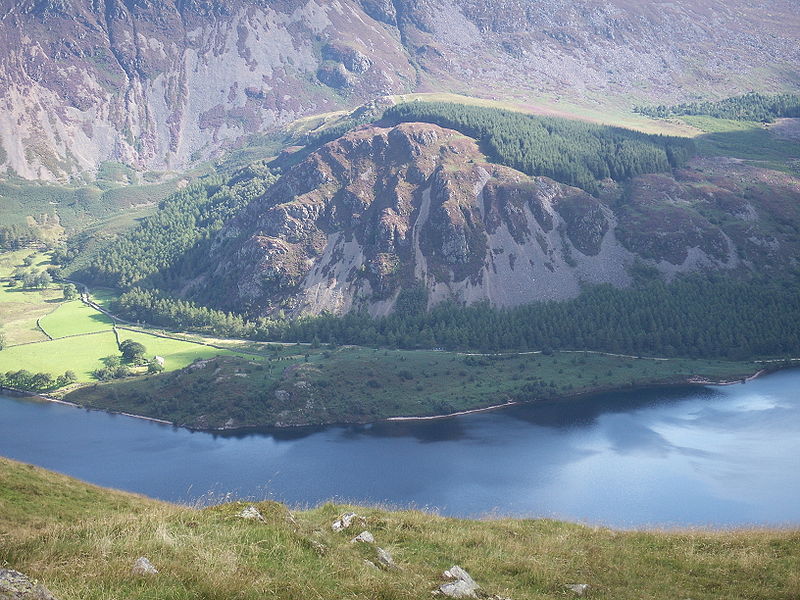
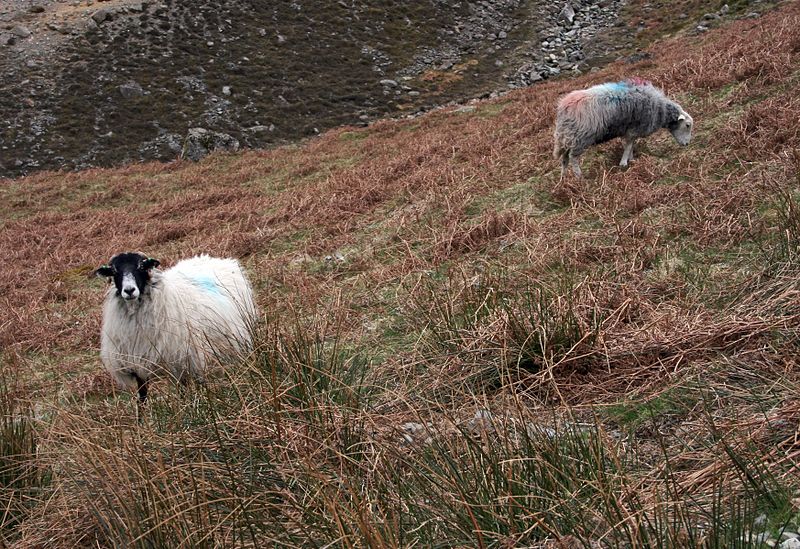
The Lake District is home to a wide variety of wildlife, due to its different topography, lakes, and forests. It is home to the largest number of red squirrels in England. Fish are also protected here, so fishing is prohibited in many lakes. Grouse, Arctic char and whitefish are under special protection. Fish are also threatened by the launch into lakes of fish not from the local fauna, which carry new diseases and eat fish eggs. Grouse is particularly sensitive in this regard, the caviar of which is in the water for 120 days. Among the birds here you can see kites, buzzards, peregrine falcons.