Kensington Gardens
Kensington Gardens is a royal park in London, surrounding Kensington Palace. Until 1728, it was part of Hyde Park, due to the fact that nearby Kensington Palace Park was closed to visitors for a long time. At the moment, there are a large number of museums and galleries around the park, so tourists and residents of the city have chosen it. The book "Peter Pan in Kensington Gardens" is set in these gardens, where babysitters lost their children, after which they found themselves in the land of Neverland. In 1912, the author of the book erected a statue of Peter Pan.
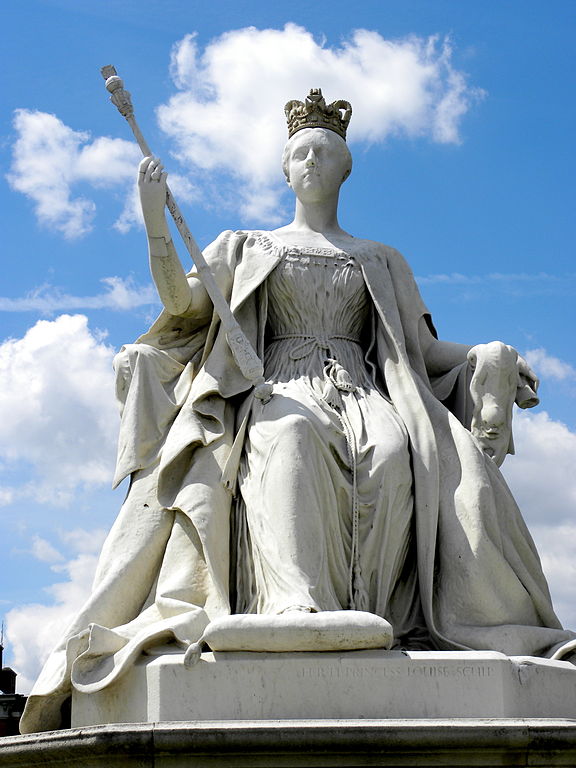
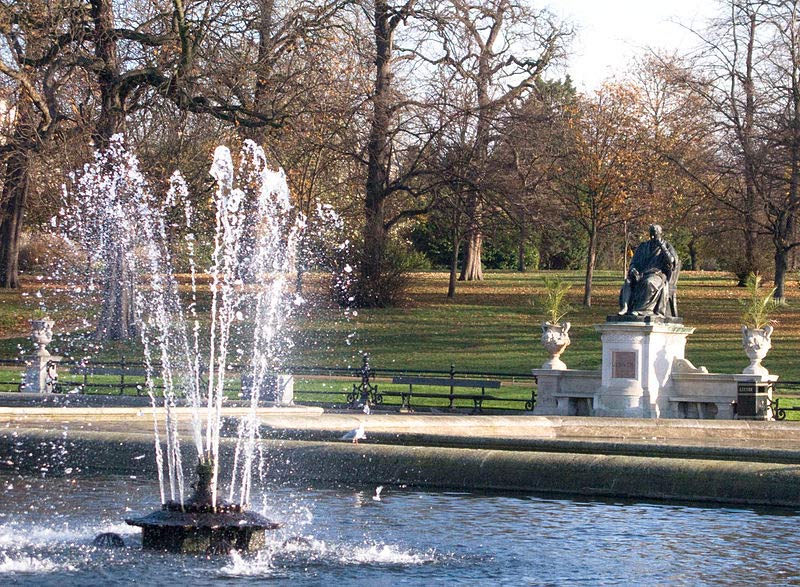
In 1689, William III moved to Kensington due to asthma, where he could get plenty of fresh air. The king invited designers to turn Nottingham House into a palace. But they couldn't do it - the building looked more like a beautiful residential building than a palace. Kensington Palace is surrounded by Dutch gardens, which cover an area of almost 11 hectares. Later, from century to century, the gardens were constantly rebuilt and enlarged. In the 18th century, Queen Anne ordered the construction of a red brick greenhouse, Queen Caroline enlarged the park grounds, and Charles Bridgeman (the royal gardener) built long alleys in the park and a round pond.
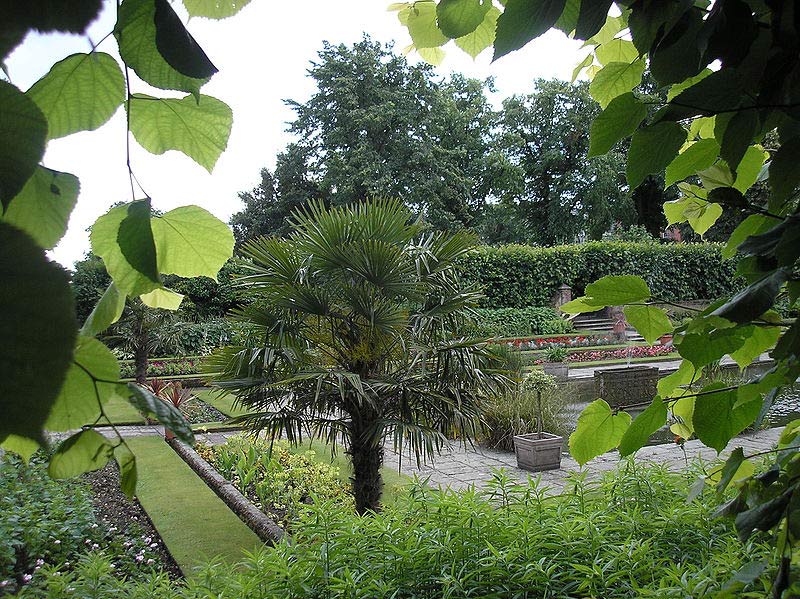
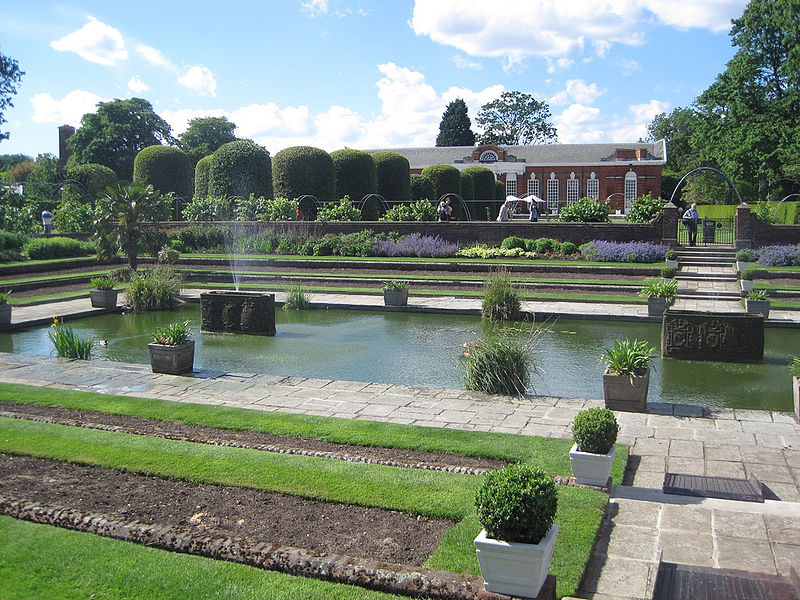
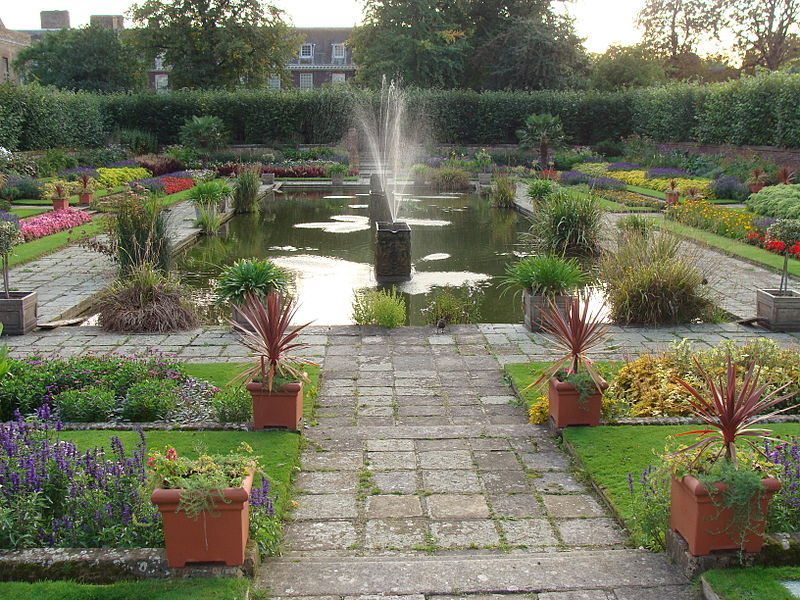
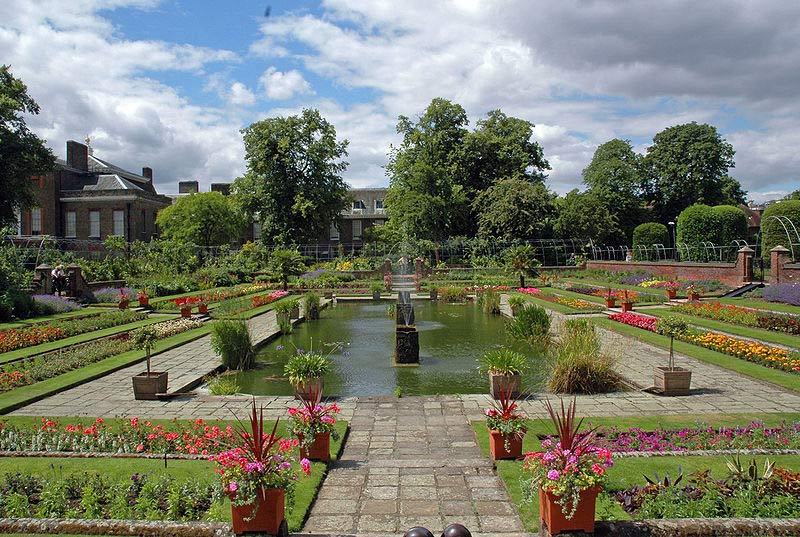
Under George II, it was decided to open Kensington Gardens to the public, but nevertheless Queen Caroline introduced a dress code - servants guarded the entrances and did not let the poorly dressed through. Lime alleys and tulip trees can be found in the gardens. The sunken garden is a magnificent example of a Dutch garden, laid out in 1906-1909. It consists of 3 tiers with beautiful flower beds that descend to a pond with lilies. Annuals grow on the upper tier, and seasonal plants grow on the rest: tulips, forget-me-nots, and daffodils. In summer, formiums with long inflorescences of red flowers and xiphoid leaves bloom, harmoniously planted along the edges of the flower beds.
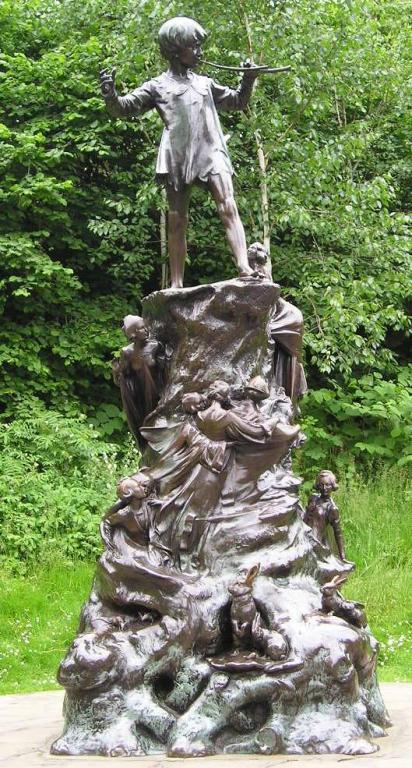
Peter Pan Prize races are held at Kensington Gardens and Serpentine Lake. Walking through the park, it's hard not to notice the large gilded Memorial to Prince Albert. The statue, erected in 1860, was so noticeable that during the Second World War it was necessary to remove the gilding, which could serve as a landmark for German bombers. At the moment, the statue is once again shining with its gilding.
Kites are often launched in Kensington Gardens, and boat competitions are held on the Round Pond. There are puppet shows on weekdays, and concerts on Thursdays.