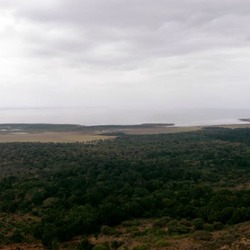
Serengeti National Park
The Serengeti is a national park in Tanzania, spread over a vast area of 14,763 km2. On the north side, the park is adjacent to the Kenyan Masai Mara Nature Reserve, and on the southeastern side to the Ngorongoro Nature Reserve. The name of the park translates from the Maasai language as "endless plains".
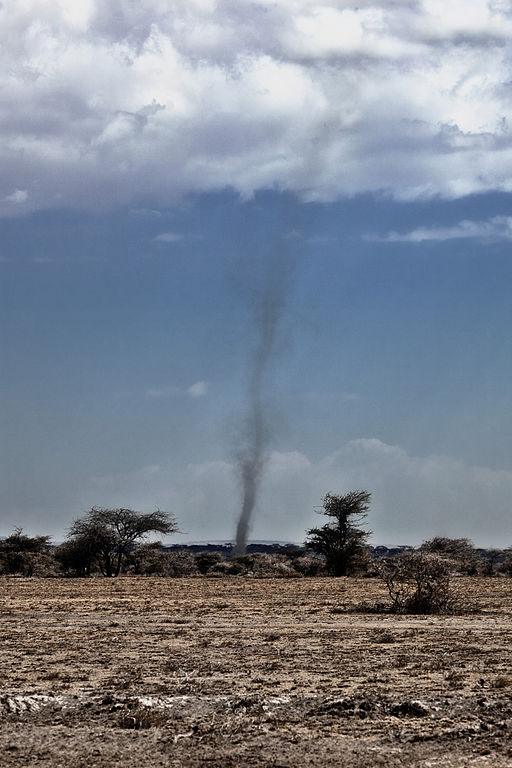
This area has not been inhabited for a long time, about 100 years ago the Masai tribe came here in search of new pastures for livestock. Among the Europeans, the naturalist Oscar Bauman was the first to visit here in 1891. In 1921, there was a small partial nature reserve with an area of only 3.2 km2. In 1921, the reserve became complete, thus creating the base for the park. Every year, the authorities realized more and more the need to protect nature, and in 1951 the territory of the reserve was significantly expanded and a national park was established. In 1959, the Ngorongoro Reserve with an area of 8288 km2 was withdrawn from the Serengeti. Even after the withdrawal of the reserve, the park's holdings are impressive and second only to the Selous hunting reserve.
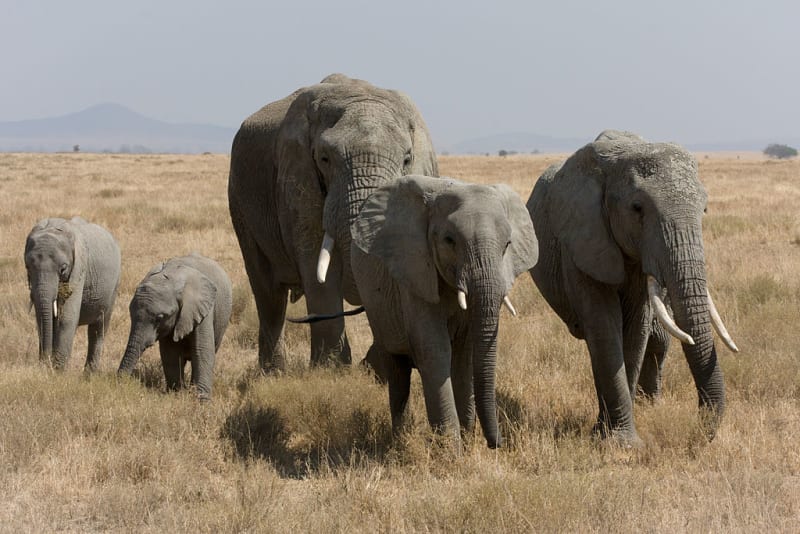
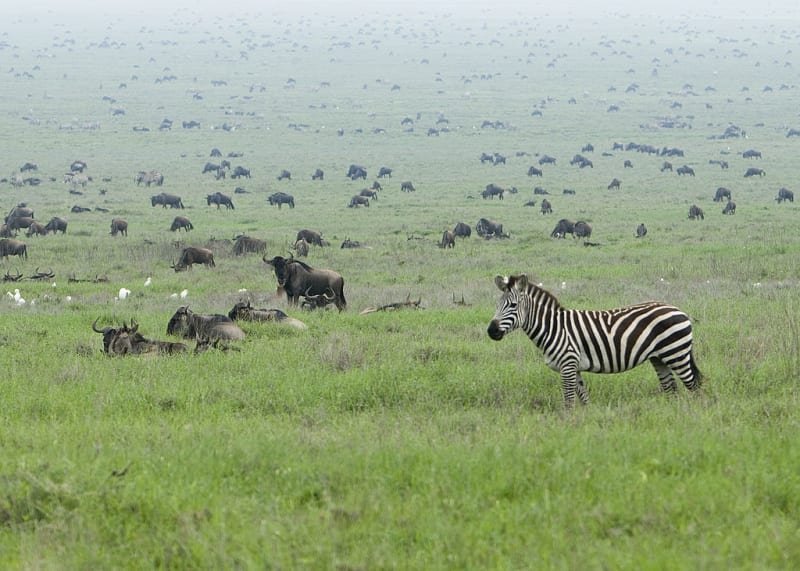
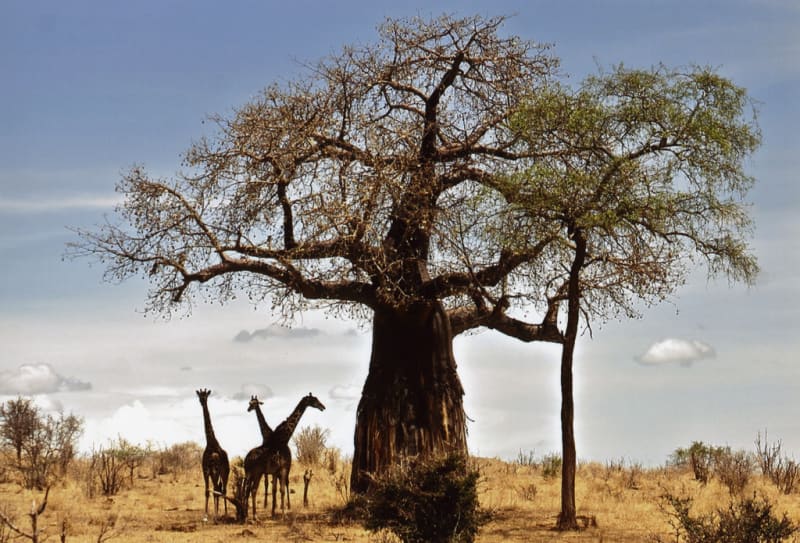
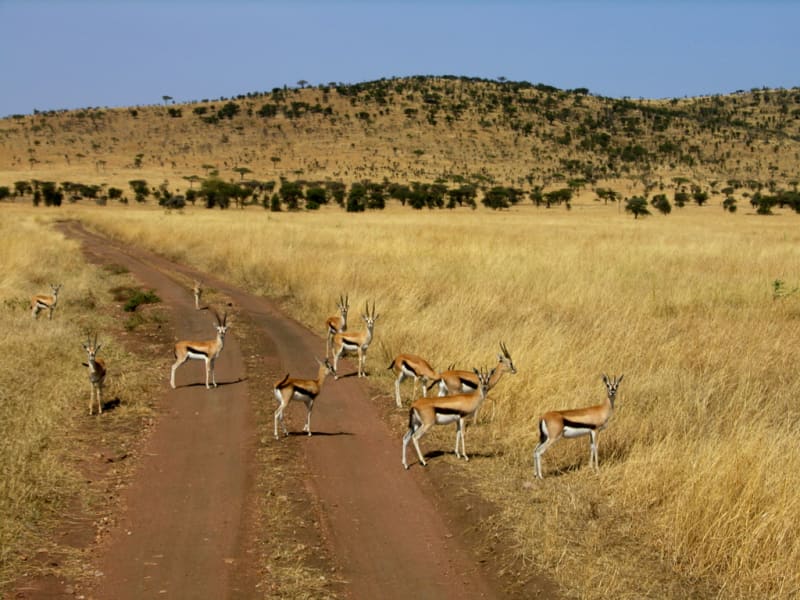
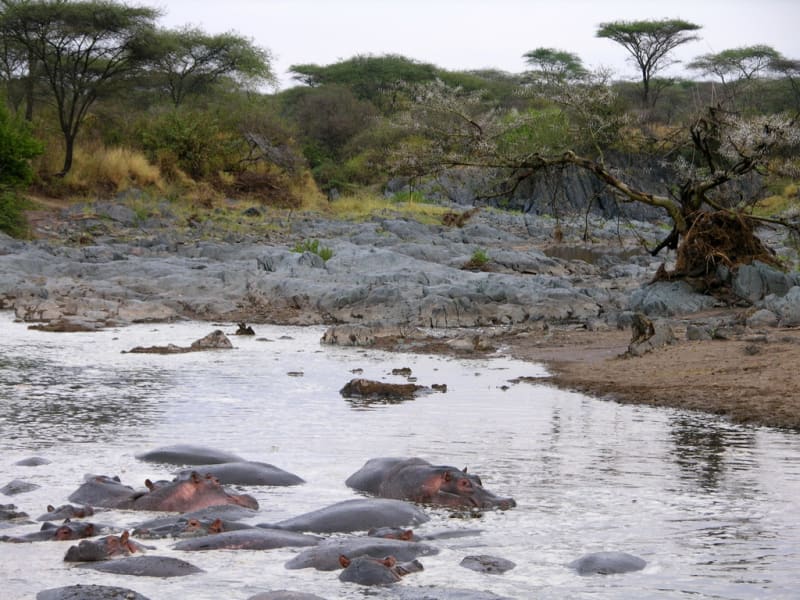
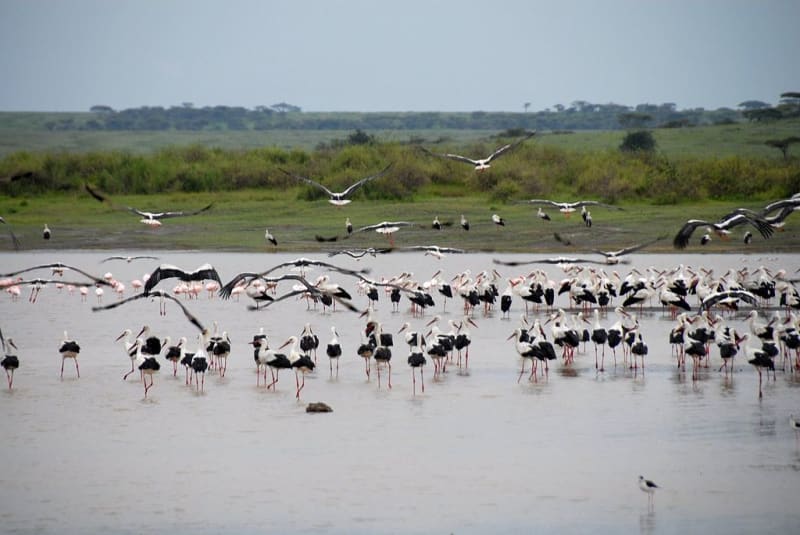
The kings of the Serengeti plains are the hoofed animals, of which there are millions. Of the predators in the Serengeti Park, lions dominate. Such a large number of wild animals can not be found anywhere else on the planet. Huge herds roam the vast expanses of the Serengeti: impalas, zebras, gazelles, buffaloes, bushbucks, marsh and water goats, congas, oribis, hippos, giraffes, rhinos, elephants. In addition to lions, the Serengeti is home to such predators as: leopard, cheetah, jackal, hyena dog. Of the small animals, it is worth noting porcupines, baboons, warthogs, colobuses, mongooses. There is a wide variety of birds in Serengeti Park, of which there are 500 varieties, the main ones include: eagles, ostriches, storks, vultures, flamingos.
There is 1 lion per thousand herbivores in the Serengeti. Due to such an abundance of food, the lions do not even pay attention to people, so drivers safely carry tourists to the territory controlled by the lions. The lions themselves let the guests of the park get close to them and are absolutely not afraid of anyone.
The main feature of the Serengeti National Park is the annual movement of animals, during which the animals travel about 3,000 kilometers. In October and November, countless antelopes and more than two hundred thousand zebras leave the northern hills for the southern plains, where it rains at this time. In April and June, the rainy season begins in the north, and the animals return. During migration, animals enter the territories of several parks, where they eat at least 4,000 tons of vegetation per day. Many animals die along the way: from land predators, drought, and crocodiles, but 250,000 cubs are born along the way, which makes up for all the losses.
During a drought, the Serengeti looks like a planet scorched by the sun, but with the arrival of the rainy season, the plain is covered with a green blanket, flowers bloom. Life is returning to the Serengeti, along with huge herds of animals and their cubs.
The administrative center of the Serengeti is located in the small village of Seronera. The National Park Administration, the Seronera Lodge Hotel, a small museum, and a tent camp are located here.