Villa Adriana
Villa Adriana is an architectural masterpiece of the Roman Empire, built especially for Emperor Hadrian in Tivoli. The villa includes 30 buildings spread over an area of more than 1 km2. Today, the architectural complex has been severely destroyed, but this has not prevented UNESCO from listing Villa Adrian as an architectural heritage site.
The villa was built at the beginning of the 2nd century on a limestone terrace. Only a fifth of the entire architectural complex has been preserved to this day. A huge number of people and money were involved in the construction, which significantly boosted the economy and demographics of neighboring regions.
The villa was built according to Roman architectural traditions, so all the buildings are well combined with the surrounding nature. Adrian singled out the buildings, giving each building a name in honor of the places he had visited. With the death of the emperor, the villa quickly fell into disrepair, and the heirs used the villa as a summer residence. At the end of the 3rd century, Emperor Diocletian restored the buildings, but subsequent rulers began to tear the villa apart. For example, Constantine I the Great took away many works of architectural art to decorate Constantinople. In the 6th century, the local territories were plundered by the troops of the Visigoths. The villa was looted until the first excavations in the 16th century, when more than 300 art objects were removed from here, which can now be found in various museums. Ippolito d made a significant contribution to the destruction.’Este, who used statues and marble columns to decorate his villa.
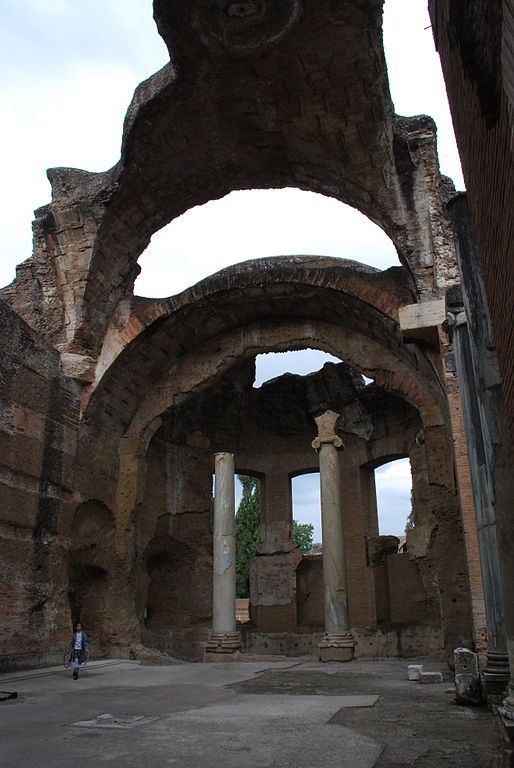
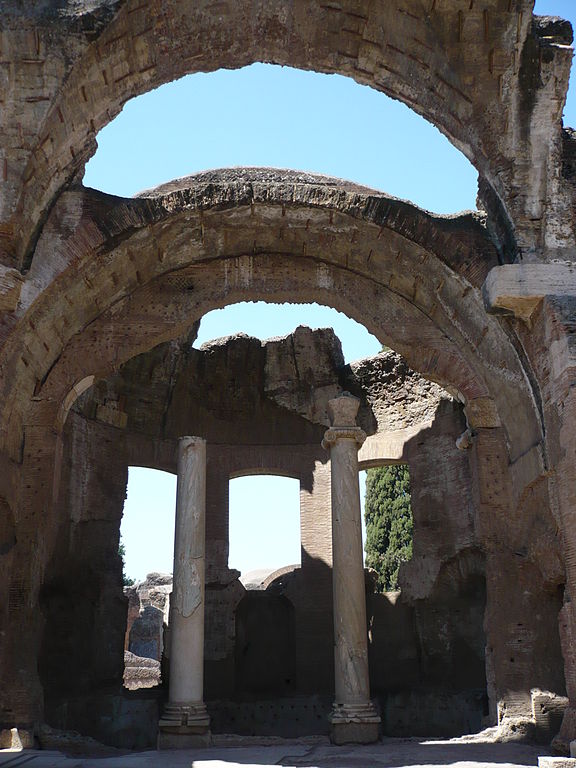
The buildings of Villa Adrian include Large and Small thermal baths. Presumably, women washed in the Small Ones, and men in the Large Ones. The baths were separated by a small courtyard. The thermal baths themselves included rooms with cold, warm and hot pools. In the men's part of the baths there was a palaestra, a playground for sports. There was also a ball room in the Large Thermal Bath. The thermal baths were heated in two ways, and remnants of a heating network were found for water, as well as for hot air circulating under the floor and through channels in the walls.
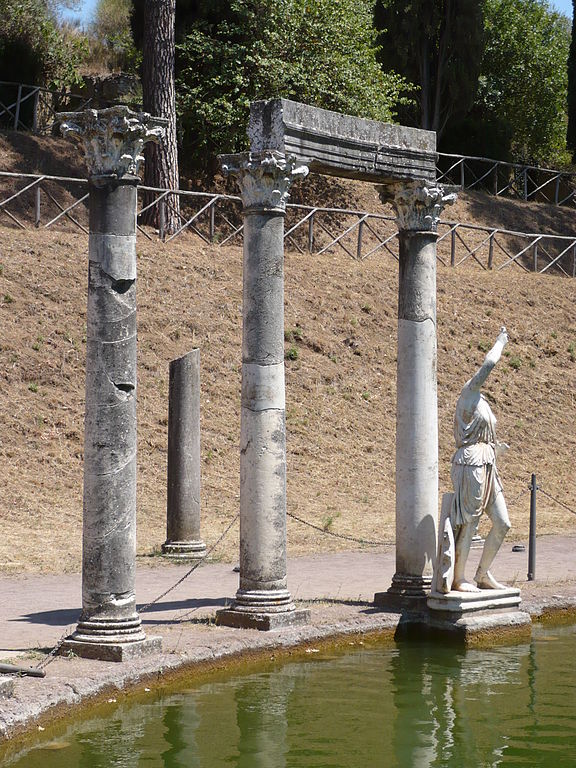
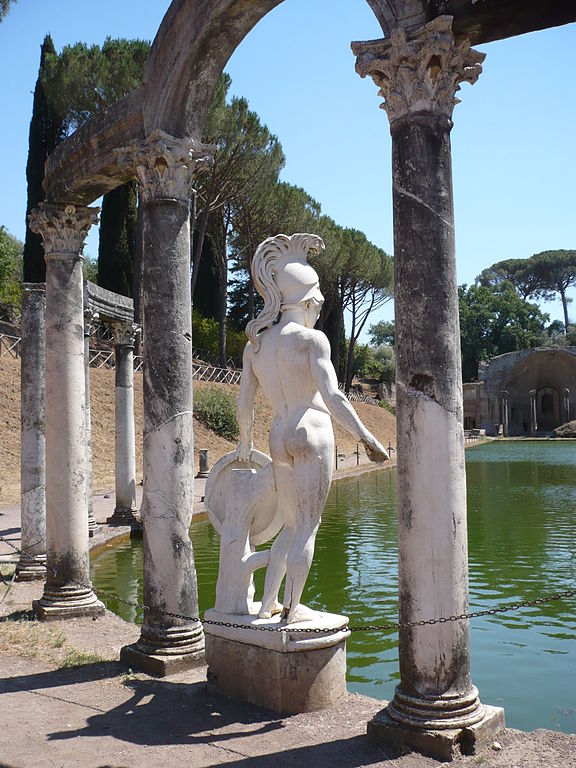
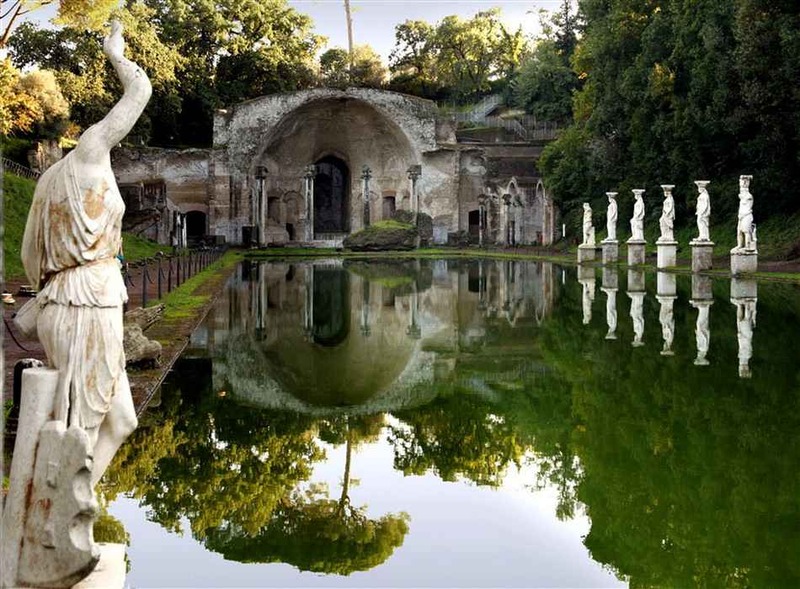
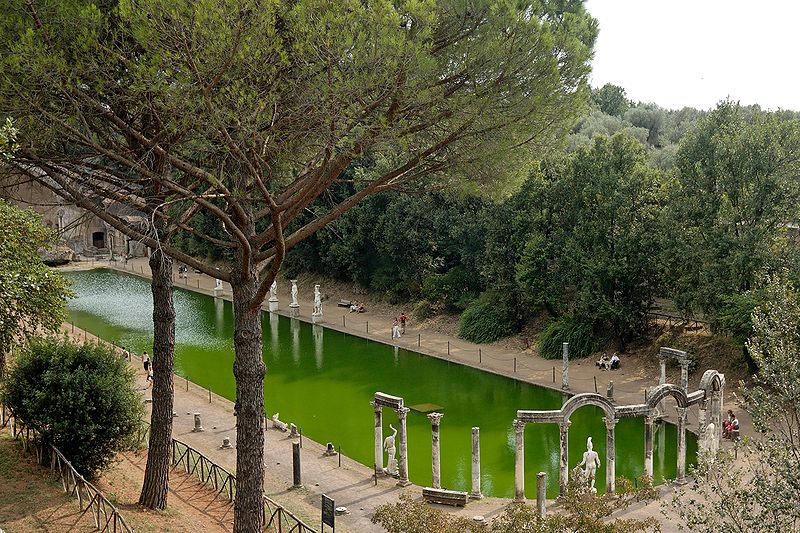
No less interesting is the Canopic Jar, a 119-by-18-meter reservoir that symbolizes a possible Egyptian settlement near Aboukir, where Emperor Andrian spent part of his life. To serve the emperor, they built the Cento Camerelle, with a large number of rooms for slaves, a barracks for guards and a Praetorium, a multi-storey building for servants.
The island villa is a small house with fountains and columns, surrounded by a canal with an arched gallery. Once there were 2 drawbridges leading to the house, today they have been replaced with brick ones. Also on the territory of Villa Adriana you can see the remains of a library, temples, pavilions, a sun bath, an academy, various squares and reservoirs.
Even in its ruined state, Villa Adriana is admired by visitors.