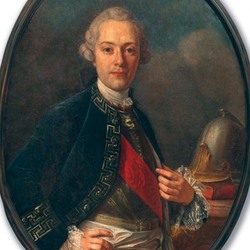
Royal Palace in Naples
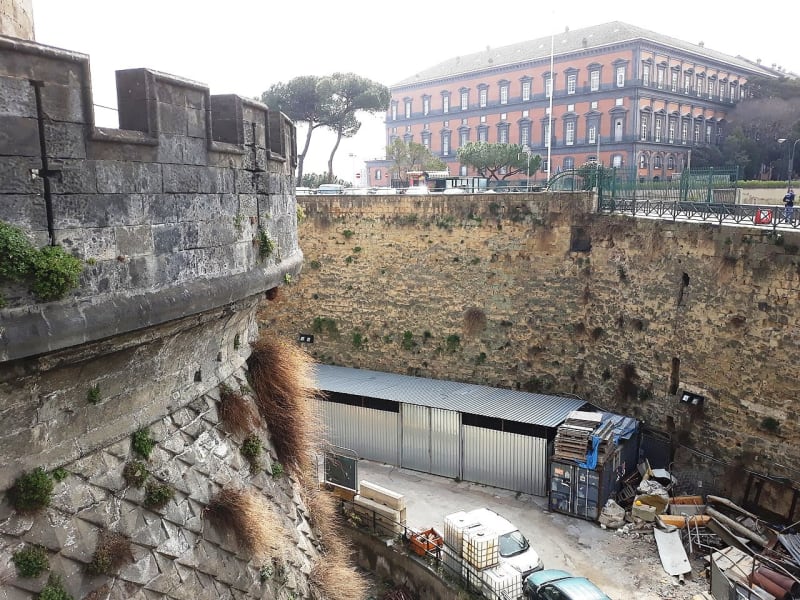
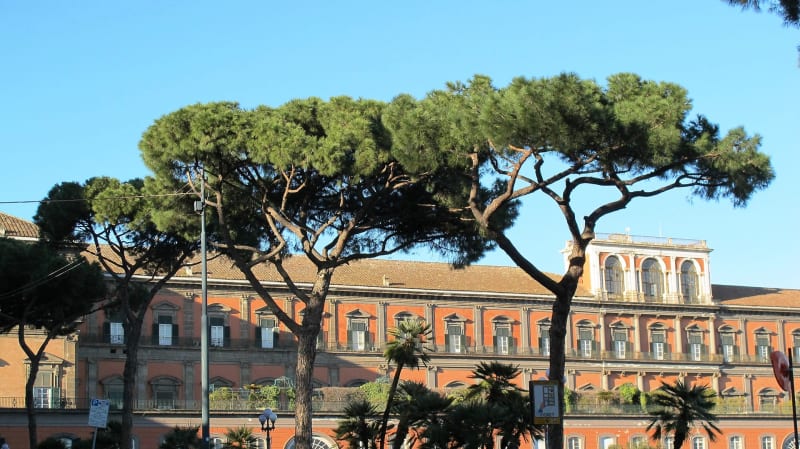
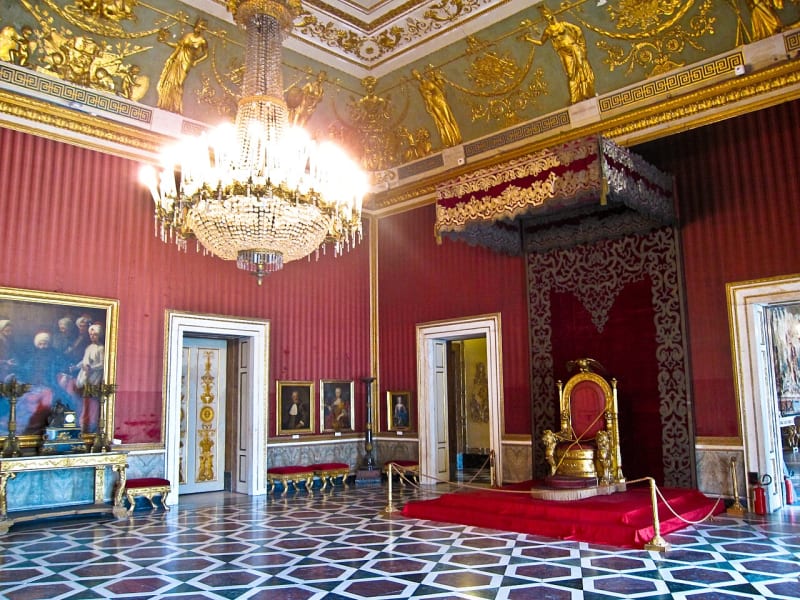
The Royal Palace in Naples is full of stories, the most influential and important personalities of Neapolitan history have walked on its floor since the era of the viceroyalty, and everything here speaks about the art of century-old Naples. The first stone of the palace was laid in 1600 on the south side of the old town near the sea for an escape opportunity. The magnificent palace became a UNESCO World Heritage Site in 1997.
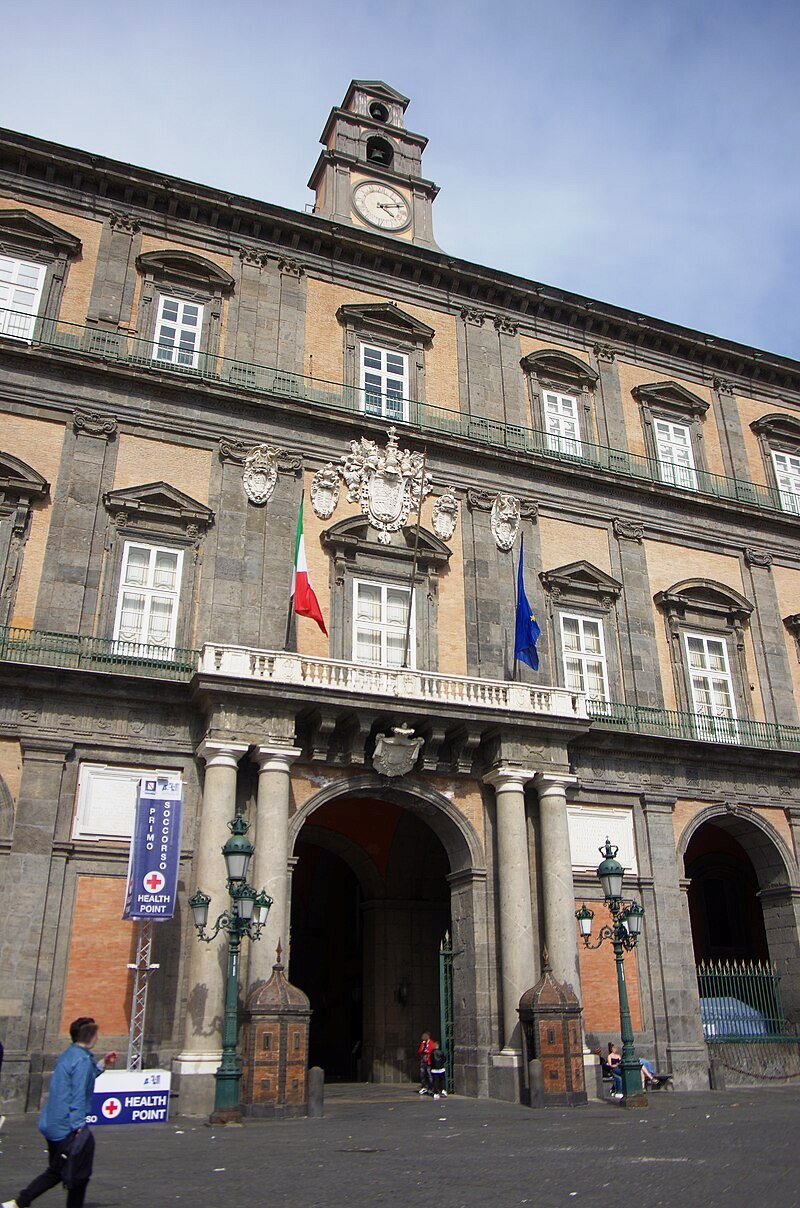
The Royal reception
The construction of the Royal Palace in Naples became necessary, and during the era of the Viceroyalty, Fernando Ruiz de Castro realized that a truly luxurious, elegant and wide hall was not enough to welcome guests (he was expecting the visit of King Philip III of Habsburg of Spain). In fact, the Vice-royal palace had existed for fifty years, which was absolutely not in line with the governor's wishes. Part of the gardens was used just for the construction of a large palace, which replaced it and later even demolished the old Viceregal Palace, resulting in the area of Trieste and Trento.
Architecture of the Royal Palace in Naples
Domenico Fontane's inspiration was related to the canons of the late Renaissance, but there were subsequent interventions, also in the 1700s and 1800s, by other important figures of the Neapolitan panorama, who drew inspiration from other types of concepts. In fact, in 1734, Naples became the capital of an autonomous kingdom with Charles III of Bourbon, and the Royal Palace in Naples was expanded from several sides with the creation of two new courtyards, completely rebuilt in the late Baroque style. During the time of Ferdinand Bourbon, between 1838 and 1858, work was planned to restore the palace after the fire that devastated it. Then the architect Gaetano Genovese was entrusted with the restoration in the neoclassical style.
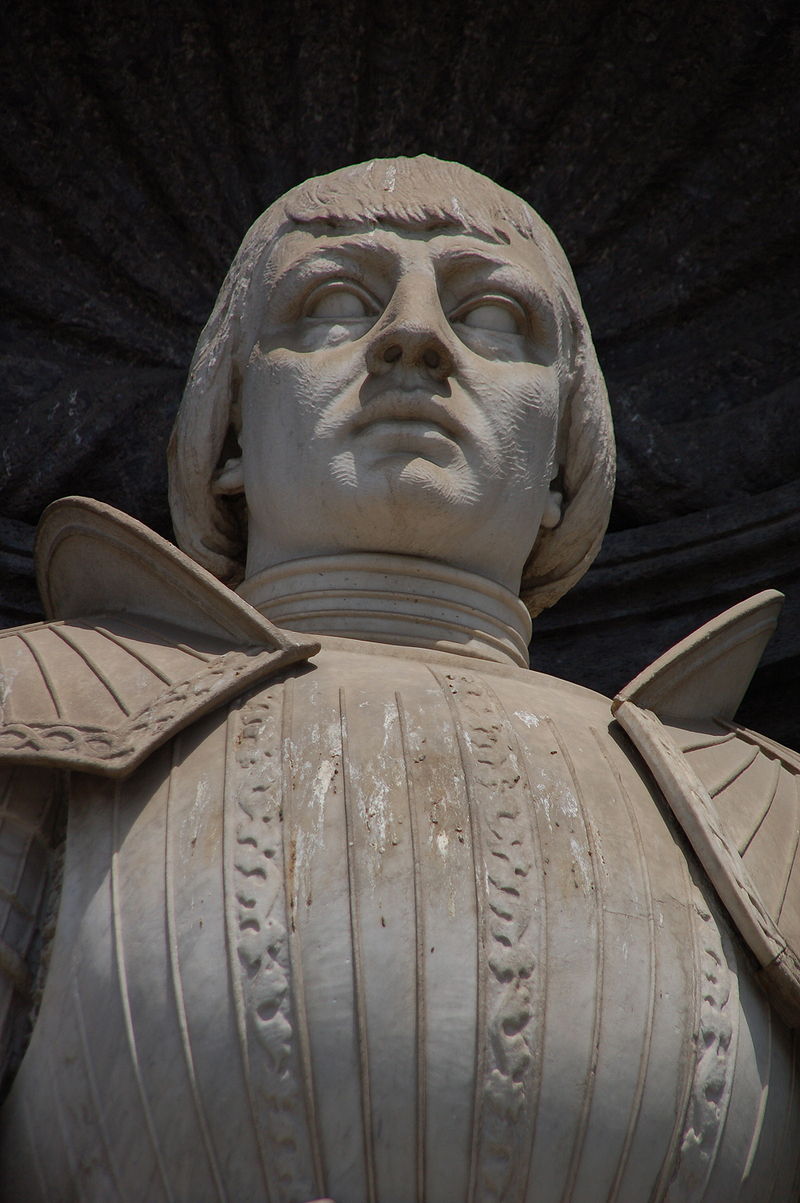
Butler cascades
The huge garden surrounding the Royal Palace in Naples can be described as a continuation of the Baroque architecture of the palace combined with the botanical garden, reminiscent of a typical English square. It covers an area of about 110.76 hectares and has several cascades and fountains. It was built in a relatively hilly area, and its most interesting feature is a straight canal with 5 monumental fountains. The integrated intervals create a wonderful optical illusion. Only those located in the garden of the Peterhof Palace near St. Petersburg in Russia can compete with them. Tourists can visit the park in Naples, which makes the Royal Palace in Naples one of the most popular tourist attractions in the region.