Tikal
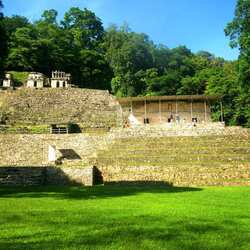
Tikal forms the main part of Guatemala's national park and is located among the jungles in the province of Peten in northern Central America. This park is interesting because many years ago it was the urban center of the Maya civilization, as well as for its nature – the local flora and fauna. Its area is about 600 km2, of which 16 km2 are architectural structures.
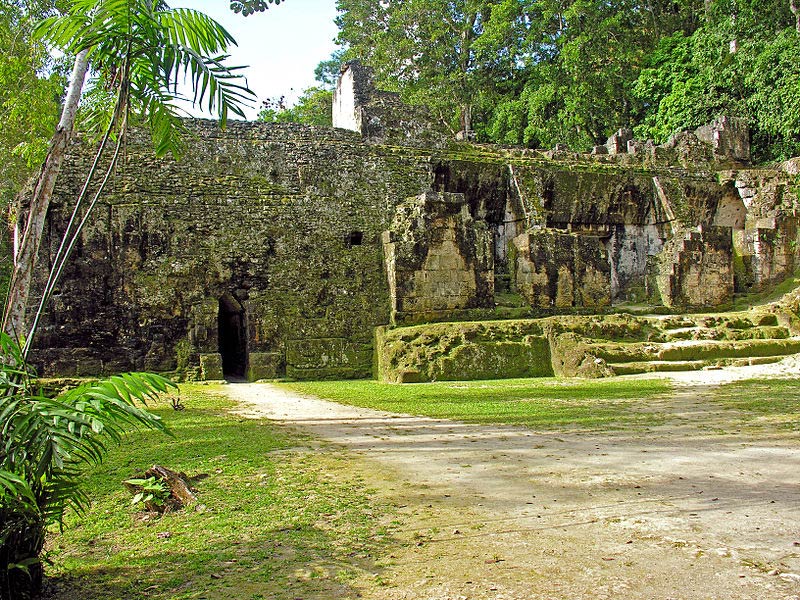
Tikal was built in the middle of the jungle, which, today, has been turned into a nature reserve, and the national park is included in the UNESCO list.
Tikal's history begins 700 years ago BC. It was the most famous city of the Maya tribe. Translated from their language, the name of the city means "a place where the voices of spirits are heard." Architectural structures of amazing beauty were built. But in the 10th century A.D., for unknown reasons, the inhabitants left the city, leaving us only the memory of their existence, as many of their buildings have remained to this day, having withstood the test of time. There are close to 3 thousand different buildings here, many of which have no names, but are only numbered.
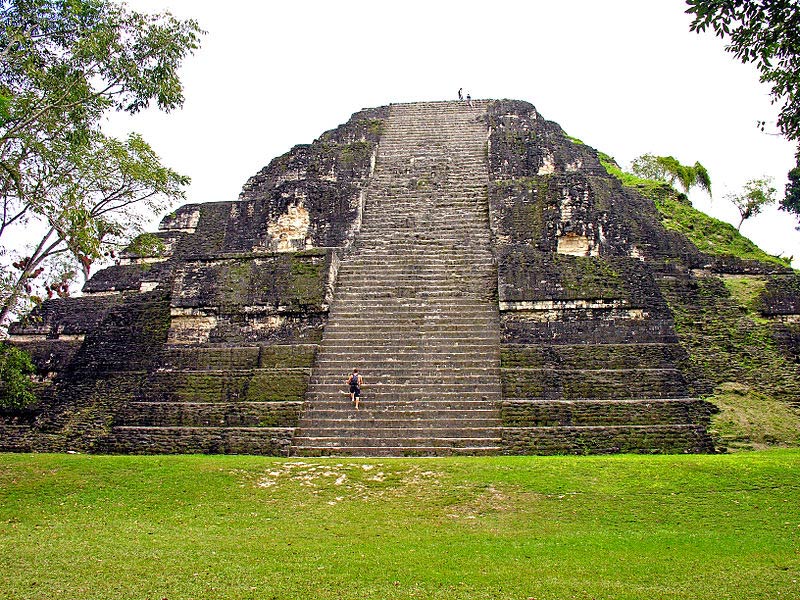
In the very center of Tikal there is a large square called the Grand Plaza. Pyramids with narrow staircases, 44 and 38 m high, respectively, have been erected on two sides of the square. At their top are the Temple of the Great Jaguars and the Temple of Masks.
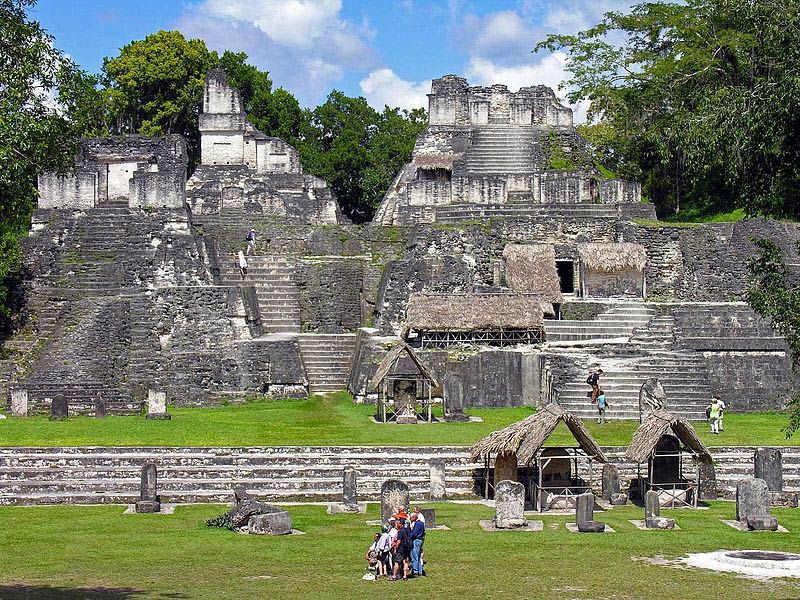
It should be noted that in addition to the Grand Plaza complex in Tikal, there are 7 other similar but smaller pyramid temples. Below there are steles decorated with carvings, inscriptions and drawings of rulers.
Three acropoles have been built on three sides of the city – North, Central and South. The main components of the Northern Acropolis are 12 temples standing on the same platform, but on different levels. The total number of buildings is about one hundred.
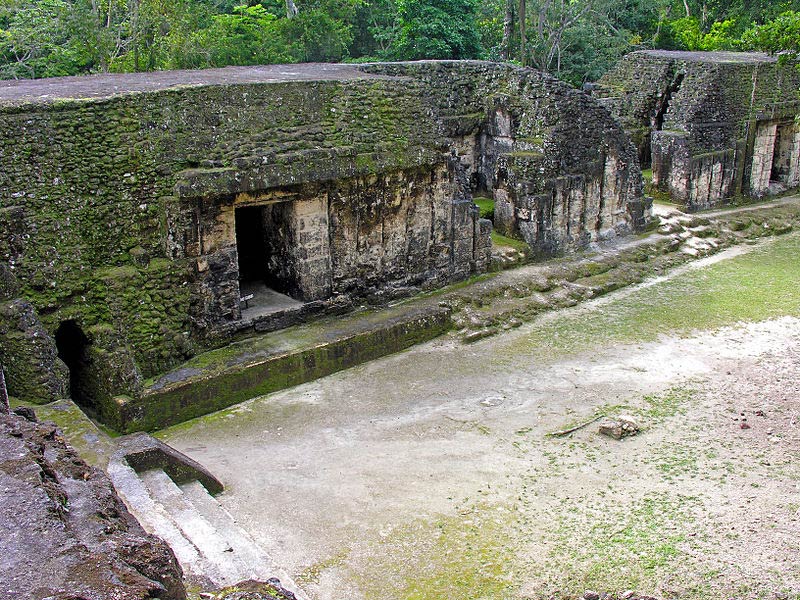
The central acropolis consists of a number of structures that preserve the remains of the palace buildings. There is a Palace Pond here, and on the opposite side there is a Pyramid 58 m high.
The southern Acropolis consists of seven small temples. To date, excavations of the Southern Acropolis are still ongoing.
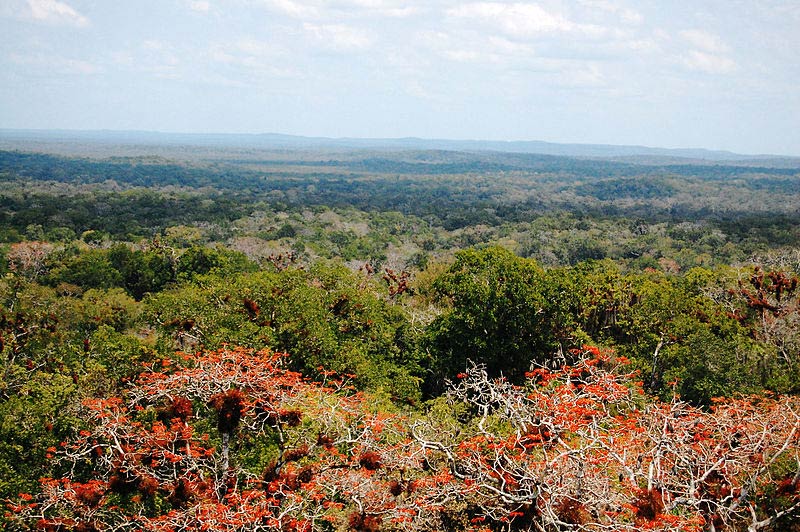
Another, the tallest building of Tikal, is the Temple of the two-headed snake. You can view the beauty of the ancient buildings of an ancient civilization by walking along manicured paths, and you can climb wooden steps to the pyramids. From the height there is a breathtaking view of the ruins of the ancient city, as well as the nature of the jungle. Tikal National Park is interesting not only for the architectural structures of the city, but also for its nature, where palm trees, cypresses and other trees grow. This reserve is home to many birds of various colors, jaguars, reptiles and snakes.