Shaolin Monastery
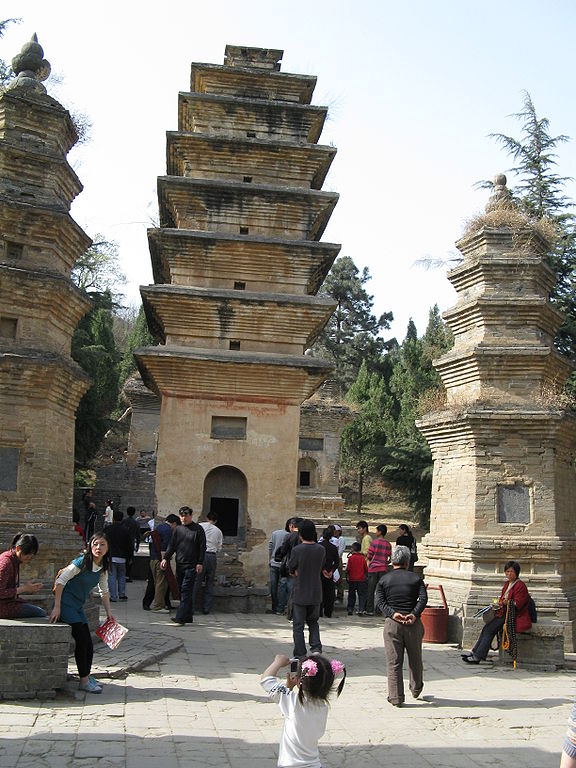
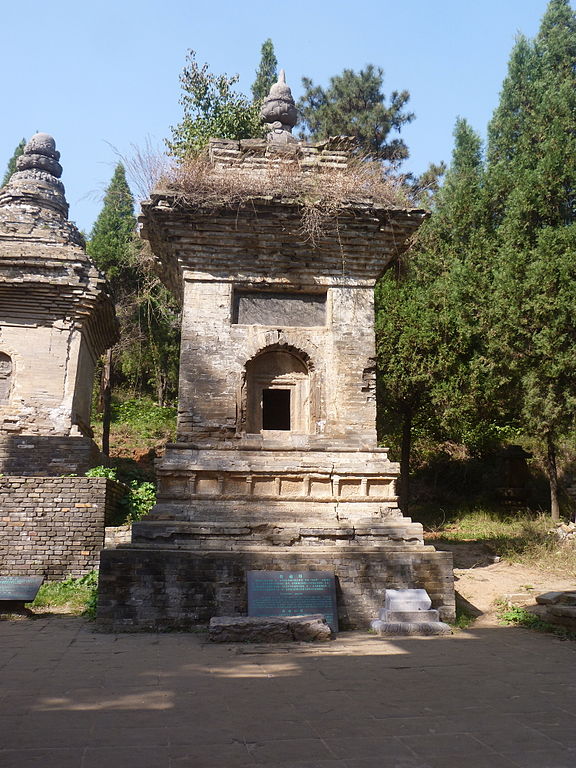
Shaolin is the most famous Chinese shrine that has found its place in Henan Province, surrounded by magnificent mountainous areas and forests.
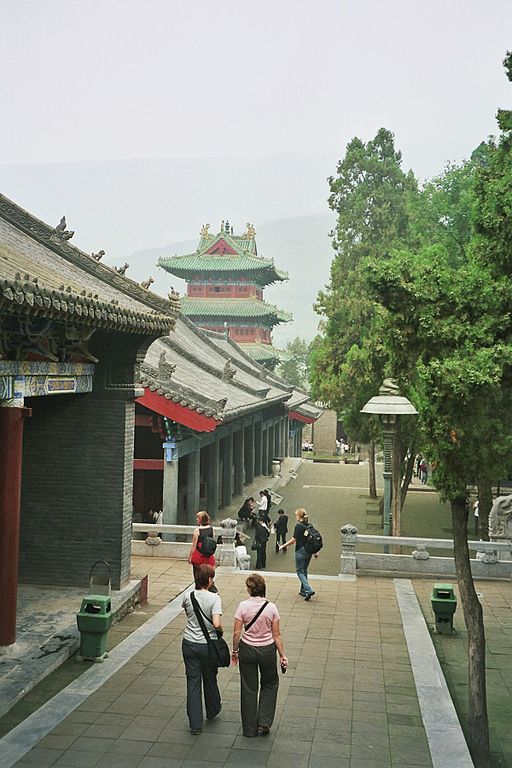
Back in the 5th century, there was a Taoist temple complex on this site, which was taken over by Buddhist monks during the persecution of Taoist worshippers.
An old legend says that the place on the mountain was chosen for the temple for a reason, but for its resemblance to the lotus flower, which is sacred on this earth. The name of the monastery building came from the peak of Shaoni, on one of the slopes of which this sacred building found its place. "Shao" is consonant with the name of the mountain, and "Lin" in Chinese means the forest surrounding the monastery.
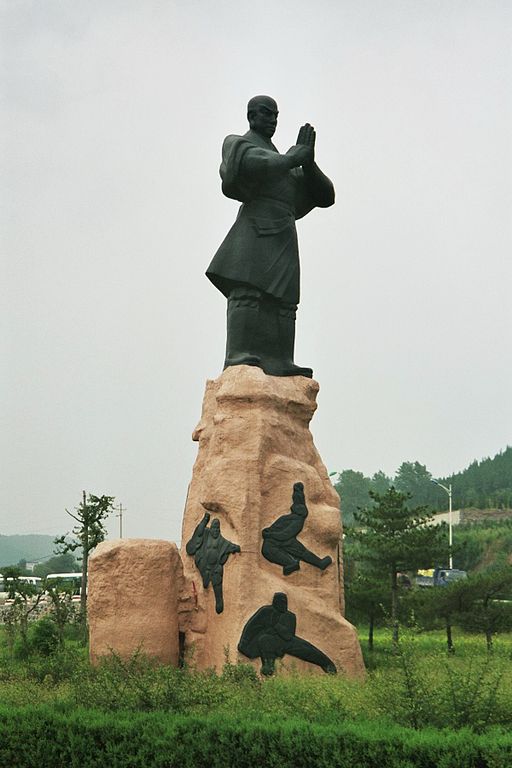
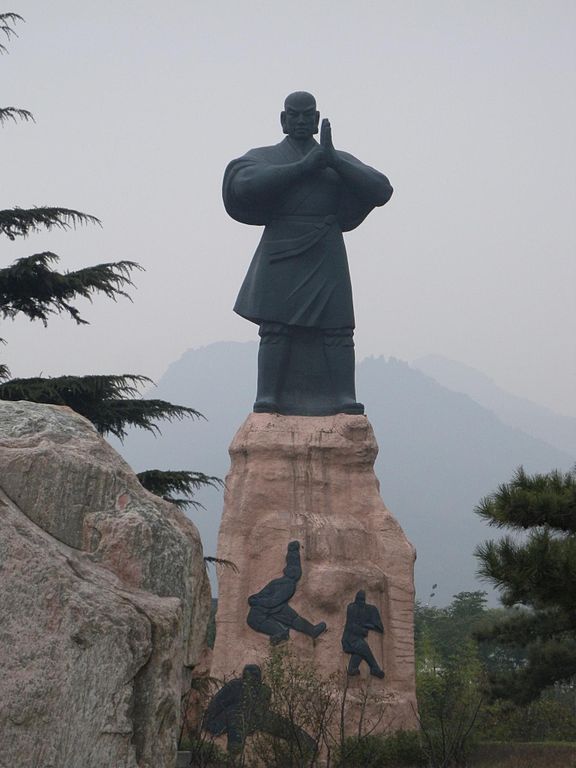
Shaolin traditions are more than 1,500 years old. The founder of this direction is a monk named Bodhidharma, with the help of whom those who served in this temple were able to acquire Buddhist practices, where a kind of meditation and physical activity are successfully combined, in the form of various strength training. By combining spirituality with combat training, the monk turned the temple into a martial arts haven where brave warrior monks were raised.
In subsequent times, this difficult shrine made a huge contribution to Chinese traditions. More than one martial arts movement of this country originated within these walls.
Legend has it that a real Shaolin warrior turned out only after going through 10 to 15 years of tireless training and spiritual work on himself. It is worth noting that a monk warrior must be proficient in combat techniques, as well as know the entire history of the monastery. The real warriors, who came from the Shaolin Monastery, had to flawlessly put into practice the acquired skills of fighting, both with and without weapons.
Shaolin Monastery is located on a mountainside, which gives it a stepped appearance. This oriental temple is surrounded on all sides by a huge wall, rich red in color, which is about 3 meters high. The roof of the temple is presented in green tones, adhering to Chinese traditions. The entrance to the sacred structure is decorated with the Shanmen Gate, on which there are sculptures of lions.
The Hall of the Heavenly Kings, which houses Buddhist sculptures, as well as the Hall of a Thousand Buddhas, is particularly popular among tourists. The Hall of the Western Shrines is famous for the fact that warriors used to train here. Traces of such difficult long-term activities can be seen on the floor, in the form of bent prints. Mahavira Hall is considered the very center of Shaolin, which houses a drum tower, as well as a bell tower. There is a tradition here that stretches back more than one century, according to which every new morning is greeted with a bell ringing, and the outgoing day is accompanied by beating a drum.
Shaolin Monastery is included in the UNESCO lists, because it is a vivid cultural heritage of China.