National Park Nahuel Huapi
Nahuel Huapi is a national park in Argentina. Founded in the Nahuel Huapi Lake area in 1934, it is the country's oldest national park. Today, the protected area covers an area of 7,050 km2 in the provinces of Neuquén and Rio Negro in northern Patagonia.
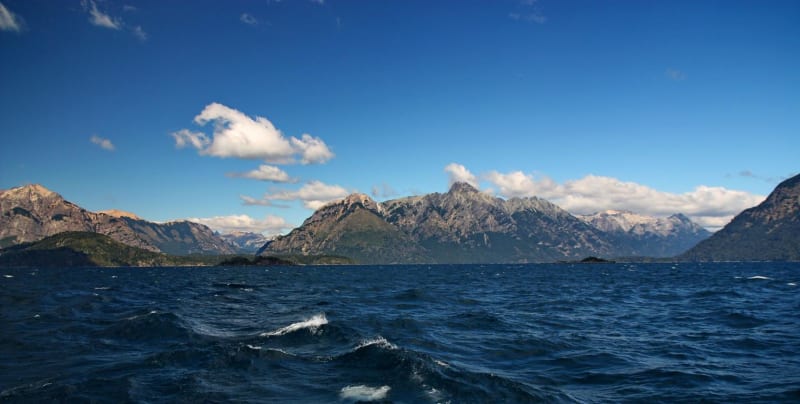
It stretches for 130 km along the Argentine-Chilean border. The park, located on the border of the Valdivian forests and the Patagonian Steppes, is dominated by high mountains, many lakes and vast inaccessible forests. Lanin National Park joins it in the north. The territory of another national park, Los Arrayanes, adjoins Lake Nahuel Huapi. The height above sea level of the national park ranges from 700-3500 m.
The park is named after its main attraction, the central geographical feature - Lake Nahuel Huapi. Immediately after its creation, Nahuel Huapi National Park occupied only 800 km2 between Puero Beach and Lake Fri Ace, already in 1907 the park was expanded to 4,300 km2. It should be noted that the creation of the park in such a short time would have been impossible if not for the perseverance and perseverance of the famous naturalist of Argentina, Dr. Francis-co Perito Moreno.
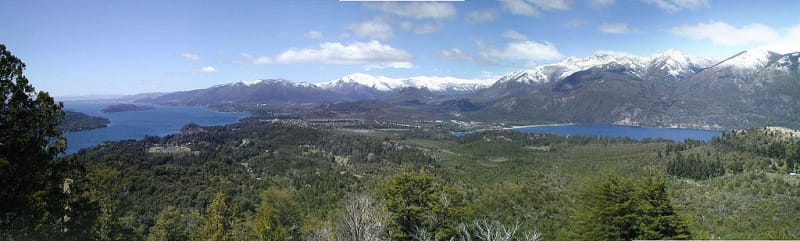
The park's main goal is to protect natural complexes of evergreen cedar and beech forests. Some of these trees reach 500 years of age, and some beeches are up to 40 m tall and 2 m in diameter. It is also easy to find Patagonian larch trees in the park, they reach a height of 30-35 m and a diameter of 2-3 m. In some ways, Patagonian larches resemble California redwoods - their trunks are also entwined with vines. Together with these interesting species, large areas of the national park are occupied by thickets of ferns and bamboo, herbaceous stands. A considerable area is occupied by marshes in the park. The grassy communities of the Patagonian steppe, the pampas, are unique in their composition.
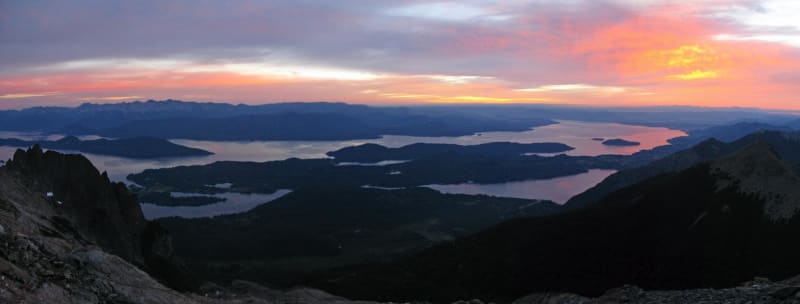
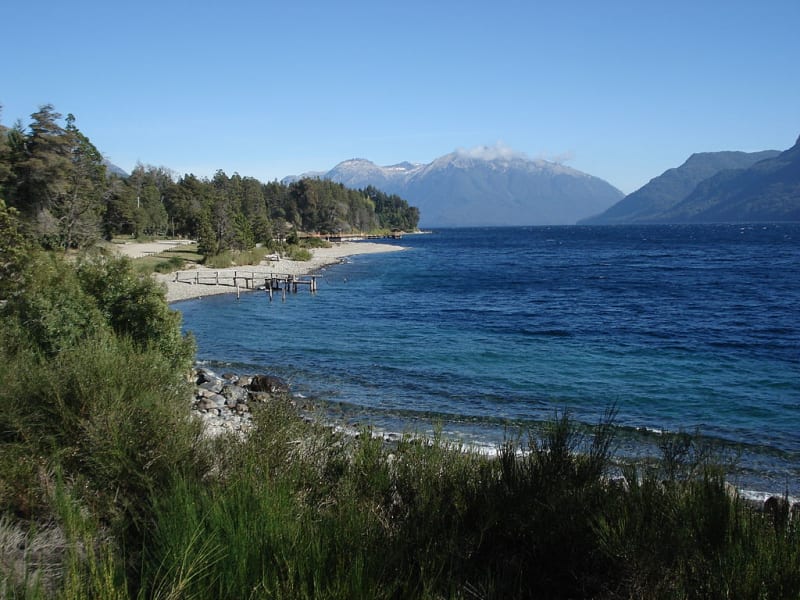
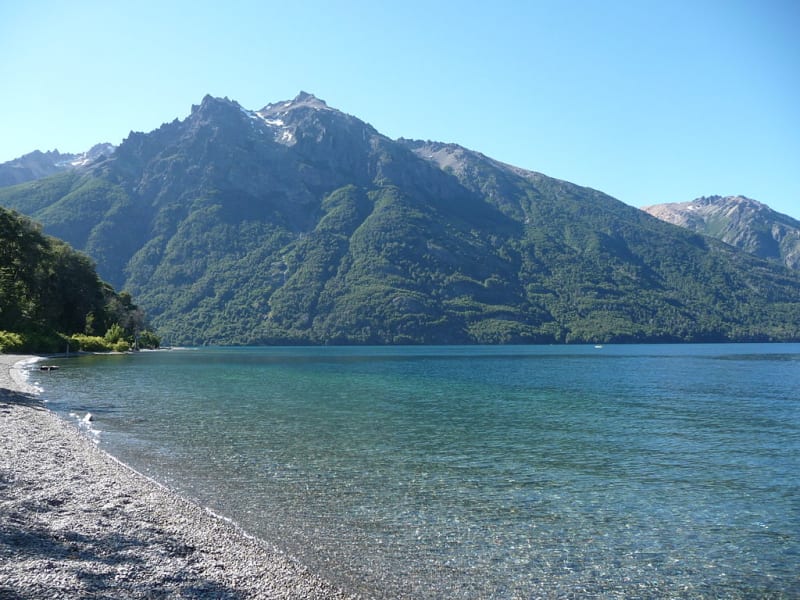
The main attraction of the park, Nahuel Huapi Lake, is located at an altitude of 767 m above sea level, its length is approaching 70 km, and its area is 530 km2. But tourists are attracted not only by the extraordinarily beautiful nature of the lake and the local forests. Nahuel Huapi is included in the list of mysterious lakes on the planet. It is believed that the lake is inhabited by a mysterious creature similar to the Loch Ness. This monster was also named after the lake. The mysterious creature is periodically shown to tourists and locals. There are numerous legends of Indian tribes who lived on the shore of the lake. They talk about a terrible monster that lives at the bottom of Nahuel Huapi. The scientists who came to check the theories and rumors have not found anything yet. Nevertheless, a huge number of tourists come to the lake in the hope of seeing the monster. The locals are enjoying the glory of the lake. Guests are offered numerous souvenirs with the image of the monster. Car trips around the park are also very popular among tourists, especially the 280 km round-the-world tour.
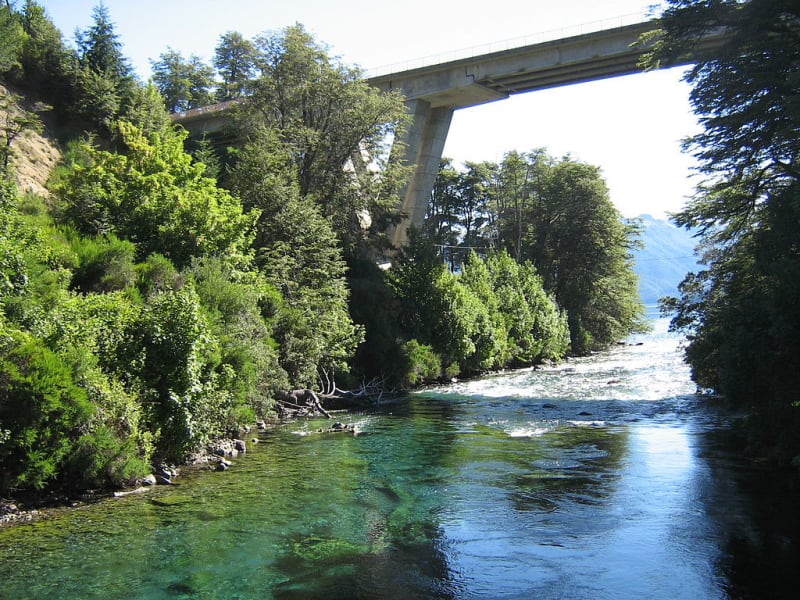
The natural attractions of Nahuel Huapi National Park include, first of all, the extinct volcano Tronador, which reaches an altitude of 3554 m above sea level. Translated from Spanish, the name of the volcano "tronador" means "loud, thundering." The volcano rises above the forest area of the park, and numerous lakes, mostly of glacial origin, are visible from it. The main peak of Tronador is El Principal, with eight glaciers sliding down from it, the latter giving birth to the local Frias River, which is known for its matte green waters.
The animal world of Nahuel Huapi is quite typical for Argentina, quite diverse for South America, and completely unique and exotic for the rest of the globe. It is home to such interesting animals as guanacos, which resemble common deer, the local endemic is the Andean deer, and a unique species is the pygmy pudu deer (about 30 cm tall). Representatives of rodents are also widespread in the park: viscach and nutria, armadillo and mouse possum. European deer and fallow deer brought here from Europe have successfully acclimatized in the local lands. There are about a hundred species of birds in Nahuel Huapi, but the most notable of them are the nanda, the Chilean hummingbird, the Magellanic woodpecker, the black-necked swan, the Magellanic piebald and the wedge-tailed parrot.
The best tourist seasons here are considered to be the periods from January to March and from July to September.