The Huntington Botanical Gardens are a renowned garden complex in San Marino, near Los Angeles, California, USA. They form part of The Huntington, a cultural institution that brings together botanical collections, an art museum, and a research library. The extensive grounds feature gardens inspired by different countries and climate zones, rare plants, historic buildings, ponds, and architectural structures.
The main attraction is the diversity of themed gardens. Visitors can move from dry desert landscapes to tropical greenery, explore Japanese and Chinese garden designs, walk among roses, and discover plants rarely seen in ordinary urban parks. The Huntington appeals not only to nature lovers but also to people interested in history, architecture, art, and landscape design.
History of the Huntington Botanical Gardens
The history of the estate began in 1903, when American businessman and collector Henry Edwards Huntington purchased a ranch in San Marino. At the time, the property included citrus groves, fruit orchards, agricultural fields, and farm buildings. Huntington gradually transformed the estate into a place where plants, artworks, books, and research collections could coexist.
William Hertrich, the estate's superintendent, played a major role in developing the gardens and botanical collections. Under his direction, a wide variety of plants was introduced, and the working ranch gradually became a carefully planned garden complex. Special attention was given to rare species, unusual plant forms, and landscapes representing different natural environments.
In 1919, Henry Huntington and his wife Arabella established an institution intended to preserve their collections and make them accessible to the public. Over time, The Huntington became a major cultural and research centre. Today, its botanical gardens serve decorative, scientific, educational, and conservation purposes.
Themed gardens and plant diversity
The botanical gardens cover about 130 acres, or approximately 53 hectares, and include 16 themed gardens. Each has its own concept, plant selection, and landscape character. Some collections demonstrate particular climate conditions, while others introduce garden traditions from different countries or focus on specific groups of plants.
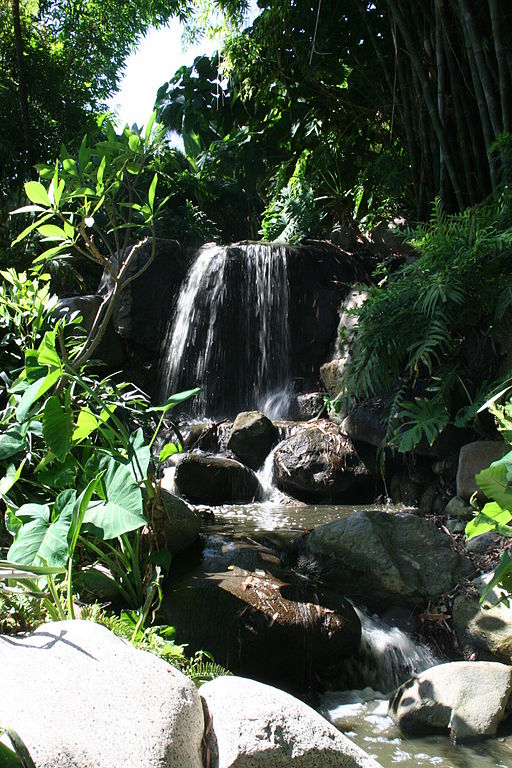
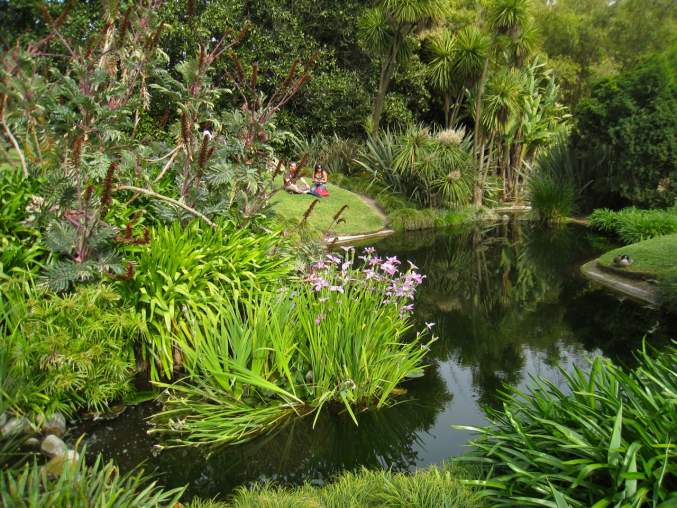
The grounds feature roses, orchids, camellias, succulents, palms, cycads, tropical plants, and many other botanical collections. Some specimens stand out for their unusual shapes, age, or rarity. With open landscapes, specialist collections, and historic structures, the complex feels like several different gardens brought together in one place.
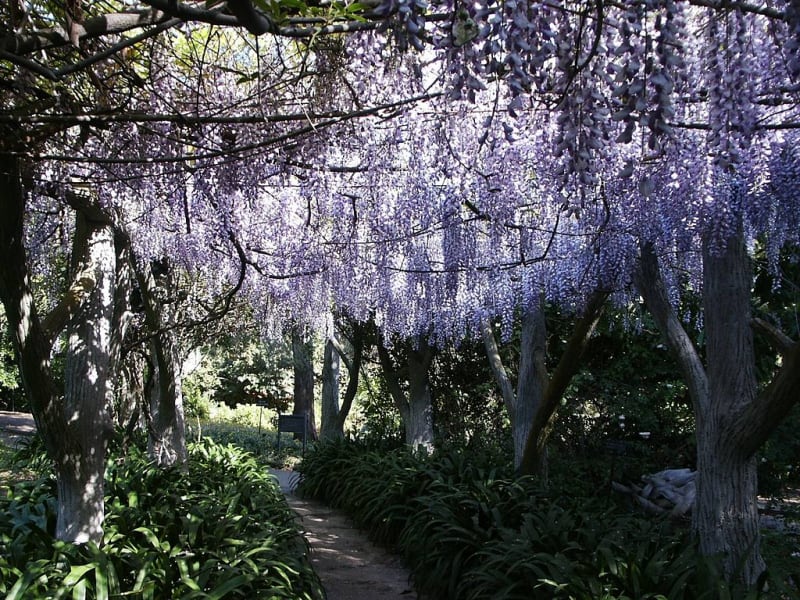
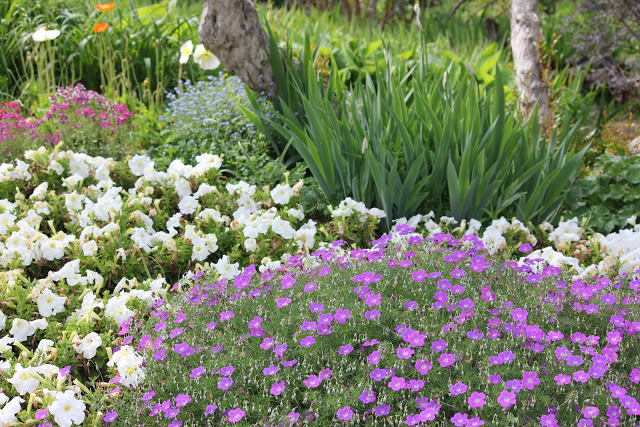
The gardens change throughout the year. Spring brings fresh growth and seasonal blooms, summer highlights tropical collections and drought-tolerant plants, and autumn reveals changes in foliage colour. Since different species flower at different times, there are interesting plants to discover in almost every season.
Japanese Garden
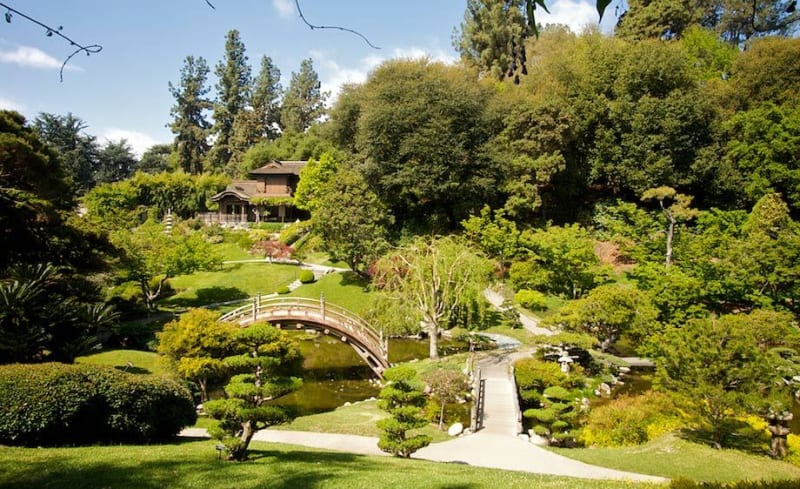
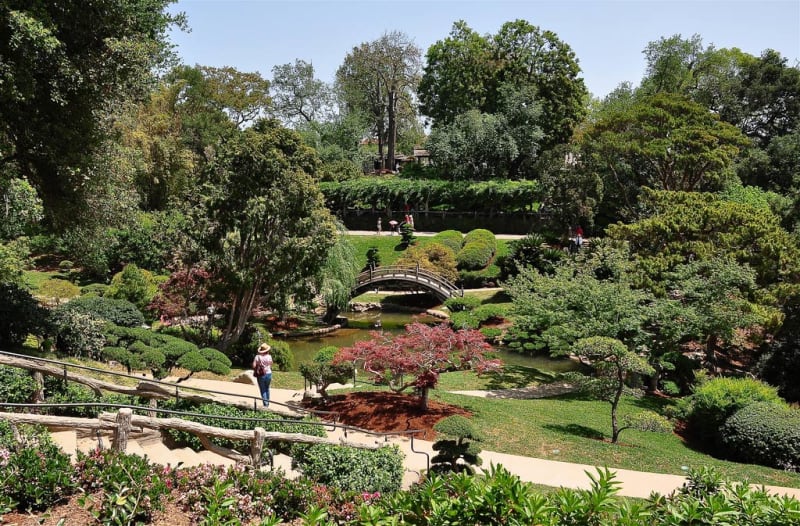
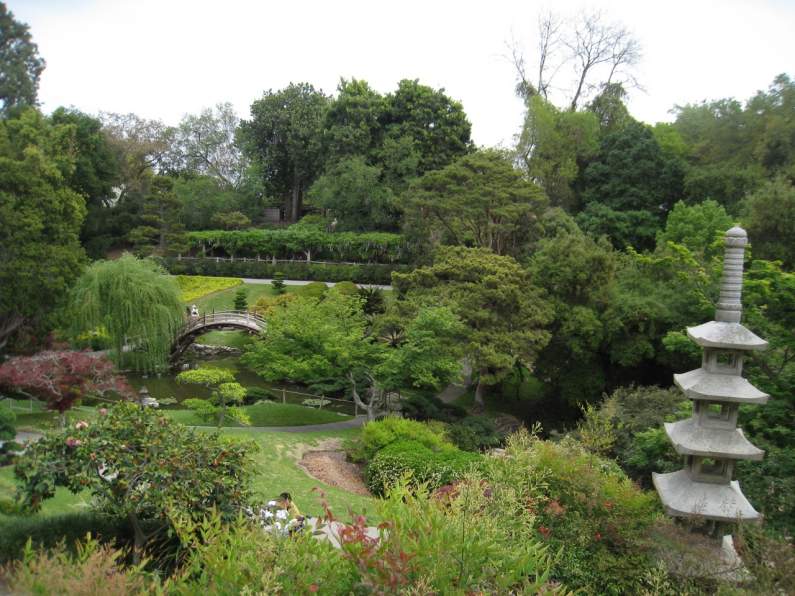
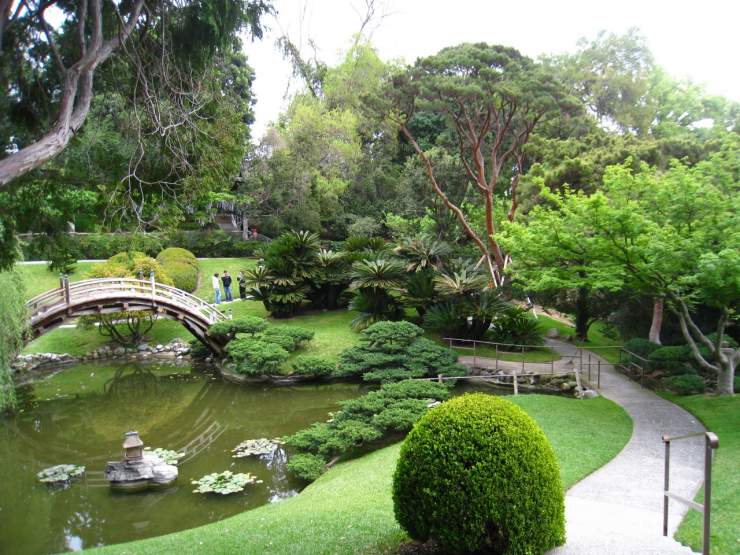
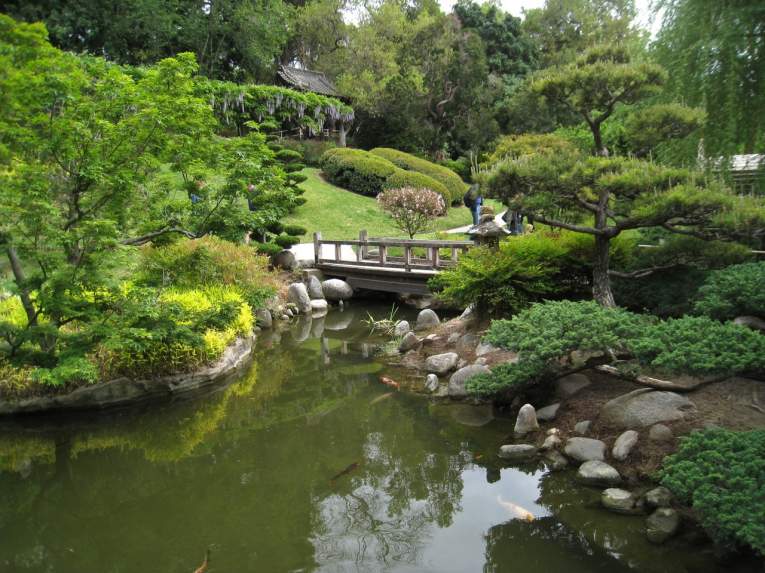
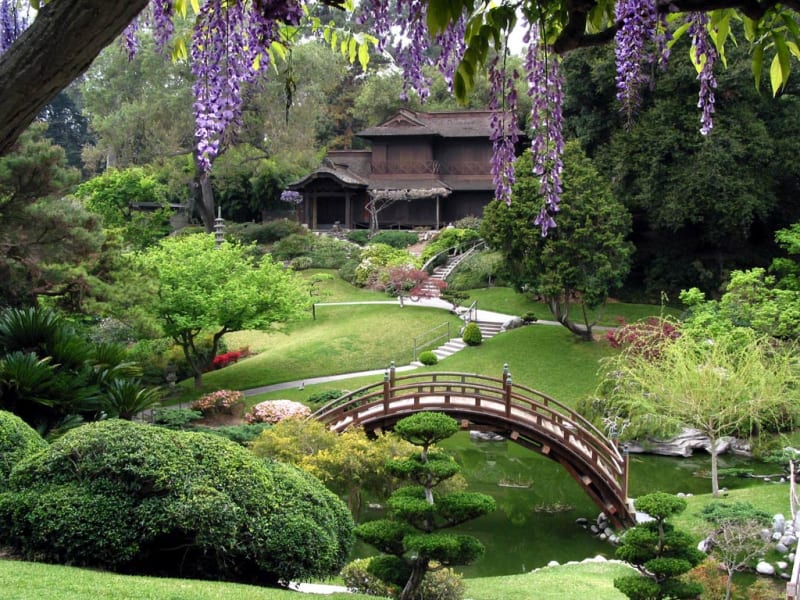
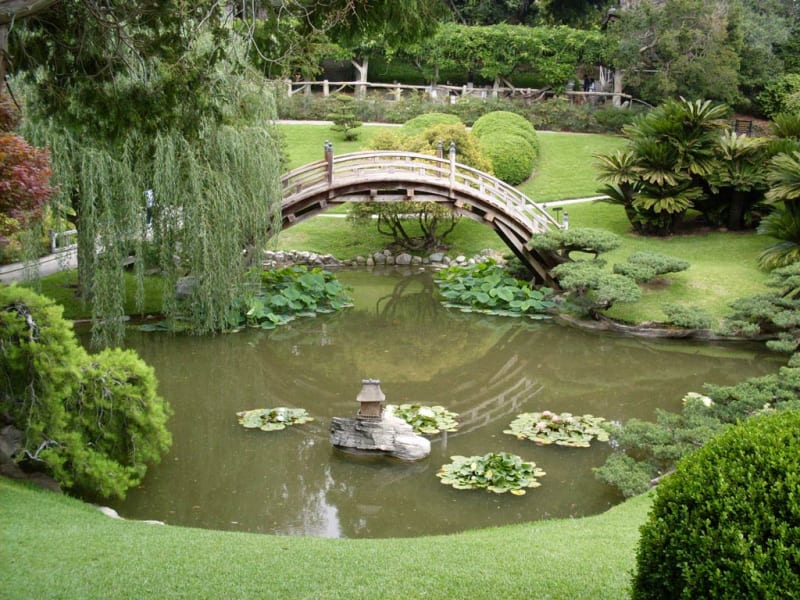
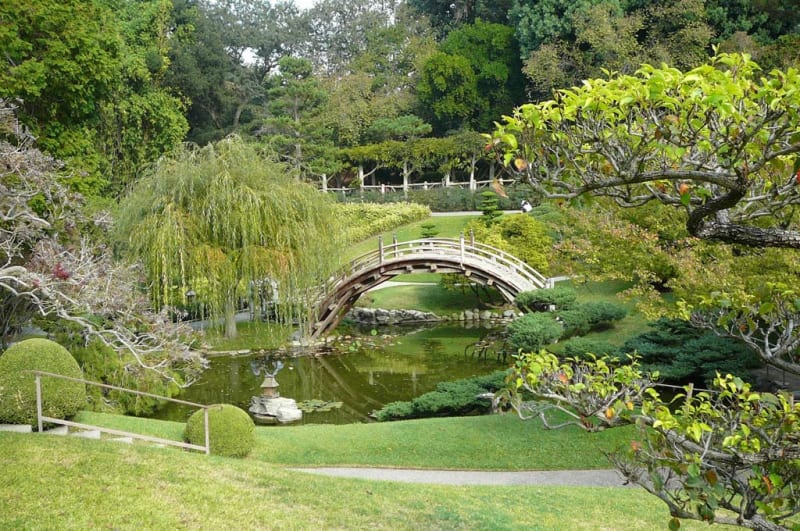
The Japanese Garden is one of the most recognisable areas of the complex. Its design follows traditional Japanese landscape principles, in which water, stones, plants, bridges, and architectural details work together. The aim is not simply to display beautiful objects but to create a balanced whole.
Winding paths, ponds, stone features, and carefully shaped plants create a feeling of calm and seclusion. The garden changes with the viewpoint: a turn in the path may reveal a bridge, a small shelter, or trees reflected in the water. This approach turns a walk into a sequence of distinct landscape scenes.
The Japanese area includes the traditional Shōya House, associated with rural Japanese life in the 18th century. The historic building offers a glimpse into traditional Japanese domestic architecture and everyday life of the period. Access and opening hours for the house may differ from the general garden schedule.
Liu Fang Yuan Chinese Garden
Liu Fang Yuan, whose name is translated as the Garden of Flowing Fragrance, introduces visitors to classical Chinese garden traditions. Its design is based on the idea of a harmonious space in which architecture and nature form a unified composition. Pavilions, bridges, water, rocks, plants, and decorative details all contribute to the landscape.
Chinese gardens are often arranged so that views unfold gradually. Walls, passages, and architectural features conceal parts of the space before revealing new scenes. Liu Fang Yuan features traditional building forms and shows how a relatively compact area can become a sequence of varied and carefully composed views.
The garden is especially interesting for visitors who want to learn about Chinese culture and landscape philosophy. It offers opportunities to examine architectural details, watch reflections in the water, and compare Chinese design principles with Japanese and European garden traditions.
Desert Garden and succulent collections
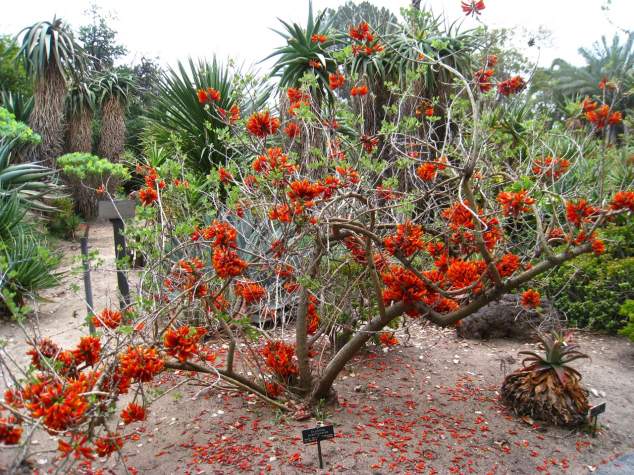
The Huntington's Desert Garden showcases plants adapted to dry conditions. The collection includes cacti, agaves, aloes, and other succulents that store water in their leaves, stems, or roots. Their unusual shapes demonstrate the many ways plants survive heat and limited rainfall.
Rather than dense green vegetation, this garden features open spaces, rocks, and plants with striking silhouettes. The collection allows visitors to compare species from different arid regions and see how similar climates can lead unrelated plants to develop comparable adaptations.
The Desert Garden is particularly appealing to cactus enthusiasts and people interested in unusual botanical forms. Visitors should remain on the paths and follow garden rules: some species have sharp spines, and touching collection specimens can damage them.
Rose Garden
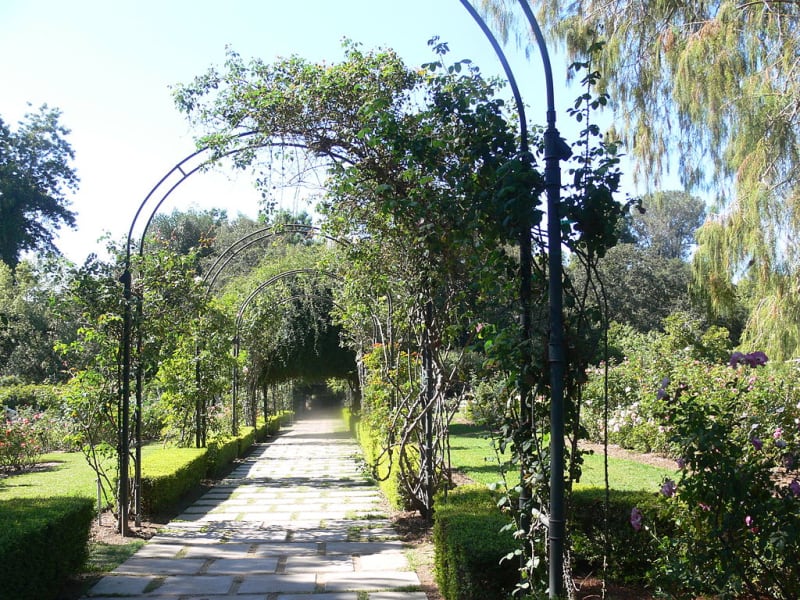
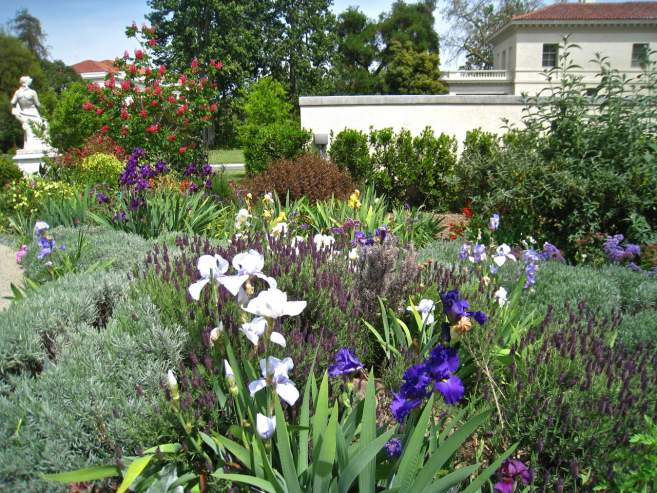
The Rose Garden is one of the most colourful areas of The Huntington. It contains thousands of rose plants representing many cultivated varieties. The collection allows visitors to compare flower shapes, colours, fragrances, and growth habits.
Blooming times depend on the weather, maintenance, and the varieties being grown. Roses begin to flower in spring, and favourable conditions can extend the season into other months. Visitors planning a trip specifically to see roses should check the garden's seasonal recommendations in advance.
The Rose Garden appeals to photographers as well as plant enthusiasts. Its paths, flower displays, and carefully arranged beds offer a range of photographic backgrounds. The experience changes with the season: peak flowering creates a particularly colourful display, while other periods reveal the structure of the plantings and the characteristics of individual varieties.
Camellias, orchids, and other botanical collections
The Huntington is known for collections of plants that require specialised care and growing conditions. These include camellias, orchids, cycads, and other rare or unusual species. Such collections are valuable not only to visitors but also to specialists studying plants, conservation, and propagation.
Orchids attract attention with their variety of forms and colours, while camellias are known for their striking flowers and dense foliage. Cycads belong to an ancient group of seed plants that can resemble palms but are botanically distinct. These collections help illustrate the diversity of plant evolution and adaptation.
The composition of collections and access to individual displays may change according to the season and operating conditions. Some plants are maintained in specialised spaces where temperature and humidity can be controlled.
Gardens inspired by literature and history
Alongside gardens organised around particular climates or plant groups, The Huntington includes spaces connected with literature and history. The Shakespeare Garden, for example, features plants mentioned in the English playwright's plays and sonnets, as well as species cultivated in England during his lifetime.
These themed spaces demonstrate that plants have cultural as well as botanical significance. They appear in literature, symbolism, traditional medicine, decorative arts, and everyday life across different societies. Visiting the complex therefore offers a way to explore not only nature but also the history of human relationships with plants.
Science, research, and plant conservation
The Huntington Botanical Gardens are closely connected with the institution's scientific and educational work. Living collections support research, teaching, the preservation of rare species, and the study of plant characteristics. The complex also houses a herbarium containing plant specimens used for research and identification.
These collections are increasingly important as natural habitats disappear and the climate changes. Maintaining plants in botanical gardens helps preserve species diversity, investigate propagation methods, and share knowledge with other research institutions. Some programmes focus on conserving genetic material and developing methods for long-term storage of plant samples.
Scientific work may be less visible to visitors than flower beds and architecture, but it helps sustain the collections and makes The Huntington an important centre for botanical research. Educational programmes, tours, and special events help visitors understand why plants and their conservation matter.
How to get to the Huntington Botanical Gardens
The complex is located at 1151 Oxford Road, San Marino, California 91108, USA, in a residential area east of Los Angeles. Visitors can arrive by car, taxi, or rideshare service. Planning the route in advance is recommended, especially for weekends and public holidays.
Free parking is available on the grounds, although spaces may fill up during busy periods. The official address and directions are provided on The Huntington website. Visitors using public transport should check current routes and transfers, as the most convenient journey depends on their starting point.
Opening hours and tickets
According to the official website, regular opening hours are 10 a.m. to 5 p.m., Wednesday through Monday; the complex is closed on Tuesdays. Advance reservations are required on weekends, holidays, and during peak periods. Ticket prices depend on the day of the week, visitor age, and current admission policies.
Some areas may close temporarily because of extreme heat, maintenance, or other circumstances. Certain conservatories and specialist garden areas have their own restrictions. Before visiting, check current opening hours, access to specific gardens, and ticket arrangements on the official website.
Visitor tips
It is best to set aside most of a day to explore The Huntington. The grounds are extensive, and the complex also includes art galleries, library collections, and temporary exhibitions. If plants are your main interest, choose a few themed gardens in advance and leave time for an unhurried walk.
Wear comfortable, closed-toe shoes. The paths vary in surface, and distances between collections can be considerable. In hot weather, bring water and a hat and take breaks in shaded areas. A visitor shuttle stops at several locations around the grounds and can reduce the amount of walking required.
Do not pick plants or cross barriers designed to protect the collections. Handheld cameras and phones are permitted for ordinary personal photography, but posed portrait sessions are subject to separate rules and may require advance permission. Drones and selfie sticks are not allowed.
Why visit the Huntington Botanical Gardens
The Huntington Botanical Gardens are one of the most diverse places to explore the plant life of Southern California. The complex combines themed gardens, rare plants, historic architecture, and cultural spaces, allowing visitors to experience very different landscape styles in a single visit.
The gardens appeal to people interested in botany, horticulture, photography, history, and art. They offer something in every season, although the experience depends on flowering periods and the availability of individual displays. A visit provides not only beautiful scenery but also a deeper understanding of plant diversity, scientific research, and natural heritage conservation.
Gallery