Kakadu National Park lies in Australia's Northern Territory, approximately 170 kilometres east of Darwin. One of the country's largest protected areas, it brings together tropical wetlands, river valleys, savanna woodlands, monsoon forests and ancient sandstone escarpments. Kakadu is renowned for its extraordinary wildlife as well as the cultural heritage of Australia's Aboriginal peoples.
A remarkable natural landscape
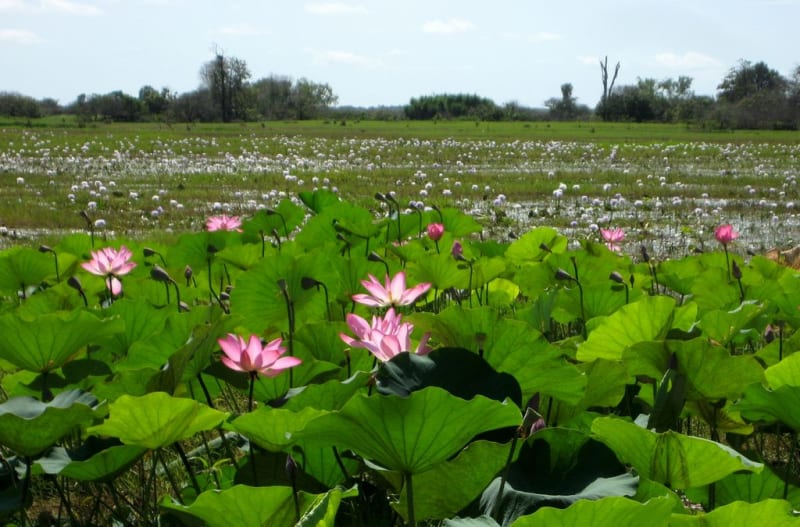
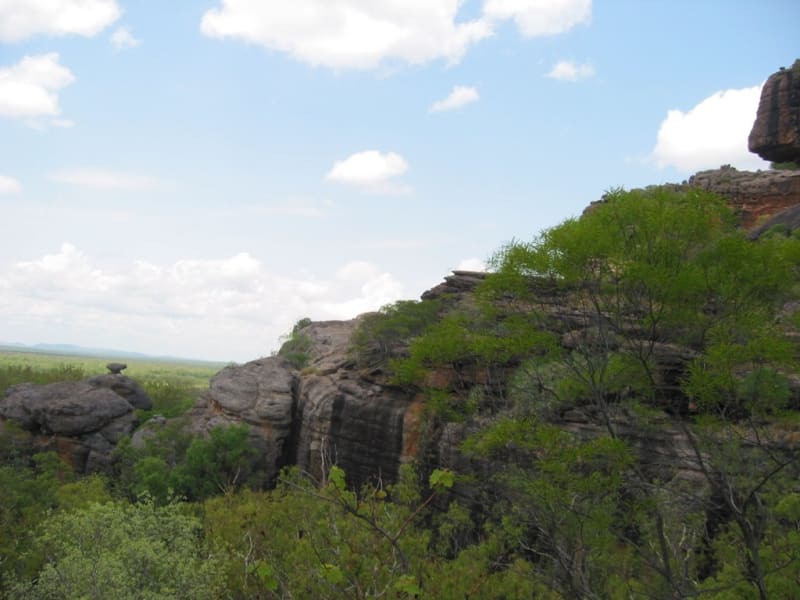
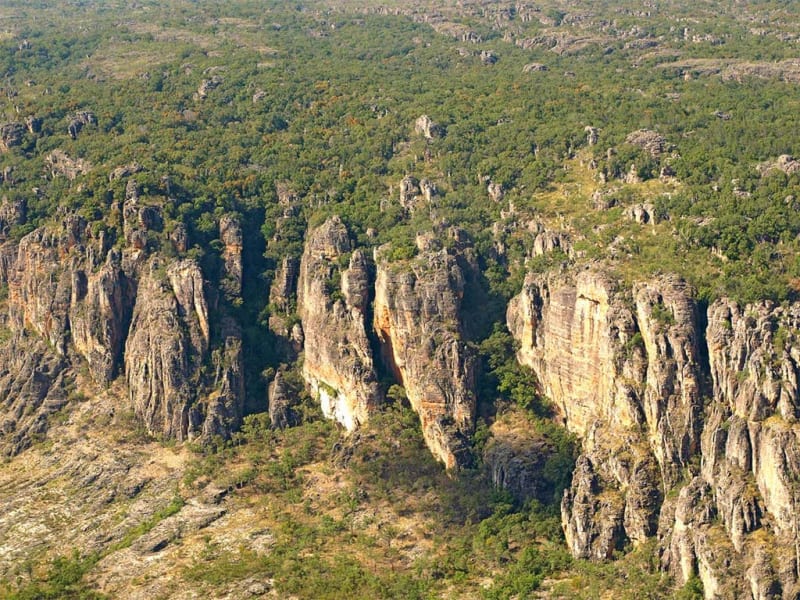
The park's scenery changes considerably from one region to another. Seasonal floodplains, mangroves, open woodlands, billabongs and sandstone cliffs form a diverse mosaic of habitats. During the tropical wet season, water spreads across low-lying areas and creates vast wetlands. In the dry season, the landscape becomes more open, and many animals gather around rivers and permanent waterholes.
Wildlife
Kakadu is one of Australia's outstanding destinations for observing wildlife. The park supports a rich variety of birds, reptiles, mammals and fish. Wetlands attract pelicans, herons, ibises and many other waterbirds. Both saltwater and freshwater crocodiles live in the region and are among its best-known animals. Visitors should observe crocodiles only from designated safe areas and follow all ranger instructions.
Ancient rock art
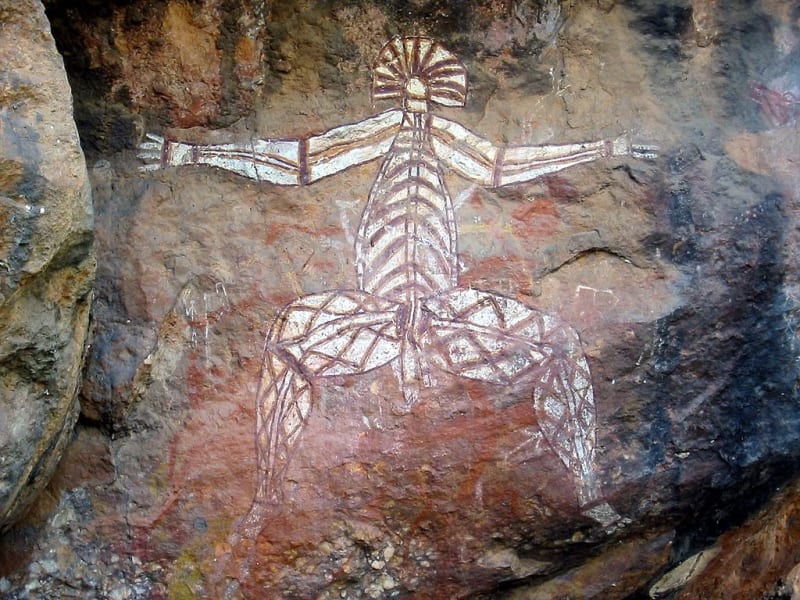
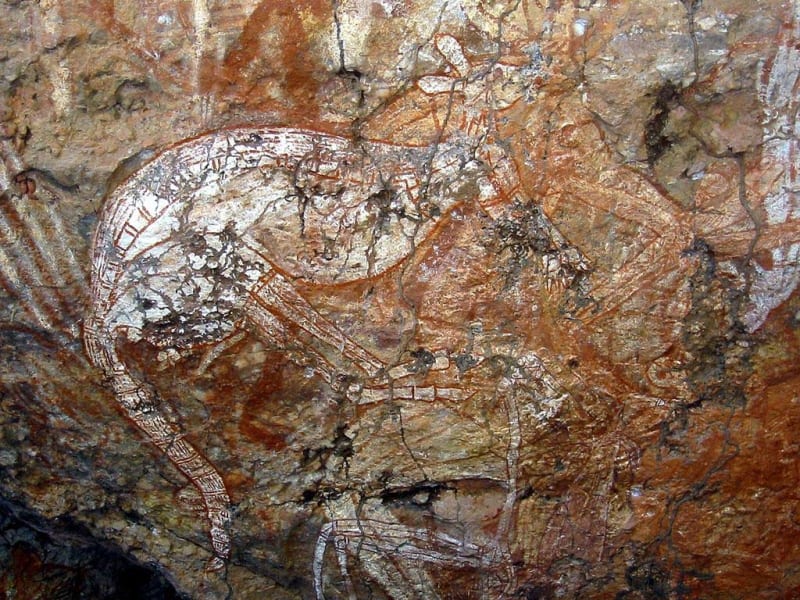
One of Kakadu's greatest cultural treasures is its Aboriginal rock art. Sites such as Ubirr and Burrungkuy, also known as Nourlangie, preserve paintings of people, animals and scenes from traditional life. Some artworks are thousands of years old. They record knowledge of the natural world, spiritual traditions and the enduring connection between local communities and Country. These places remain culturally significant to Traditional Owners and should be treated with respect.
Waterfalls and scenic trails
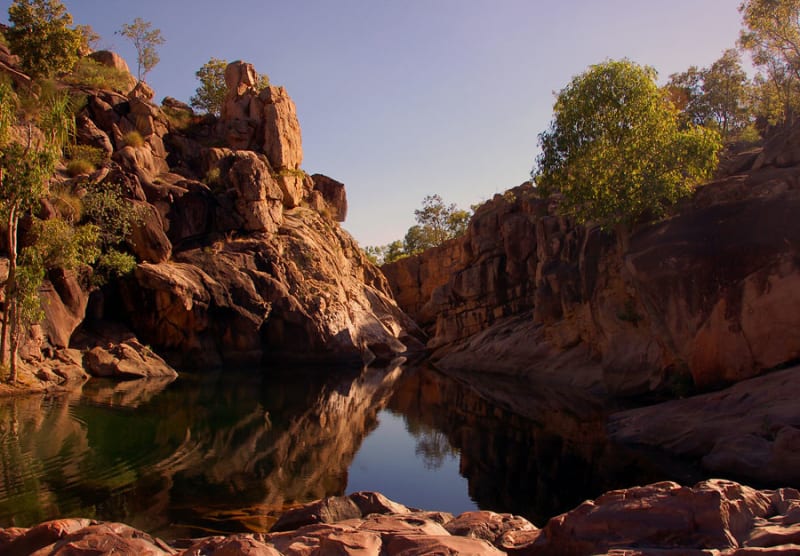
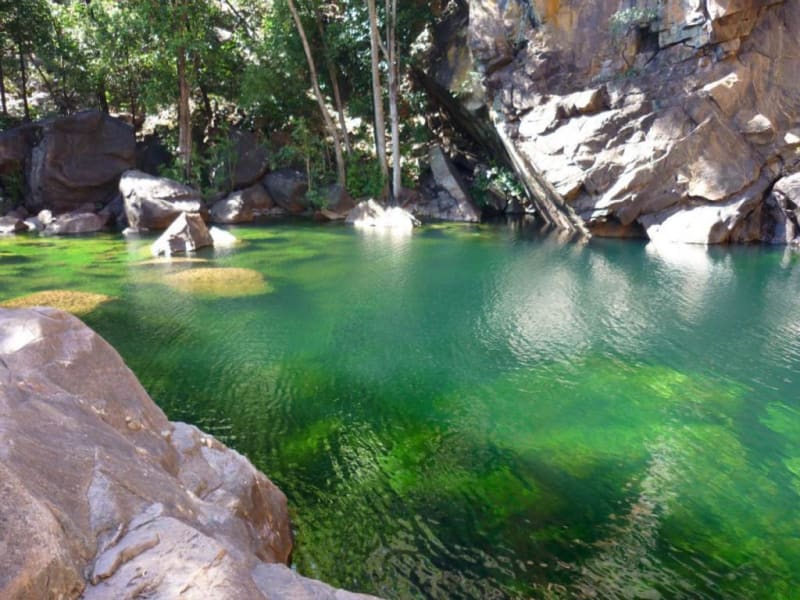
The park features waterfalls, deep gorges, natural plunge pools and panoramic lookouts. Well-known attractions include Jim Jim Falls, Twin Falls, the Yellow Water wetlands and the rocky viewpoints around Ubirr. Access to individual sites depends on the season, road conditions, water levels and current restrictions. Visitors should check official park updates before setting out.
Seasons and climate
Kakadu has distinct wet and dry seasons, each revealing a different side of the landscape. During the wet season, heavy tropical rainfall can cause rivers to rise and make roads and walking tracks inaccessible. Travel is generally easier during the dry season, although high temperatures and strong sunlight still require preparation. Conditions can vary across the park even at the same time of year.
Aboriginal heritage and UNESCO
Kakadu is listed as a UNESCO World Heritage site for its outstanding natural and cultural values. The region preserves evidence of Aboriginal occupation spanning tens of thousands of years, and Traditional Owners continue to play a central role in park management. Their knowledge of local ecosystems and cultural places is essential to protecting this remarkable living landscape.
Planning a visit
Allow several days to explore Kakadu properly. Many popular locations can be reached by conventional vehicle when road conditions permit, while some remote areas require a four-wheel-drive vehicle or a guided tour. Visitors need a park pass. Before travelling, check official information about road access, closures, cultural-site guidelines and crocodile safety. Respect restricted areas and follow instructions from park staff.
Gallery