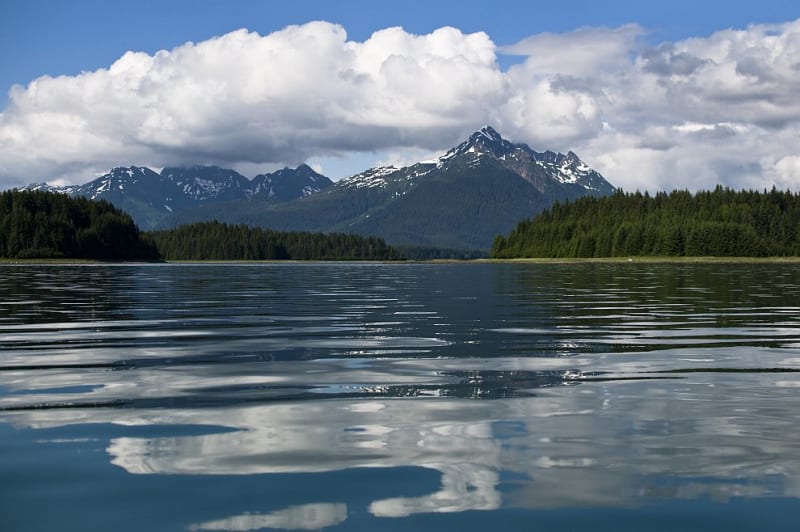
Glacier Bay National Park is located in southeastern Alaska, along the Pacific coast near the Canadian border. This vast protected area brings together glaciers, high mountains, deep marine inlets, islands, and temperate rainforests. It is one of North America's most remarkable glacial regions, offering opportunities to see immense bodies of ice descending from the mountains toward the sea. Its landscapes continue to change under the influence of climate, water, and glacial movement.
History of the National Park
Glacier Bay is the ancestral homeland of the Huna Tlingit people, who have maintained connections with this region for countless generations. Local communities preserve cultural traditions, knowledge of the natural world, and historical memories of landscape change. Travelers began describing the glacial bay in the late eighteenth century, and scientists later studied the movement and retreat of its glaciers. On February 26, 1925, the area was designated a U.S. national monument. On December 2, 1980, it became a national park and preserve. The region was designated a UNESCO Biosphere Reserve in 1986 and became part of a World Heritage Site in 1992.
The Glaciers of Glacier Bay
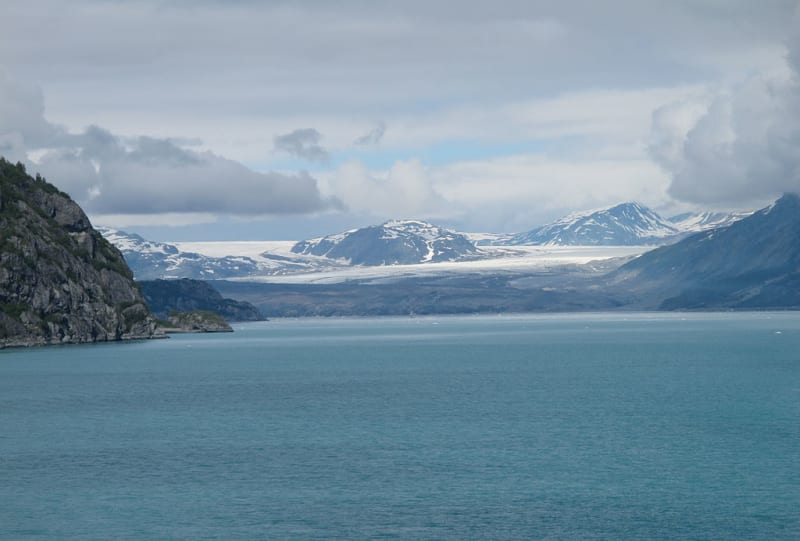
Glaciers are the park's defining natural feature. About 250 years ago, a single enormous glacier covered much of what is now the bay. Around the middle of the eighteenth century, it began to retreat, gradually exposing space for seawater and new ecosystems. Today, glaciers cover about 30 percent of the national park. More than a thousand glaciers have been recorded here, including dozens of named ice masses. Some reach the sea, where enormous blocks of ice break away from their fronts. This process, known as calving, can produce a powerful rumbling sound.
Margerie Glacier
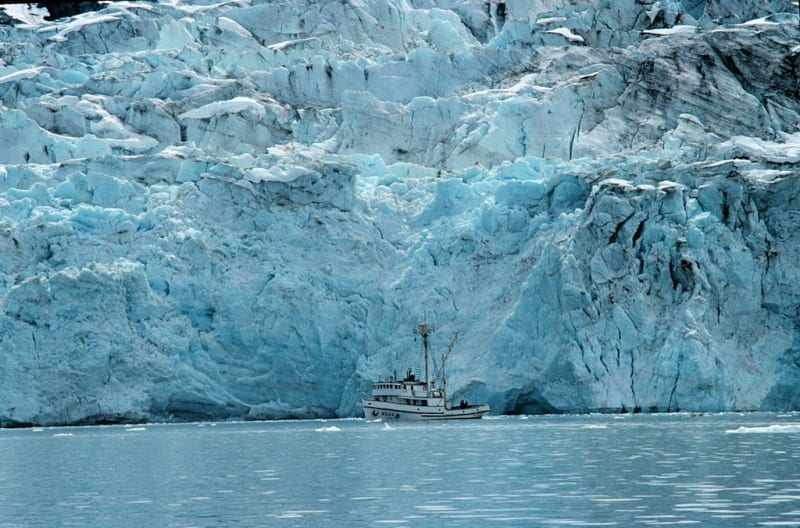
Margerie Glacier is one of Glacier Bay's best-known sights. It descends from the mountains toward the sea within a narrow inlet, forming an impressive wall of bluish ice. Its face rises about 60 meters above the water and measures approximately 1.4 kilometers across. Icebergs that have broken away from the glacier often float nearby. Visitors usually view Margerie from excursion vessels that approach at a safe distance. Large pieces of ice occasionally break from the glacier front, creating waves and a distinctive rumble traditionally associated with the phrase “white thunder.”
Johns Hopkins and Grand Pacific Glaciers
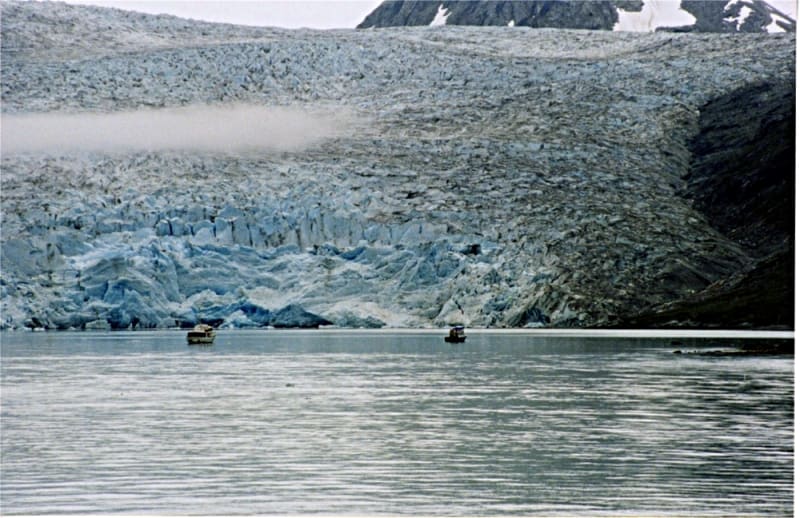
Johns Hopkins Glacier lies deep within one of the bay's arms and is known for its imposing ice front. At certain times it can advance, although its behavior depends on complex natural conditions. The surrounding area is particularly important for marine mammals, including seals that use floating ice as a place to rest and reproduce. Grand Pacific Glacier is among the region's largest glaciers and extends for many miles through mountain valleys. Together, these ice masses demonstrate the scale of the processes that continue to shape Alaska's terrain.
Mountains and Fjords
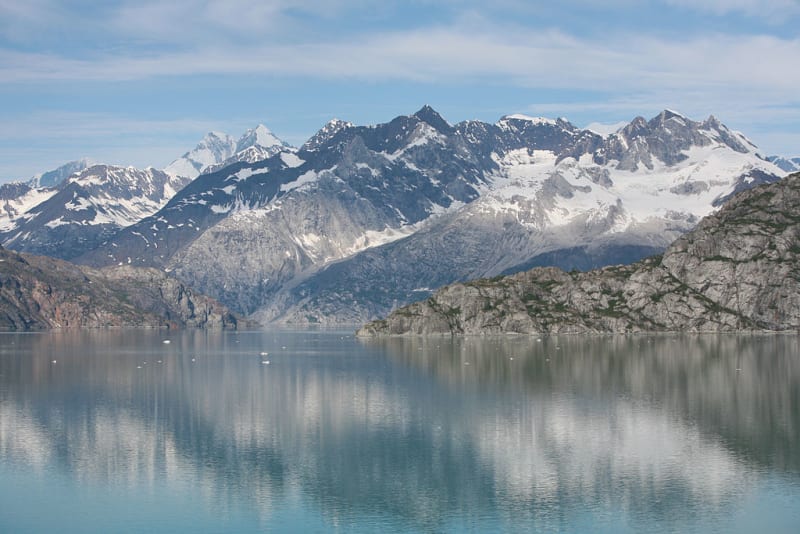
The park's scenery is defined not only by glaciers but also by high mountains, steep slopes, and deep fjords. Mountain ranges rise above the coast, with snow covering their upper slopes for much of the year. The highest peak in the park is Mount Fairweather, reaching approximately 4,663 meters above sea level. Glaciers carved deep valleys that filled with seawater after the ice retreated. The result is a network of narrow inlets bordered by sheer cliffs, waterfalls, and small patches of vegetation near the water's edge. Many of these places are accessible primarily by boat.
Wildlife and Plant Life
Glacier Bay supports a rich ecosystem that combines marine, coastal, forest, and alpine habitats. Humpback whales, orcas, sea otters, sea lions, and seals can be found in its waters. Brown and black bears, moose, mountain goats, and other mammals inhabit the coastline and forests. Visitors may also see bald eagles, seabirds, and numerous waterfowl species. After glaciers retreat, lichens, mosses, and small plants often establish themselves first; shrubs and forests develop later. This gradual process of ecological succession makes the park an important location for ecological research.
Boat Tours and Kayaking
Most visitors explore Glacier Bay from a cruise ship or tour boat. Marine routes offer views of glaciers, icebergs, towering cliffs, and waterfalls, and sometimes provide opportunities to spot whales and other marine animals. Sea kayaking offers a more independent way to explore the region. Paddlers can investigate sheltered coastal areas, watch birds, and land on remote shores. However, weather can change rapidly, the water remains extremely cold even in summer, and tides and floating ice create additional hazards. Multi-day trips therefore require careful preparation and experience.
Climate and the Best Time to Visit
Glacier Bay has a cool, wet climate typical of the temperate coastal rainforest of southeastern Alaska. Precipitation is frequent, and fog can conceal mountain peaks and glaciers. Summer is the most popular visiting season, when many tour routes operate and marine travel conditions are generally more favorable. Summer temperatures often range from about 10 to 16 degrees Celsius. Even during warmer months, visitors should bring waterproof clothing, insulating layers, and footwear suited to wet conditions. In winter, access becomes more difficult and daylight hours are shorter.
How to Reach the Park
Glacier Bay lies in a remote part of Alaska and cannot be reached from major cities by ordinary road travel. The main access points are the small community of Gustavus and the Bartlett Cove area. Gustavus has air connections, and during summer it is also served by Alaska Marine Highway ferries from Juneau. A road connects the community with the park headquarters and visitor facilities at Bartlett Cove. Many visitors arrive on cruise ships and experience the glacial bay from the water.
Climate Change and Scientific Research
Glacier Bay is especially valuable to scientists because the retreat of glaciers and the gradual recovery of ecosystems are clearly visible here. As ice withdraws, soils, vegetation, and wildlife habitats change. Glacier monitoring helps researchers study how temperature, precipitation, and ice movement affect the environment. Most glaciers in the region have thinned or retreated over recent decades, although individual glaciers can behave differently. These changes make the park a natural laboratory for investigating climate processes.
Nature Conservation
Glacier Bay National Park protects vast glacial landscapes, coastal forests, and habitats for marine wildlife. Vessel traffic and access to certain areas are regulated to help protect the ecosystem. Visitors should follow park staff guidance, keep a safe distance from glaciers and animals, take all rubbish away, and avoid disturbing wildlife. Respect for the cultural heritage of the Tlingit people is also an important part of protecting this region. Glacier Bay demonstrates how closely glaciers, the sea, mountains, and living organisms are connected in a constantly changing natural world.
Gallery