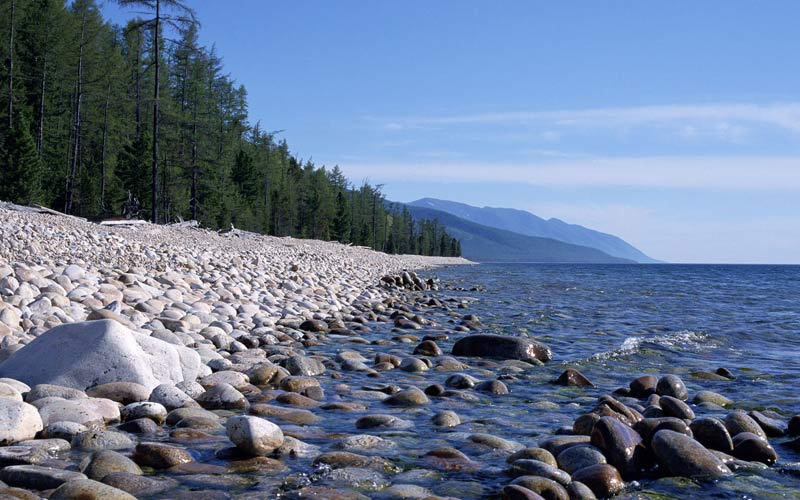
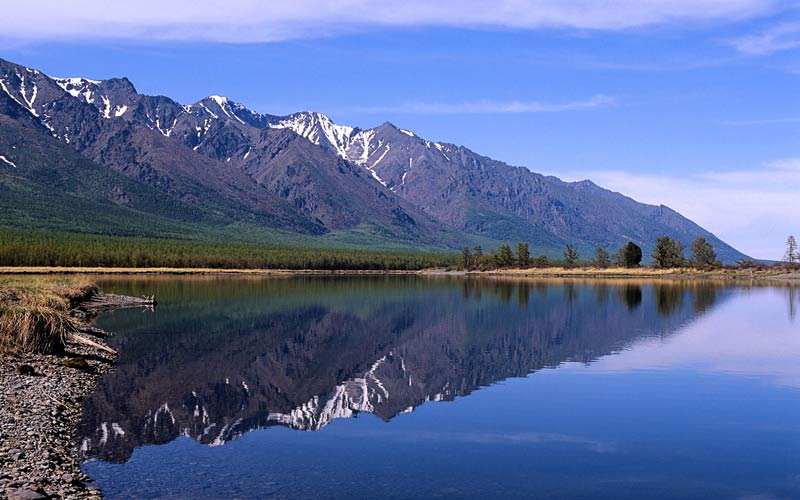
Lake Baikal is a vast freshwater lake in southern Eastern Siberia and one of the most remarkable natural places in Russia and the world. It is famous for its extraordinary depth, clear water, ancient geological history and exceptional biodiversity. Often called the Pearl of Siberia and the Galápagos of Russia, Baikal is home to many species found nowhere else on Earth.
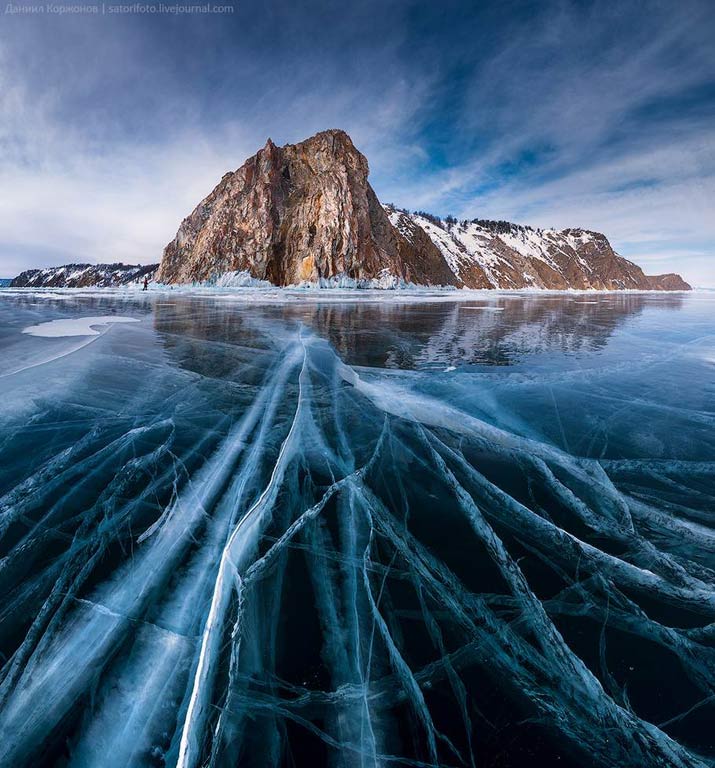
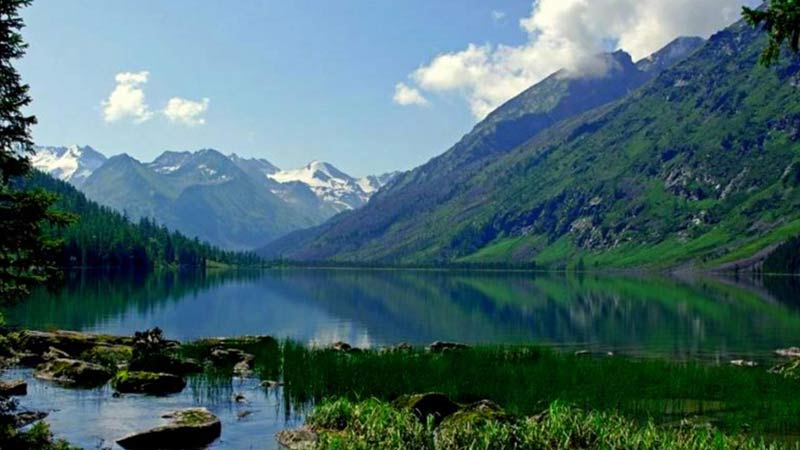
The lake lies between Irkutsk Oblast and the Republic of Buryatia. Its shores feature mountain ranges, coniferous forests, rocky headlands, sandy beaches, bays and small settlements. In summer, blue water contrasts with green slopes; autumn brings golden colours, while winter transforms the lake into an immense icy landscape of transparent ridges, cracks and trapped air bubbles.
Size and depth
Baikal is the deepest lake in the world. Its maximum depth is about 1,642 metres, while its average depth is approximately 744 metres. The lake is around 636 kilometres long and between roughly 24 and 79 kilometres wide. Its surface area is about 31,722 square kilometres, and its shoreline extends for approximately 2,100 kilometres.
The lake contains about 23,600 cubic kilometres of water, representing roughly one-fifth of the world's unfrozen freshwater stored in lakes. This enormous natural reservoir is important far beyond Siberia and makes Baikal a major subject of scientific research.
How the lake formed
Baikal lies within the Baikal Rift Zone, where the Earth's crust is slowly stretching and blocks of land are sinking. The basin began forming tens of millions of years ago, and the lake is often estimated to be around 25–30 million years old. It is therefore one of the oldest lakes on the planet.
Geological activity continues today. Earthquakes occur in the region, and tectonic processes have shaped the lake's underwater terrain. Its great depth and long isolation helped create a freshwater ecosystem of exceptional scientific importance.
Clear water and its characteristics
Under favourable conditions, visibility in Baikal can reach approximately 30–40 metres. The clarity is associated with the water's low mineral content and the activity of microscopic organisms, including the endemic crustacean Epischura, which helps process organic particles. The water remains cold even in summer, particularly at greater depths.
Hundreds of rivers and streams flow into the lake. The largest is the Selenga, which carries water from Mongolia and Russia. The Angara is the only river flowing out of Baikal.
Baikal in winter
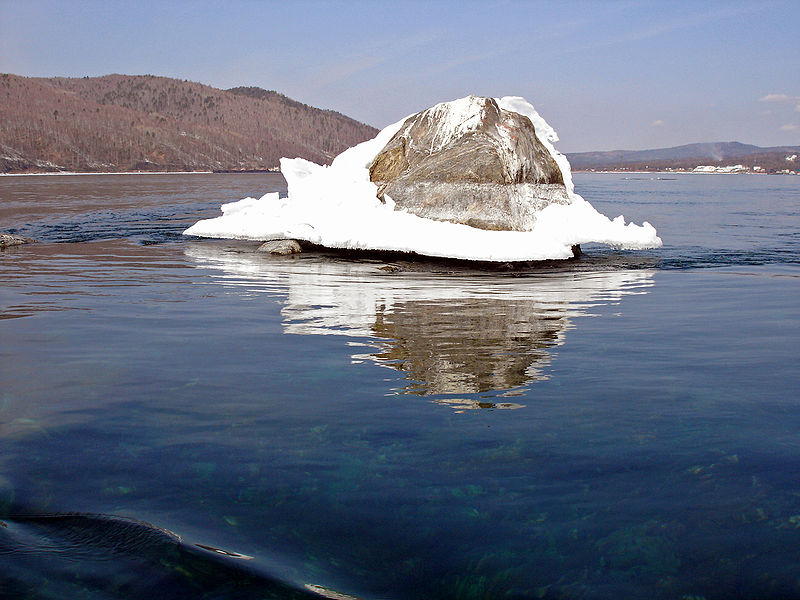
The lake usually freezes during winter, with the ice often strongest in late January and February. In clear areas, stones and dark water can be seen beneath the surface. Cracks, pressure ridges, ice caves and grottoes form along the lake, while bubbles trapped beneath the transparent ice create striking patterns.
Some of the most impressive ice scenery can be found near Olkhon Island and the Small Sea. However, ice conditions vary considerably, and currents, cracks and thin areas can be dangerous. Never venture onto the ice without checking local conditions and official safety guidance.
Unique wildlife
Baikal is famous for its endemic species, which occur nowhere else in the world. Its best-known animal is the Baikal seal, the only seal species that lives permanently in freshwater. The lake also supports omul, grayling, golomyanka fish, endemic crustaceans, sponges and many other invertebrates.
Brown bears, sables, moose, roe deer, foxes and numerous bird species inhabit the surrounding forests and shores. Coniferous forests, mountain meadows, rocky slopes and steppe landscapes create a rich variety of habitats.
Olkhon Island
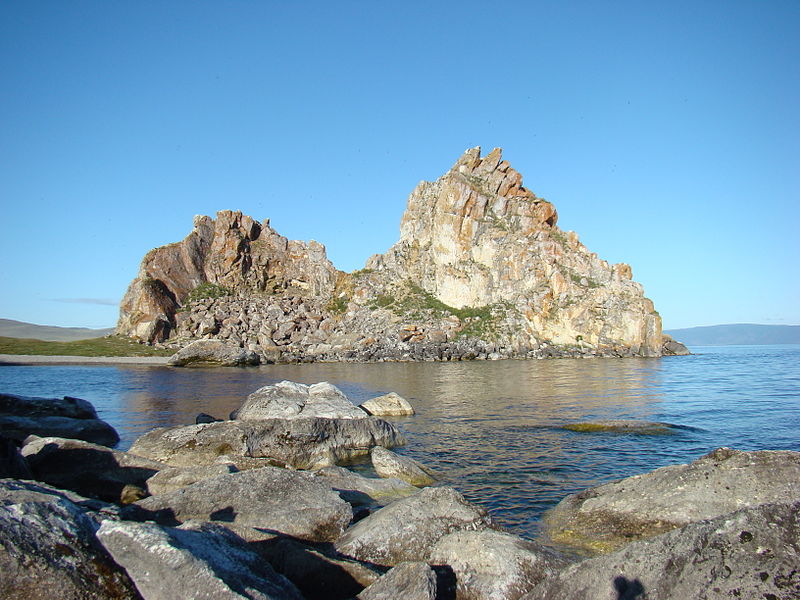
Olkhon is the largest island in Lake Baikal and one of the region's best-known destinations. Its landscapes combine open steppe, pine forests, rocky shores and sandy bays. Cape Burkhan, also known as Shaman Rock, is one of Baikal's most recognisable natural landmarks and has spiritual significance in Buryat traditions.
Cape Sagan-Khushun is known for its white marble cliffs, while Cape Khoboy at the northern end of the island offers sweeping lake views. Khuzhir is the main settlement for visitors, with guesthouses, cafés and tour services. Summer activities include hiking, organised excursions and boat trips.
The Small Sea and Chivyrkuisky Bay
The Small Sea lies between Olkhon Island and the mainland. It has numerous bays, rocky headlands and scenic viewpoints. Chivyrkuisky Bay is on Baikal's eastern shore within Zabaykalsky National Park. It is known for its islands, sheltered coves and beautiful landscapes. Hot springs can be found near Zmeinaya Bay.
Listvyanka and the Angara River
Listvyanka is one of the most accessible tourist settlements on Baikal, located near Irkutsk at the source of the Angara River. Visitors come for lake views, waterfront walks and boat trips. The Baikal Museum nearby introduces the lake's geology, deep-water environment, fish and Baikal seals.
The Circum-Baikal Railway
The Circum-Baikal Railway runs along the southern shore and is known for its tunnels, bridges, galleries and stone retaining walls. It formed part of the Trans-Siberian Railway and remains an important monument to the region's engineering history. Selected sections can be explored on organised excursions.
Hiking and outdoor activities
The Great Baikal Trail is a network of walking routes developed to help visitors explore the lake's shores. Depending on the section, hikers can pass through forests, hillside paths and coastal terraces. Summer activities include hiking, kayaking, boat trips, permitted fishing and birdwatching. Diving is possible in some areas but requires appropriate training because the water is cold and conditions can change quickly.
In winter, visitors come to photograph ice formations and explore authorised routes. Access, trail conditions and transport options vary with the season, so it is important to check current local guidance before setting out.
Climate and the best time to visit
Baikal has a strongly continental climate, although the lake moderates conditions along parts of the shore. Summers can be cool, while winters bring severe frost and strong winds. Weather may differ significantly between opposite shores and neighbouring bays.
June to August is suitable for hiking, boat trips and lakeside recreation. September offers autumn colours and a quieter atmosphere. Ice trips are usually planned from late January to March, depending on temperatures and ice conditions. Spring ice can be particularly unpredictable.
Culture and legends
Buryat and Russian communities live around Baikal. Buryat culture is closely connected with the natural environment, Buddhist traditions and local spiritual beliefs. Olkhon Island and Shaman Rock have particular cultural importance, and visitors should respect local customs and sacred places.
One famous legend portrays Baikal as a stern father and the Angara as his daughter, who longs to reach the Yenisei River. Such stories reflect local understandings of the power of nature and the cultural importance of the lake and its rivers.
Environmental protection
Baikal's ecosystem is vulnerable to pollution, insufficient wastewater treatment, litter, wildfires, excessive tourism and climate change. Warming water and changes in ice conditions may affect ecological processes. Protected areas, including Pribaikalsky and Zabaykalsky National Parks and Barguzinsky Nature Reserve, play an important role in conservation.
Lake Baikal was added to the UNESCO World Heritage List in 1996 because of its geological history, outstanding landscapes and biodiversity. Visitors can help protect it by taking rubbish away, avoiding disturbance to wildlife, using designated campsites and following the rules of protected areas.
How to reach Lake Baikal
Irkutsk and Ulan-Ude are the main starting points for trips. Irkutsk provides access to Listvyanka, Olkhon Island and the western shore, while Ulan-Ude is convenient for the eastern shore, Ust-Barguzin and Chivyrkuisky Bay. Distances are considerable, and road conditions, ferries and seasonal restrictions can affect travel times, so itineraries should be planned in advance.
Why visit Lake Baikal
Baikal combines ancient geology, a rare freshwater ecosystem, dramatic Siberian scenery and the cultural heritage of the communities living along its shores. Visitors can see transparent winter ice, explore mountain trails, discover historic railway engineering and experience a very different landscape in every season. It is both a remarkable travel destination and a natural treasure that depends on responsible protection.
Gallery