Salinas Grandes is one of Argentina’s most striking salt flats, located on the high-altitude Puna plateau in the country’s northwest. The immense white plain lies mainly in Jujuy Province, not far from Salta Province. Its salt-covered surface stretches toward the horizon, contrasting with the blue sky and the Andes. The area sits at roughly 3,450 metres above sea level.
Geography and landscape
The salt flat lies in the arid Puna region, where high plateaus, volcanic mountains and broad plains create distinctive Andean scenery. Its white surface consists of mineral salts left behind as water evaporated. Published area estimates vary depending on which sections of the salt system are included.
The climate is dry, sunlight is intense and temperatures can vary greatly between day and night. Even under bright sunshine, high-altitude conditions can feel cold, especially in the wind. The pale surface reflects sunlight, making UV-protective sunglasses and sunscreen essential.
How the salt flat formed
Salinas Grandes developed through long geological processes. Millions of years ago, bodies of salty water occupied this basin. As the water evaporated, dissolved minerals settled on the ground. Repeated evaporation gradually created extensive salt deposits.
Today, visitors can see a white salt crust, areas with different surface textures and constructed pools used in salt extraction. After rainfall, a thin layer of water may collect in some places, turning the flat into a natural mirror that reflects the sky and surrounding mountains.
Salt extraction and local crafts
Salinas Grandes is both a natural attraction and a place where salt is traditionally extracted. Workers collect the mineral in designated areas and pools, making salt production part of the local economy. Near visitor stops, local artisans sell small objects and souvenirs made from salt. Visitors should follow workers’ instructions and avoid entering areas reserved for production.
The road over Cuesta de Lipán
The drive to the salt flat is one of the most scenic parts of the journey. From Purmamarca, travellers follow National Route 52 and climb the winding mountain road of Cuesta de Lipán. Some sections reach about 4,170 metres above sea level. Check road conditions, weather and fuel before setting off, as the route passes through remote highland terrain.
Purmamarca and the surrounding region
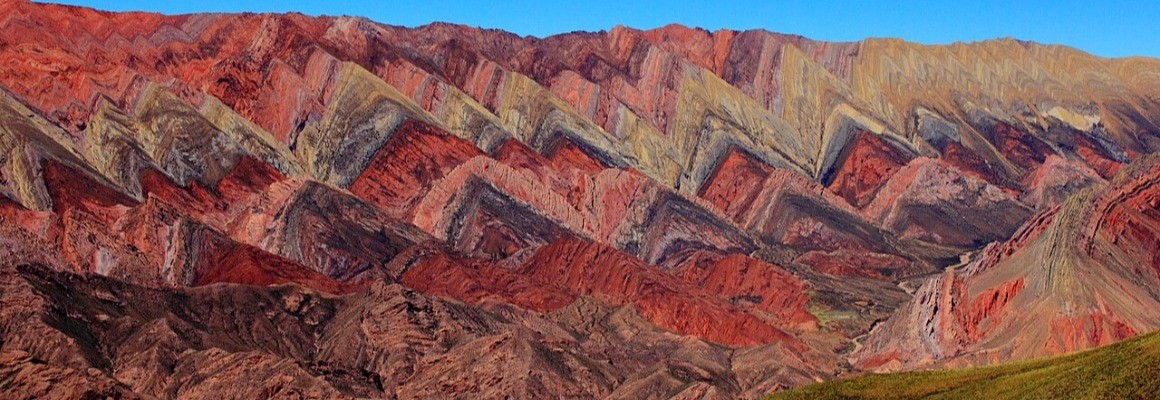
Purmamarca is a convenient base for visiting Salinas Grandes. This small settlement is known for traditional architecture, craft markets and colourful mountain slopes. The trip can be combined with a visit to Quebrada de Humahuaca and Cerro de los Siete Colores, offering a broader introduction to the landscapes and culture of the Andes.
When to visit
The salt flat can be visited throughout the year. The dry season, usually from April to November, is often more convenient for walking because the surface is firmer and conditions are more stable. During the rainy season, rainfall can affect roads and access to certain areas. Mirror-like reflections depend on the amount of water present and cannot be guaranteed.
Getting there and exploring the salt flat
Salinas Grandes is about 65-66 kilometres from Purmamarca along Route 52 and roughly 130 kilometres from San Salvador de Jujuy. Visitors can drive or join an organised excursion. Local guides are recommended for routes inside the salt flat. Do not drive onto the salt surface outside authorised tracks, as the crust is fragile and some areas are used for work.
What to bring
Bring sunscreen, UV-protective sunglasses, a hat, warm layers, drinking water and comfortable footwear. At around 3,450 metres, some visitors may experience altitude-related symptoms. Move slowly and pay attention to how you feel. If you develop a severe headache, nausea or pronounced dizziness, stop the walk and seek assistance.
Why visit Salinas Grandes
Salinas Grandes reveals the extraordinary landscapes of Argentina’s Puna, where a vast white salt plain meets the high Andes. Visitors can learn about salt extraction, photograph the endless horizon and travel along a dramatic mountain road. The trip requires preparation for altitude and strong sunlight, but rewards travellers with one of Argentina’s most unusual landscapes.
Gallery