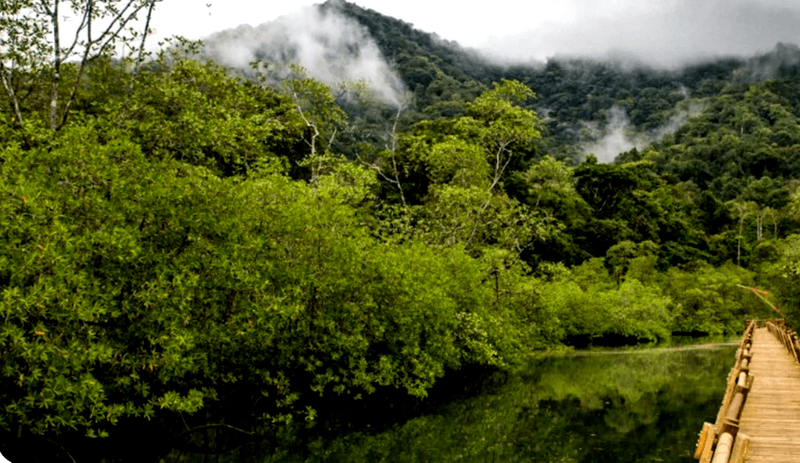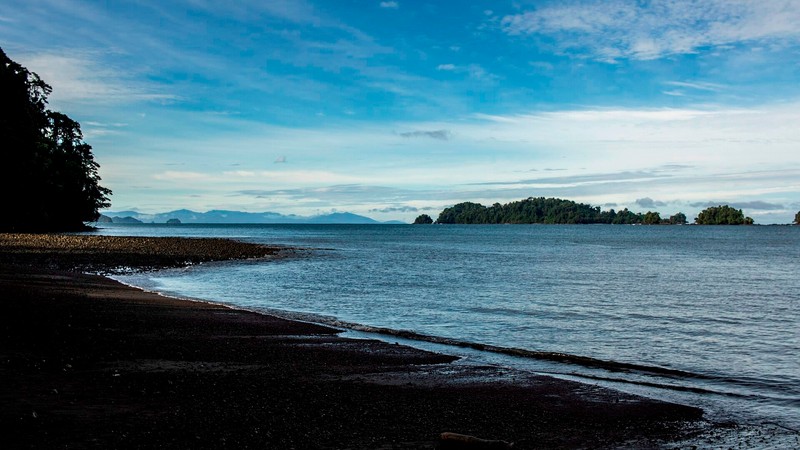

Utría National Park is a protected natural area on Colombia’s Pacific coast, where dense tropical rainforest meets the ocean and mangroves surround the calm waters of a scenic inlet. The park is known for its marine and terrestrial biodiversity, coral formations, secluded beaches, and seasonal migrations of humpback whales.
Location and history
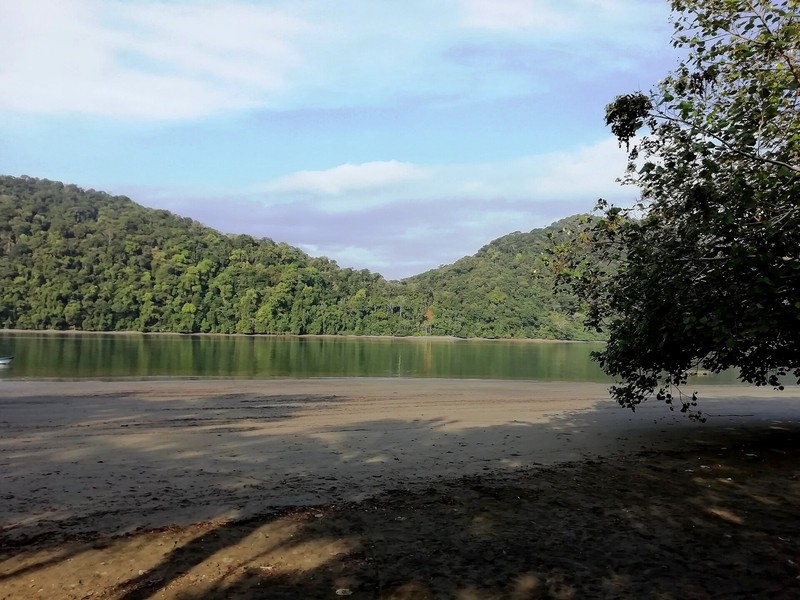
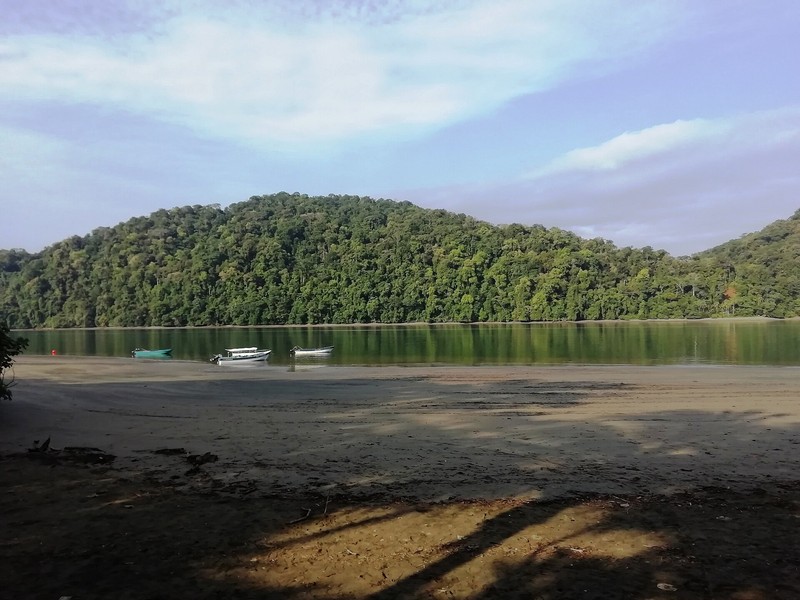
The park lies in the Department of Chocó on Colombia’s northern Pacific coast. It covers parts of the municipalities of Bahía Solano, Nuquí, Bojayá, and Alto Baudó. Its best-known natural feature is Utría Cove, a marine inlet surrounded by forested slopes of the Serranía del Baudó range.
Utría National Park was established on October 19, 1987. It covers approximately 64,328 hectares of marine and terrestrial habitats. The protected area preserves coastal ecosystems, tropical forests, and habitats for many animal species.
Nature and ecosystems
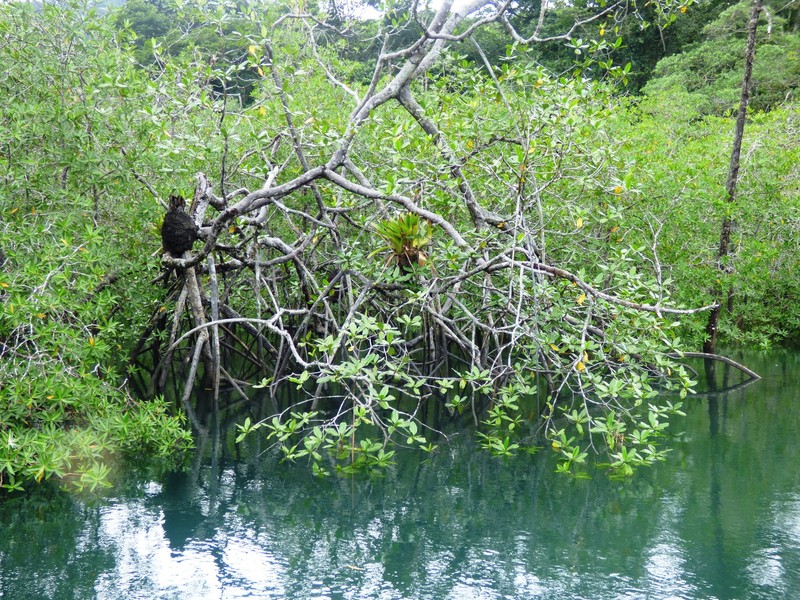
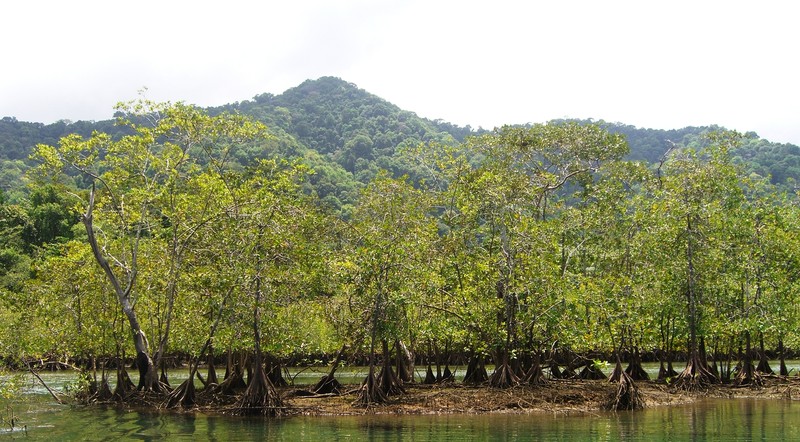
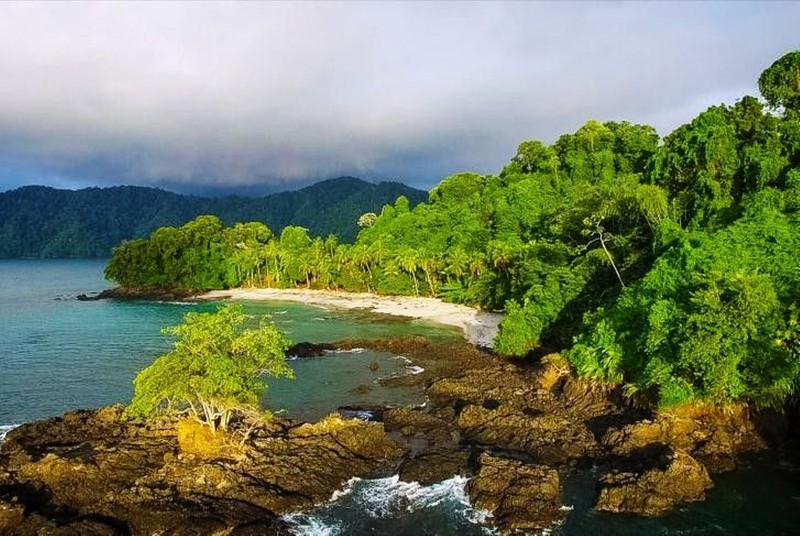
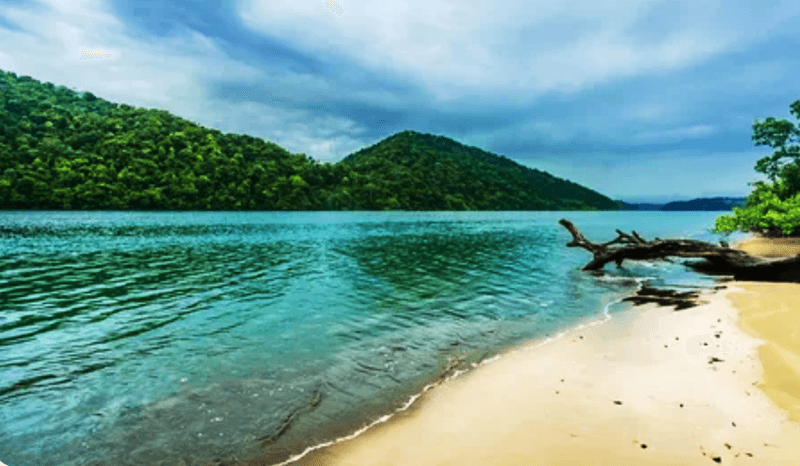
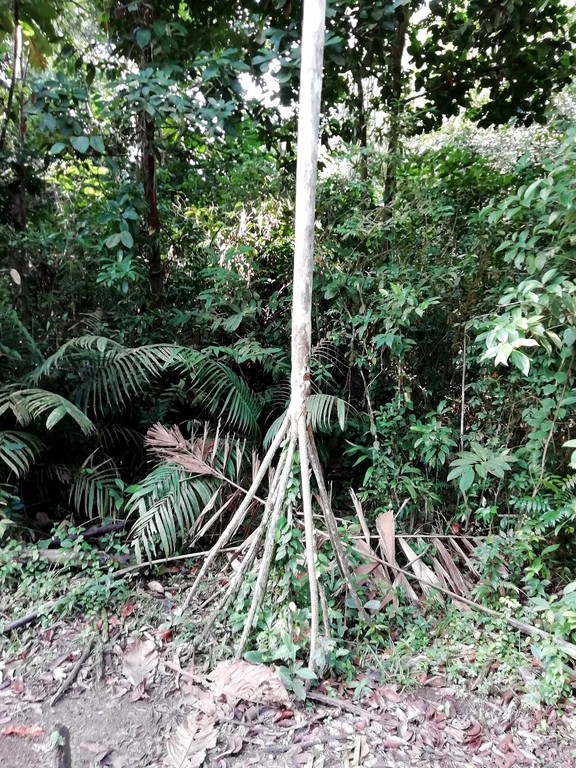
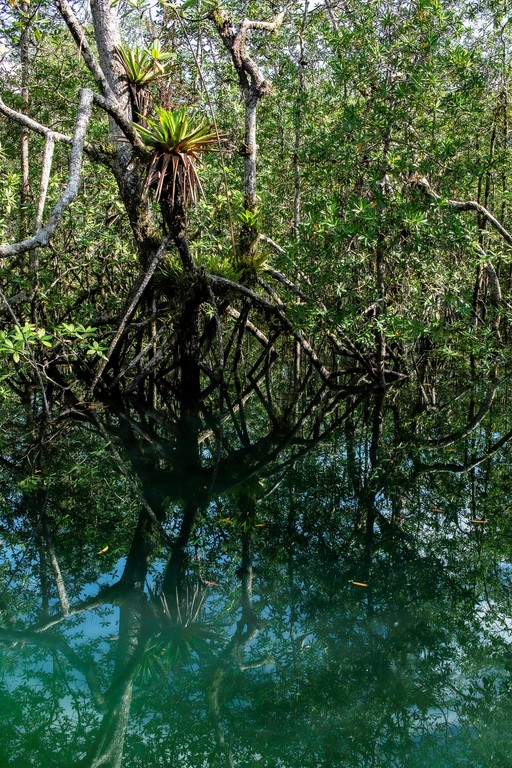
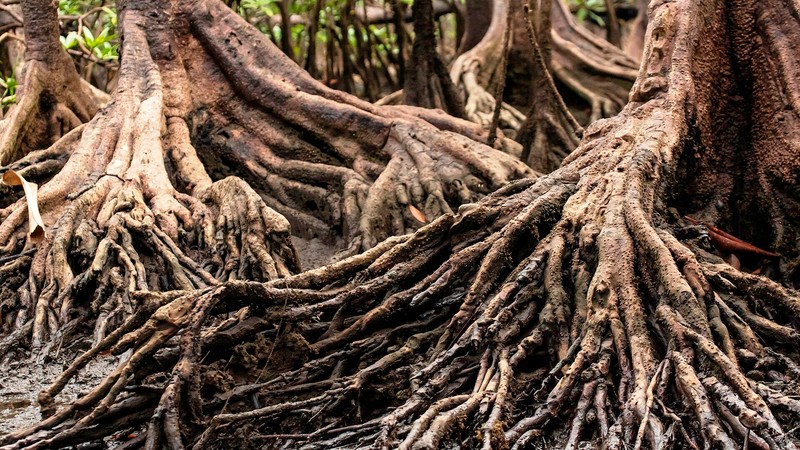
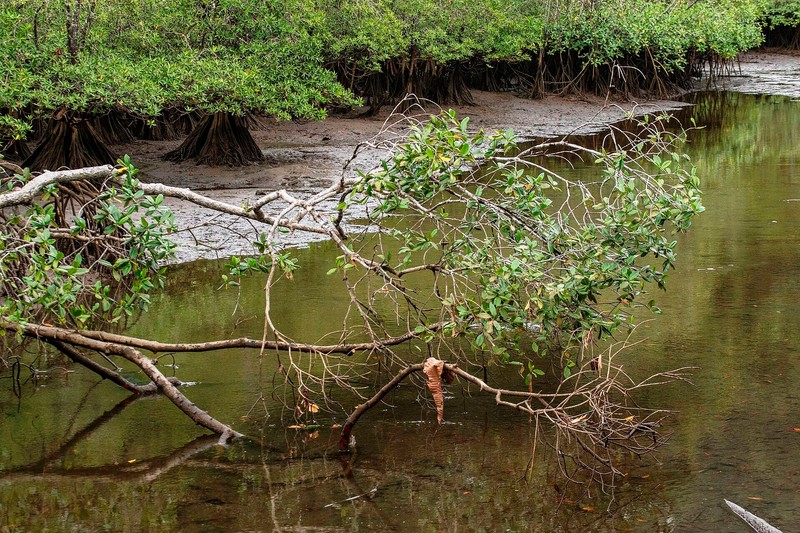
Utría brings together several rich environments: humid tropical rainforest, mangroves, river estuaries, sandy beaches, rocky shores, and coral formations. The forest covers mountain slopes and reaches almost to the sea. Mangroves help protect the coastline and provide shelter and nursery grounds for young fish and crustaceans.
The marine part of the park includes coral communities and rocky areas inhabited by fish, mollusks, crustaceans, and other invertebrates. This variety of habitats makes Utría an excellent place to learn about tropical Pacific ecosystems.
Humpback whales and marine wildlife
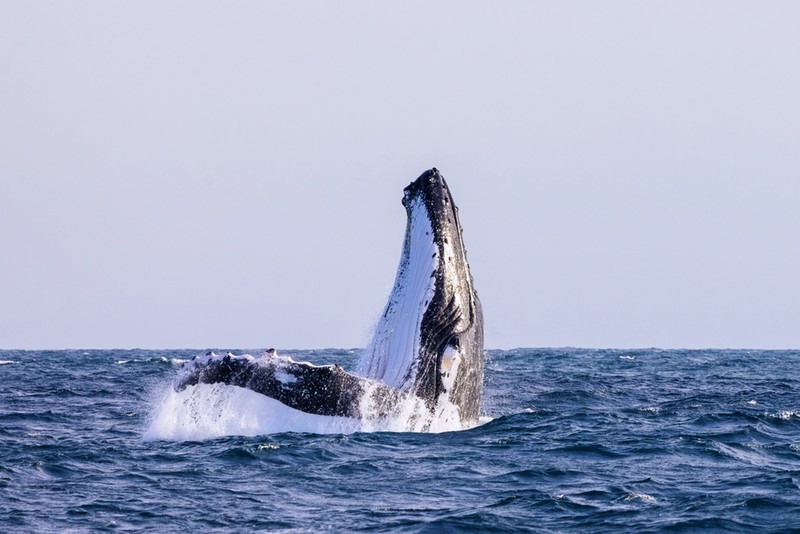
One of the main reasons to visit the park is the opportunity to watch humpback whales. Each year, these marine mammals migrate from the cold waters of the Southern Hemisphere to Colombia’s Pacific coast. The calm waters of Utría Cove provide important breeding and early-development habitat for calves.
Whale-watching season generally runs from late June or July through October, sometimes extending into early November. August and September are often particularly promising months. Sea turtles and many fish species also inhabit the coastal waters. During excursions, visitors should keep a respectful distance from wildlife and follow the instructions of authorized guides.
Birds and land animals
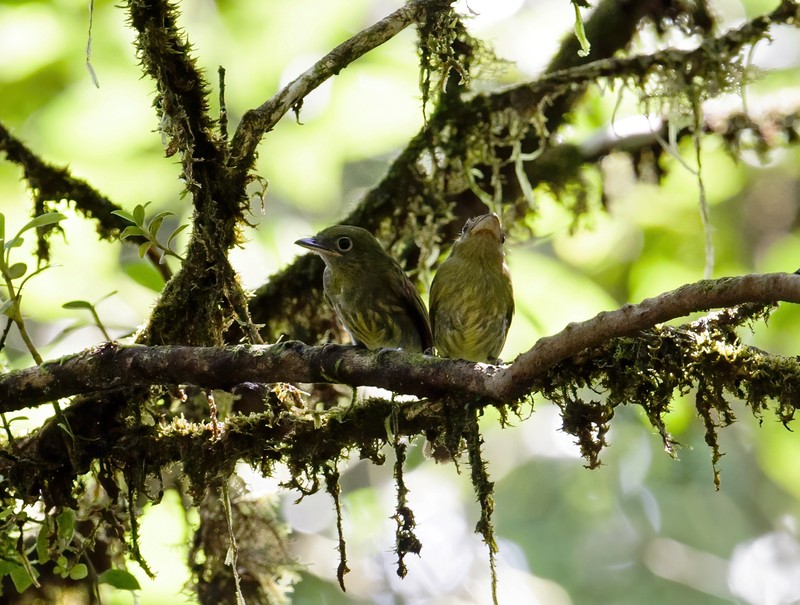
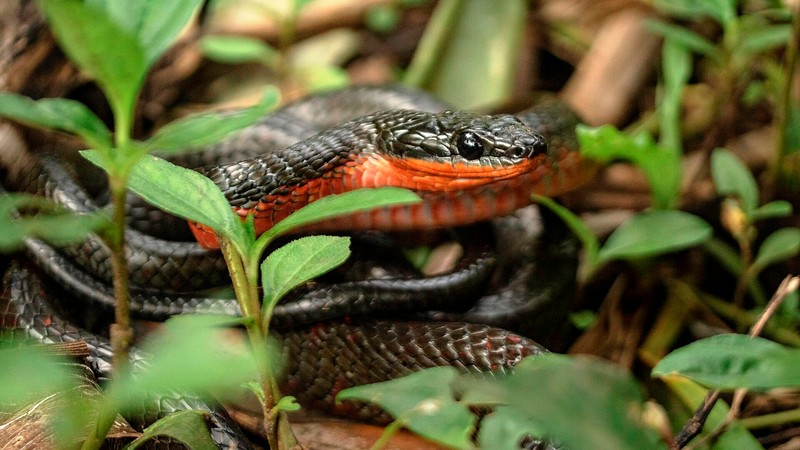
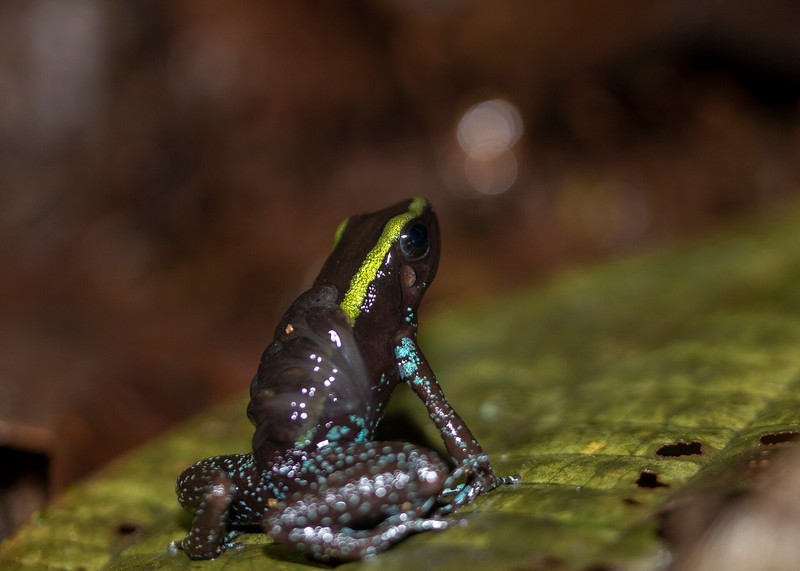
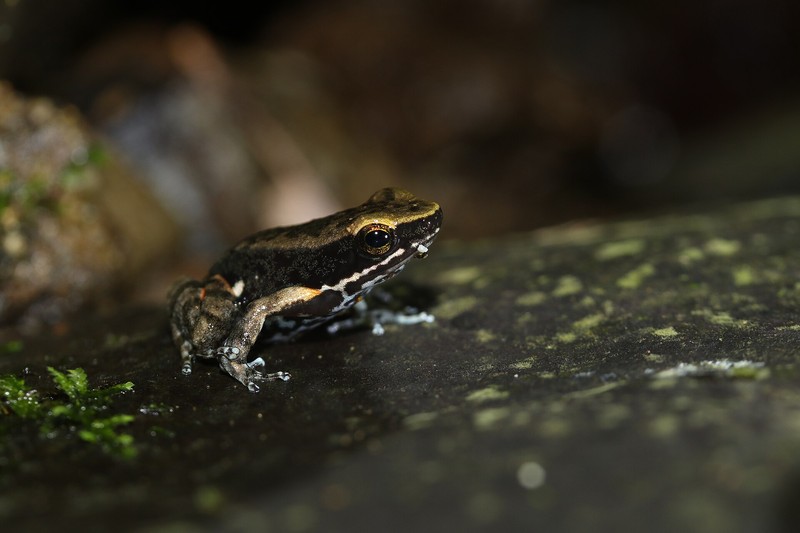
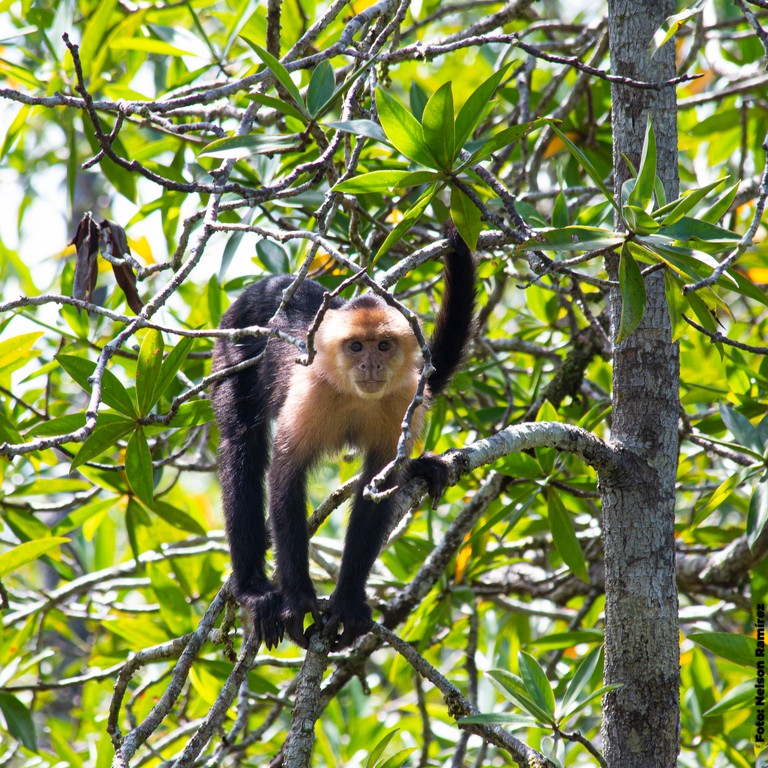
The park supports a wide variety of birds found in rainforest, coastal, and mangrove habitats. Visitors may look for toucans, parrots, birds of prey, kingfishers, and shorebirds, although sightings depend on the season and conditions. Mammals in the forests include monkeys, sloths, armadillos, and other regional species. Notable animals of the wider region include jaguars and Baird’s tapirs.
Many animals are elusive, so sightings are never guaranteed. Explore quietly, stay on authorized trails, and consider visiting with a local guide who knows the area.
Things to do in the park
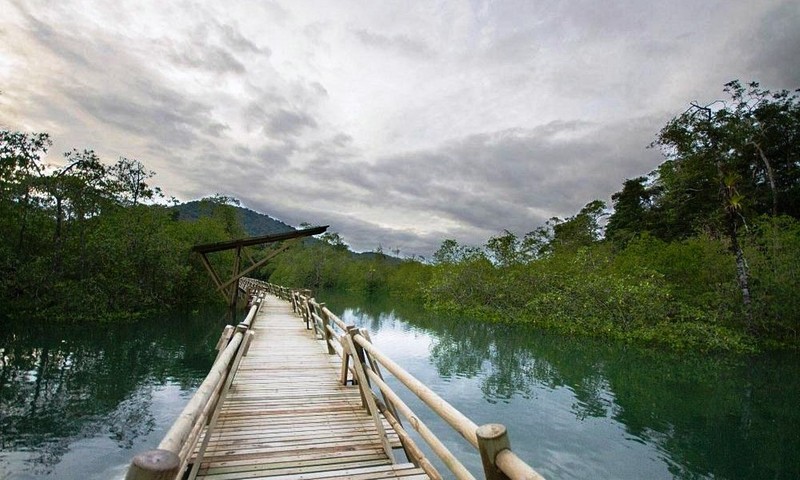
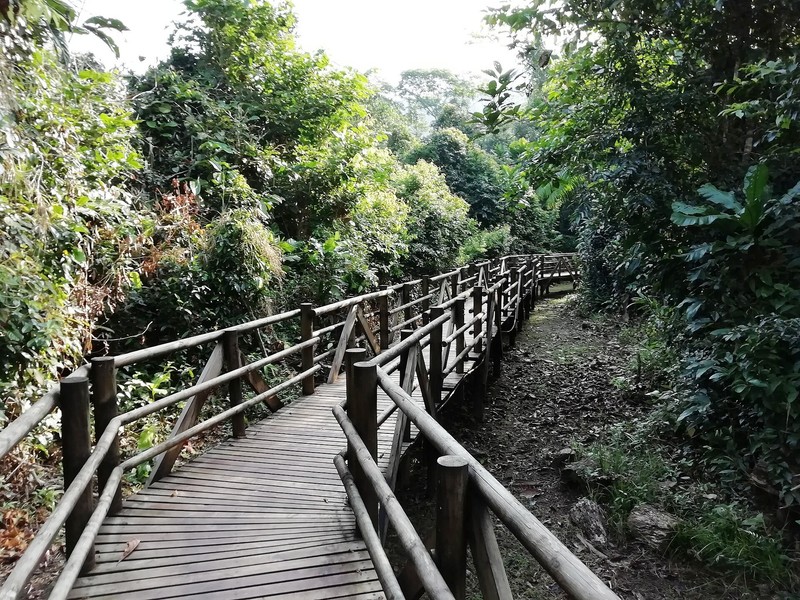
Seasonal whale watching is one of the most popular activities. Boat trips offer views of the cove and its forested slopes, and may provide opportunities to see whales and calves. On land, visitors can follow hiking routes through rainforest and mangroves, including the Estero Grande trail. Access to individual trails depends on weather and park regulations.
In permitted locations, visitors may snorkel, observe fish and coral communities, relax on beaches, and photograph nature. Access to specific sites may depend on tides, sea conditions, and conservation rules. The park also offers opportunities to learn about the cultures of local Afro-Colombian and Indigenous communities.
Climate and best time to visit
Utría has a hot, very humid tropical climate, with temperatures generally around 25–30°C and rainfall throughout much of the year. If whale watching is your priority, plan a visit from around July to October, especially August or September. Rain and changing sea conditions can affect trails and boat routes, so check local information before traveling.
How to get there
Bahía Solano and Nuquí are the main starting points for visits. Depending on the available flight schedule, travelers can reach these towns by domestic air services. From Bahía Solano, visitors usually travel overland to the village of El Valle and continue by boat to the protected area. A walking route through rainforest may also be possible from the El Valle area, but it should be arranged with an authorized local guide.
Before departure, confirm whether the intended sector is open, whether registration is required, and which access rules apply. Boat transport and guiding services should be arranged in advance with authorized local operators.
Visitor tips
Bring lightweight clothing, sturdy footwear, rain protection, insect repellent, and a waterproof case for electronic equipment. Use authorized guides, take all rubbish with you, never feed wildlife, and avoid touching coral. Transport, meals, and excursions may cost extra beyond the park entrance fee.
Why visit Utría National Park
Utría is a remarkable place where rainforest, mangroves, coral communities, and the Pacific Ocean form a connected natural system. It attracts visitors with whale watching, forest walks, rich birdlife, marine wildlife, and opportunities to discover the natural heritage of Colombia’s Chocó region.
Gallery