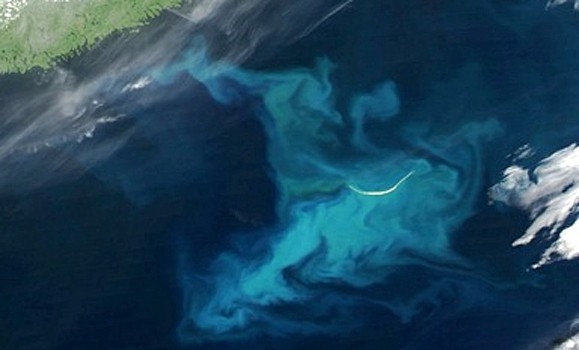
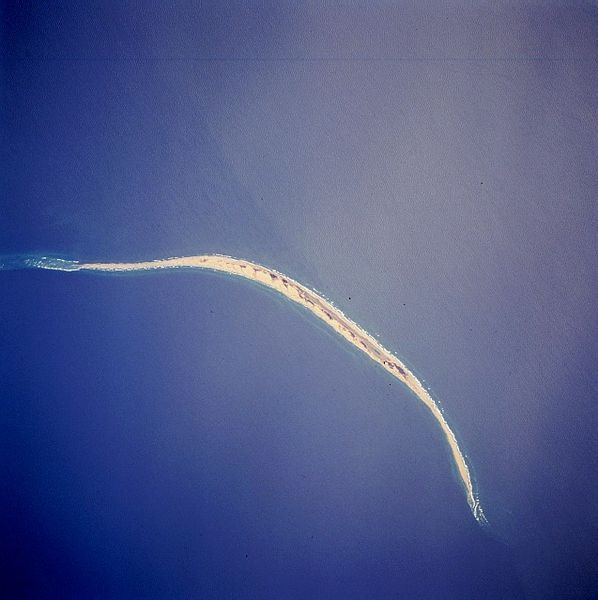
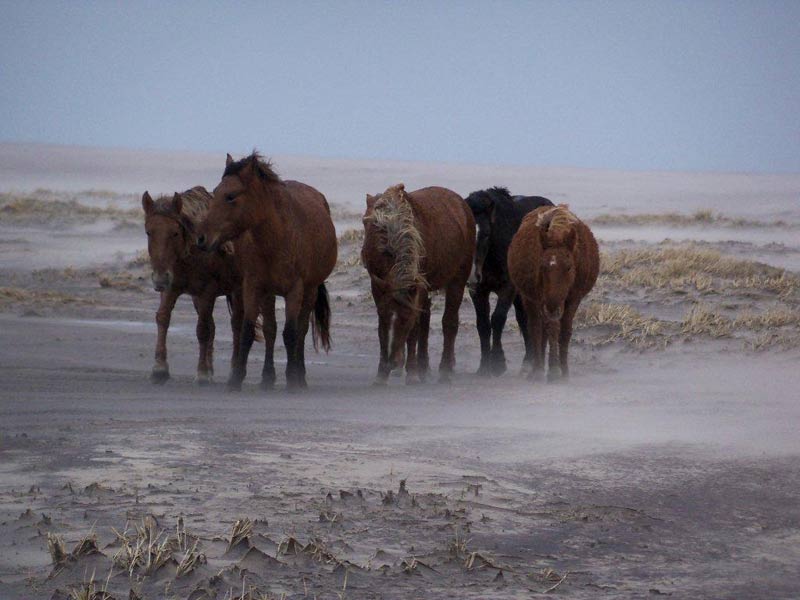
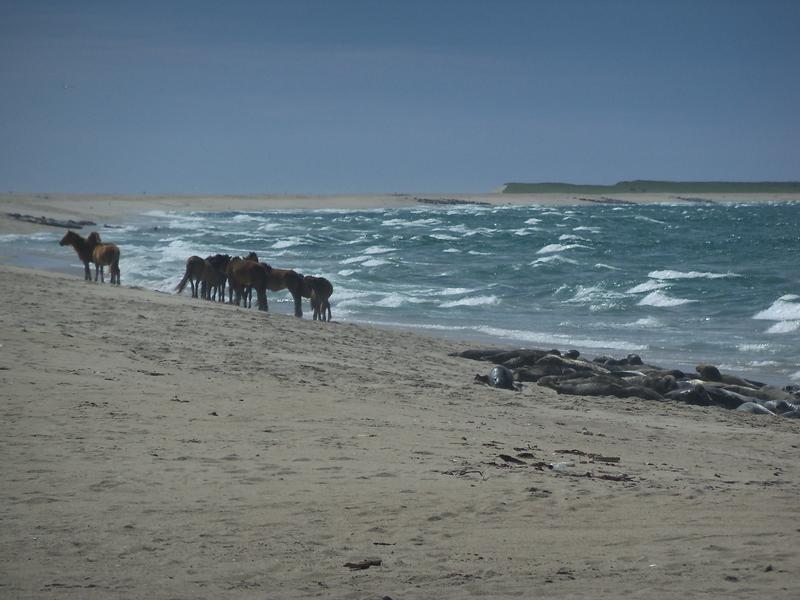
Sable Island is a narrow sandy island in the North Atlantic Ocean, about 290 kilometres southeast of Halifax, off the coast of Nova Scotia, Canada. It is famous for its wild horses, large grey seal colonies and a long history of shipwrecks. Despite its remote location and seemingly barren landscape, the island supports a distinctive ecosystem.
Location and landscape
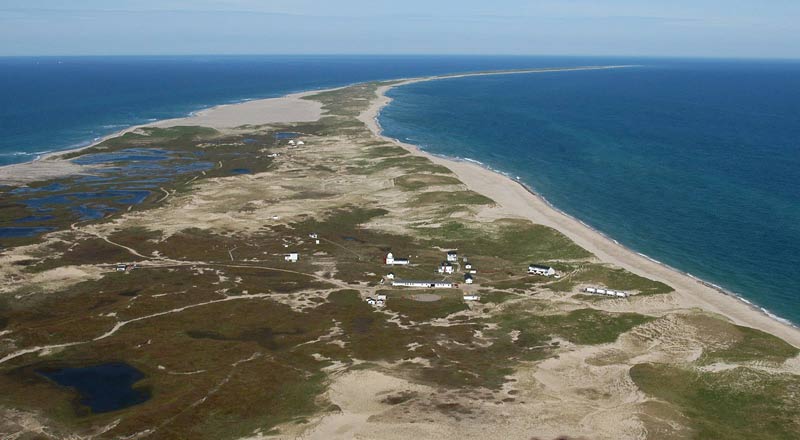
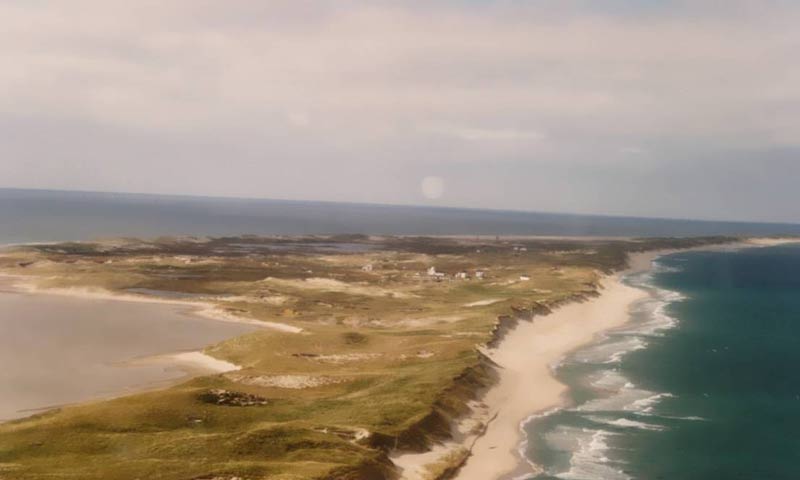
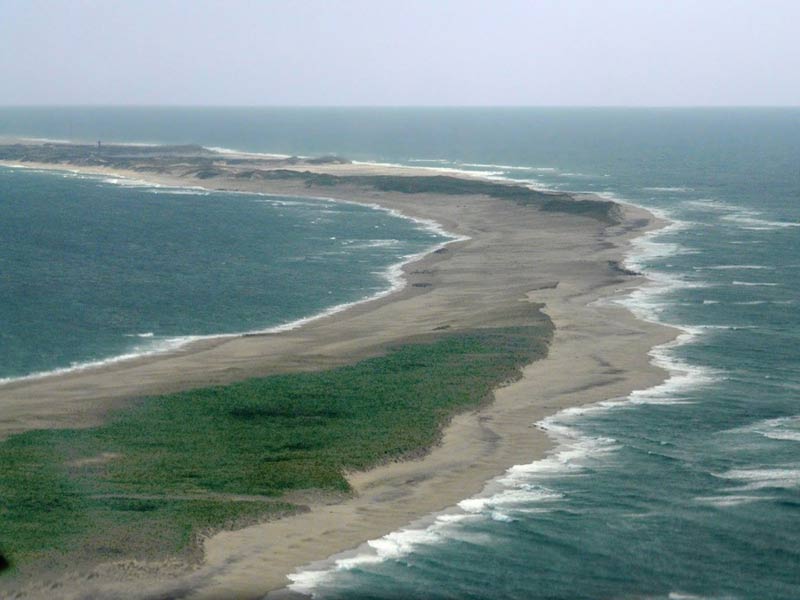
The crescent-shaped island is about 42 kilometres long and roughly 1.3 kilometres wide at its broadest point. Wind, waves and storms constantly move the sand, changing its coastline and dunes. Offshore sandbars and frequent fog made the surrounding waters hazardous for ships travelling between Europe and North America.
The Graveyard of the Atlantic
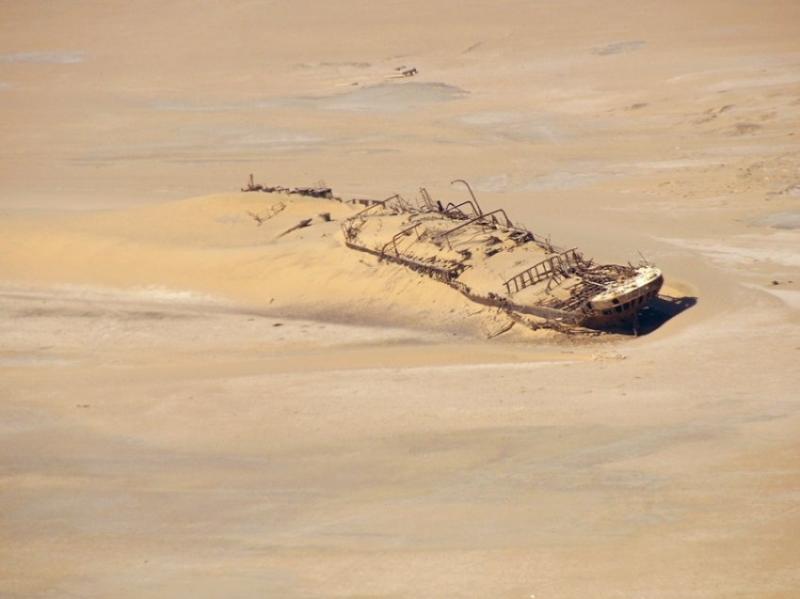
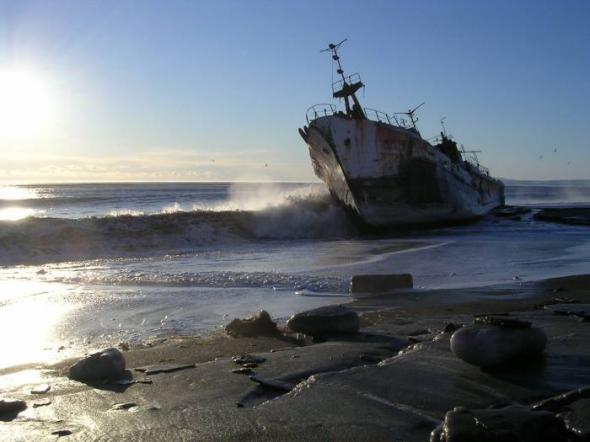
More than 350 shipwrecks have been recorded in the area since the sixteenth century. Ships could lose their way in fog and run aground on shifting sandbars. In 1801, Nova Scotia established the first lifesaving station on Sable Island. Additional stations, lighthouses and shelters followed, and crews worked in difficult conditions to rescue stranded sailors. The lifesaving stations closed in the late 1950s, but traces of their history remain.
Shipwrecks and archaeology
Storms sometimes expose pieces of wreckage that have been buried in sand for generations. In 2024, researchers found a piece of ship sheathing bearing a British Royal Navy marking. In 2025, archaeologists excavated a wreck believed to possibly be the sloop Swift, lost alongside two other vessels on 27 September 1812. The identification relies on historical and physical clues and should be treated cautiously until confirmed. Removing artifacts from the protected island is prohibited.
Wild horses
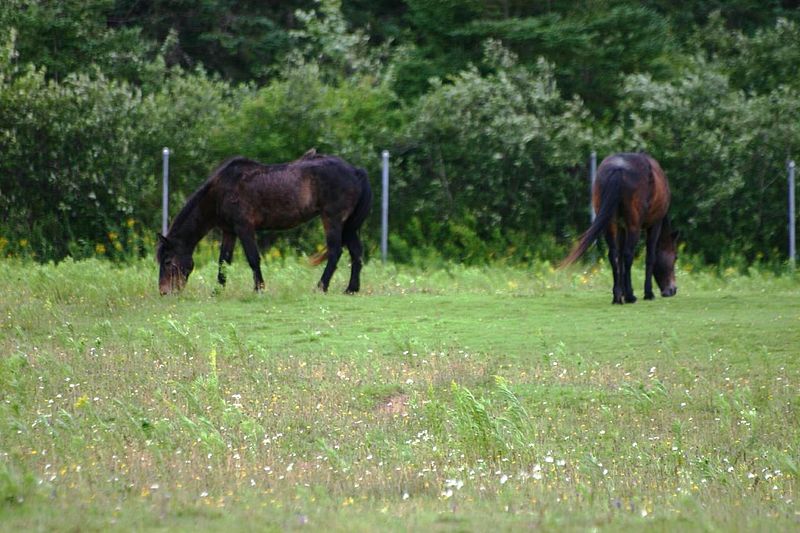
Sable Island's best-known residents are its free-roaming horses. They graze on native vegetation and obtain fresh water from ponds or shallow holes in the sand. Their exact origins remain debated. One widely discussed account links their arrival to the eighteenth century and the deportation of Acadians, but this should not be presented as a definitively proven single origin story. Since 1961, the horses have lived without human intervention in their population and are protected by Canadian law. Visitors must keep their distance and never feed or touch them.
Grey seals and birds
The island hosts the world's largest known breeding colony of grey seals. The seals haul out on its beaches and give birth mainly during the winter breeding season. Nutrients carried from the sea to land by the seals help fertilize plants, influencing the wider island ecosystem. Sable is also important for migratory birds and is the only known breeding location for the Ipswich sparrow, a subspecies of the savannah sparrow.
Dunes and freshwater ponds
The landscape consists of sandy beaches, shifting dunes and patches of vegetation. Although surrounded by salt water, the island has freshwater ponds supplied by a lens of groundwater floating above denser seawater. These water sources sustain horses and plants. The island's shape and shoreline continue to change, so historical maps may not match its present appearance.
Human history and protection
European mariners visited the area by the early sixteenth century. Over time, Sable hosted lifesaving stations, lighthouses, weather observations and, in the twentieth century, some petroleum exploration. In 2013, it became Sable Island National Park Reserve, protecting its natural and cultural heritage.
Visiting Sable Island
Because the island lies far offshore and has limited infrastructure, visits require prior approval from Parks Canada. Trips are arranged under park rules, often through licensed operators, and access may be by small aircraft or boat depending on conditions and available arrangements. Check the official park website for current visitor dates, permits, weather restrictions and booking requirements.
Visitors may explore beaches, dunes and freshwater ponds and, with luck, observe horses, seals and birds. Walking on soft sand can be tiring, and the weather can change rapidly. Wear suitable clothing and footwear, follow the guidance of park staff and guides, leave no litter, and never disturb wildlife. Sable Island is a fragile protected landscape rather than a conventional resort.
Gallery