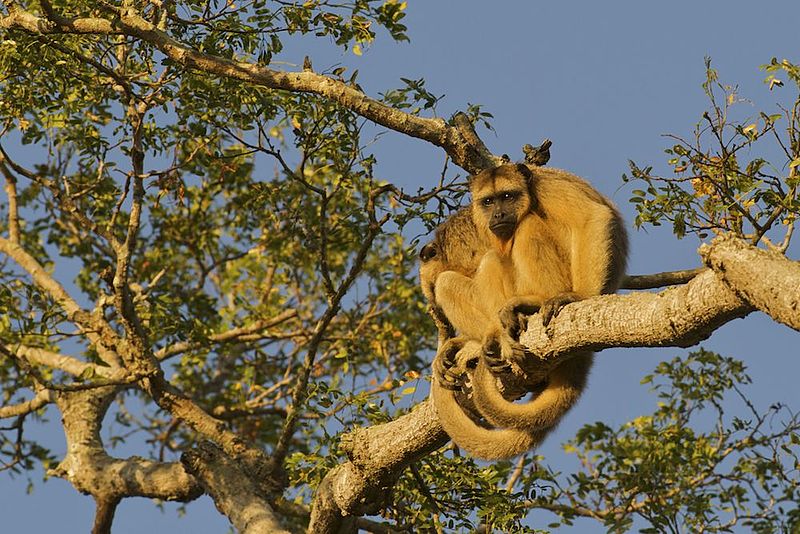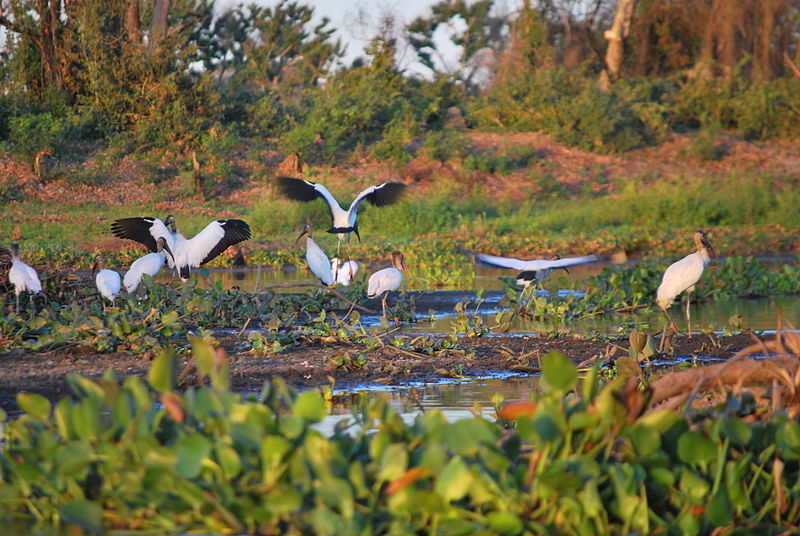

The Pantanal is one of the world's largest tropical wetland systems, located in central South America. Most of it lies in Brazil, with additional areas extending into Bolivia and Paraguay. It is famous for seasonally flooded plains, rivers, lagoons and exceptional wildlife, making it one of the continent's best regions for observing animals in their natural habitat.
A unique wetland ecosystem
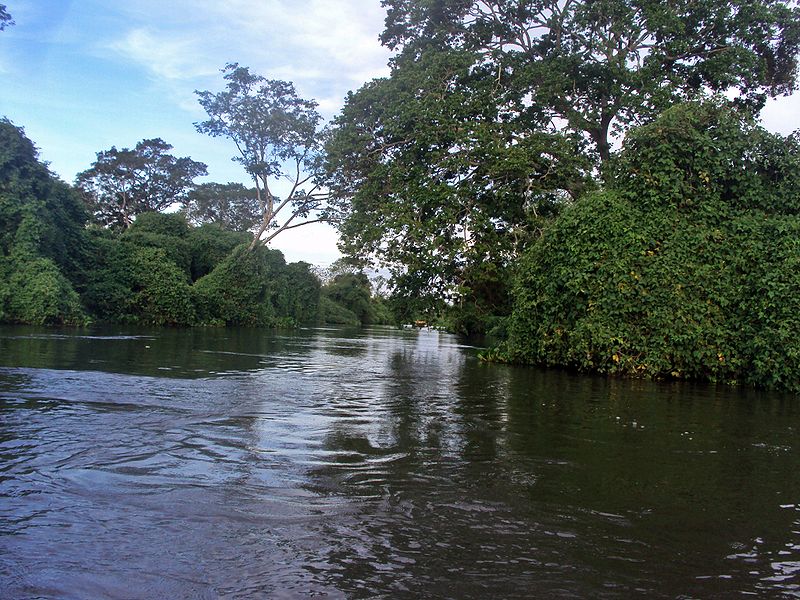
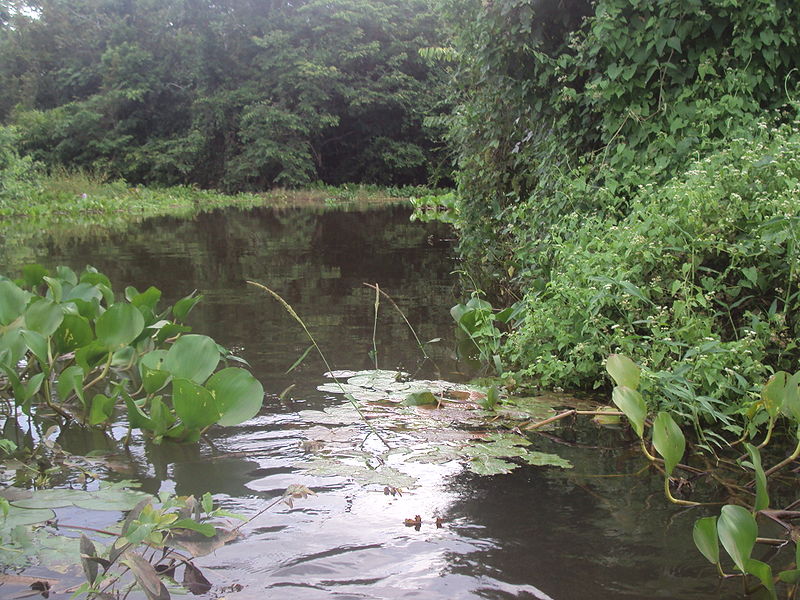
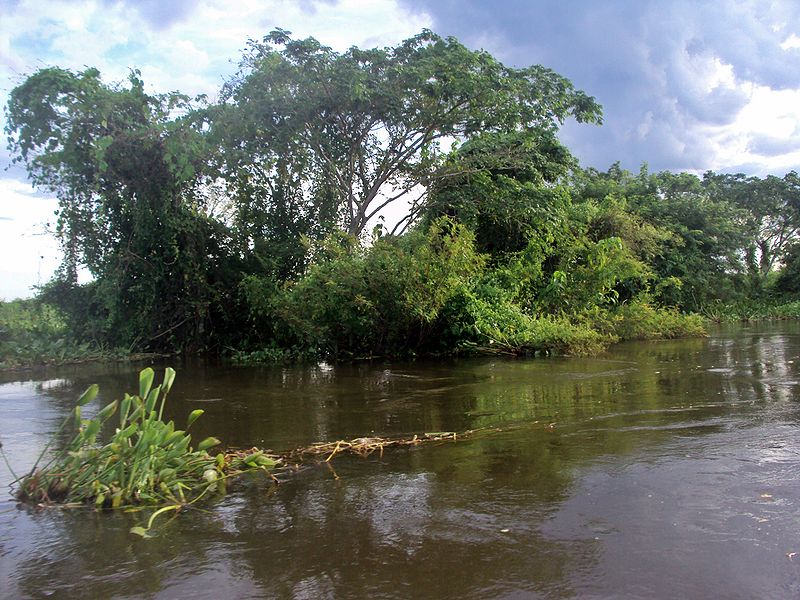
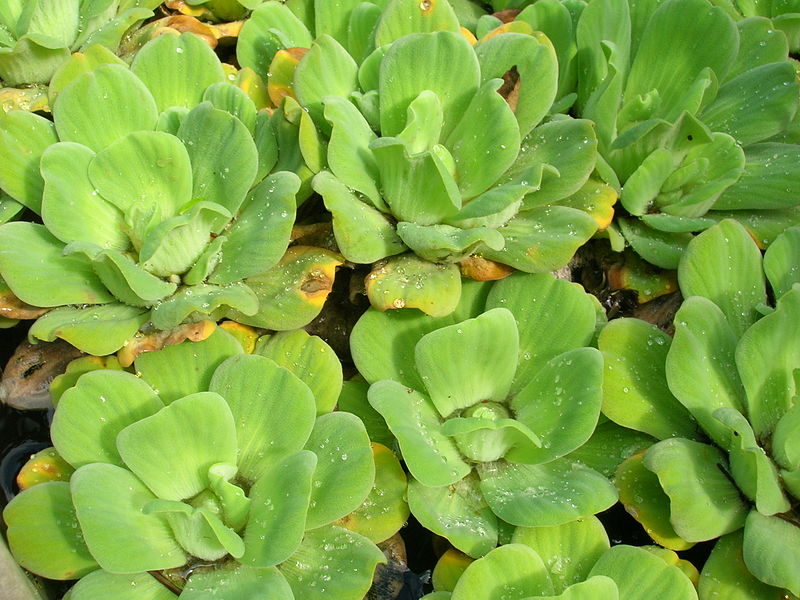
The Brazilian Pantanal biome covers approximately 210,000 square kilometres. Its landscapes include open grasslands, flooded plains, woodland and gallery forests. During the rainy season, rivers overflow and water spreads across vast areas. In the dry season, the water recedes, leaving lagoons and channels. This annual cycle shapes the lives of plants and animals and determines where food and shelter are available.
Wildlife
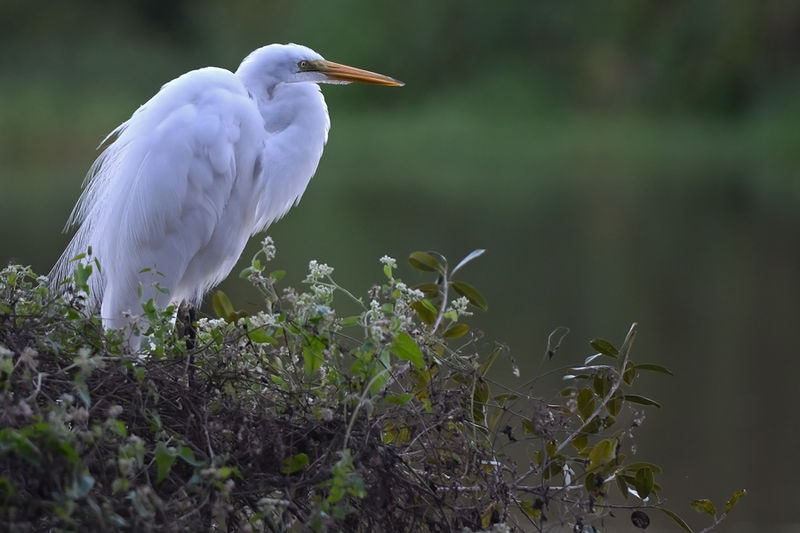
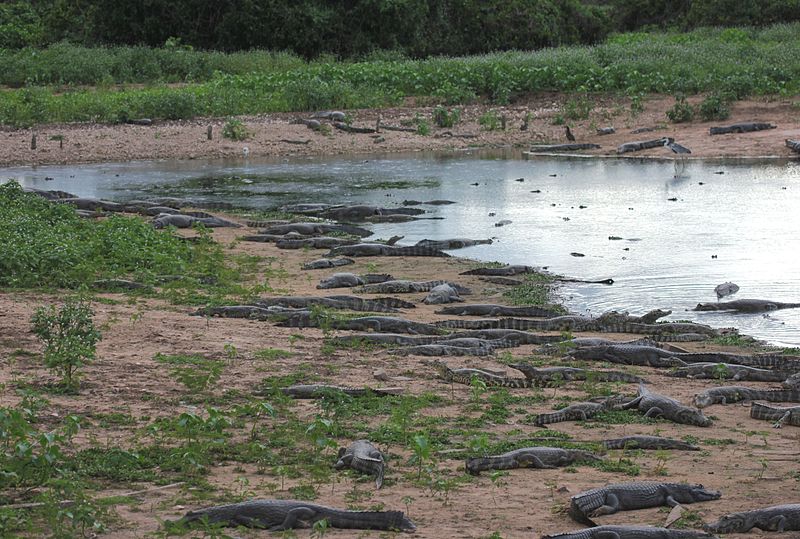
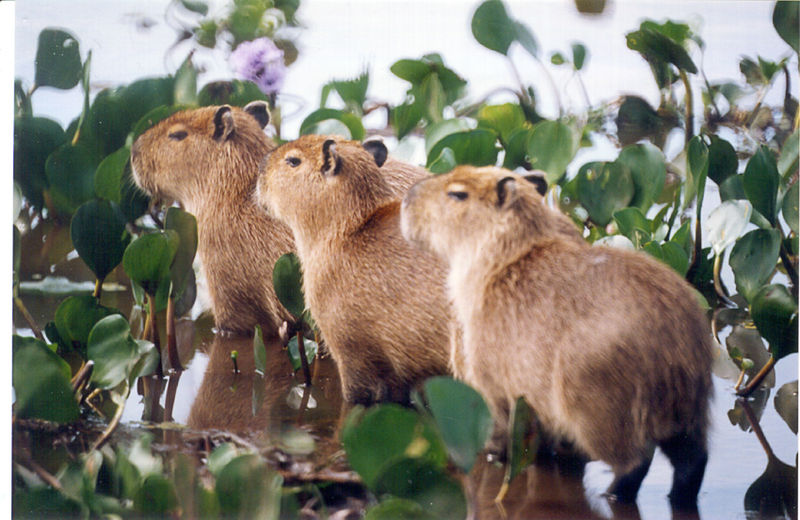
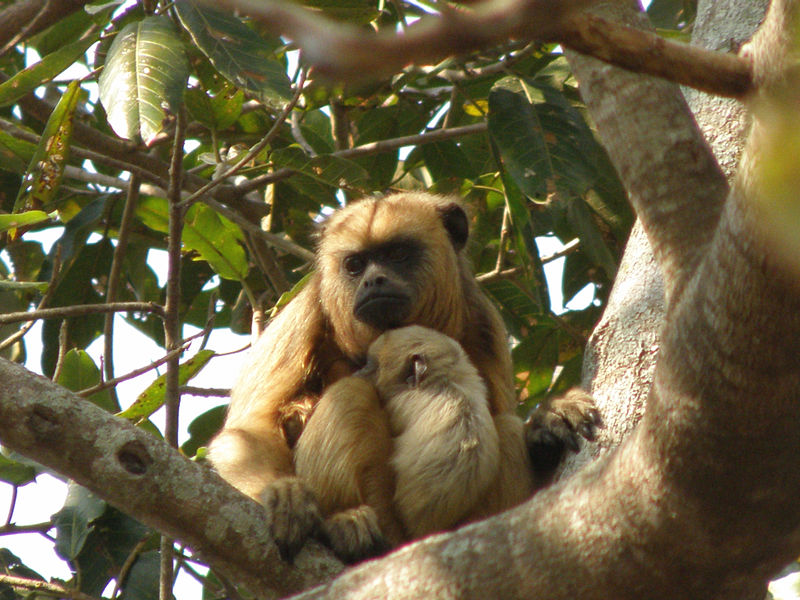
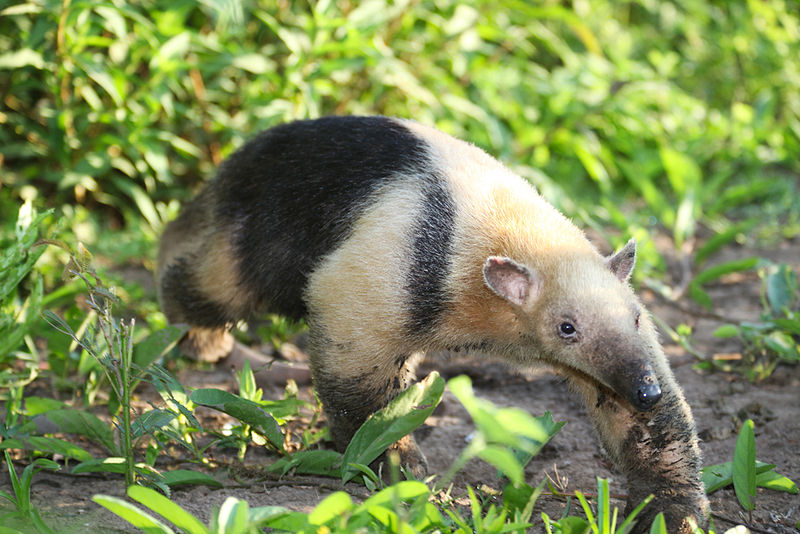
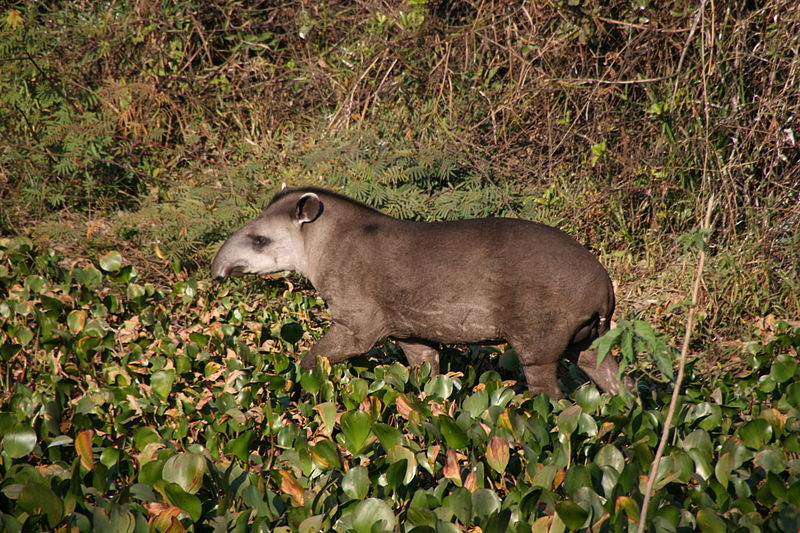
The Pantanal is home to jaguars, giant otters, capybaras, marsh deer, giant anteaters and caimans. Birds include hyacinth macaws, toucans, jabiru storks, herons and kingfishers. Rivers and seasonal pools support a rich variety of fish, amphibians and reptiles.
Jaguars are among the region's most sought-after sightings. Boat trips operate around Porto Jofre, where visitors sometimes see these large cats along riverbanks. Sightings are never guaranteed and depend on conditions and luck.
Protected areas
Pantanal Matogrossense National Park, together with the Acurizal, Penha and Doroche reserves, forms the UNESCO World Heritage property known as the Pantanal Conservation Area. The region was also designated a UNESCO Biosphere Reserve in 2000. Seasonal flooding transports nutrients, supports fish populations and connects different habitats, making the natural water cycle essential to the ecosystem.
Best time to visit
May to September is generally preferred for wildlife watching because rainfall decreases and floodwaters recede. From October to April, the landscape becomes greener and water levels rise, but flooded or muddy roads can make travel more difficult. Conditions vary from year to year.
Getting there
Cuiabá is a common starting point for the northern Pantanal, with routes continuing through Poconé and along the Transpantaneira road. The southern region can be reached through Corumbá. Popular activities include wildlife drives, boat trips, birdwatching and stays at ecological lodges or working ranches. Access to remote protected areas may require advance permission and organised transport.
Travel tips
Bring lightweight long-sleeved clothing, closed shoes, a hat, sunscreen and insect repellent. Binoculars are useful for observing birds and mammals from a distance. Follow guides' instructions, never feed wildlife and take particular care near water. Fires, changes to natural water flows, deforestation and pollution threaten the Pantanal. Responsible ecotourism can support local communities and help protect this remarkable ecosystem.
Gallery