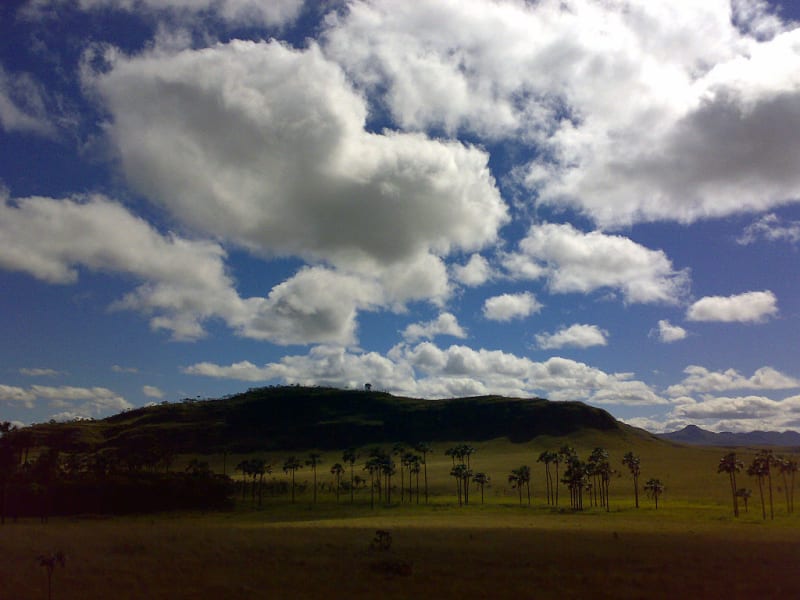
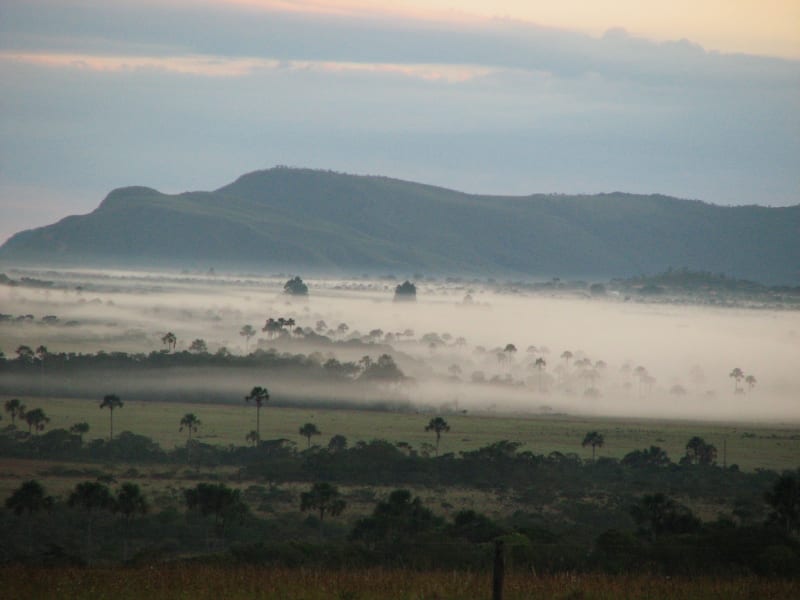
Chapada dos Veadeiros National Park is one of Brazil's best-known natural attractions, located in the state of Goiás on the Brazilian Central Plateau. Established in 1961, the park protects the unique landscapes of the Cerrado, a tropical savanna with distinctive trees, shrubs, grasses and numerous endemic plant species. In 2001, the area became part of the Cerrado Protected Areas UNESCO World Heritage Site.
Waterfalls and natural pools
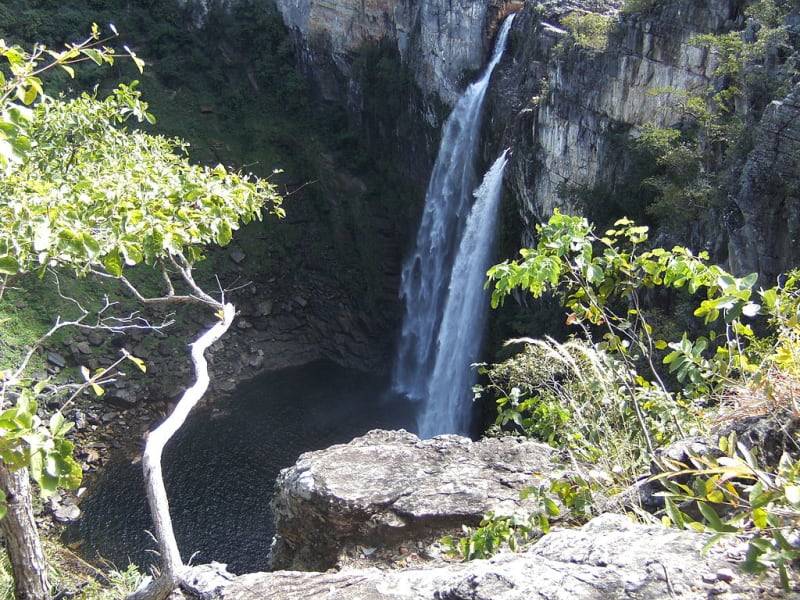
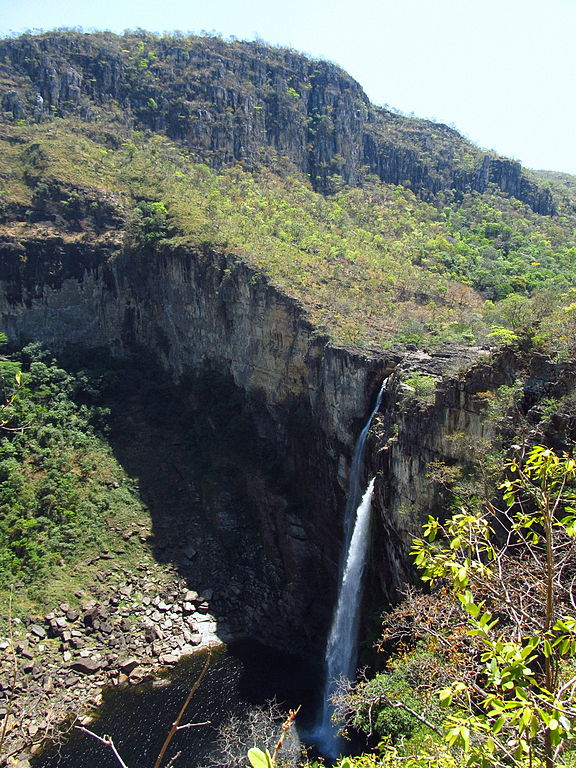
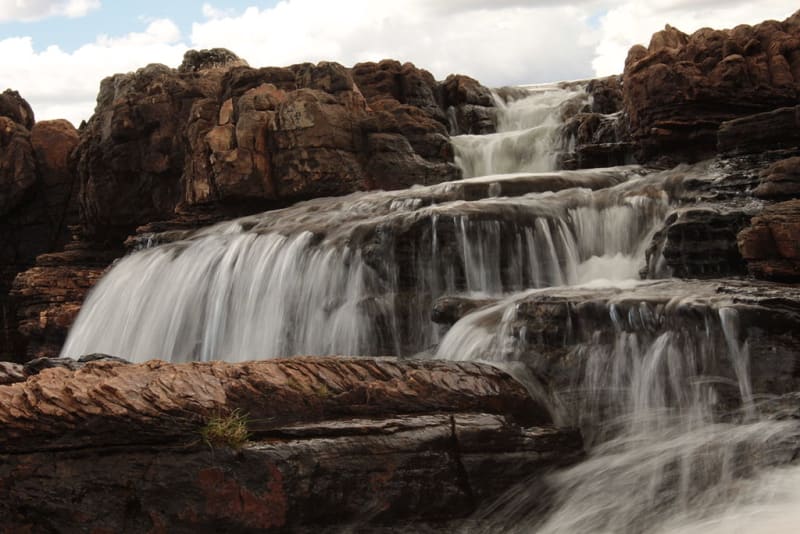
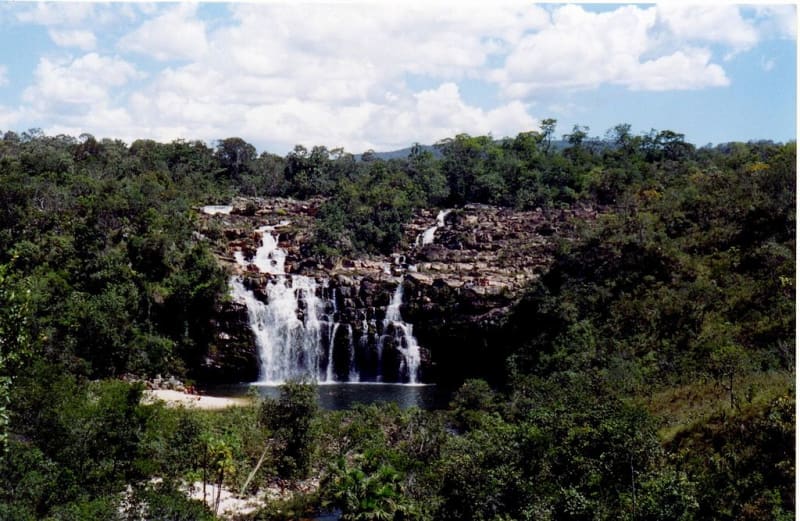
One of the park's defining features is its numerous waterfalls, formed by rivers cutting through ancient rock formations. Among the most impressive is Salto do Rio Preto, where water plunges approximately 120 metres. The park also features the Garimpão waterfall and smaller cascades that create natural pools of clear water.
Waterfalls are generally fuller during the rainy season, although the risk of sudden flooding increases. In the dry season, the water is often clearer, and some natural pools may be suitable for swimming where permitted. Visitors should check trail conditions and park guidance before setting out.
Canyons and unusual rock formations
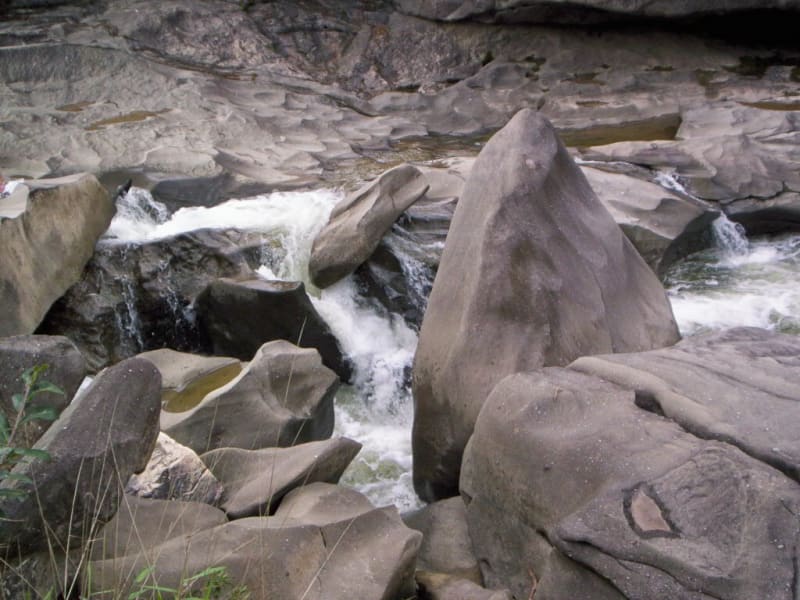
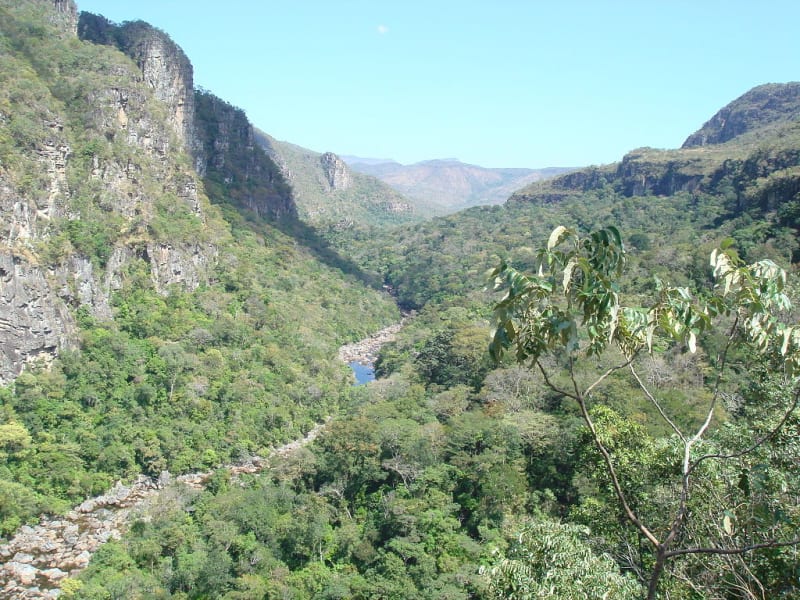
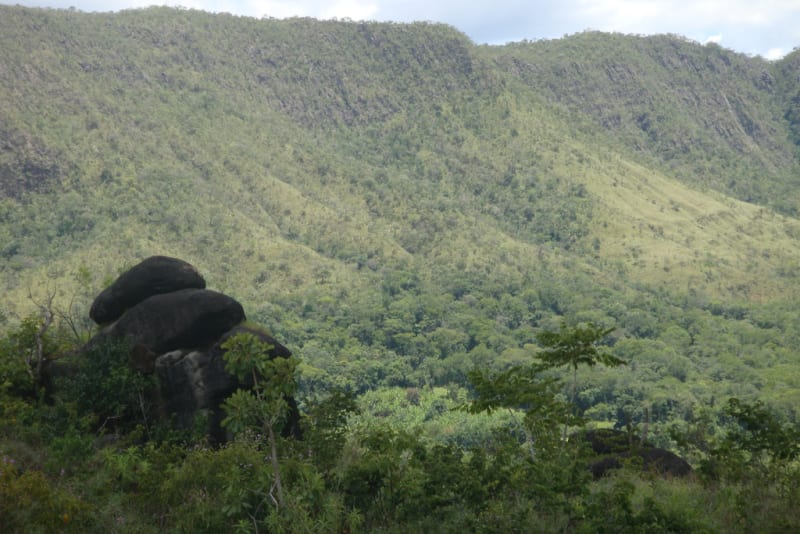
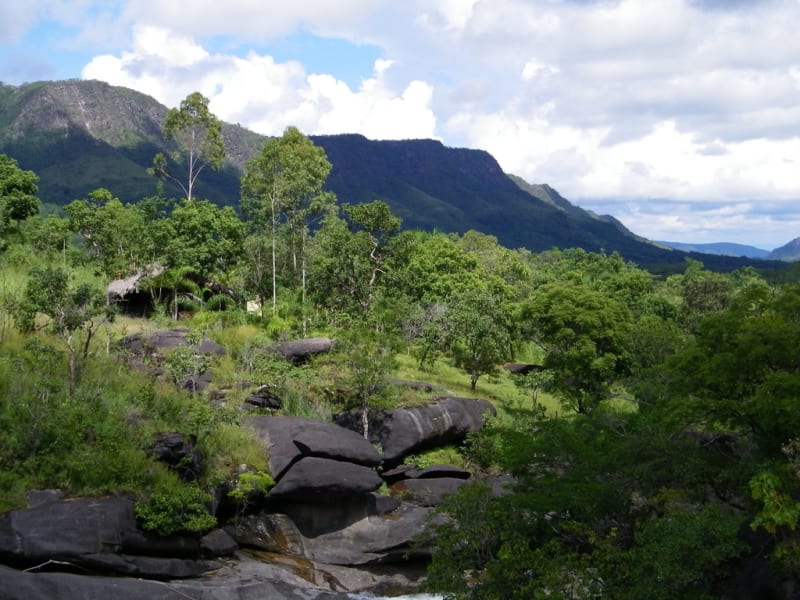
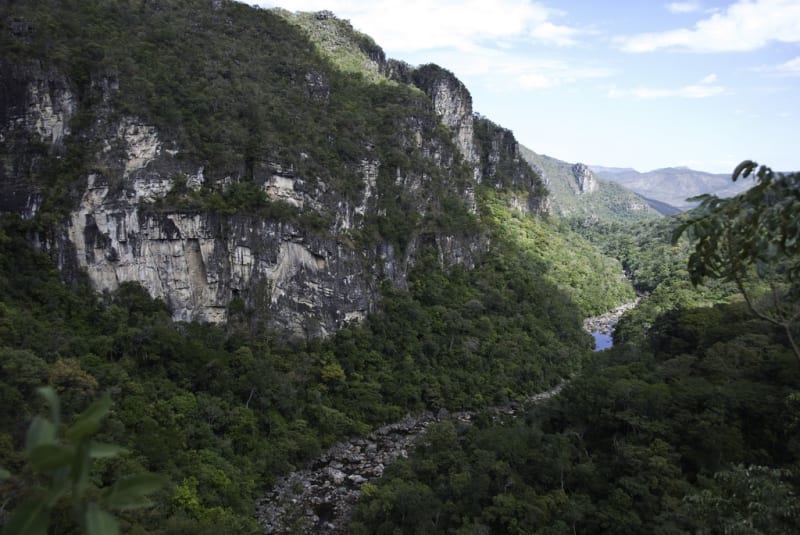
The landscape of Chapada dos Veadeiros developed over a long geological period. The area contains ancient quartzite formations, deep gorges, rocky plateaus and unusually shaped cliffs. Water and wind have gradually sculpted the rock, creating distinctive contours and natural hollows.
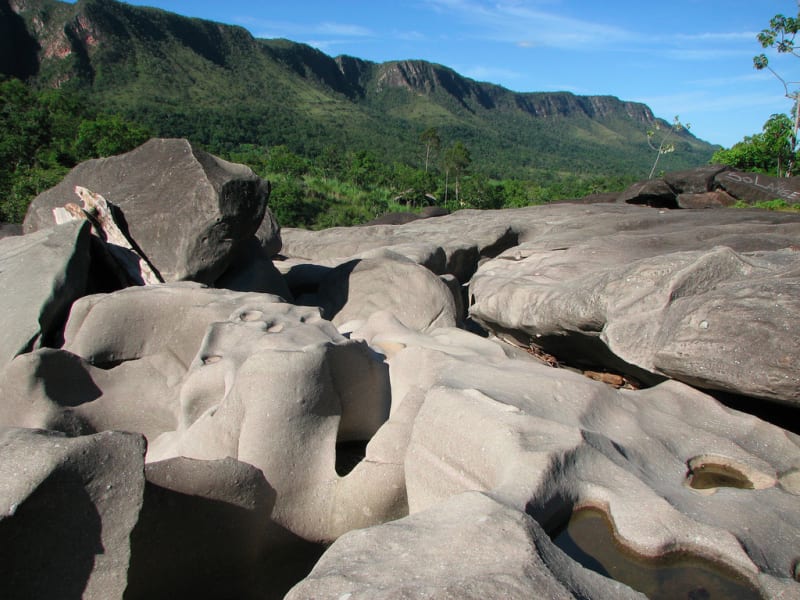
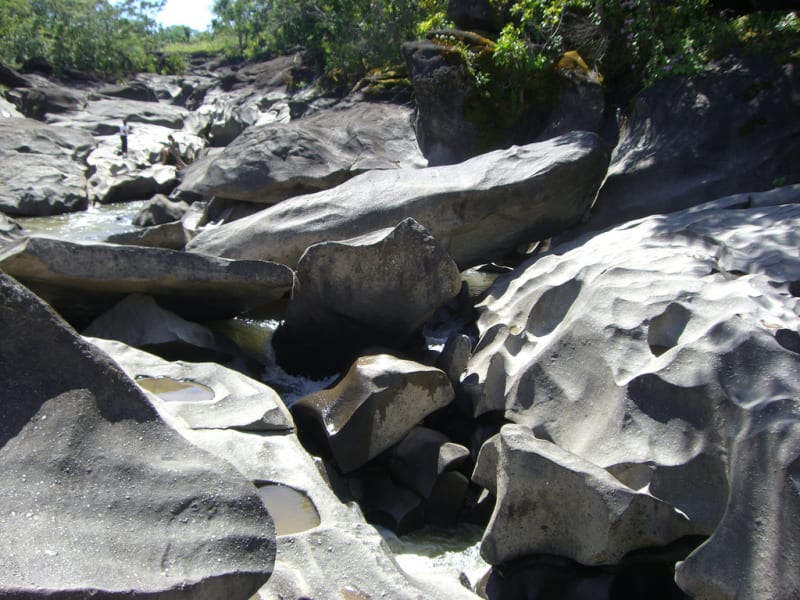
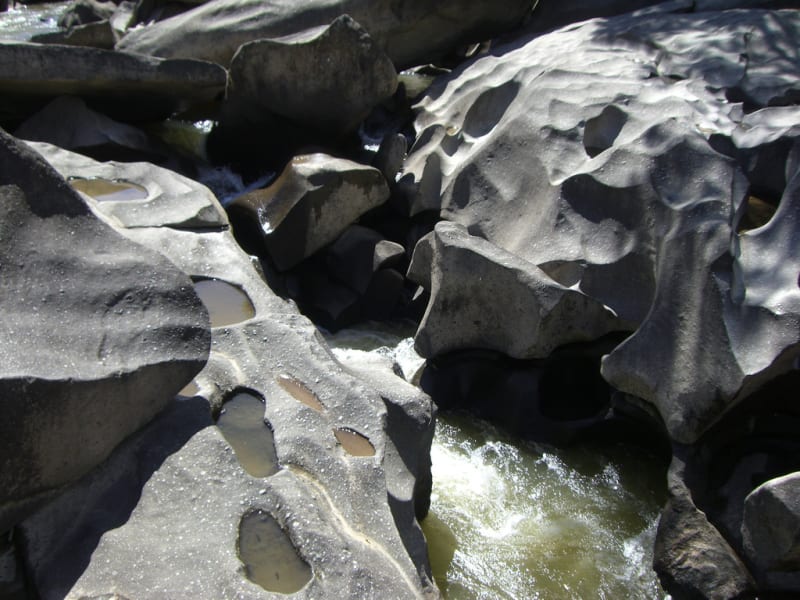
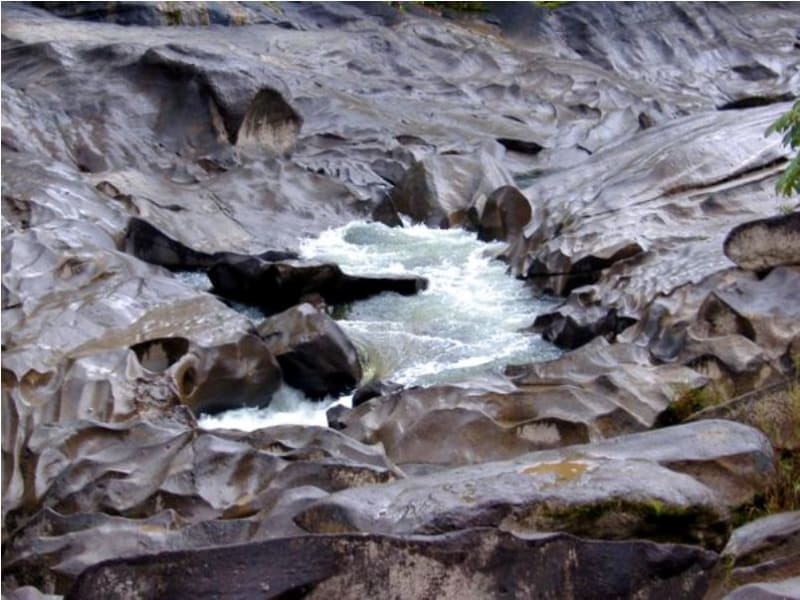
One of the region's best-known attractions is Vale da Lua, or Moon Valley, located outside the main national park boundaries. Water has carved rounded channels and hollows into the rock, creating formations reminiscent of the lunar surface. Nearby, Mirante da Janela offers views of rock formations, valleys and distant mountain ridges.
Cerrado flora and wildlife
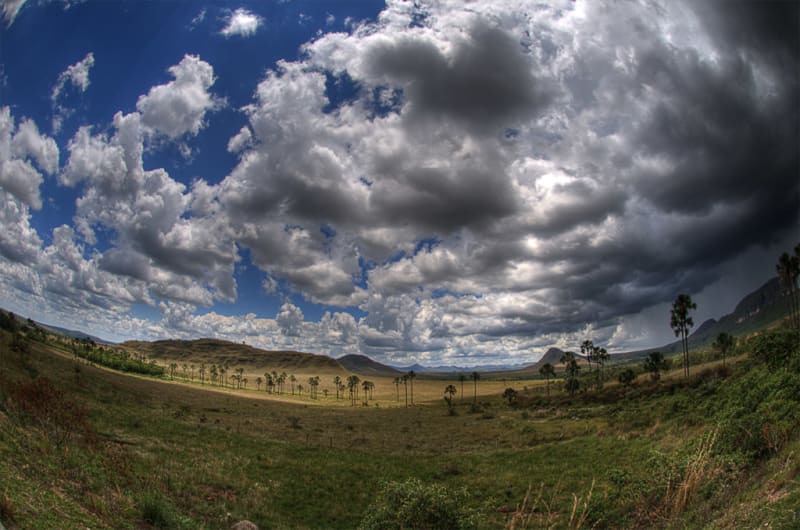
The Cerrado is considered one of the world's richest tropical regions in terms of biodiversity. The park contains many grasses, shrubs, palms and small trees adapted to seasonal droughts and periodic natural fires. Numerous plant species occur only in this region and are important to the local ecosystem.
Maned wolves, giant anteaters, armadillos, deer, jaguars and a wide variety of birds inhabit the park and surrounding natural areas. Some species are threatened, making habitat protection especially important. Visitors should keep their distance from wildlife, avoid feeding animals and take all rubbish away.
Hiking trails and outdoor activities
The national park offers several popular trails through waterfalls, canyons and savanna landscapes. The Trilha dos Saltos route leads to waterfalls and river cascades, while the Trilha dos Cânions e Cariocas passes through scenic gorges and natural pools. Longer multi-day routes are also available and require careful preparation.
Hiking times depend on the chosen route, weather conditions and time spent at the waterfalls. Some paths cross rocky terrain, making sturdy footwear, sufficient drinking water and reasonable fitness essential. Certain trails may have restrictions or require an authorised guide or advance registration.
How to reach the national park
Alto Paraíso de Goiás is the region's main tourist centre, while the village of São Jorge lies near the park's principal entrance. Visitors travelling from Brasília usually continue by car or bus, sometimes with a transfer. From São Jorge, it is possible to reach the official park entrance and follow the marked trails.
The region has a distinct dry season, generally from May to October, and a rainy season from November to April. Travel is often easier during the dry months, while waterfalls become fuller during the rainy season, when trail conditions can be more challenging. Chapada dos Veadeiros National Park is an excellent destination for hikers, waterfall lovers and anyone interested in Brazil's remarkable natural diversity.
Gallery