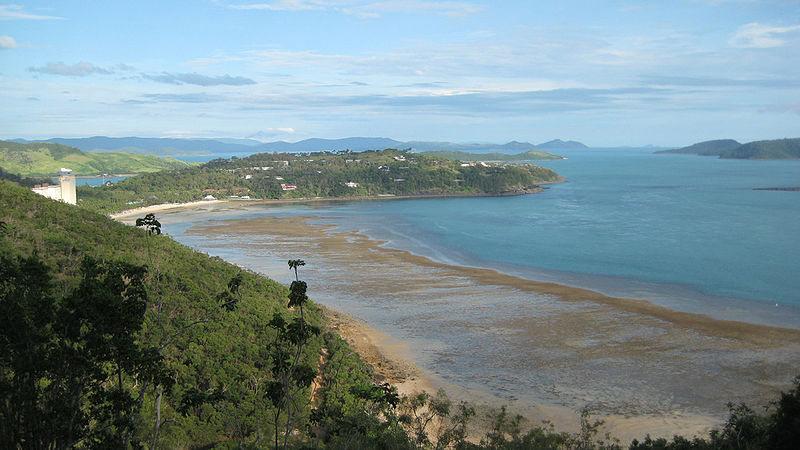
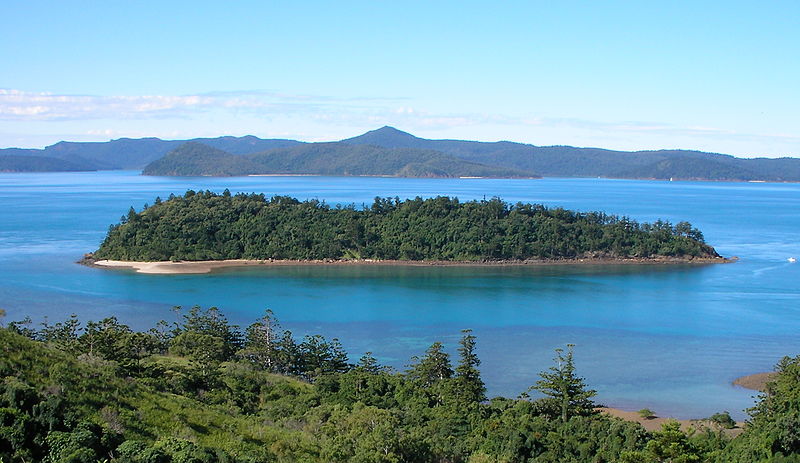
The Whitsunday Islands are a scenic archipelago off the east coast of Australia in Queensland. More than 90 islands lie in the Coral Sea near the coast of Central Queensland. They are known for white-sand beaches, clear turquoise water, coral reefs, tropical vegetation and excellent sailing conditions.
The islands belong to the Cumberland group and lie within the Great Barrier Reef World Heritage Area. Many islands and surrounding waters are protected by national parks and marine conservation zones. The Whitsundays attract visitors interested in sailing, snorkelling, diving, hiking and secluded beaches.
Whitehaven Beach
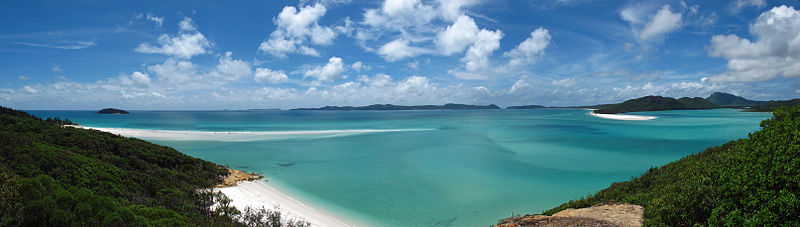
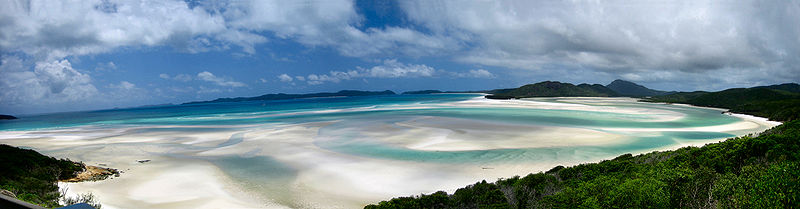
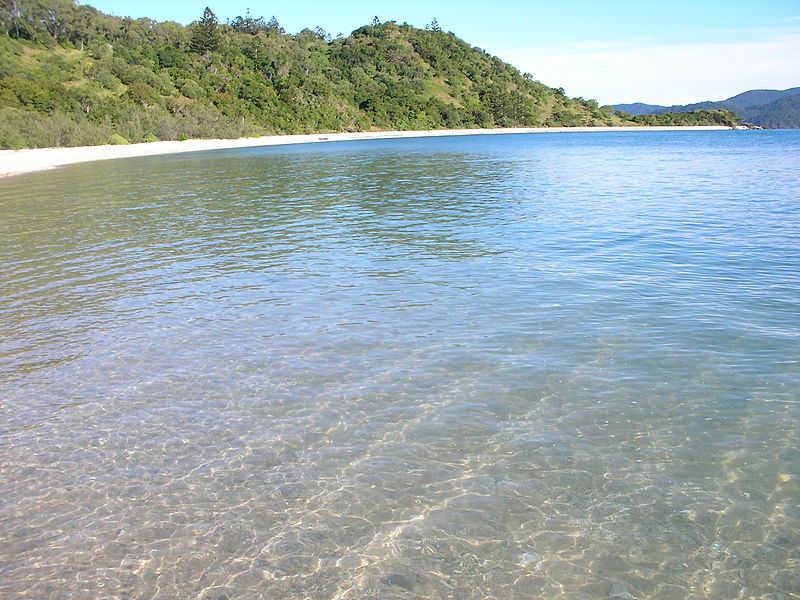
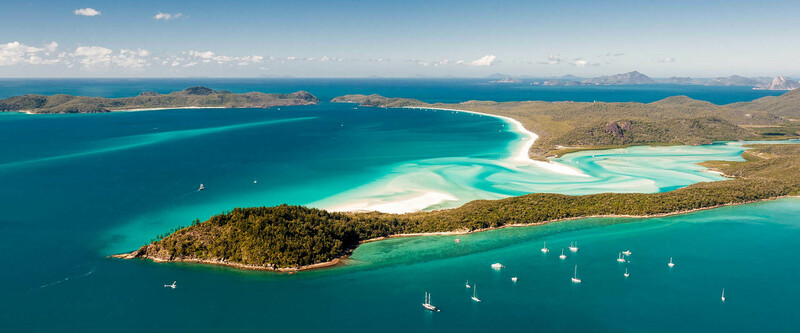
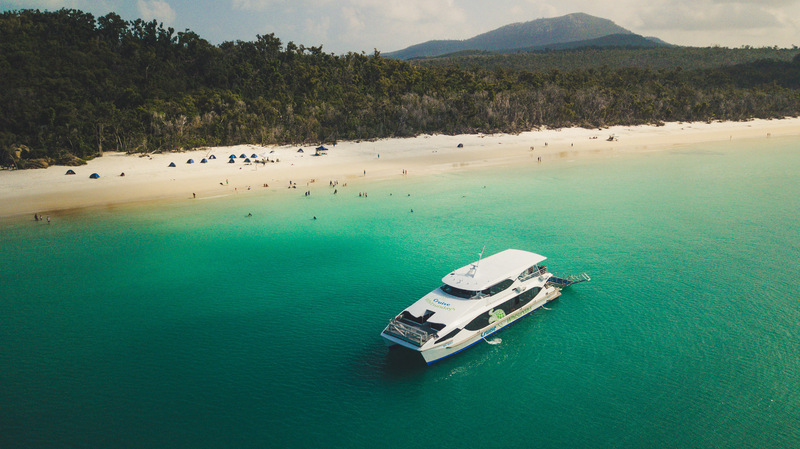
The archipelago's best-known attraction is Whitehaven Beach on Whitsunday Island, the largest island in the group. The beach is famous for its long stretch of bright white sand and clear water. The sand contains a high proportion of silica, giving it its distinctive pale colour. The shoreline extends for several kilometres, and the sea shifts from pale turquoise in shallow water to deeper blue offshore.
Hill Inlet
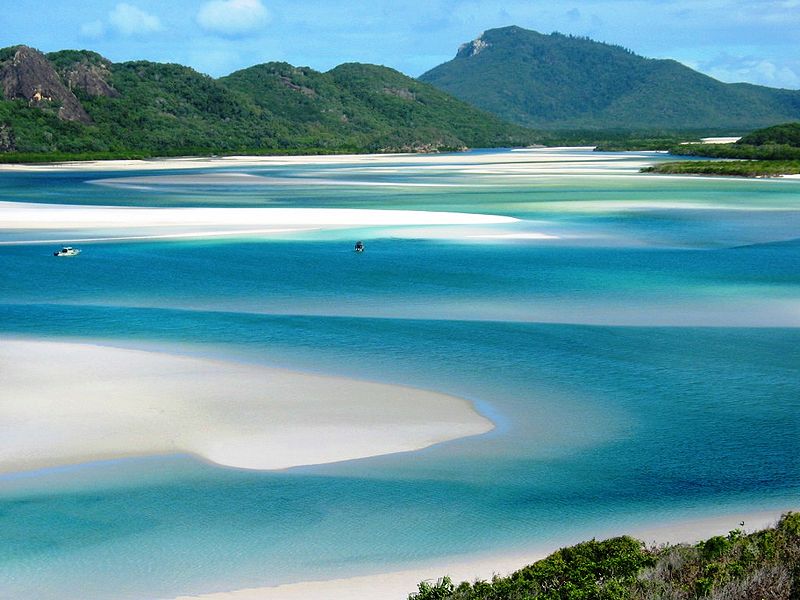
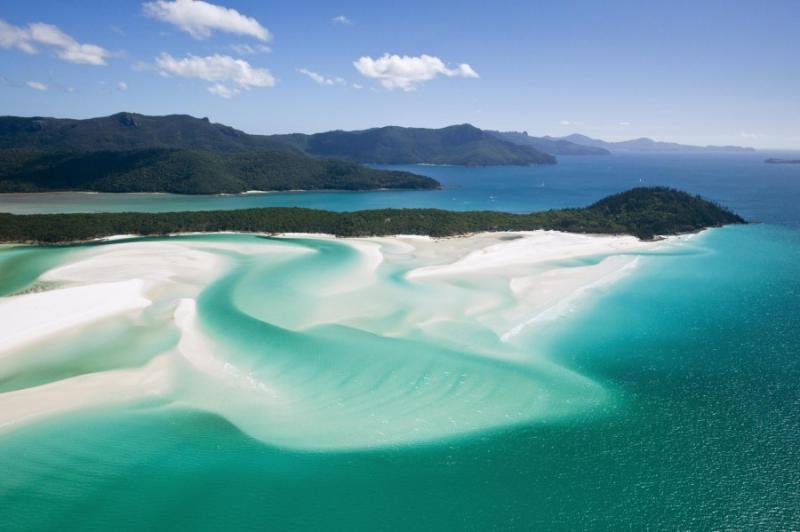
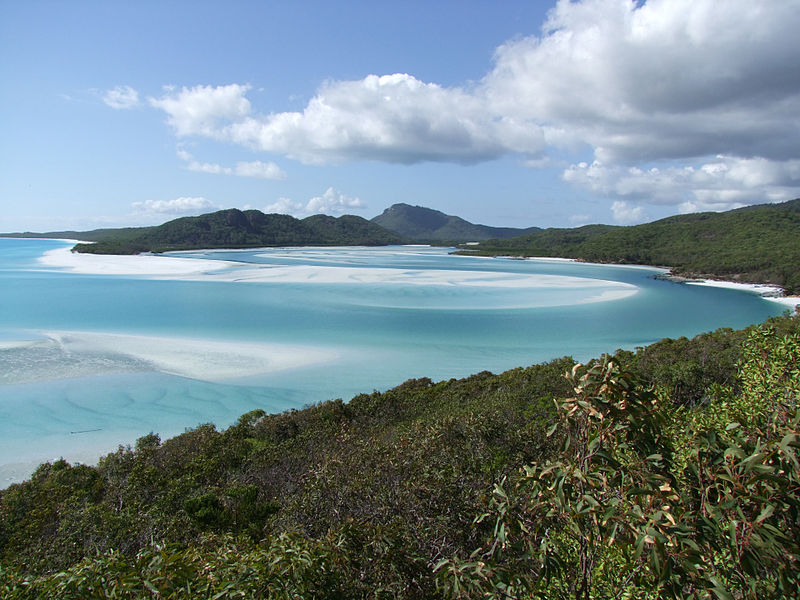
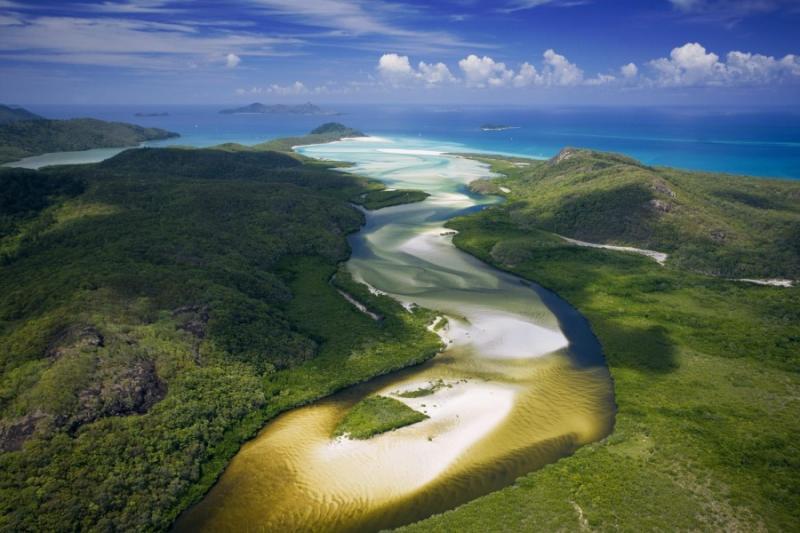
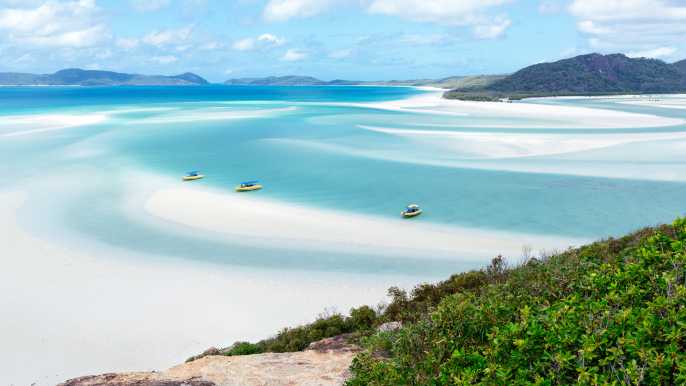
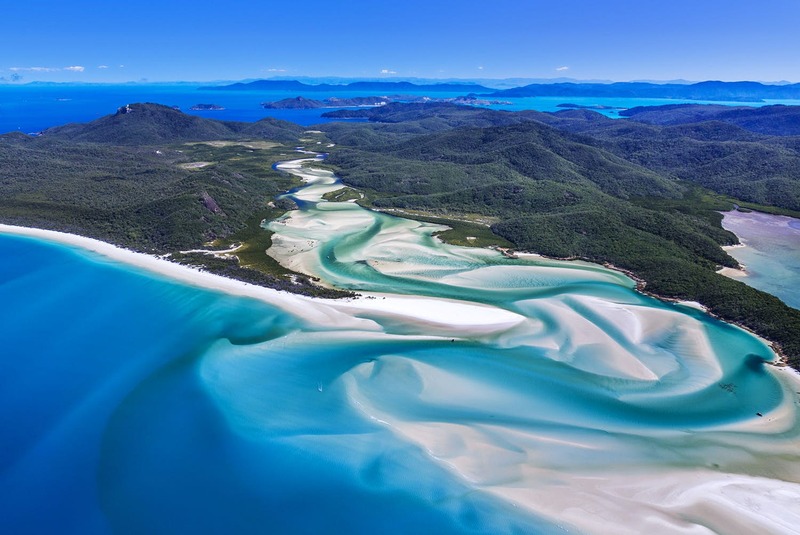
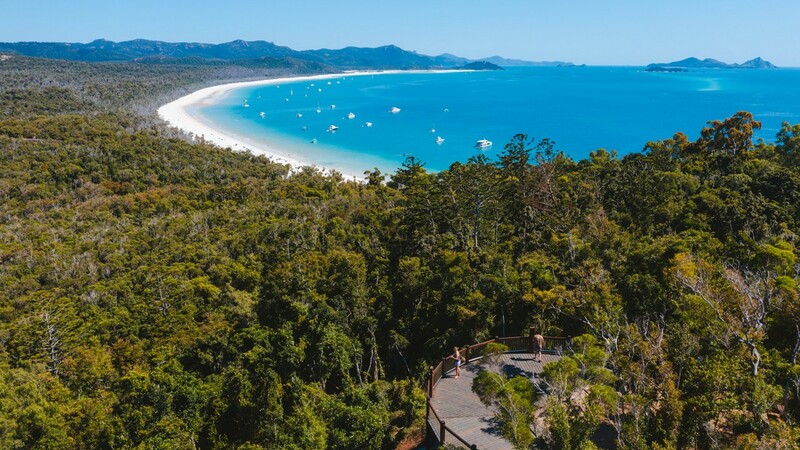
At the northern end of Whitehaven Beach lies Hill Inlet, a shallow inlet known for its swirling patterns of white sand and turquoise water. Tides continually reshape the sandbanks. Lookouts at Tongue Point provide panoramic views over the inlet and its shifting channels. Visitors should stay on marked tracks and be cautious of strong currents and rapidly changing water levels.
The islands of the archipelago
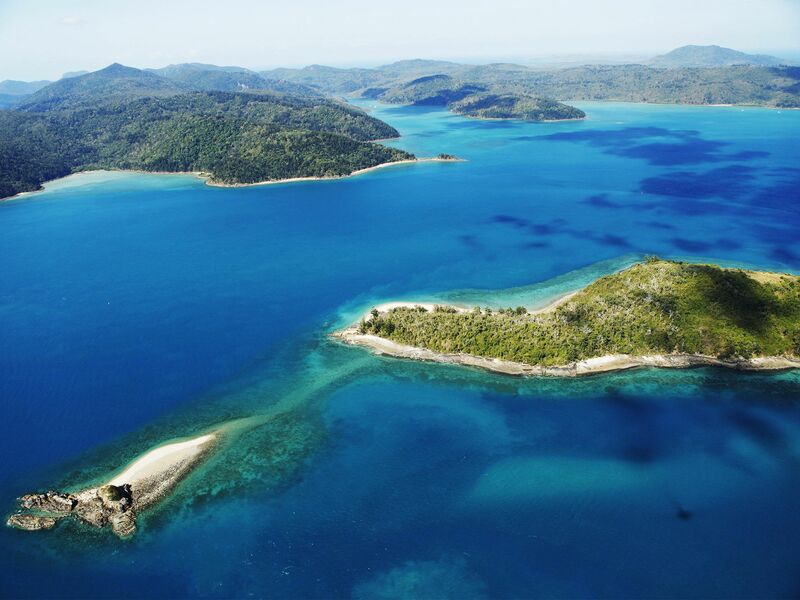
The Whitsundays are a group of islands with varied landscapes. Whitsunday Island is known for Whitehaven Beach and walking trails. Hook Island attracts visitors with its bays and fringing reefs, South Molle Island offers hill walks and viewpoints, and Langford Island is a popular stop on boat trips. Many islands have forested interiors, rocky shorelines and small sandy beaches.
Coral reefs and marine life
The islands lie beside the Great Barrier Reef, the world's largest coral reef system. The surrounding waters support many fish species, sea turtles, molluscs, rays and other marine life. Snorkelling and diving offer opportunities to see reefs in their natural environment, although visibility depends on wind, waves and tides.
Corals are fragile and must never be stood on or touched. Do not disturb marine animals or collect coral and shells where prohibited. Responsible behaviour helps protect the reef ecosystem.
Ngaro history and culture
The Whitsundays have a long Indigenous history associated with the Ngaro people, whose ancestors lived across the islands and nearby mainland for thousands of years. The sea provided food and formed an important part of traditional life. The region preserves cultural heritage sites, including rock art and traditional routes.
In 1770, British navigator James Cook sailed through the area while exploring Australia's east coast. The name Whitsunday is associated with the date on which Cook charted the islands, although the region's human history long predates European voyages.
Plants and wildlife
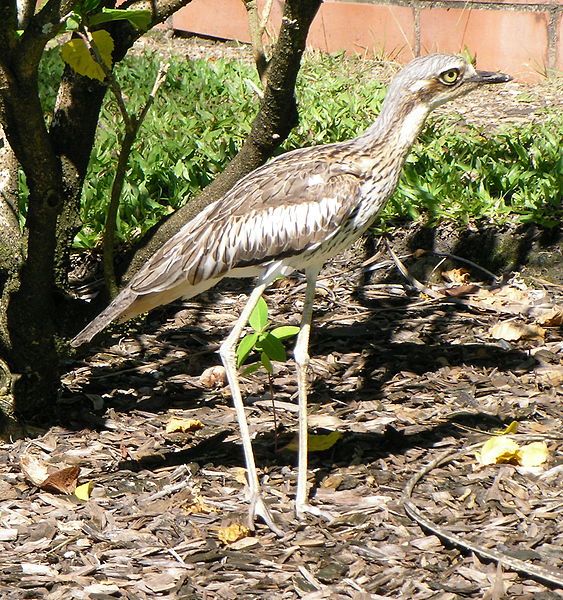
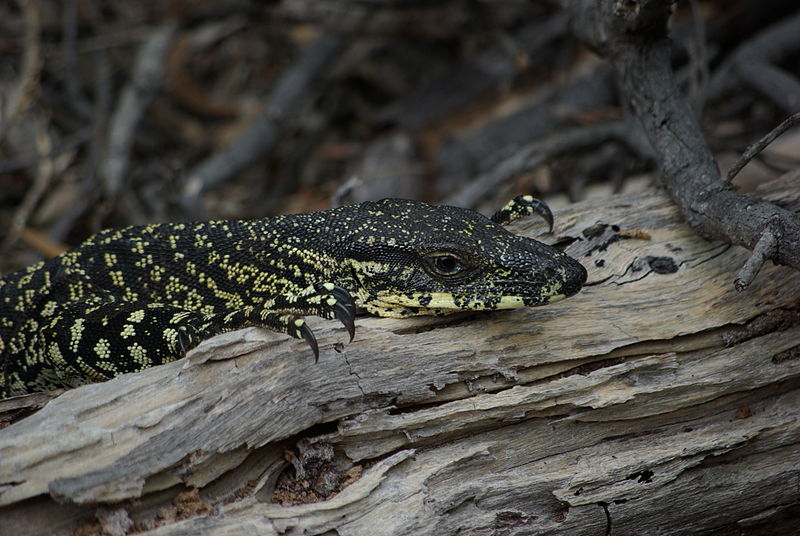
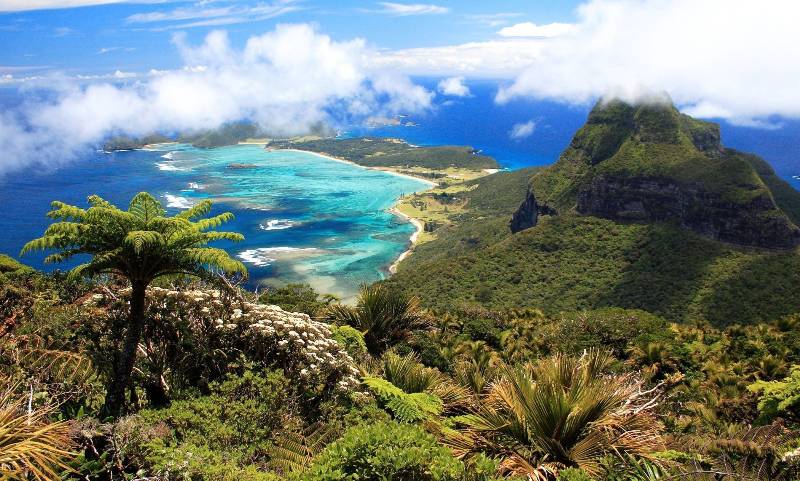
The islands support tropical and subtropical forests, shrubland and coastal vegetation. Lizards, flying foxes, land birds and many insects inhabit the islands. In the surrounding sea, visitors may see turtles, fish, rays and migrating whales. Humpback whales commonly pass through the region during the Australian winter.
Sharks, saltwater crocodiles and dangerous marine stingers may also be present. Follow local warnings and the advice of tour operators when swimming or snorkelling.
Sailing and outdoor activities
The Whitsundays are one of Australia's best-known sailing destinations. Sheltered bays and anchorages lie between the islands, and sailing offers access to beaches and reefs that are difficult to reach from the mainland. Options include day cruises, multi-day sailing trips, yacht charters, kayaking and walking on marked trails.
When to visit
The islands can be visited throughout the year. The Australian winter, roughly June to August, often brings milder temperatures and is a popular period for sailing and humpback whale watching. The wet season usually falls between January and April, while tropical cyclones are more likely from November to March. During warmer months, dangerous marine stingers are an important consideration.
Getting there
Airlie Beach on the Queensland mainland is the main tourism hub. Boats, sailing vessels and tour operators depart from there and nearby Shute Harbour. The nearest regional airport is near Proserpine, also known as Whitsunday Coast Airport. Most visitors explore the islands on organised day trips. Camping requires advance permits and arrangements for boat transfers.
Safety and conservation
Do not leave rubbish, feed wildlife or damage coral. Open fires are prohibited on national park islands. Saltwater crocodiles, dangerous jellyfish and strong tidal currents pose risks. Check local warnings before entering the water, avoid swimming at night or in low light, and never snorkel alone.
The Whitsunday Islands combine white beaches, clear seas, coral reefs and rich Indigenous heritage. They are an outstanding destination for exploring Queensland's island landscapes and the Great Barrier Reef.
Gallery