Palmyra
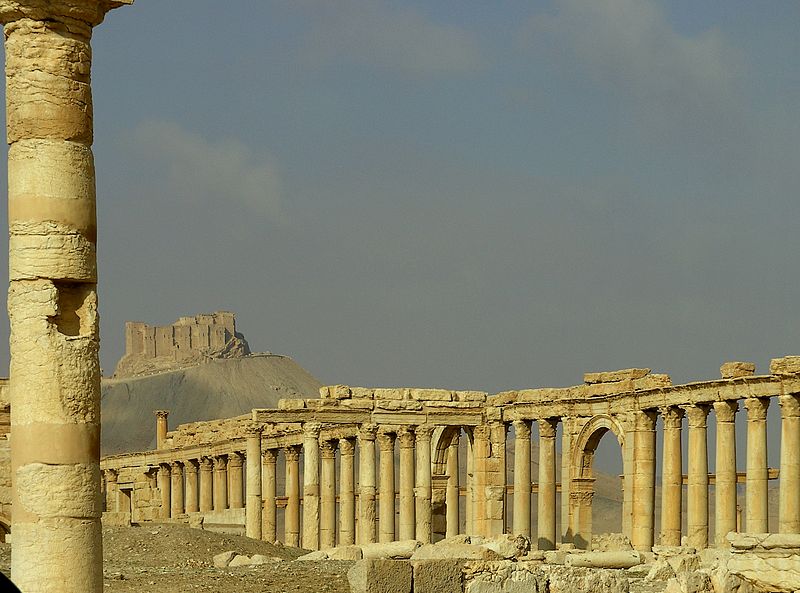
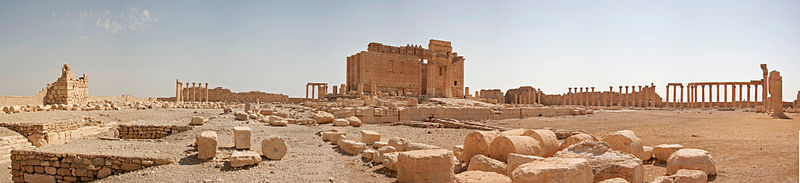
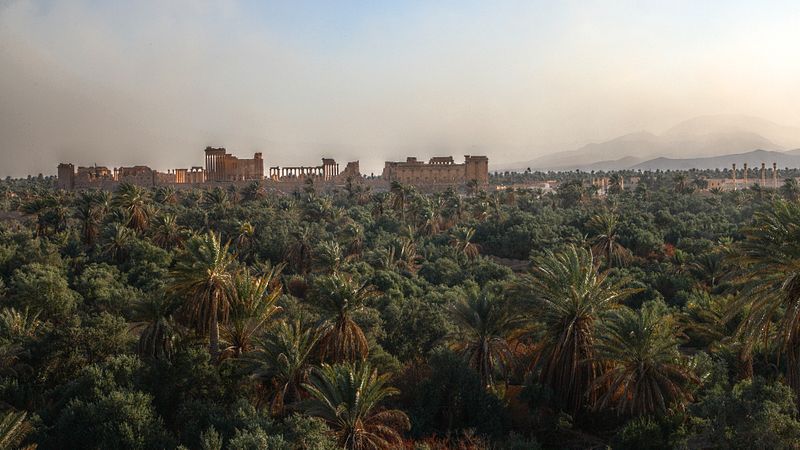
Palmyra is a true wonder in the middle of the desert in Syria. It is not uncommon to hear her referred to as the "bride of the desert." This ancient historical monument is located 150 km from the Syrian city of Homs. Palmyra lures travelers with its silence, tranquility and beauty.
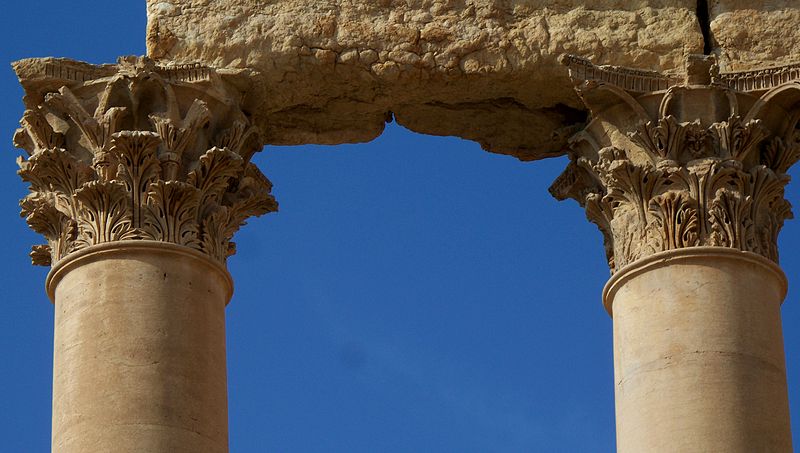
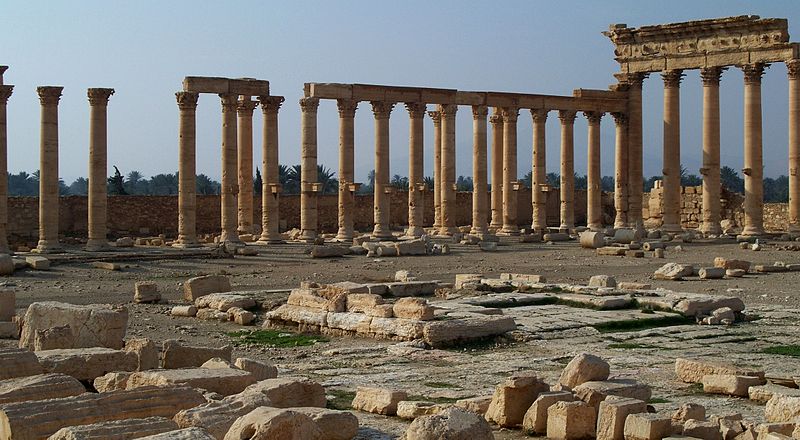
The ancient city seems to be one with the local nature. The columns of historical architectural monuments have grown up, right among the yellow sand of this valley. Their walls are decorated with an excellent stone cross-section. Here you can see wonderful engravings of vines with leaves, as well as animals and birds.
Palmyra was previously inhabited by various nations that roamed the desert and, as a rule, obeyed different gods. The most magnificent temple in this area is dedicated to the god of heaven (Bela or Baal). This building stood out quite strongly from the rest of the buildings. It had a large hall with a total area of 200 square meters. This immaculate temple brought fame throughout the Ancient East and glorified the beauty and uniqueness of Palmyra's architecture. Unfortunately, the only evidence of the temple's existence in our time is the preserved foundation.
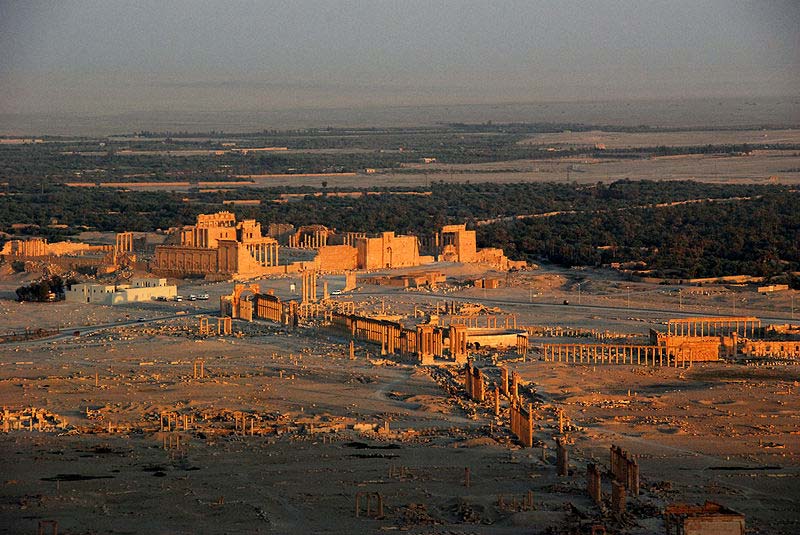
The ancient colonnades that rise in the middle of the desert often attract the attention of travelers. This place has just become famous among tourists, only since the 20th century. Tourists who have visited this area at least once are sure to discover both new and old Palmyra. One of them, which has turned into an ancient open-air museum, has long forgotten about the population, there are only curious tourists here. In the second one, Bedouin settlements have been observed for a long time. This city is slowly getting lively, new streets are appearing, and electricity is being supplied. Local residents plant entire groves of palm trees, plant gardens and vegetable gardens, and graze livestock. Palmyrians, adhering to ancient traditions, actively sell national clothes and various handmade items. New Palmyra is rightfully considered to be one with the ancient one, as it is its continuation.