Thar Desert
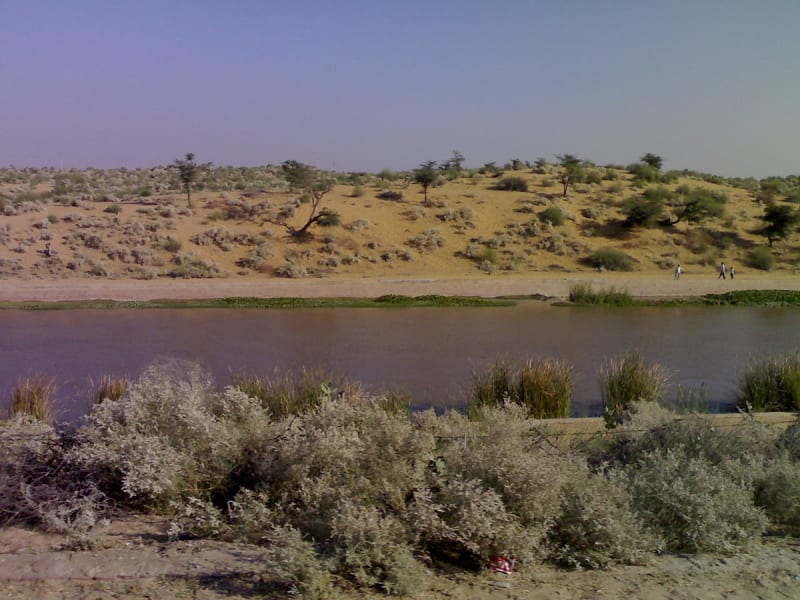
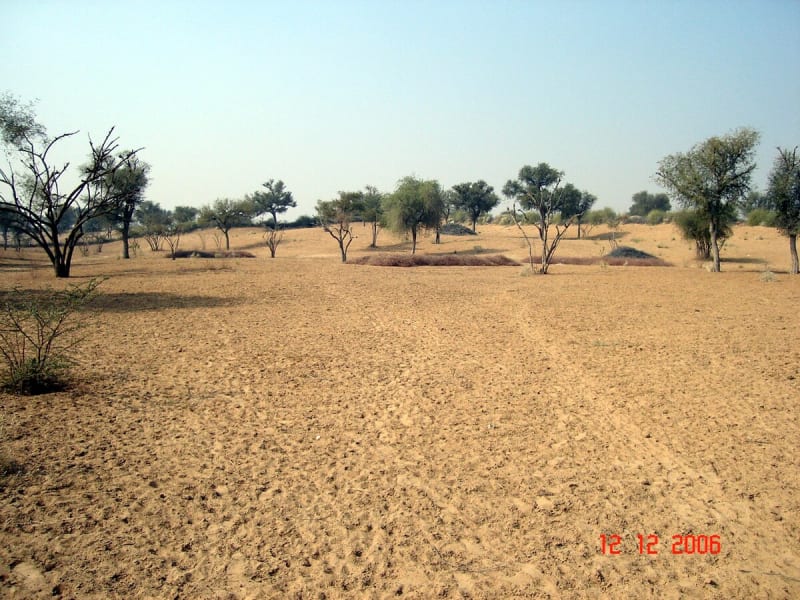
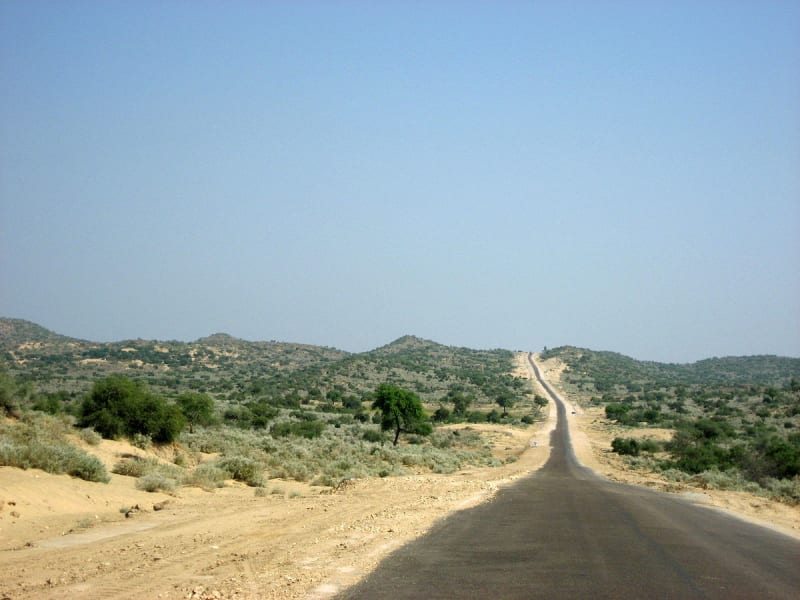
The Thar Desert is located in the ancient Indus plain on the border with Pakistan. According to scientists, the total area of the desert is about 445,000 km2. It stretches for 850 km. in length, 485 in width. Approximately half of the desert area belongs to India, the other half belongs to Pakistan.
The origin of the desert
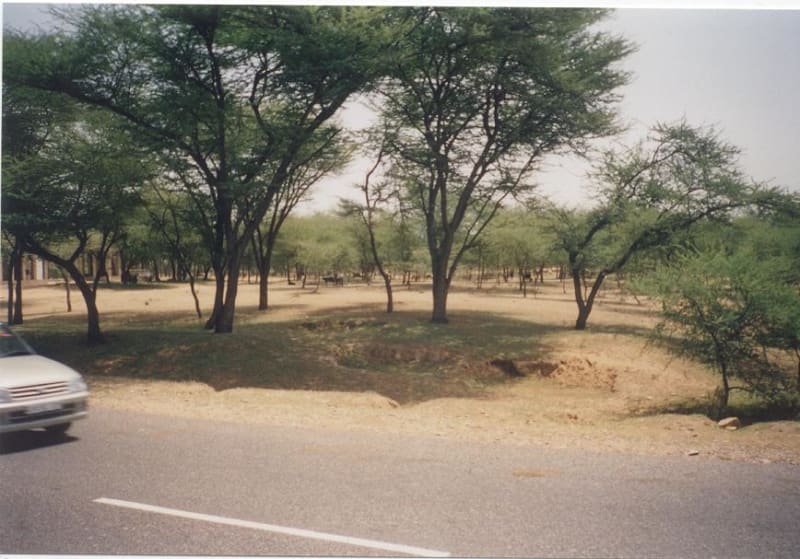
Tar refers to sandy deserts. This is a flat area with a decrease to the Indus Valley. During the Paleozoic, there was a constant process of soil degradation and erosion, followed by desertification. Some scientists believe that the desert is very ancient, and its age reaches 1 million years. From the point of view of other researchers, desertification occurred as a result of the drying up of the Ghaggar River in the period 2-5 thousand years BC. Another part of scientists thinks that the origin of the Tar desert is related to human influence. And it is quite possible that if intensive grazing had not been carried out on this territory for 7 thousand years, it would have remained a steppe, a savanna, and even would have been covered with deciduous forests. The most interesting of all the landforms are the dunes. In some areas, they can reach heights from 10 to 80, and sometimes 158 meters.
Climatic features
The climate in the Tar desert, although subtropical, is very dry and continental. It is very hot here, just like in the hottest areas of the Sahara or Mojave deserts. The average daily temperature in summer is +40°C, in winter +22-28°C. A record high temperature of +50 °C was recorded in Ganganagar, India. Precipitation is very low - up to 90 mm, although in the Indian part it is more than in the Pakistani part - up to 200 mm during the summer monsoon, from July to September. In the driest areas, it may not rain for several years. Dust storms are a frequent occurrence in May and June, especially in the western part of the Tar Desert.
Flora and fauna
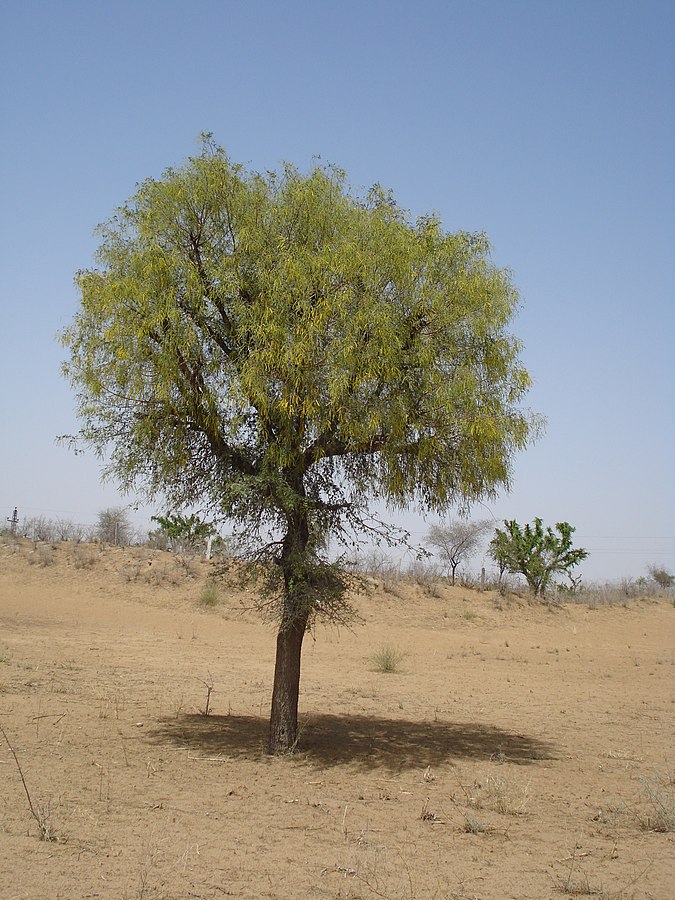
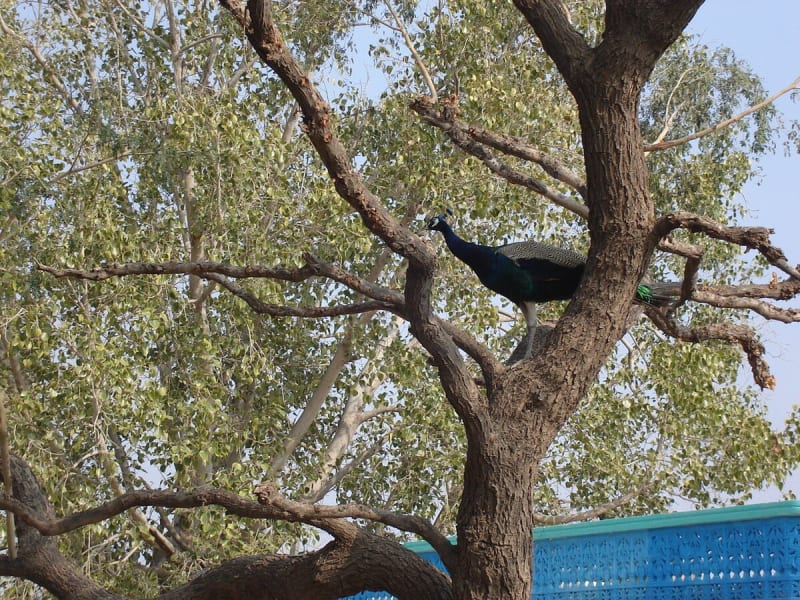
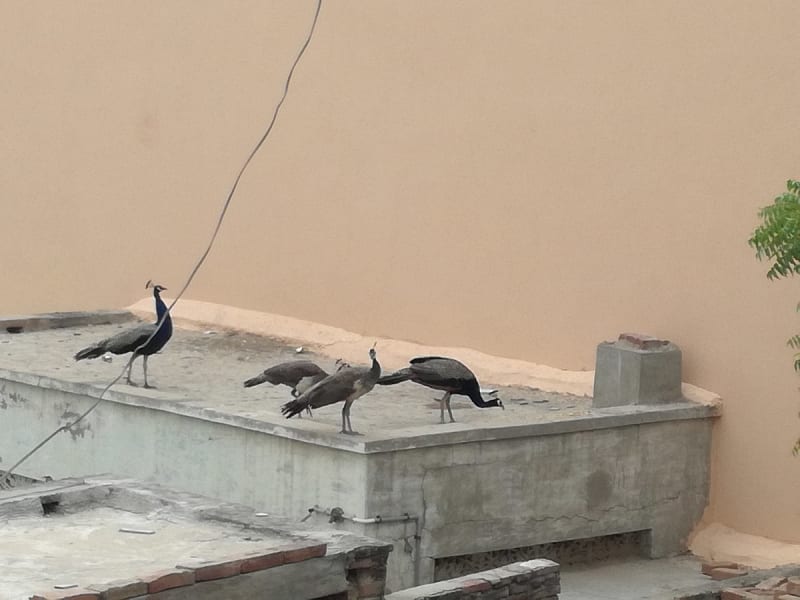
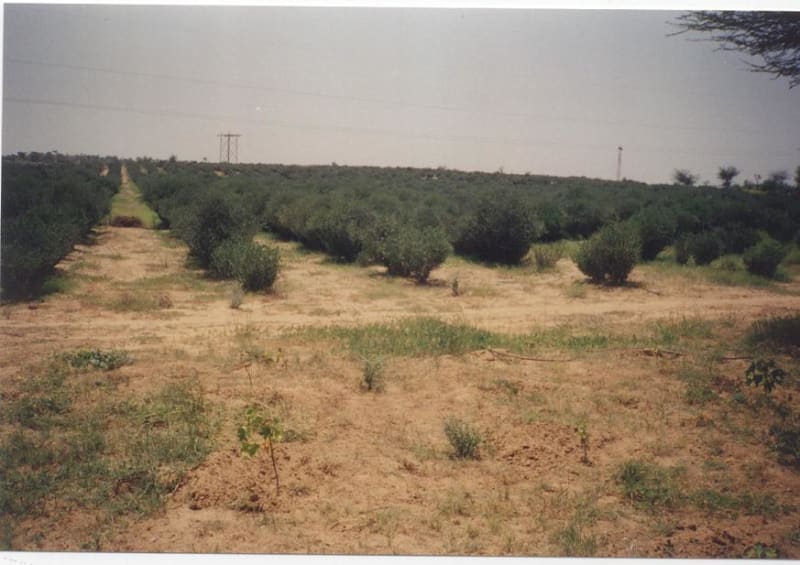
The vegetation of the Thar desert is extremely poor. Xerophilic cereals, low-growing trees and shrubs typical of dry and very hot habitats are mainly represented. They are characterized by woodyness and stiffness of the stem, very low feed value, especially at late maturation. Deciduous capers, bitter juzgun, saxaul of various varieties, etc. grow here. There are Nile acacias, their height does not exceed 4 meters. The fauna of the Tar desert is represented by small predators. These are mongoose, caracal fox, steppe and reed cat, etc.
Local crafts
Despite the very difficult living conditions, the Tar Desert is considered the most densely populated in the world. The locals live in round huts made of clay, covered with roofs made of straw. A well is a mandatory attribute of each settlement. Despite the hot, arid climate, pastoral cattle breeding is well developed in the region. One of the most notable events here is the large cattle fairs. It also produces the largest volume of sheep's wool in India, used in the production of high-quality carpets.