Paphos Archaeological Park
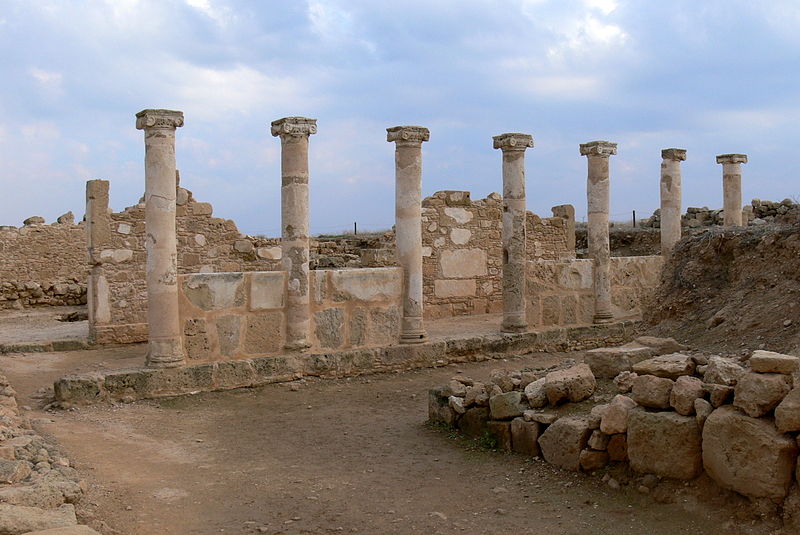
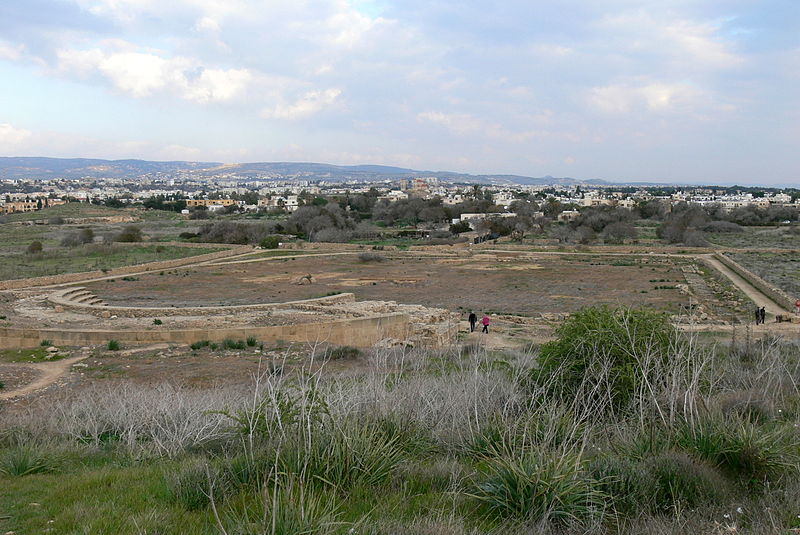
Not far from the town of Paphos, archaeological excavations of the ancient city began in the 1960s, which continue to this day. Throughout the excavations, ruins of villas of the rich, gentlemen, temples, an odeon, an agora, and numerous mosaics were discovered. Nowadays, an open-air museum, the Archaeological Park of Paphos, has been built at the excavation site.
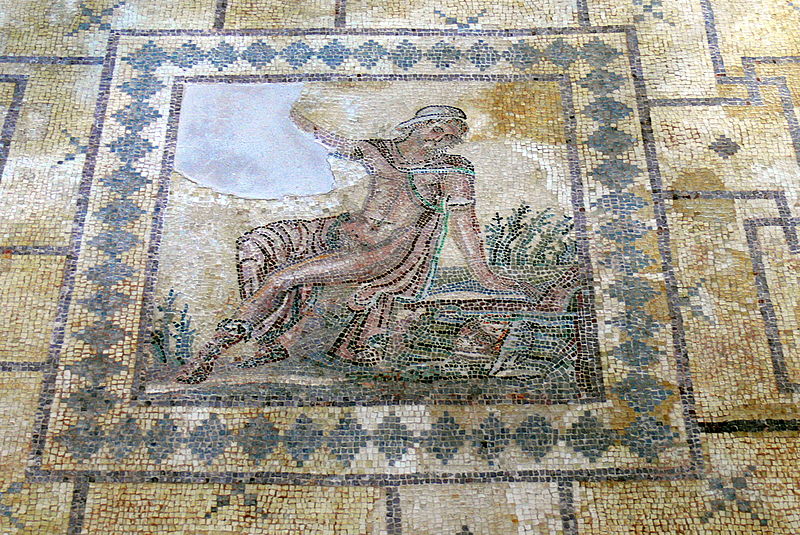
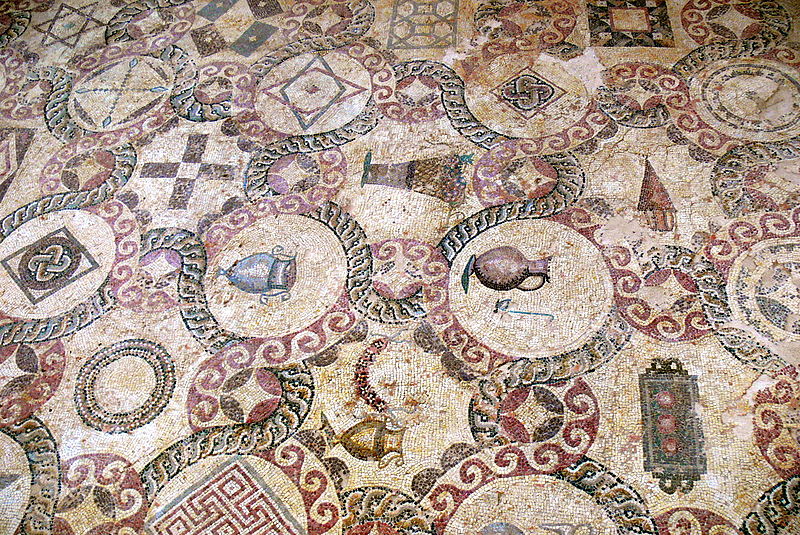
Among all the excavations, the ruins in the house of Dionysus stand out, it was from here that the excavations began. In 1962, mosaics were accidentally discovered during construction work. During the excavations, it turned out that the total area of the villa is more than 2000 m2. The house had 40 rooms and 15 mosaic floors with a total area of 556 m2. A large number of household items were also found, which can now be seen in the Paphos Museum. The very first mosaics in the house of Dionysus are made of black, brown and white pebbles. Over time, the craftsmen improved their skills and mosaics began to be made from cut stones of various shapes, glass of various colors, as well as marble.
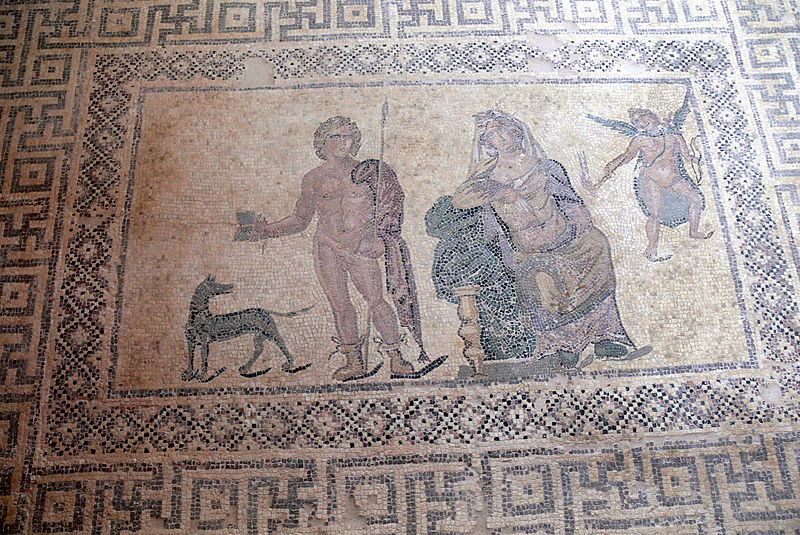
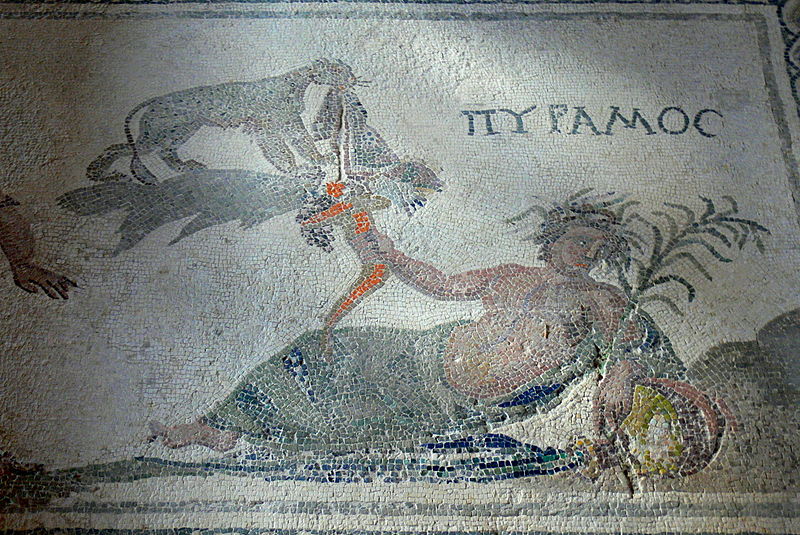
It is believed that one of the first mosaics in Cyprus depicting 2 dolphins was made in the 3rd century BC. In the archaeological park of Paphos, there are many mosaics depicting heroes of myths and Greek gods. Among them is a mosaic depicting Narcissus admiring his reflection, Poseidon showing the spring of Amimone, Daphne turning into a laurel tree because she refused to be with Apollo. There are also many images of animals and birds in the archaeological park.
Most of the buildings in the Paphos Archaeological Park were damaged or destroyed by earthquakes in the 3rd and 4th centuries, as well as by Arab raids. Such buildings include the house of Theseus, named after the mosaic depicting the battle of the Minotaur and Theseus. It is believed that this was the house of the Roman proconsul, as it had more than 100 rooms, a large courtyard surrounded by economic and administrative buildings, and thermal baths. No less interesting will be the mosaics and frescoes of the houses of Aeon and Orpheus.
In the archaeological park of Paphos, you can find the ruins of the Saranta Kolones fortress, built in the 7th century to protect against Arab raids. The fortress had a difficult fate - it was captured and destroyed several times. In 965, it was rebuilt, but the earthquake of 1222 severely destroyed the fortress, after which it was no longer restored. The fortress was a double and rather formidable structure. The walls of Saranta Columns were 3 meters thick, followed by the inner castle, which had military and outbuildings: a bakery, a bathhouse, marble pools, a mill, a stable and even a chapel.
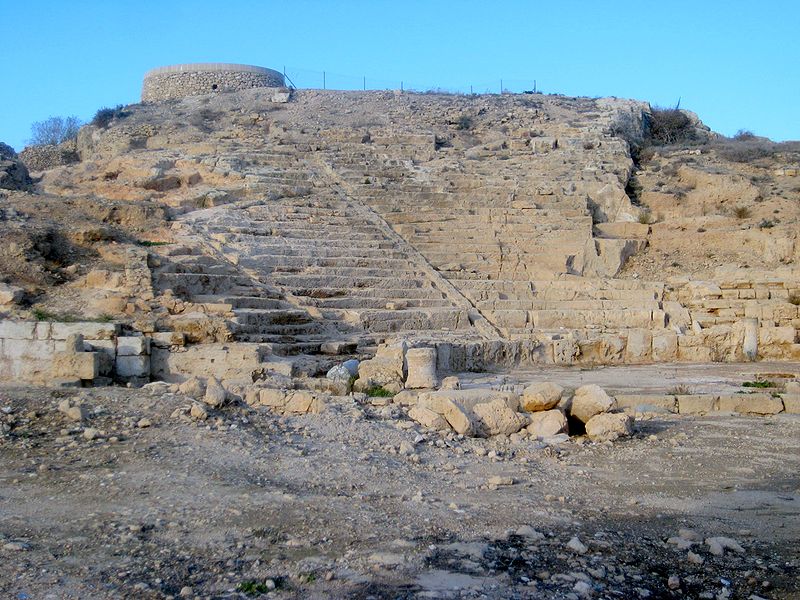
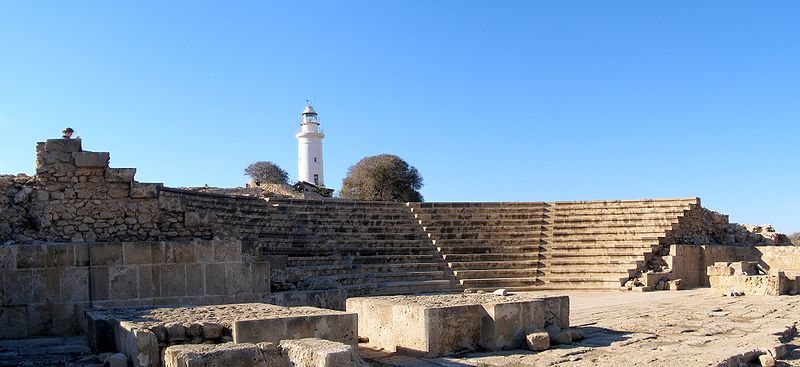
In addition, the park has an odeon for 1,200 spectators, the temple of Asclepius, the agora, the lighthouse, the Basilica of Panagia Limeniotissa. Lovers of antiquity will have something to see in the archaeological park of Paphos.