Wuyi Mountains
Wuishan is a national park of China, which is a mountain range stretching over more than 1,000 km2. The territory of the park itself is approximately 70 km2. The average height of the mountains is 650 meters, and the maximum is 2,158 meters at Mount Wuishan. Due to its biological and cultural value, the area was included in the UNESCO World Heritage List in 1999.
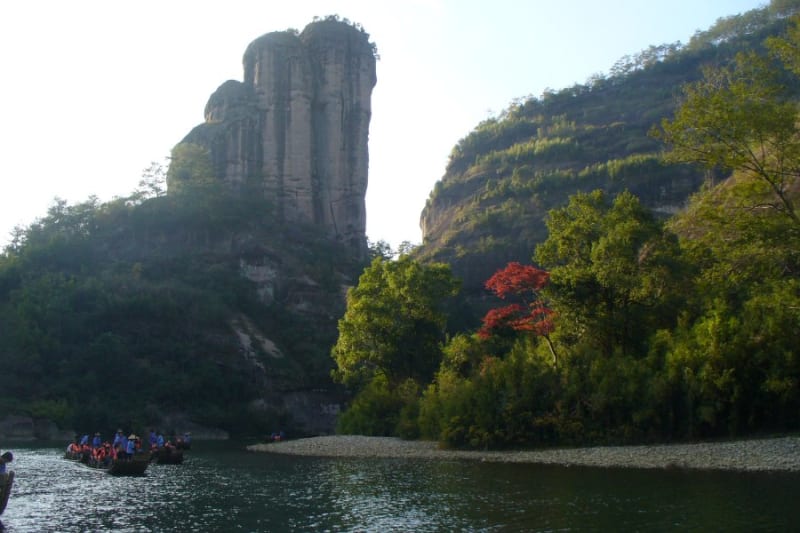
There are beliefs in these places that in ancient times one of the founders of the Chinese nation, Peng Zu, chose Wuishan for settlement. One day, due to a large river flood, the city was flooded, but Peng Zu's sons, Peng Wu and Peng Yi, came to the rescue, leading the inhabitants to the mountains. Later, they laid new riverbeds to discharge flood waters. This is how, according to legend, the Jiuqiuxi River with all its tributaries appeared. And the residents immortalized the brothers by naming Mount Wishan after them, and the Wiguong Palace was also built on the river. Earlier, the emperors of ancient China made sacrifices in the mountains, among them the emperors Wudi and Xuanzong.
Wuishan National Park is recognizable due to the cultivation of a large number of tea varieties, among which Da Hong Pao tea and red Lapsang Souchong are the most famous. You can talk about the beneficial properties of tea for a long time and each variety is useful in its own way.
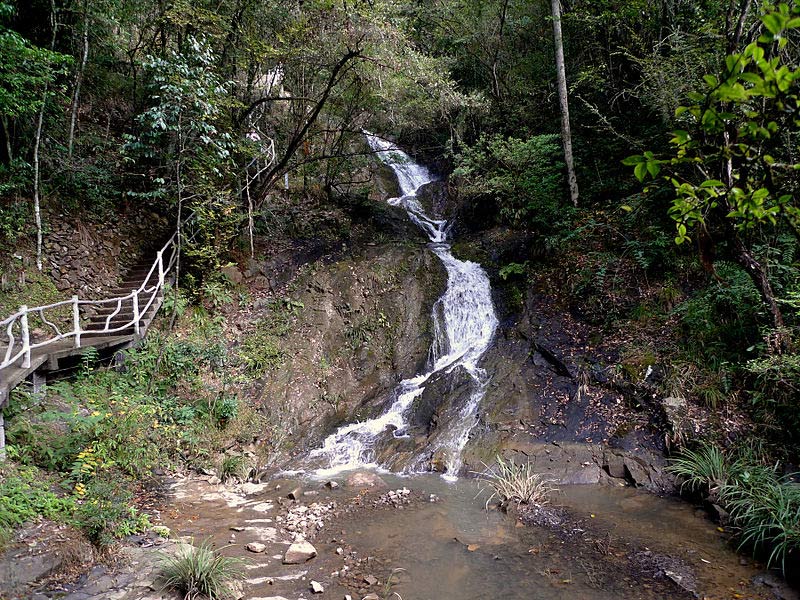
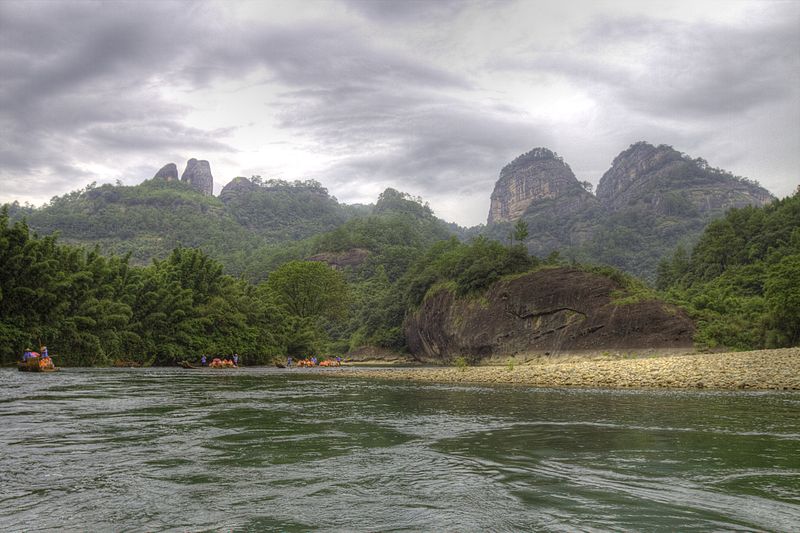
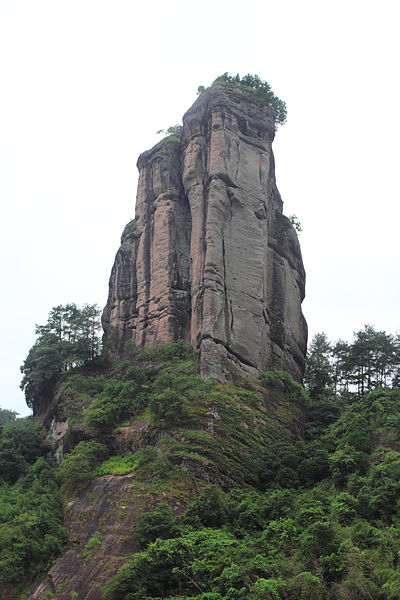
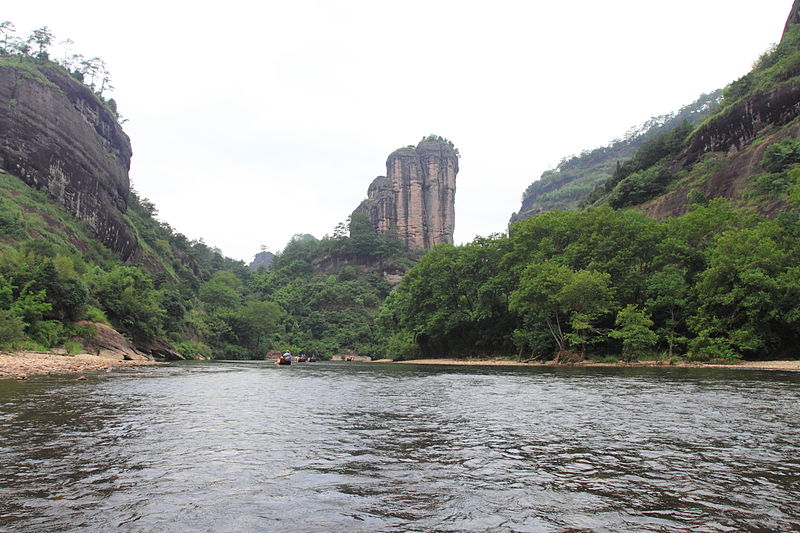
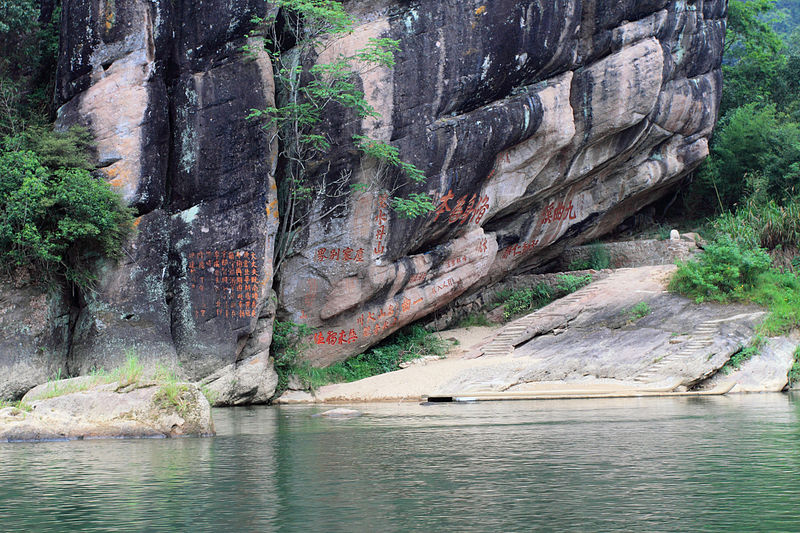
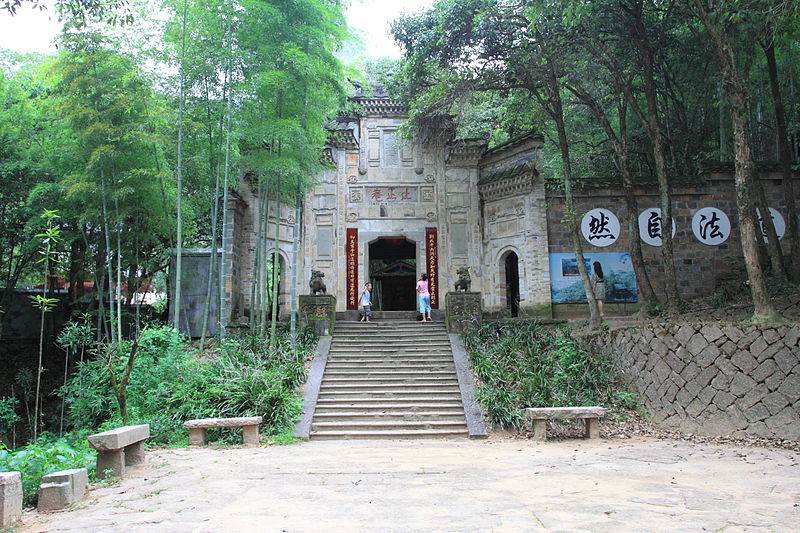
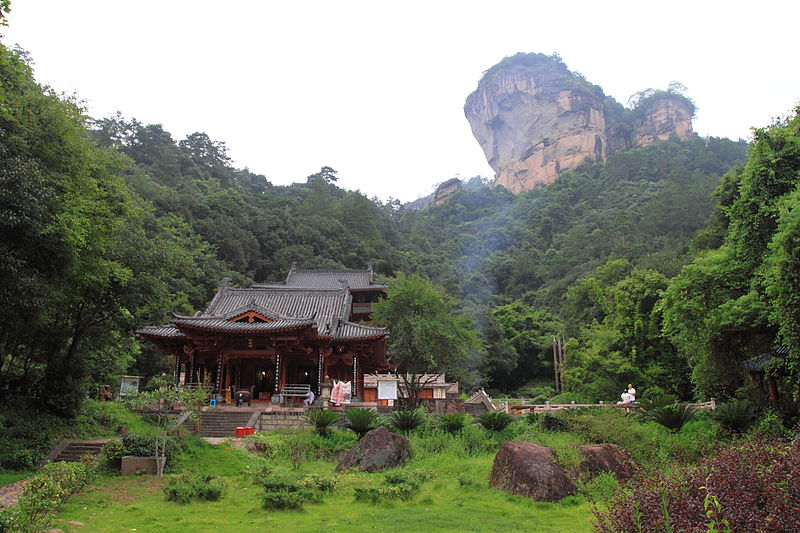
There are also relict plants growing in these parts. Picturesque places are found at every turn: the "river of nine bends", sandstone cliffs, temples and monasteries, some of which were destroyed by time. These monasteries were the birthplace of Neo-Confucianism, which gave a strong impetus to the development of East Asian culture in the 11th century. Not so far away are the ruins of the capital of the Han Dynasty, as well as the Wannian Palace, the Chaiyang Academy and the Hongqiao Bridge.
Millions of tourists come to Wuishan every year, and sometimes the authorities have to close access to some parts of the park to prevent the destruction of unique monuments. Visitors to the park can take hiking trails to the mountains, or a water excursion and sail 9 km on bamboo rafts past the twisted mountains of red sandstone. Guides often take tourists to Taoyuan Cave. The cave is difficult for the uninformed to find, as the entrance is hidden behind a huge stone that merges with the mountain from a distance.