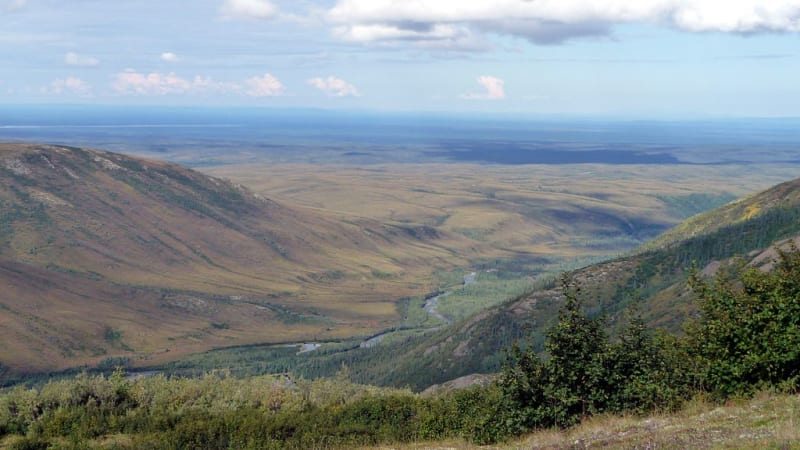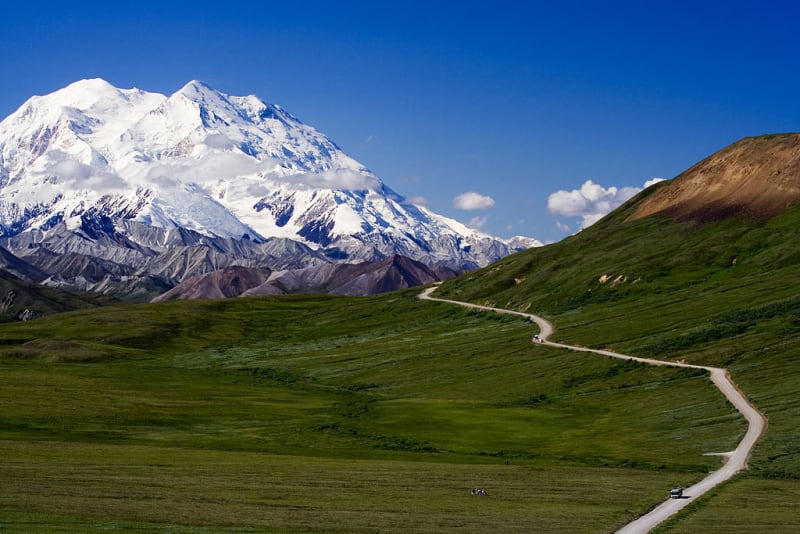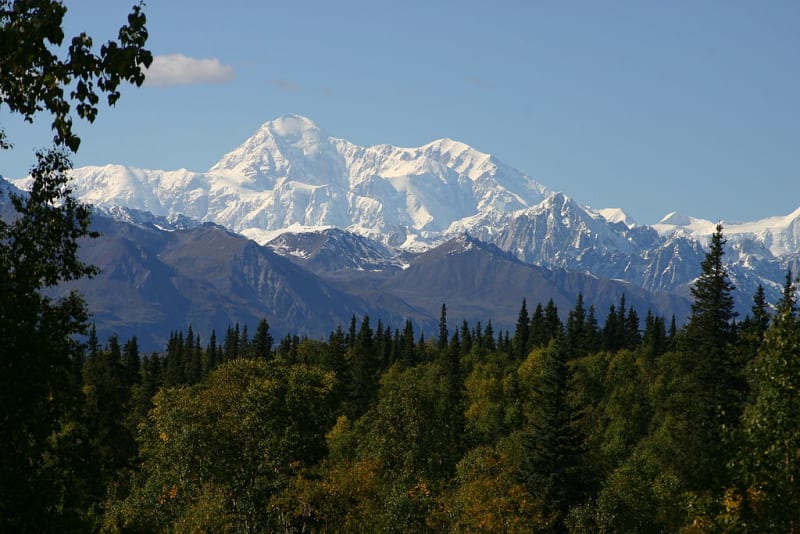

Denali is a US national park in Alaska, spread over an area of 25,000 km2. The park is home to America's highest point, Mount McKinley (6,193 meters), named after U.S. President William McKinley. The mountain is constantly growing, which is why this area is prone to earthquakes. The Athabaskan Indians call this mountain Denali, which means "great" in their language.
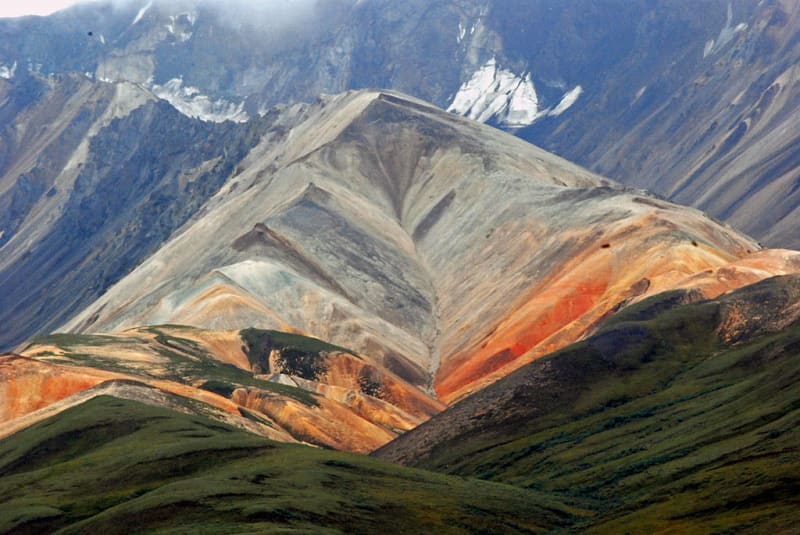
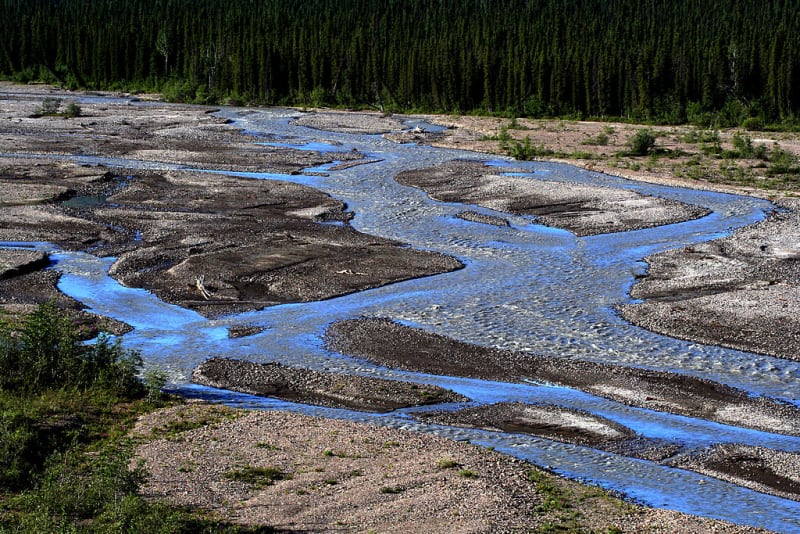
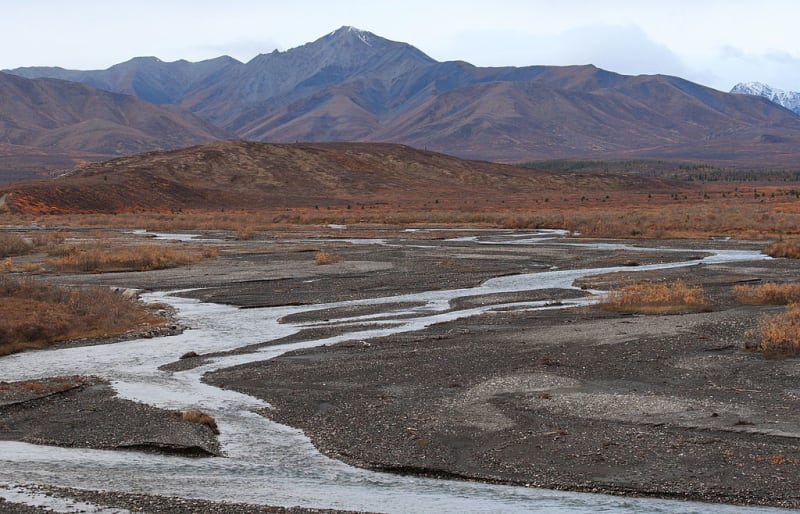
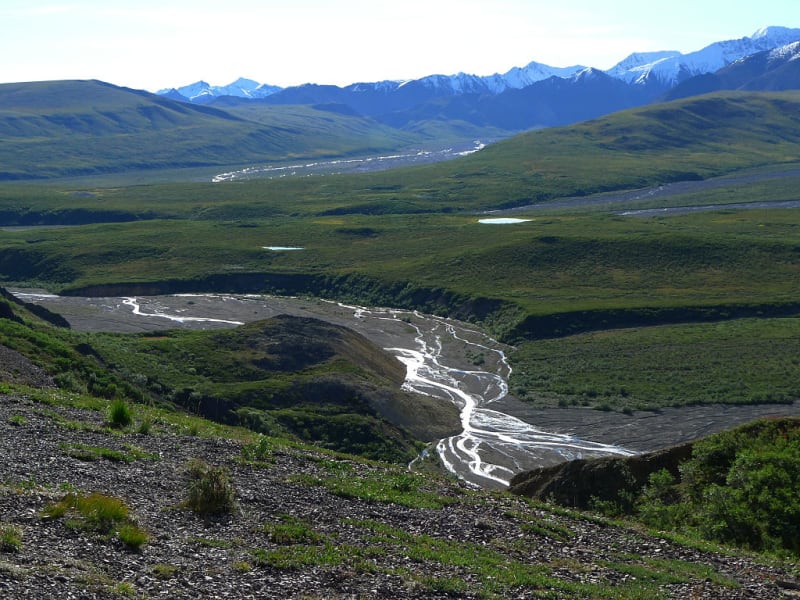
The National Park was founded back in 1917, when it was called Mount McKinley. In 1978, another national park, Denali, appeared, and in 1980 both parks were merged. Nowadays, in Denali Park you can find high mountains, deep rivers and lakes formed by glaciers. Locals consider the Tanana River to be the most colorful, and of the Chilchukabena and Vonder lakes.
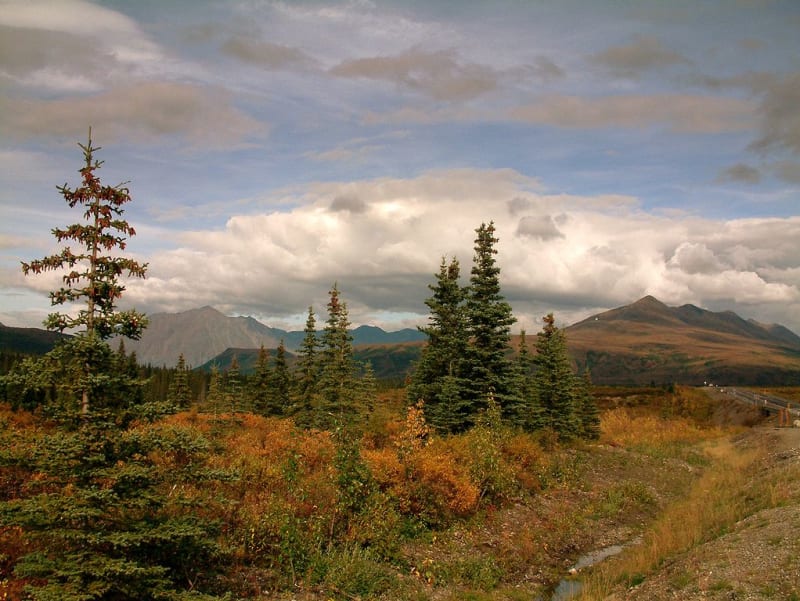
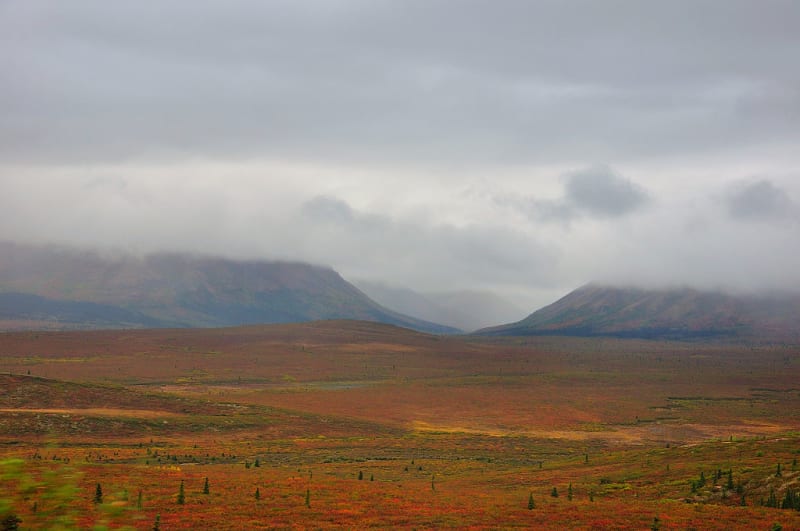
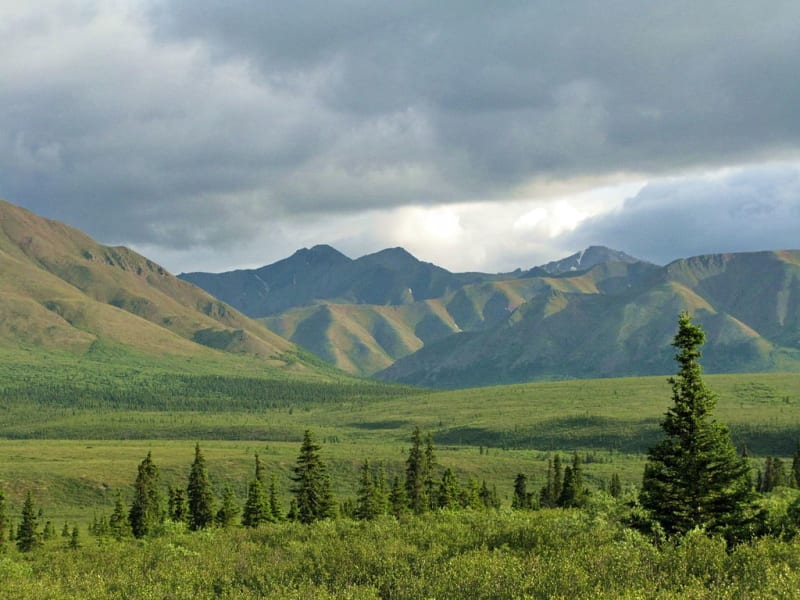
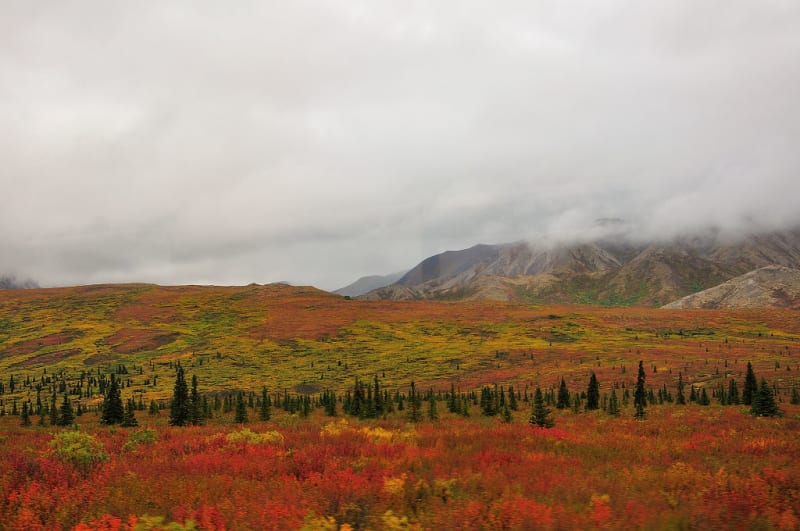
Denali Park has a unique flora, as millions of years ago Asia and Alaska were connected through a land isthmus. There are over 650 plant species in the park, including mosses, fungi, algae, and lichens. Coniferous forests grow on the northern and southern slopes of the Alaska Range. Deciduous forests of poplar, Japanese birch, and alder are also found in places. On the plains there are fields of heather, grasses, sedges, gentians, lupines, cypresses, hyacinthoides.
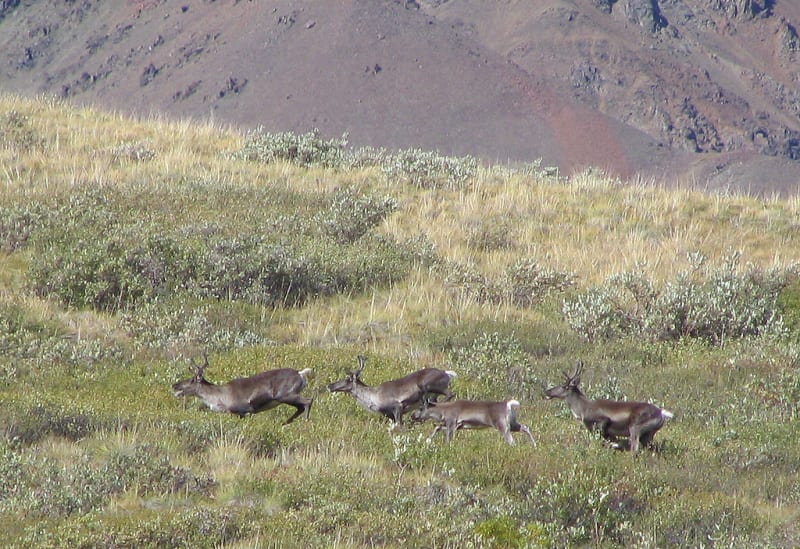
There are 39 species of animals recorded in Denali. There are many grizzlies and black bears in the local forests. In addition to bears, deer, moose, and sheep can be found in the park. Birds, squirrels, wolves, beavers, foxes. Of the amphibians, only the tree frog lives here, which produces glucose in the liver, which is why the frog's cells do not freeze. During the cold weather, the frog's heart does not beat, it wakes up in the spring.
Denali Park is very popular among tourists, it is visited by almost a million travelers per year.
Gallery