Urnes Stave Church is one of Norway’s oldest surviving wooden churches and an outstanding monument of medieval Scandinavian architecture. It stands above Lustrafjord, an arm of the famous Sognefjord, in the municipality of Luster in Vestland. The church is renowned for its intricate wood carvings, which combine Viking-era Scandinavian art, Christian symbolism, and elements of Romanesque architecture.
Its exceptional value lies in the survival of both the building’s twelfth-century structure and decorative elements reused from an earlier church. Urnes Stave Church was inscribed on the UNESCO World Heritage List in 1979.
History of the Church
The present church was built around 1130, although religious buildings had stood on this site long before. Researchers believe that several wooden churches preceded the existing structure. Parts of an earlier building were incorporated into the church, preserving artistic and architectural evidence from different periods.
Particularly important are elements dating from the eleventh century, including the celebrated north portal, exterior boards, and structural components. Their reuse preserved remarkable carvings created before the current church was built.
What Is a Stave Church?
A stave church is a traditional Norwegian wooden church built around a framework of upright timber posts known as staves. These posts are joined by horizontal beams to support the walls and roof. Urnes displays characteristic features such as massive wooden supports, a multi-tiered roof, a compact nave, and a distinct chancel.
The structure demonstrates how medieval Norwegian builders adapted sophisticated woodworking techniques to Christian church architecture. Although built mainly from timber, stave churches could echo the spatial organization of Romanesque stone basilicas.
The Famous North Portal
The church’s most celebrated artistic feature is the carved portal on its northern side, which comes from an earlier building. Its panels are decorated with intricate interlacing lines and fantastic animals whose elongated bodies form a unified ornamental pattern. This design gave its name to the Urnes style, an important form of Scandinavian art associated with the transition from Viking traditions to the Christian Middle Ages.
The style is distinguished by elegant animal figures, flowing lines, interlacing patterns, and carefully balanced compositions. The carvings reveal the skill of Norwegian craftsmen and show how decorative techniques used on wooden objects and other works were adapted to religious architecture. The precise meaning of individual figures remains open to scholarly interpretation.
Architecture and Interior
The church’s timber framework is assembled using traditional carpentry techniques, and the roof is covered with wooden shingles. Its architecture combines Scandinavian building traditions with forms reminiscent of Romanesque stone churches. Inside, visitors can admire carved column capitals and a wooden Calvary group dating to around the middle of the twelfth century.
The altarpiece and pulpit were added in the late seventeenth century, while paintings in the chancel date from 1601. These furnishings from different periods preserve evidence of changing religious practices and the church’s continuing use over the centuries.
UNESCO World Heritage
Urnes was added to the UNESCO World Heritage List in 1979 because of its exceptional architectural and artistic significance. It is an outstanding example of medieval Scandinavian timber construction and preserves rare decorative and structural elements from an earlier building. Its carvings also illustrate the meeting of Viking traditions, Celtic influences, and Romanesque forms.
The church is protected under Norwegian cultural heritage legislation. Timber is vulnerable to fire, moisture, temperature changes, and biological damage, so careful conservation is essential. Restoration campaigns included work in 1906–1910 and 2009–2010, and fire protection measures help safeguard the historic structure.
Setting and Landscape
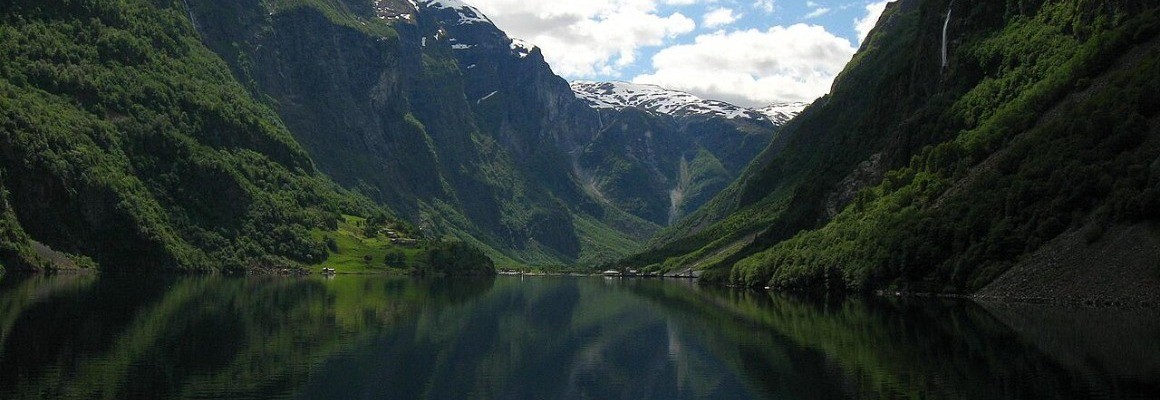
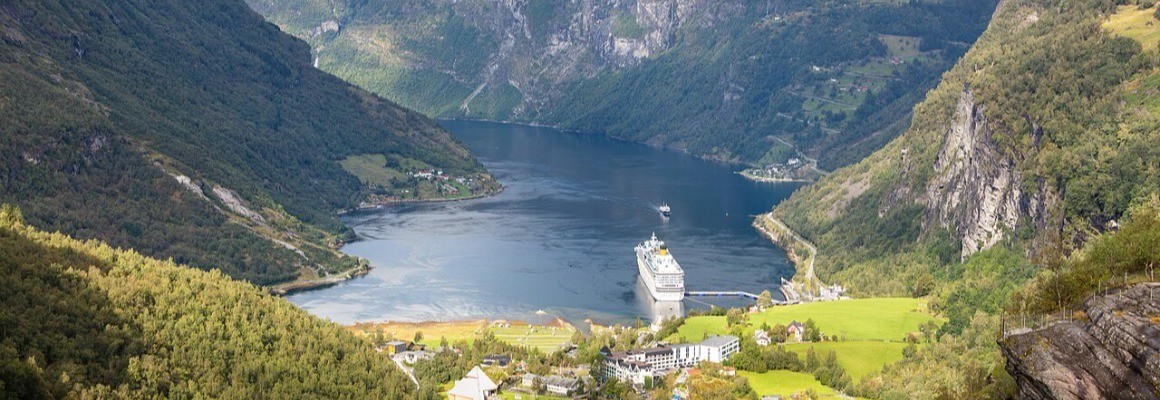
The church stands on a raised promontory above Lustrafjord. Water, steep mountain slopes, and green valleys create a striking setting for the dark wooden building. A visit can be combined with a journey around Sognefjord and exploration of the villages and mountain scenery of Vestland.
Best Time to Visit
Late spring through early autumn is generally the most convenient period to visit. Official visitor information usually lists the church as open from 2 May to 30 September, daily from 10:30 to 17:45, with some holiday exceptions. Opening dates and times can change, so check the official visitor information before travelling.
Entry is generally organized as a guided visit, which includes an explanation of the famous north portal. Because the building is fragile and historically significant, visitors should follow staff instructions and avoid touching the carvings without permission.
How to Get There
Urnes Stave Church is near Ornes in the municipality of Luster. Most visitors include it in a trip around Sognefjord. The region can be reached by car or public transport, followed by local roads and, depending on the route, a ferry crossing across the fjord. Check road conditions and ferry timetables in advance, particularly outside the main travel season.
Urnes Stave Church is more than an old wooden building: it is a rare link between Viking-era art and medieval Christian architecture. Its carved portal, historic timber structure, and dramatic fjord setting make it one of Norway’s most significant cultural landmarks.
Gallery