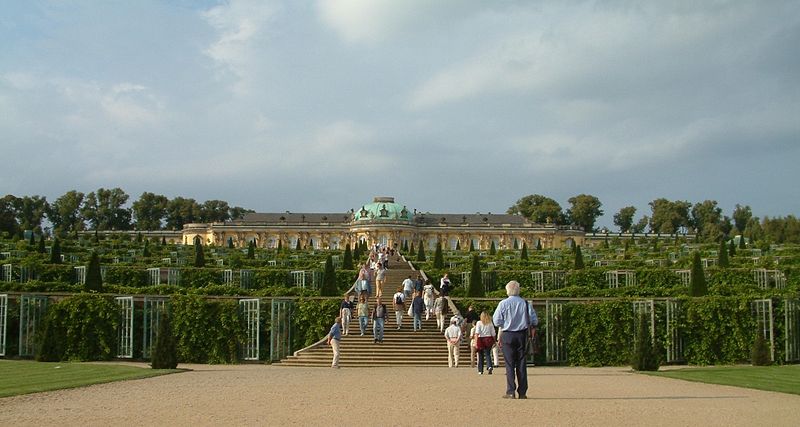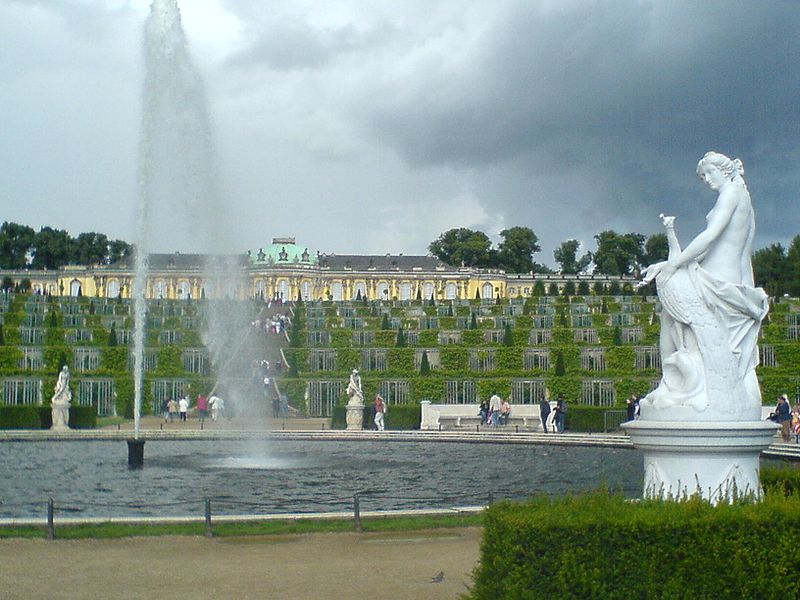

Sanssouci is a famous palace and park complex in Potsdam, near Berlin, Germany. It is considered one of the outstanding monuments of eighteenth-century European architecture and is best known as the summer residence of Frederick II the Great, King of Prussia. The palace is surrounded by terraced vineyards, flower gardens, sculptures, fountains, and carefully maintained paths. The harmony between architecture and nature has made Sanssouci one of Germany's most recognizable landmarks.
The name Sanssouci comes from the French expression sans souci, meaning “without worry” or “carefree.” It reflects the palace's original purpose: a retreat where the king could step away from state affairs, enjoy art, read, make music, and welcome like-minded guests. Today, Sanssouci forms part of the UNESCO World Heritage Site “Palaces and Parks of Potsdam and Berlin,” inscribed in 1990.
History of the palace
The idea for the summer residence came from Frederick II, who ascended the Prussian throne in 1740. Interested in philosophy, music, literature, and architecture, the king wanted a country palace with a more intimate atmosphere than official royal residences. Work on the terraced vineyard began in 1744, and the palace itself was built between 1745 and 1747.
The architect Georg Wenzeslaus von Knobelsdorff developed the design based on the king's wishes and sketches. Frederick II personally took part in discussions about the layout and artistic decoration. Unlike grand palaces designed for formal ceremonies, Sanssouci was conceived as a relatively small private residence where the monarch could feel more at ease.
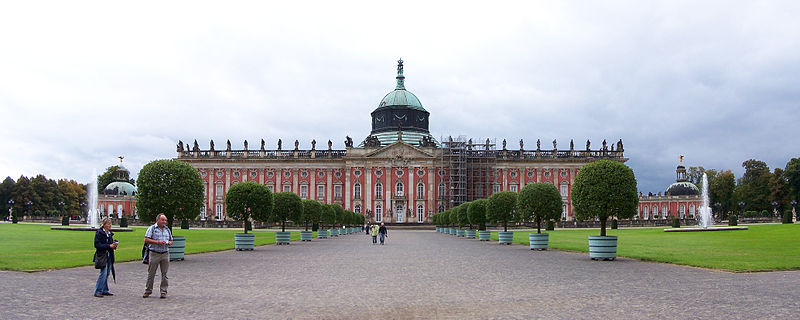
The park complex expanded in the following years. An art gallery, the New Chambers, the Chinese House, and other architectural structures were added. Later Prussian rulers enriched the park and the surrounding city with further palaces and gardens. The result was an extensive cultural landscape combining different architectural styles and European garden traditions.
Rococo architecture
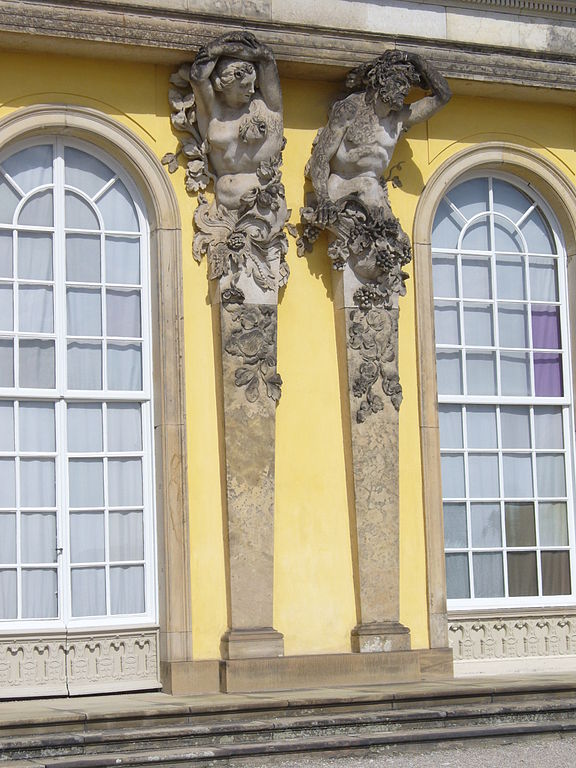
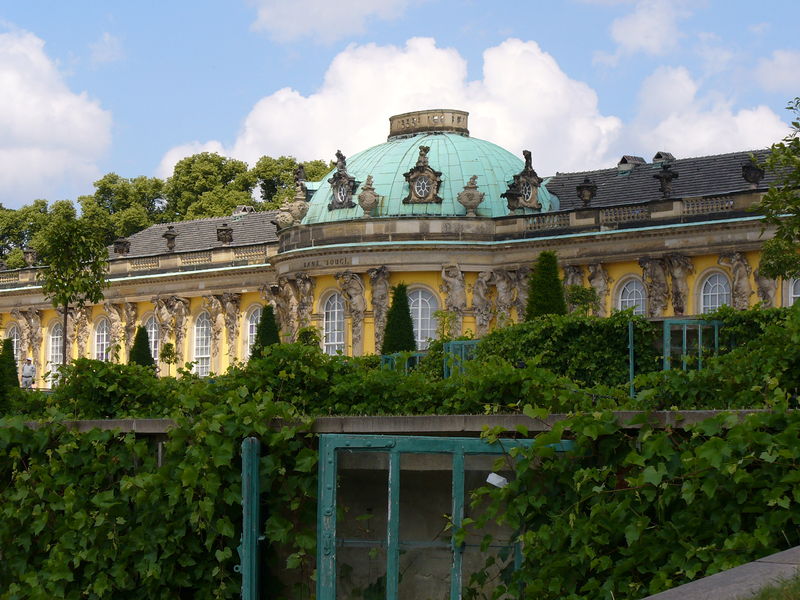
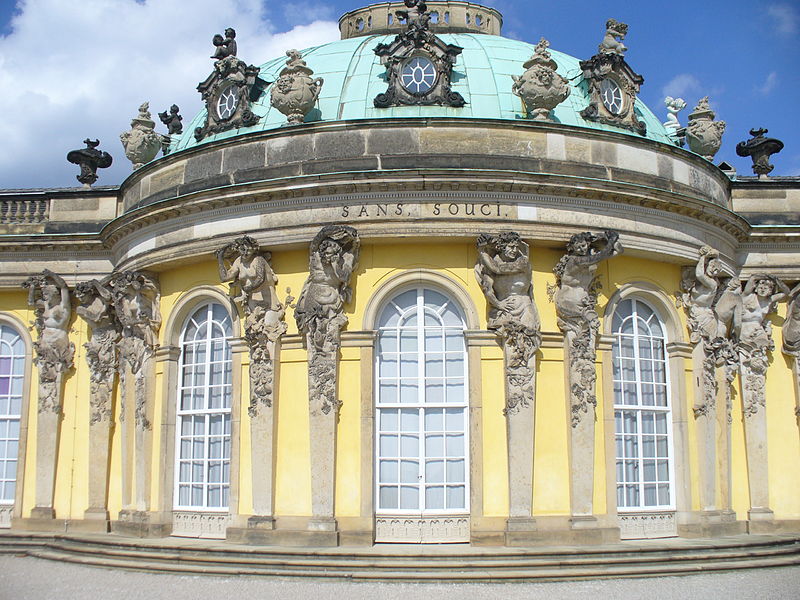
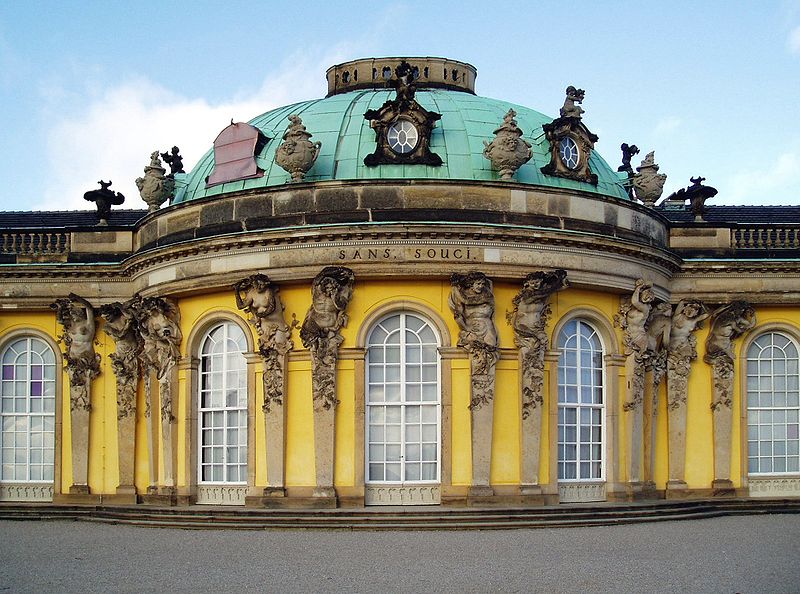
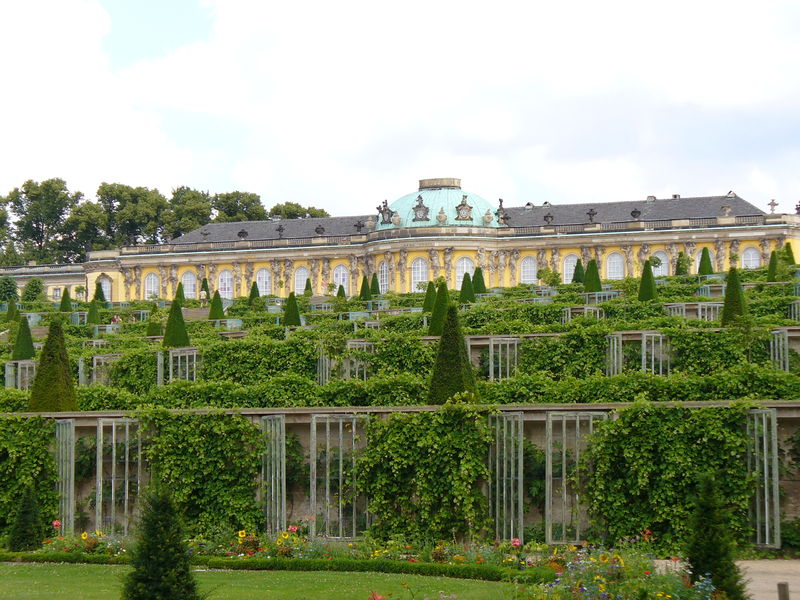
Sanssouci Palace is one of the finest examples of German Rococo. Its facades feature delicate decorative details, tall windows, sculptural ornaments, and flowing lines. The single-storey building extends horizontally and fits naturally into the hillside. Its modest size and open design make it look more like an elegant country residence than a stern symbol of royal power.
The interior decoration is just as impressive as the exterior. Highlights include the Marble Hall, music rooms, and Frederick II's private chambers. The interiors feature stucco, gilding, paintings, and decorative materials characteristic of the eighteenth century. Their design reflects the king's interest in art, philosophy, and the intellectual culture of the European Enlightenment.
The terraced vineyards
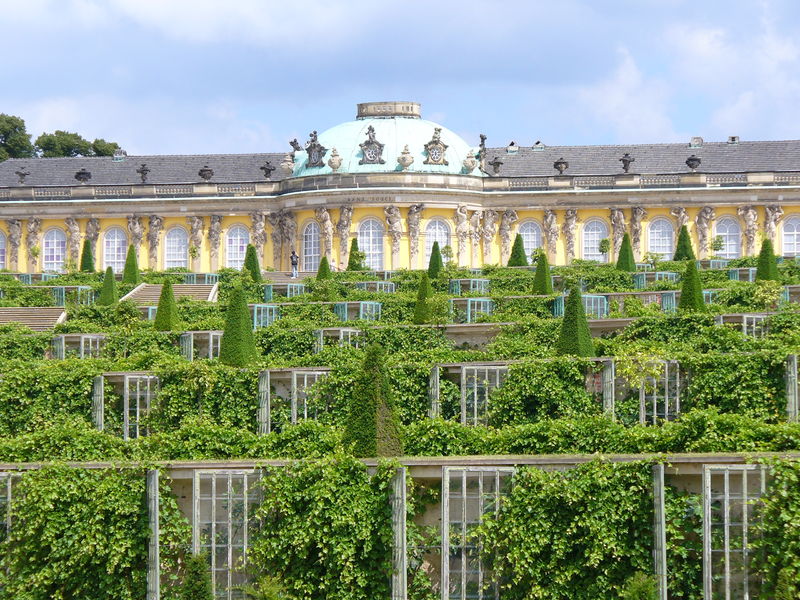
One of Sanssouci's most recognizable features is the terraced vineyard in front of the palace's southern facade. The hillside was divided into several levels with retaining walls, niches, and grapevines. This arrangement made use of the sunny slope for growing plants while creating a striking architectural composition.
The burial place of Frederick II the Great is on the upper terrace. The king wanted to be buried beside his beloved dogs at his residence, but his wish was fulfilled only in 1991, after German reunification. Today, his grave is an important part of the palace's historic character.
Sanssouci Park
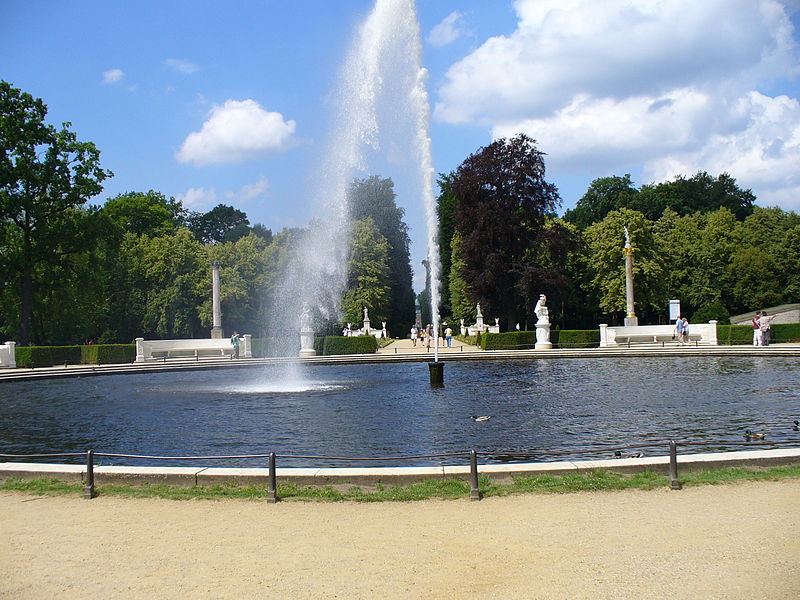
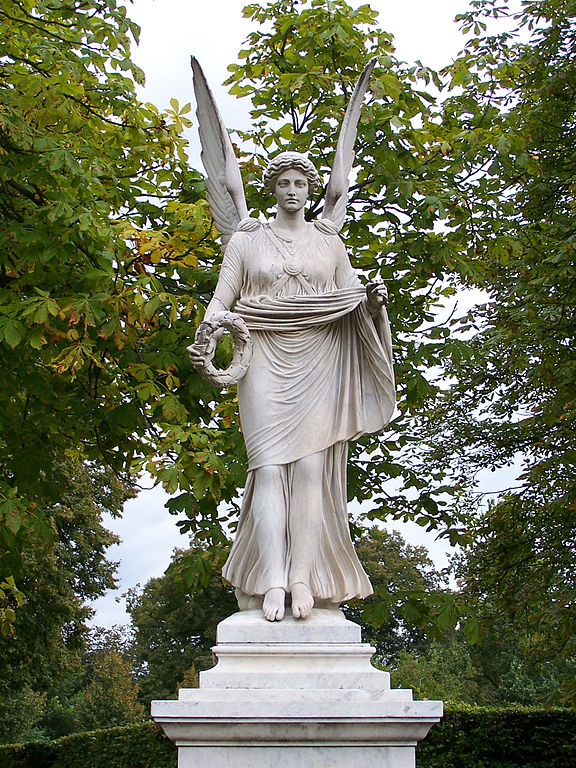
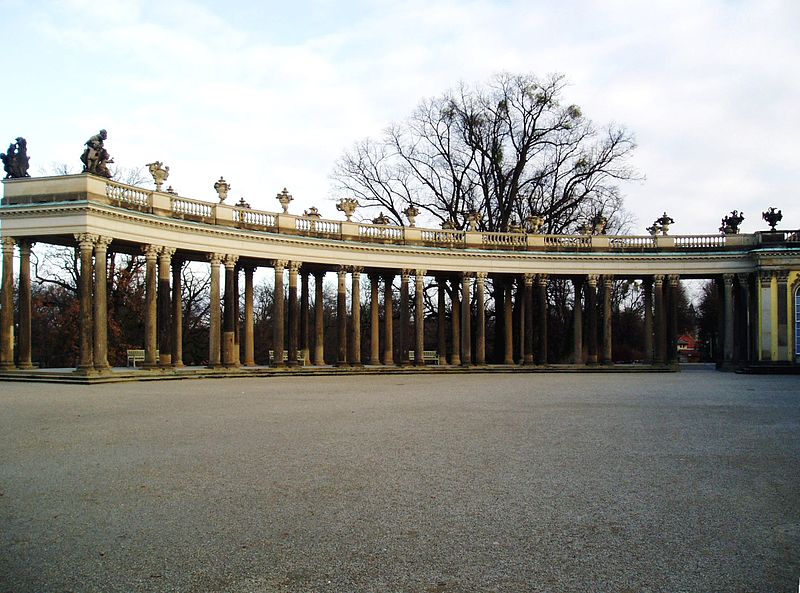
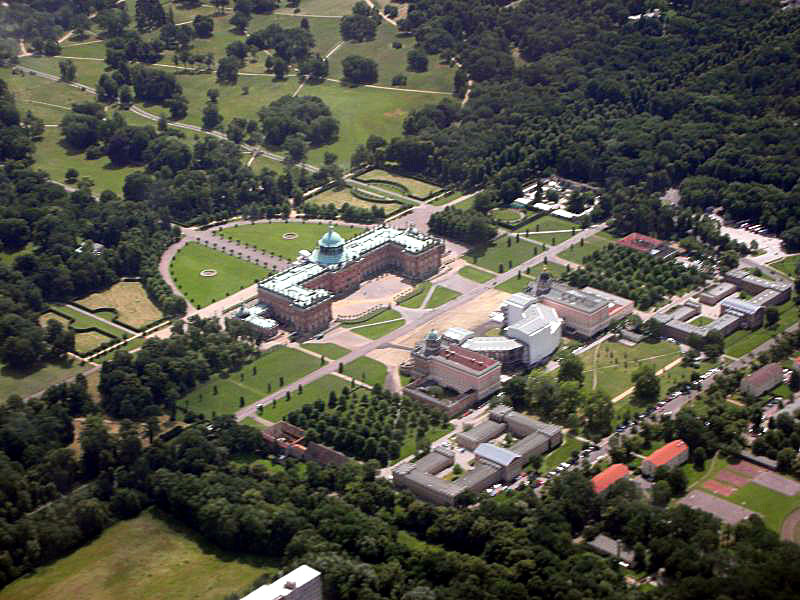
Sanssouci Park covers a large area and combines open lawns, flower gardens, fountains, sculptures, avenues, and architectural pavilions. Its layout developed gradually, allowing visitors to discover different styles of European garden design from the eighteenth and nineteenth centuries. Walking through the park offers changing views of the palace and reveals new perspectives on its historic buildings.
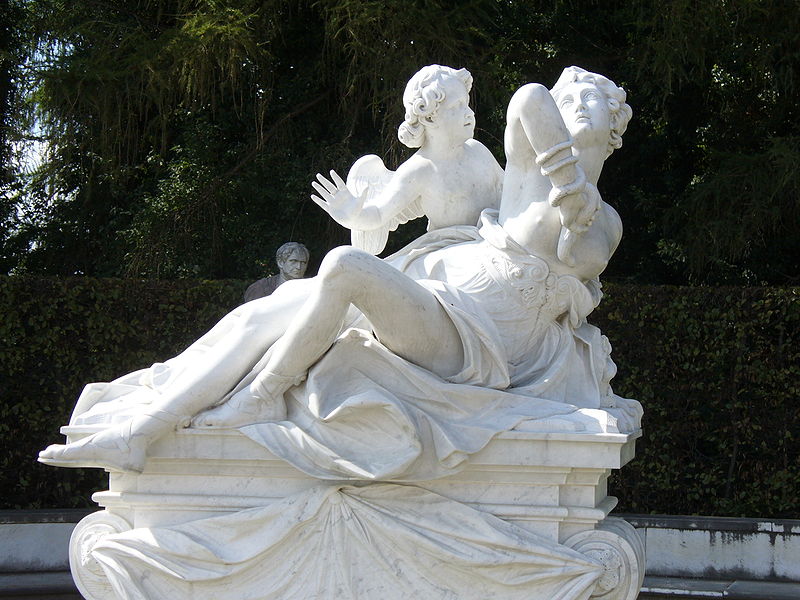
Notable attractions include the Picture Gallery, built to display works of art, and the New Chambers, originally used to accommodate guests. The Chinese House attracts attention with its gilded sculptures and decorative details inspired by the eighteenth-century European fashion for Oriental motifs. The park also contains classical temples, small pavilions, and monuments.
Frederick II and Enlightenment philosophy
Sanssouci was not merely a place of leisure but also a centre of the Prussian king's intellectual life. Frederick II played the flute, composed music, wrote literary works, and enjoyed philosophical discussions. He corresponded with European thinkers, including Voltaire, who spent time at the Prussian court and visited the palace.
The king sought to create an environment in which art and knowledge held an important place. At the same time, his ideas about freedom of thought coexisted with the responsibilities of an absolute monarch. Sanssouci reflects this dual character: it was both the ruler's personal retreat and a monument to Prussian cultural and political history.
UNESCO World Heritage
In 1990, the Palaces and Parks of Potsdam and Berlin were added to the UNESCO World Heritage List. The site is an extensive ensemble of palaces, gardens, and historic landscapes developed over several centuries. Sanssouci occupies a special place within it because of its Rococo architecture, historical significance, and connection with the development of European art and landscape design.
Protecting the complex means preserving not only individual buildings but also the overall composition of the historic landscape. The proportions of avenues, the location of pavilions, open views, and the relationship between palaces and nature are all important. The integrity of the ensemble is what makes Sanssouci an outstanding cultural heritage site.
Visiting Sanssouci
Sanssouci is located in Potsdam, which can easily be visited from Berlin on a day trip. During warmer months, it is particularly pleasant to walk through the park, explore the vineyard terraces, and discover the surrounding pavilions. Visiting the palace interiors usually requires a separate ticket, and access arrangements may vary by season.
Allow several hours to appreciate the complex fully, as the park contains many historic buildings and extensive walking routes. Visitors should check the palace's opening hours, reservation requirements, and tour schedules in advance. Entry to the park and admission to the palace interiors may be subject to different conditions.
Sanssouci is more than a royal palace. It reflects Frederick II's personality, the European Enlightenment, and the art of creating harmonious gardens. Its terraced vineyards, elegant Rococo architecture, and historic park form a unique ensemble that evokes the atmosphere of the eighteenth-century Prussian court.
Gallery