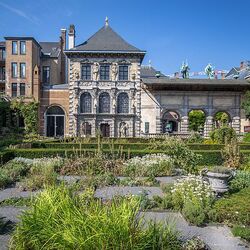
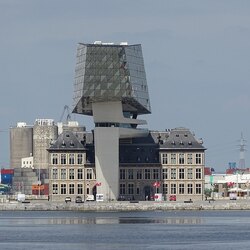
Aan de Strom Museum
The Museum of En de Strome was built in 2011 according to a special design by the famous architectural bureau. The museum attracts visitors not only by its appearance, but also by the rich collections it holds. Both private and public collections are kept and exhibited here. The two lower floors are used for permanent exhibitions, while the third floor houses temporary exhibitions.
Building
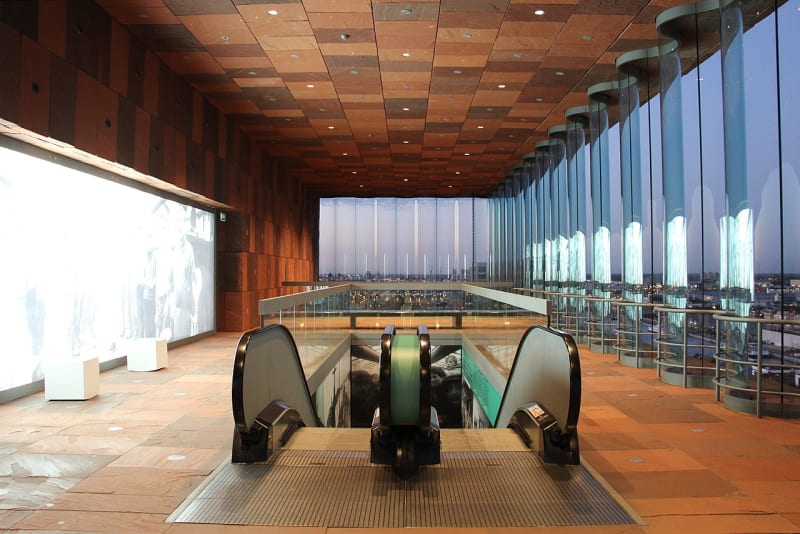
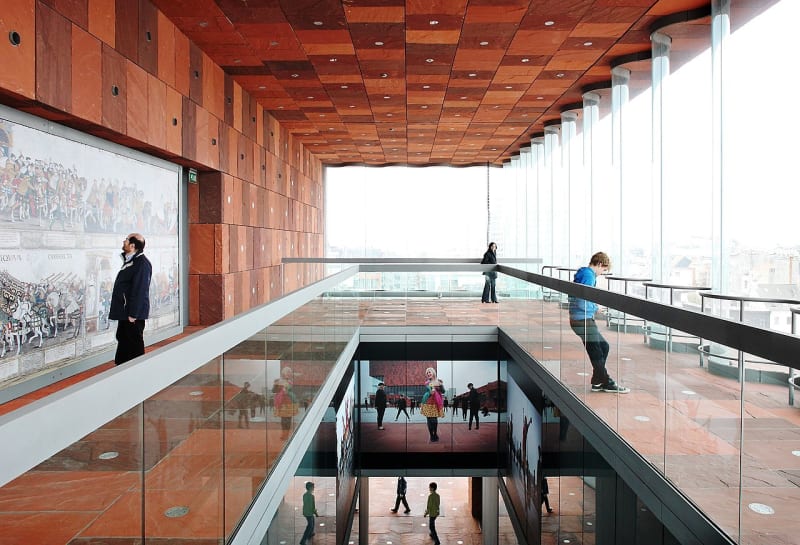
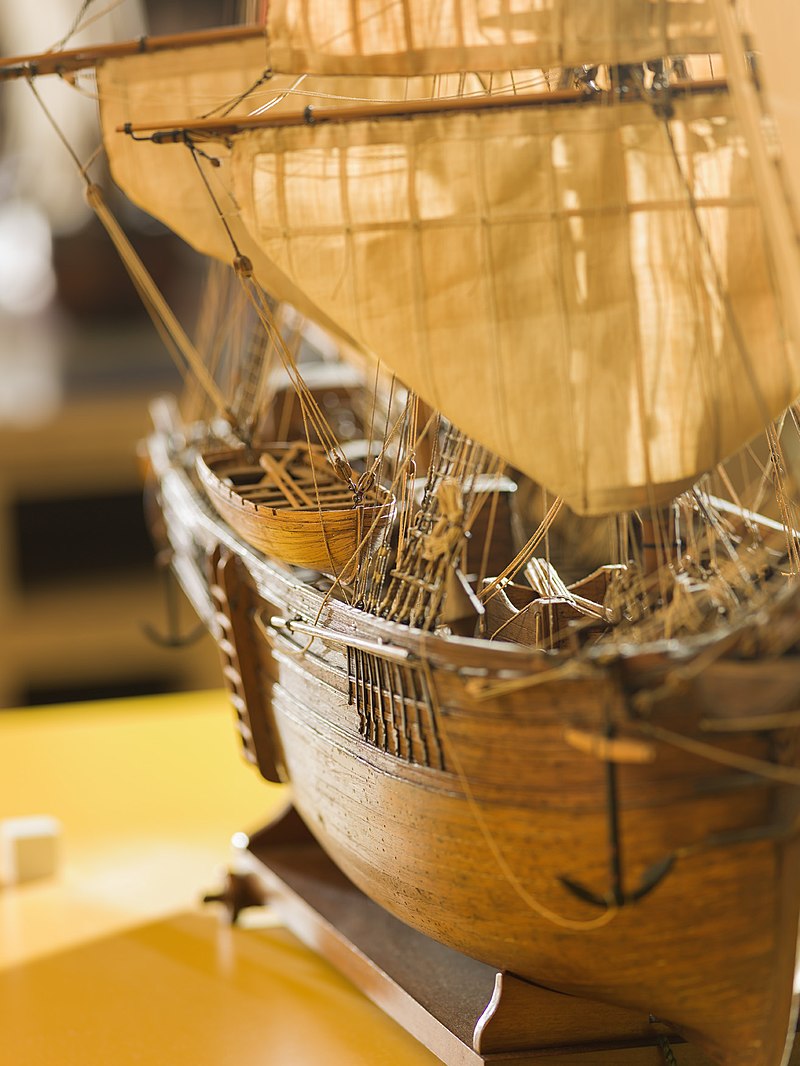
The Museum en de Strome is made in an interesting technology, all rooms are located in its central part, while the stairs seem to encircle the entire useful space. It turns out that all the lighting in the exhibition halls is only artificial, which gives them privacy. It's as if there are no windows at all, instead there are solid horizontal strips of wavy glass. It's like a column of water inside a stone captivity. The weight and significance of the museum building are betrayed by large brick-red blocks of Indian sandstone. An de Strome stands right by the river and in the evening its facades are beautifully illuminated in different colors, adding to its unusual appearance.
The place for the gallery has been determined for a reason since the 16th century, before the house where German merchants lived was located here. As time passed, the residents of the house moved out, the building gradually fell into disrepair. From time to time, his owners and assignments changed, there were barracks, warehouses, and even a church. At the end of the 19th century, the An de Strome Museum was severely damaged by fire, and it turned out to be easier to demolish than to restore it. The resulting space was occupied by a grain warehouse, and then they decided to set up a museum.
Museum
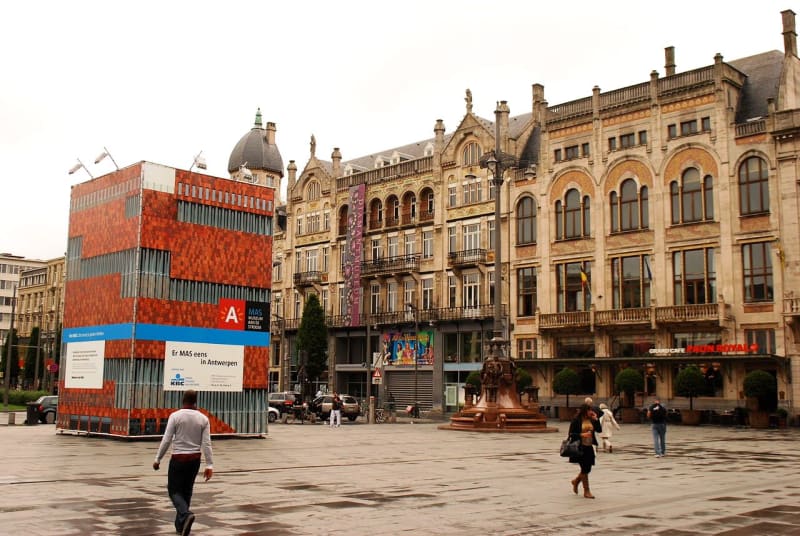
The Museum en de Strome is positioned as an art gallery with a focus on the port theme. The history of the city is closely connected with its port and the trade that was conducted through it. Even the legend of its name found a response in the images of the hand on the facades. According to that legend, a giant lived at the mouth of the river, he did not let merchant ships pass without payment, and he tore off both hands of those who refused him. Once Sylvius Brabo defeated a giant, Antwerp literally translates as "the thrown hand."
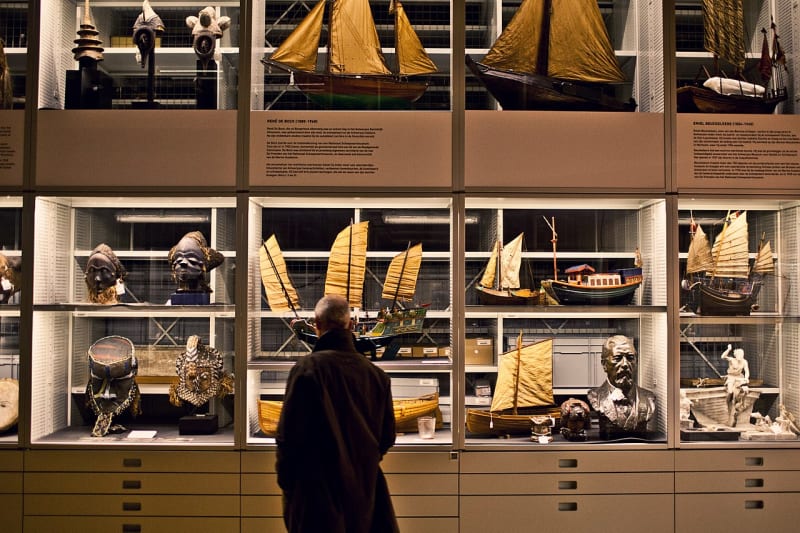
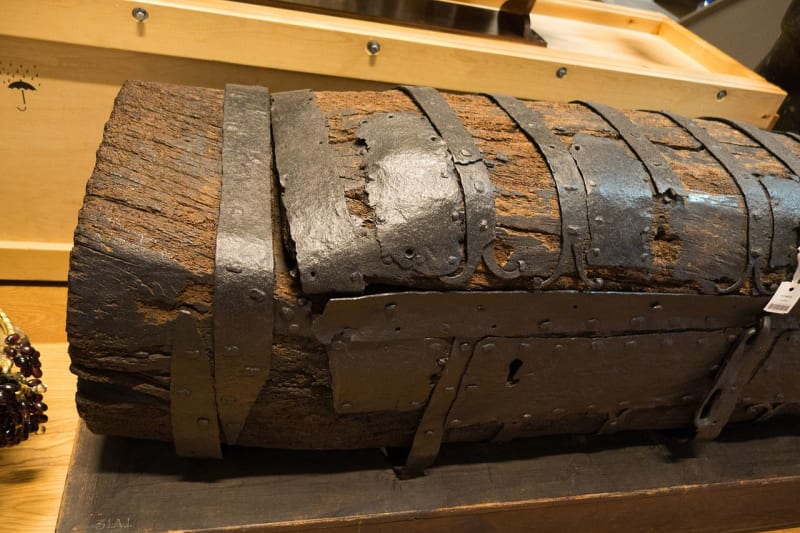
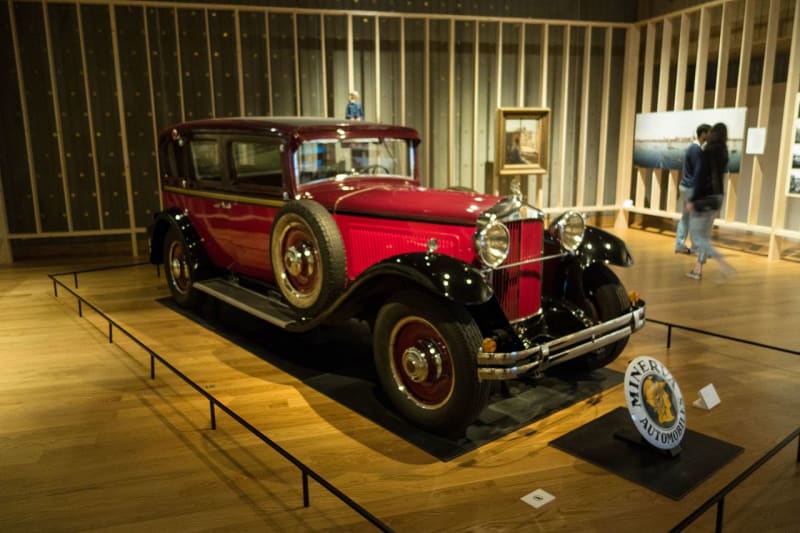
In the Museum of An de Strome, you can see a variety of objects brought to the city from long voyages.: These are maps, ancient African masks, and weapons. There is a hall dedicated to the religions practiced in the city, which can provide a lot of information about the history of the old European city. Interestingly, the building also houses a trendy Michelin-starred restaurant.