Bekonscot
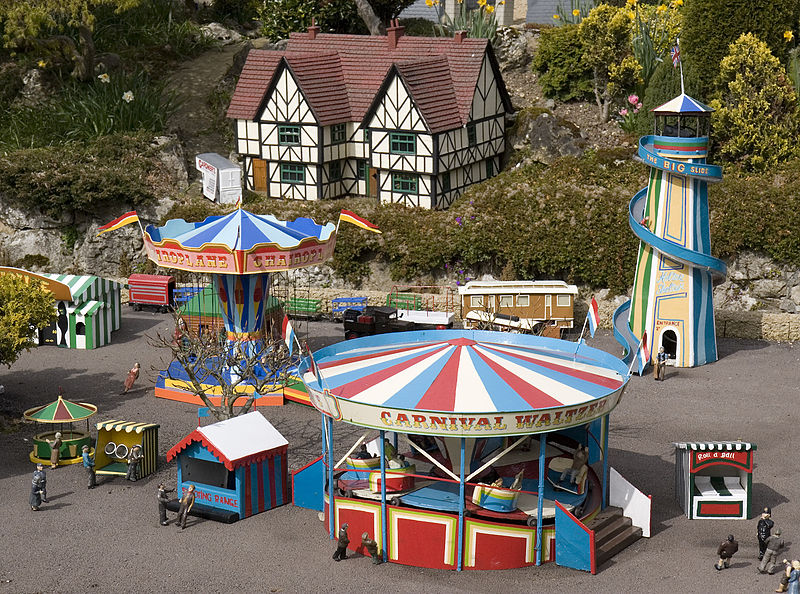
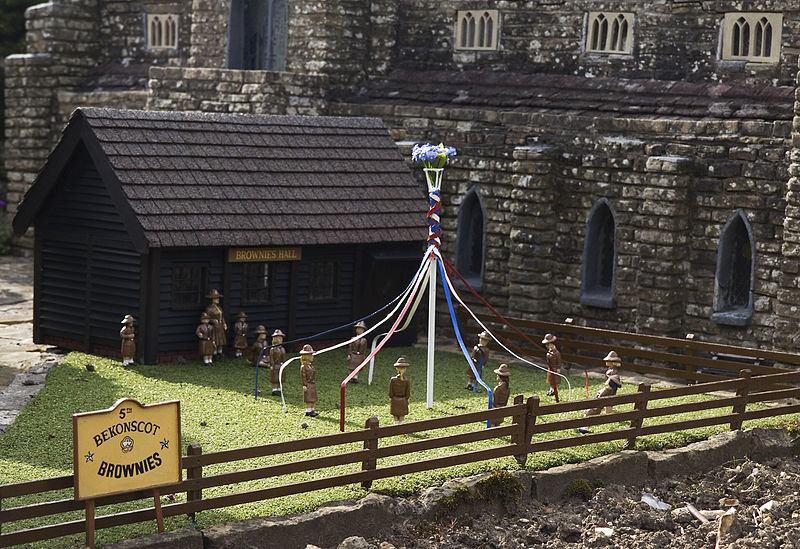
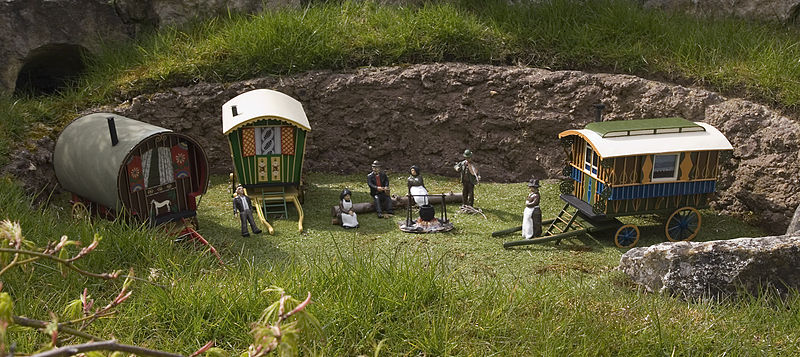
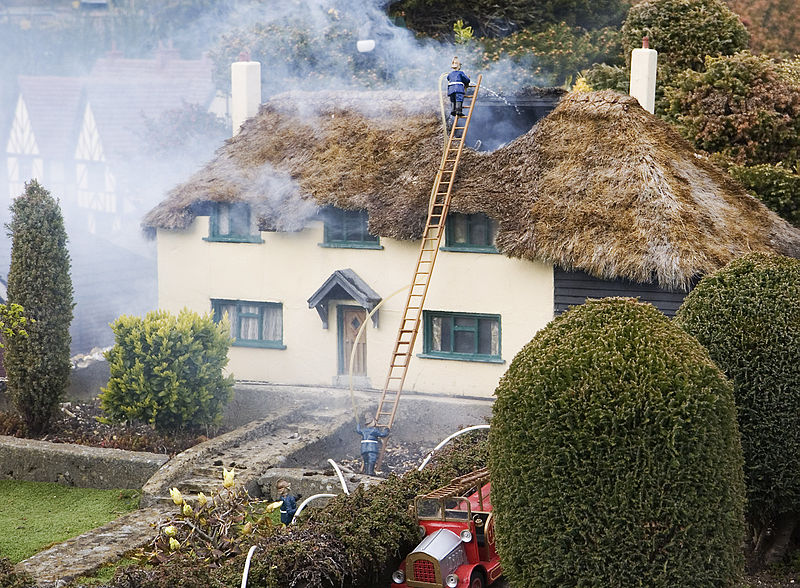
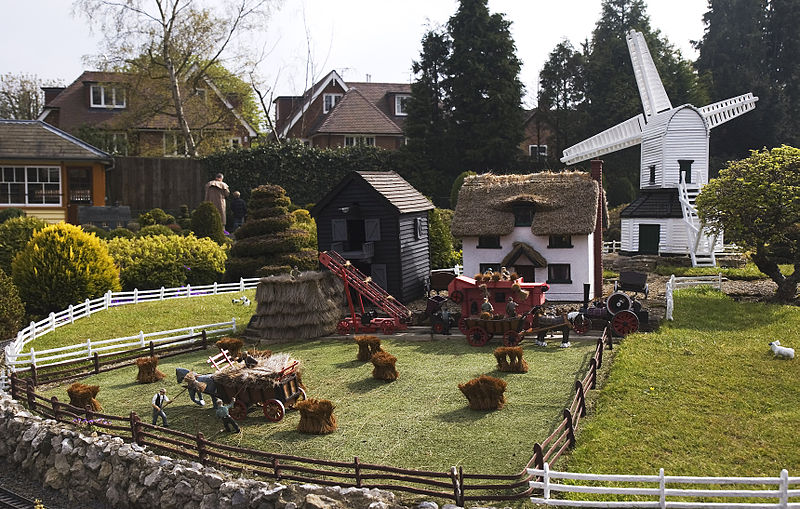
The Bekonscot model village is the oldest miniature model village in the world. The model reflects aspects of England, mostly dating back to the 1930s. The miniatures are made of natural materials and reduced by 12 times compared to the original.
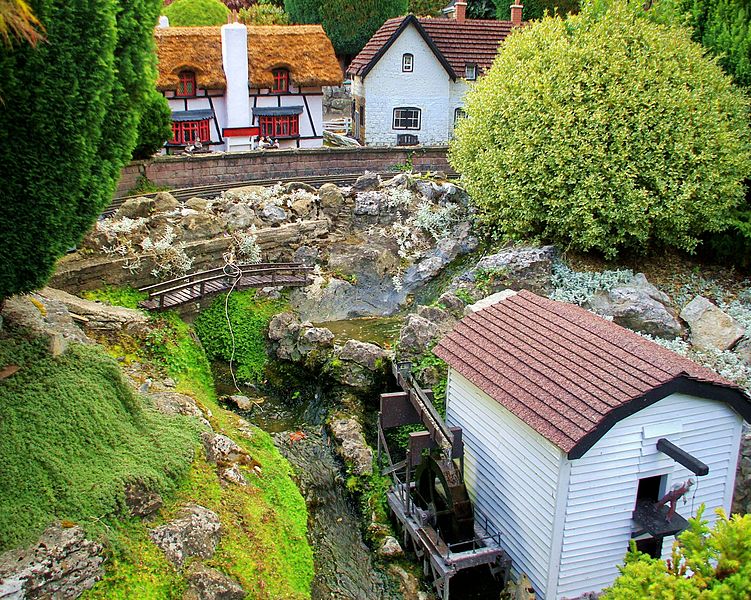
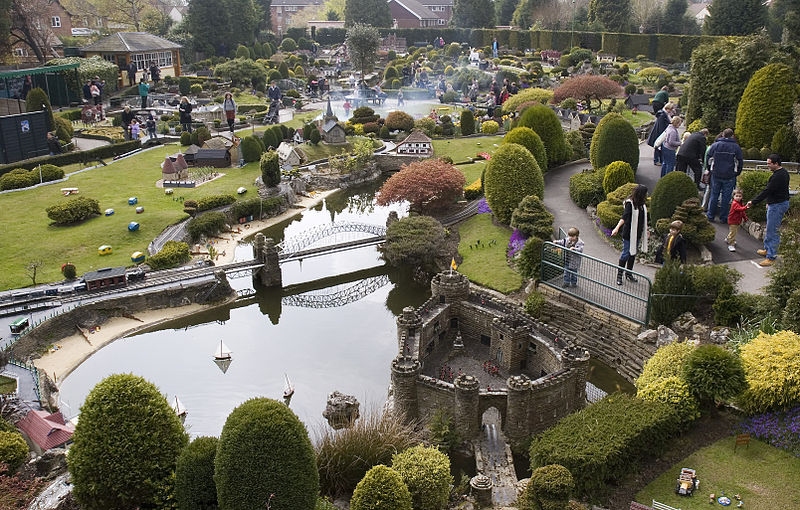
Beaconscote was created by accountant Roland Cullingham from the village of Beaconsfield in 1920. Roland and his friends have developed a project for their miniature empire as an addition to the huge house territory. Together they came up with a landscape model depicting rural England at that time. The pool was turned into a "sea", small hills became huge hills, and a railway was put into operation. The name Beaconscote originated from the village of Beaconsfield and Ascot, where Roland used to live. The park expanded during the first half of the 20th century. Later, Callingham sold the land around the model village for residential buildings, so the village is completely surrounded by houses and its expansion is impossible. On the territory of the village you can see a railway, a coal mine, castles, windmills, trams, a pier, a funicular, dwarf trees.
The Bekonscot was not designed as a commercial project, it was just a toy for the entertainment of Roland and his friends. But by 1930, many people had already learned about the village, as the name often flashed on the pages of newspapers. Frequent newsreels such as Pathe and international newspapers provided a steady stream of visitors making donations. Bekonscot has become a source of inspiration for many other model villages and miniature parks around the world Madurodam, Burton-on-the-Water, Wimborne, Great Yarmouth and Mini Europe.
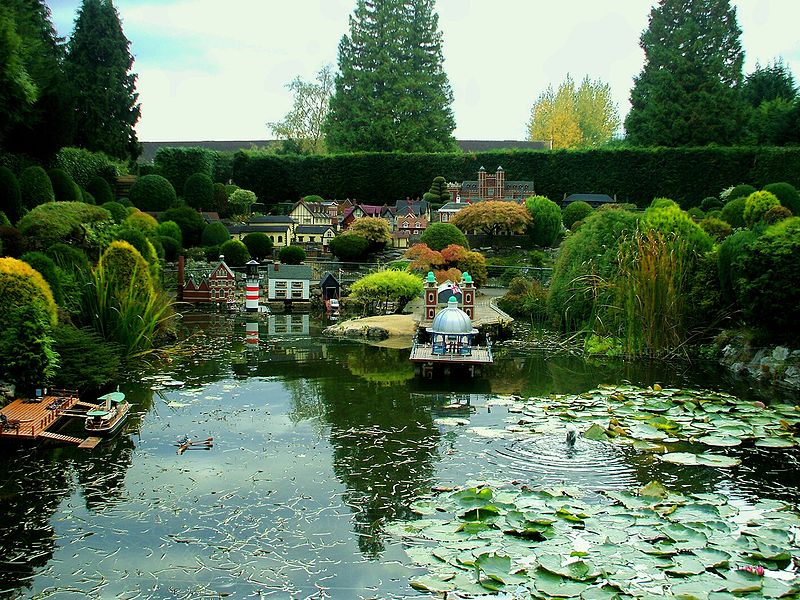
Of particular value in the village model is the railway, which is about 15 km long. The road is controlled by a computer that guides up to 12 trains along the route at any given time. Many trains have been operating since their foundation and are of great historical value. Some of them have been operating for more than 50 years, and each one travels about 3,000 kilometers per year. The railway model includes 7 stations, tunnels, crossings, and a scaled-down replica of the Sydney Harbour Bridge.