Mikumi National Park is one of the best-known protected natural areas in southern Tanzania, located between the town of Morogoro and the country’s extensive wilderness regions to the south. The park is famous for open savannahs, herds of large animals, baobabs, and acacia trees. With relatively convenient access from Dar es Salaam, Mikumi is suitable both for a first African safari and for a short journey through Tanzania’s national parks.
History and Location
Mikumi National Park was established in 1964 and covers approximately 3,230 square kilometres. It forms part of a wider natural system connected to Nyerere National Park, formerly known as the Selous Game Reserve, as well as the mountain forests of the Eastern Arc. Together, these areas create an important network of habitats that includes rivers, seasonally flooded plains, forests, and woodlands.
The park lies roughly 280–300 kilometres from Dar es Salaam. Driving via Morogoro usually takes about four hours, although travel time depends on road conditions. Mikumi is often included in southern Tanzania itineraries alongside Nyerere, Udzungwa, and Ruaha national parks.
The Mkata Floodplain
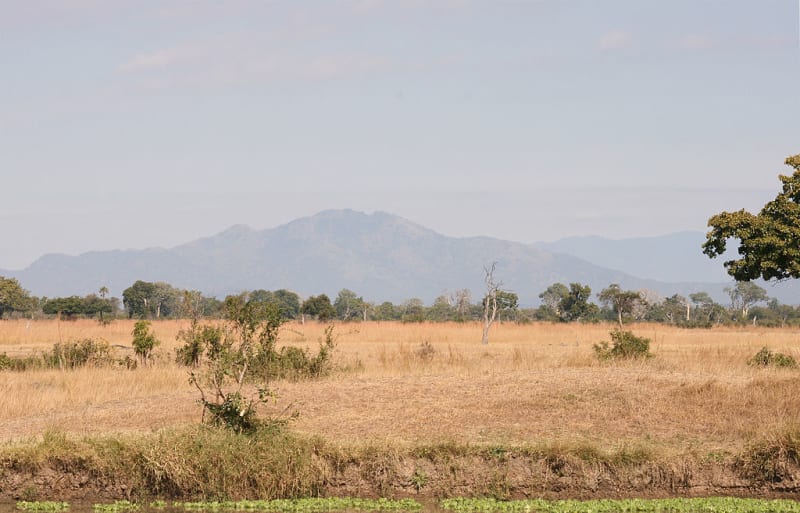
The park’s central natural attraction is the Mkata Floodplain. Its broad grassy expanses evoke classic African scenery, with acacia trees, low hills, and herds of wildlife stretching across the horizon. The open landscape makes animals easier to observe during game drives, which is why this part of Mikumi is especially popular with travellers.
During the rainy season, the plains turn green, temporary pools appear, and vegetation becomes denser. In the dry months, animals gather more frequently around rivers, waterholes, and remaining water sources. These seasonal changes shape the safari experience and create different conditions for wildlife viewing.
Wildlife
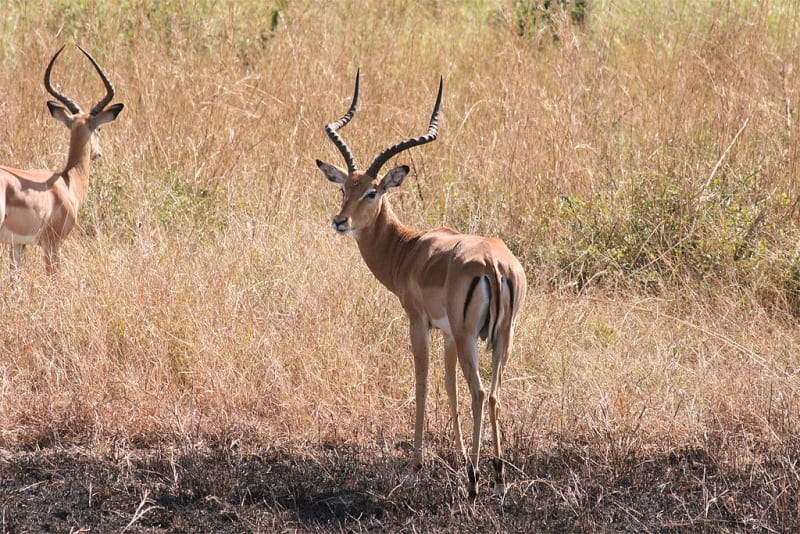
Mikumi is home to elephants, African buffalo, giraffes, zebras, wildebeest, and several species of gazelles and antelopes. Large herds of herbivores are often seen on the open plains. Lions hunt across the savannah and may be spotted near roads or on raised ground. Leopards and spotted hyenas also inhabit the park, although these more elusive predators are not always easy to find.
Wooded areas shelter large antelopes, including greater kudu and sable antelope. Visitors may also look for Lichtenstein’s hartebeest and other species that favour woodland and denser vegetation. Hippos and crocodiles live in rivers and pools. Wildlife observation must follow park rules and the instructions of the accompanying guide.
Birdlife and Vegetation
Mikumi is interesting for more than its large mammals: over 400 bird species have been recorded here. They include colourful lilac-breasted rollers, hornbills, bee-eaters, eagles, storks, and numerous waterbirds. Seasonal pools and river areas are particularly rewarding places for birdwatching, while the rainy season brings additional diversity through migratory species.
The park’s vegetation ranges from open grassland to acacia savannah, wooded areas, and riverine thickets. Baobabs and other characteristic East African trees dot the landscape. Hills and mountain slopes, including the area around Mount Malundwe, provide a varied backdrop to the plains.
Things to Do in the Park
The main activity for visitors is a vehicle safari along designated routes. Guides help locate animals, explain their behaviour, and describe the park’s ecosystems. Early-morning and late-afternoon drives are often convenient for observing active wildlife and photographing animals in softer light.
Guided walking safaris may also be available in designated areas. These walks offer opportunities to notice animal tracks, insects, plants, and smaller savannah inhabitants. Birdwatchers should bring binoculars, while photographers may want a lens suitable for photographing wildlife from a safe distance.
When to Visit
The dry season, which generally runs from around May to November, is considered a convenient time for viewing large animals. Grass is shorter, and wildlife visits water sources more often, making animals easier to spot in open areas. June to October is particularly popular.
During the rainy season, the landscape becomes greener and more picturesque, and birdwatching can be especially rewarding. However, some roads may become more difficult to navigate, while tall grass can make animals harder to see. Before travelling, check route conditions and access arrangements with the park authorities or safari operator.
Getting There and Practical Advice
Most visitors travel from Dar es Salaam to Mikumi by road via Morogoro. Flights to the local airstrip may also be available, depending on schedules and services. It is advisable to arrange a safari in advance with a licensed operator or use the services of an authorised guide.
Bring drinking water, a hat, sunscreen, comfortable neutral-coloured clothing, and binoculars. Do not leave the vehicle except in authorised areas, approach wild animals, or feed them. Following the rules helps protect visitors and allows the park’s wildlife to behave naturally.
Nature Conservation
Mikumi plays an important role in protecting the wildlife of southern Tanzania. Its connections with larger natural areas allow animals to move between habitats and help maintain ecosystem resilience. Conservation work includes anti-poaching efforts, habitat protection, and cooperation with local communities.
Mikumi National Park combines convenient access, diverse wildlife, and expansive open landscapes. It is an excellent place to experience an African safari, watch elephants and giraffes, look for lions, and explore a rich variety of birds. A visit can also form part of a longer journey through Tanzania’s protected natural areas.
Gallery