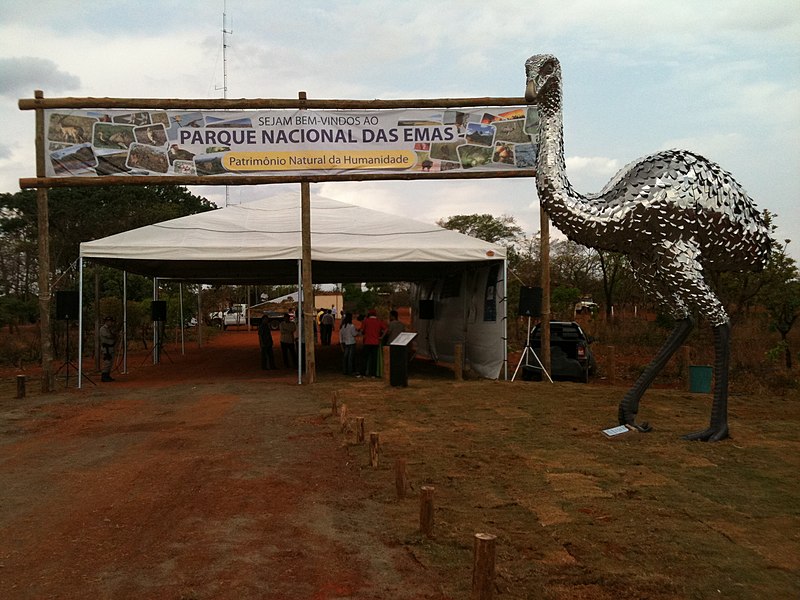

The central-Western part of Brazil is famous for the Emas National Park, which has been under UNESCO protection since 2001. The formation of the park dates back to 1961. Its nature-rich savannah stretches over more than a thousand square kilometers.
Climatic conditions
The region is dominated by a tropical climate, which means hot, humid summers and moderately cool winters in these latitudes. From December to May, the rainy season begins here, and then the dry season begins, lasting until October.
Flora and fauna
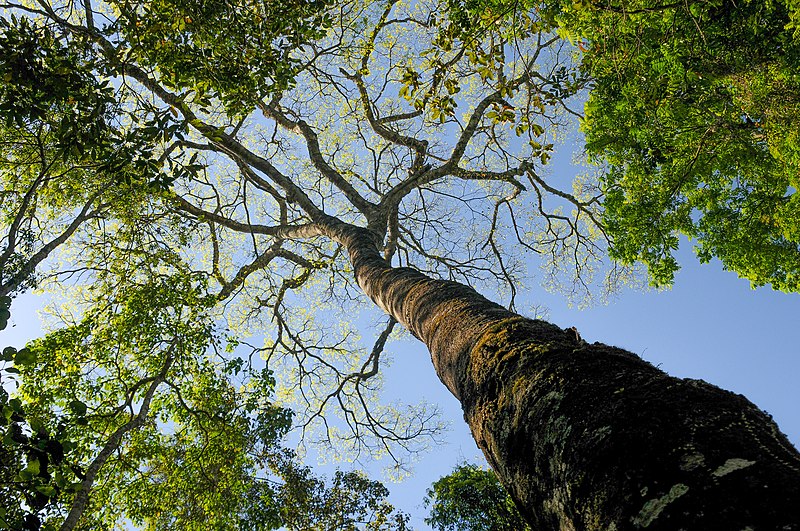
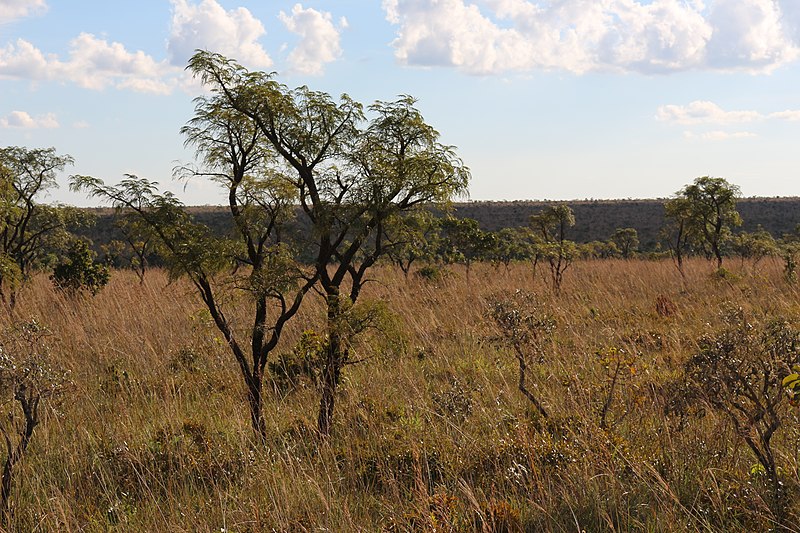
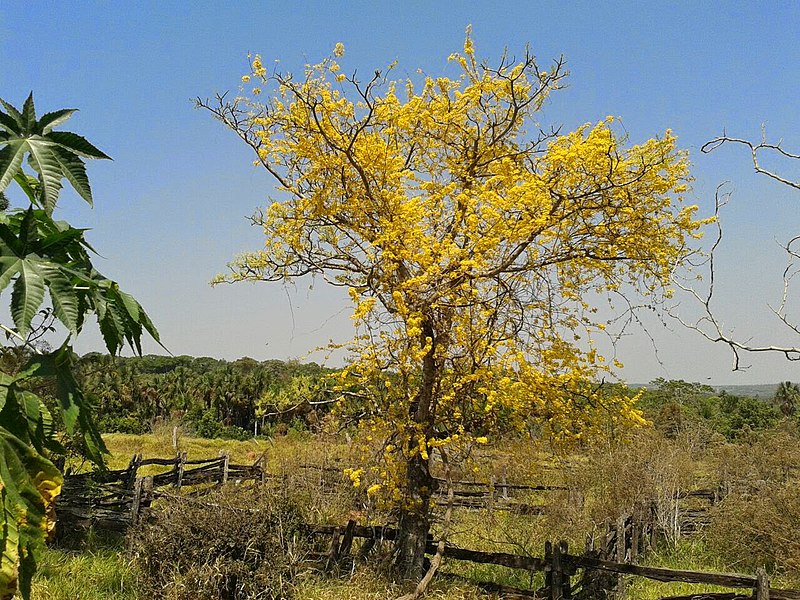
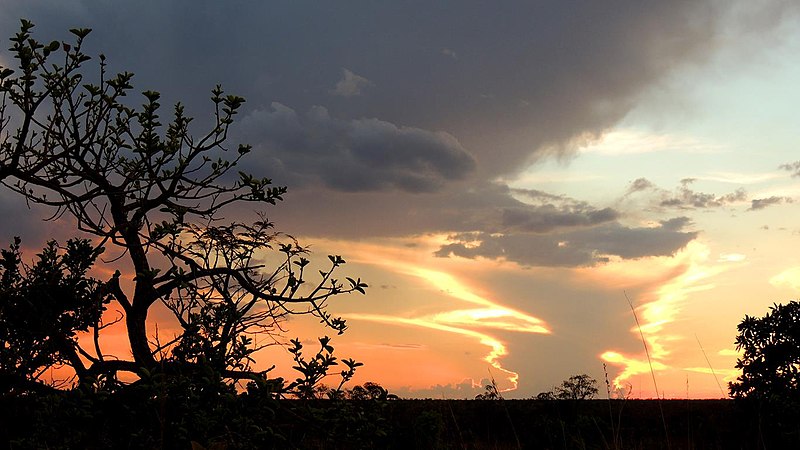
The riverine territories of the Emas National Park are covered with dry forests. Among them stands out the Chapado Dos Veadeiros forest, named after an ancient plateau, extending over 655 square kilometers. There are practically no trees in the savanna itself, dense grass prevails more, dotted with tall termite mounds, sometimes reaching two meters in height. During the rainy season, their greenish glow can be observed at night. This incomparable sight is created by the larvae of one of the species of nutcracker beetles. Palm trees over 70 m tall grow on the hills of Emas, and its surroundings are filled with extensive plantations of agricultural crops.
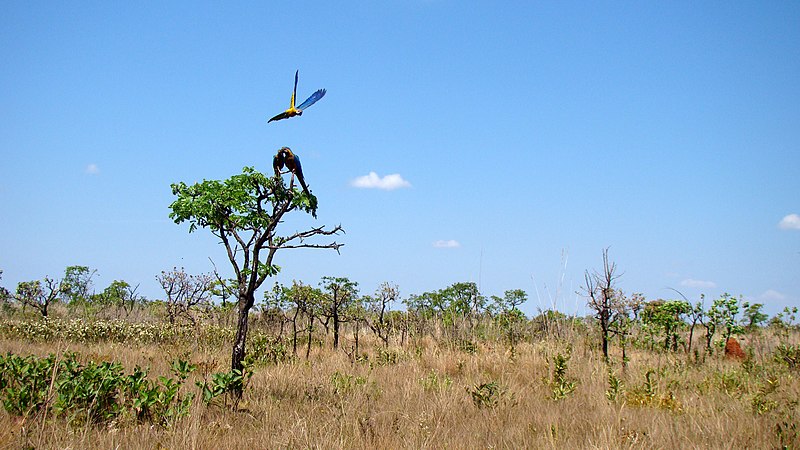
Anteaters, armadillos, cougars, and porcupines are common among animals. There are many bush dogs that have been completely exterminated in neighboring countries, in addition to foxes, igrunkov monkeys and tamarins, and swamp deer. There is a small population of jaguars. The largest rodents, capybaras, are also found here. The most striking representatives of the avifauna of Emas Park are blue and yellow macaws, large and beautiful parrots.
Features of tourism
You can travel through Emas Park either with a guide or on your own, and in various ways – hiking, horseback riding, jeeps or rafting on the river by boat. The latter will be especially interesting for fishing enthusiasts. You can also hunt in the park, and even spend the night if the tour is designed for more than one day, using the services of small hotels, but with fairly comfortable rooms.
At one time, the threats to the existence of Emas Park included fires, the growth of agricultural areas, and poaching. Currently, due to appropriate measures, their extent has significantly decreased, but a new problem has arisen – the appearance of new herbaceous plants unusual to the flora of the park, which now requires constant monitoring in order to prevent any intrusion into the ecosystem of the Emas.
Gallery